Introduction: A Decade of Advocacy and Action
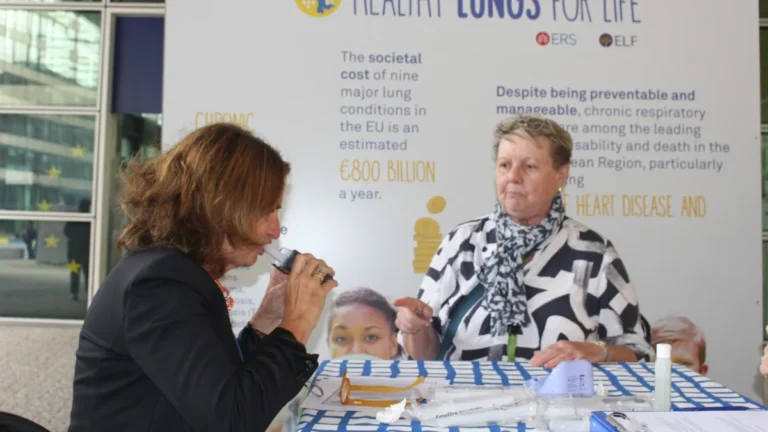
For over ten years, the Healthy Lungs for Life (HLfL) campaign has served as a beacon for respiratory health advocacy, working tirelessly to bridge the gap between complex medical research and tangible community action. As we look toward 2026, the European Lung Foundation (ELF) and its partners are scaling up their efforts, launching a new grant cycle designed to catalyze grassroots initiatives that translate scientific knowledge into life-saving local outcomes.
The HLfL grants programme is more than a financial instrument; it is a strategic platform for public health empowerment. By funding community-led projects, the campaign aims to dismantle the barriers to respiratory wellness—whether through education in classrooms, advocacy for cleaner air, or the expansion of vaccination and screening accessibility. As the 2026 application window opens, the initiative stands as a testament to the idea that global health is, ultimately, achieved locally.
The Chronology of Change: Ten Years of HLfL
To understand the significance of the 2026 grants, one must look back at the decade of progress that preceded them. Since its inception, the HLfL campaign has evolved from a series of high-level awareness events into a sophisticated global network.
- 2014–2018 (Foundational Years): The campaign focused on establishing a global identity, creating standardized messaging around the importance of lung health and the dangers of environmental pollutants.
- 2019–2021 (Community Integration): Recognizing that top-down messaging has limits, the organization pivoted toward a grant-based model, empowering local champions to spearhead their own events.
- 2022–2025 (Expansion and Diversification): The programme saw an explosion in geographical reach, with projects successfully implemented in diverse regions including Nepal, Nigeria, Italy, and India. During this time, the focus expanded to include advocacy for clean air policies and the integration of chronic disease screenings into primary care.
- 2026 (The Strategic Pivot): With the support of the Forum of International Respiratory Societies (FIRS) and the ERS Clinical Research Collaboration (CADSET), the 2026 cycle introduces a more targeted funding structure designed to maximize the reach of the campaign, particularly in regions that have historically been underserved by international health grants.
Supporting Data: Why Localized Action Matters
The urgency of the HLfL programme is underscored by current global health data. Respiratory diseases remain among the leading causes of death and disability worldwide. Chronic Obstructive Pulmonary Disease (COPD), asthma, and lung cancer represent a significant portion of the global burden of non-communicable diseases (NCDs).
According to historical reports from previous grant winners, the "Small Grant, Big Impact" theory has been proven repeatedly. Data from past projects shows:
- School-based interventions: Increased lung health literacy among children by over 40% in pilot regions, leading to better early detection of asthma symptoms.
- Vaccination Drives: Communities supported by HLfL grants saw, on average, a 15–20% increase in uptake of influenza and pneumococcal vaccines in vulnerable populations.
- Environmental Monitoring: Grassroots projects that provided air quality sensors to schools and community centers empowered local leaders to lobby successfully for "clean air zones" near high-traffic areas.
These metrics demonstrate that when communities are given the resources to identify their own respiratory challenges, they are far more effective at implementing sustainable solutions than external organizations working in isolation.
The 2026 Vision: New Partnerships and Strategic Priorities
The 2026 cycle marks a significant evolution in the programme’s capacity. Thanks to the partnership with FIRS and the CADSET collaboration, the initiative is offering a more structured approach to funding.
The Two-Tiered Grant System
This year, the programme introduces two distinct categories of grants to ensure that both small-scale, experimental pilots and larger, more established community initiatives can find a home within the HLfL framework.
- Innovation Seed Grants: Designed for smaller, first-time applicants or novel ideas that have yet to be tested at scale. These grants provide the necessary "proof of concept" funding.
- Impact Expansion Grants: Targeted at organizations that have already demonstrated success with previous respiratory health initiatives and are now looking to scale their operations or sustain their impact over a longer period.
Prioritizing Under-Represented Regions
A core tenet of the 2026 campaign is the "First-Time Applicant" initiative. The organizers have explicitly stated that they are prioritizing applications from countries that have not yet received HLfL funding. By consulting the interactive maps and event report databases on the official website, potential applicants can identify whether their nation is a "white space" on the HLfL map. This effort aims to democratize access to funding and ensure that the global respiratory health movement is truly representative of the global population.
Official Perspectives: The Value of Community Advocacy
The leadership behind the HLfL initiative views these grants as an essential component of the "patient-to-public" bridge. In a statement regarding the upcoming 2026 cycle, representatives from the European Lung Foundation emphasized that the expertise held by local community leaders is often underutilized.
"We provide the scientific messaging, but the community leaders provide the cultural translation," says one project coordinator. "If you want to talk to a village in Nigeria about air quality or a school in India about the dangers of indoor smoke, you need someone who understands the local environment. Our grant recipients are not just organizers; they are translators of science."
The partnership with FIRS and CADSET further reinforces this, signaling a shift toward more clinically backed community interventions. By connecting local projects with the expertise of the ERS, the HLfL programme ensures that the projects funded are not only popular but also evidence-based and medically sound.
Implications: Building a Resilient Future
The implications of the 2026 grant cycle extend far beyond the immediate projects. By investing in local leadership, the HLfL campaign is building a global infrastructure of health advocates. When a local NGO in a remote district receives a grant, they gain more than money; they gain access to a global network of peers, expert mentorship, and international recognition.
Long-term Community Health Benefits
The sustainability of these projects is a primary focus for the 2026 board. Applicants are now required to outline how their project will continue to function after the grant money is spent. This focus on "legacy planning" ensures that the benefits of the project—whether it is a new screening protocol or a clean-air education curriculum—become institutionalized within the community.
Call to Action: The Path to Application
The deadline for applications is 16 April 2026. Prospective applicants are encouraged to begin the process early by:
- Reviewing the Grant Report: Reading about past winners provides essential insights into what makes a successful, impactful project.
- Checking the Interactive Map: Ensuring their region is eligible and identifying existing local gaps in health education.
- Aligning with Priorities: Ensuring that their project proposals directly address the 2026 priority areas, which include, but are not limited to, air quality advocacy, vaccination access, and education on chronic respiratory conditions.
Conclusion: How to Get Involved
The Healthy Lungs for Life campaign invites everyone, from community health workers to educators and student groups, to consider how they might improve respiratory health in their local area. The 2026 grants represent a unique opportunity to turn a vision for a healthier, cleaner, and more informed community into reality.
Beyond applying for grants, the organization encourages the public to join their mailing list. This allows stakeholders to stay updated on the latest research findings, upcoming events, and the stories of those who are already out in the field making a difference.
Respiratory health is a fundamental human right. As we move into 2026, the Healthy Lungs for Life programme remains committed to ensuring that, no matter where you live, you have the knowledge and the support necessary to breathe easier. Whether you are in a bustling metropolis or a rural village, your community has the potential to lead the charge for cleaner air and stronger lungs. The resources are available—the next step is yours to take.
For more information on the application process, eligibility criteria, and to access the application portal, visit the official Healthy Lungs for Life website.