











For millions of Americans, caregiving is a role defined by love, commitment, and a relentless, high-stakes pace. It is often described as a marathon rather than a sprint—a journey that requires endurance, sacrifice, and, above all, the ability to keep going. However, the emotional and physical toll of this marathon is profound. Without regular, intentional breaks, the “chaos” of daily caregiving can lead to burnout, health decline, and isolation.
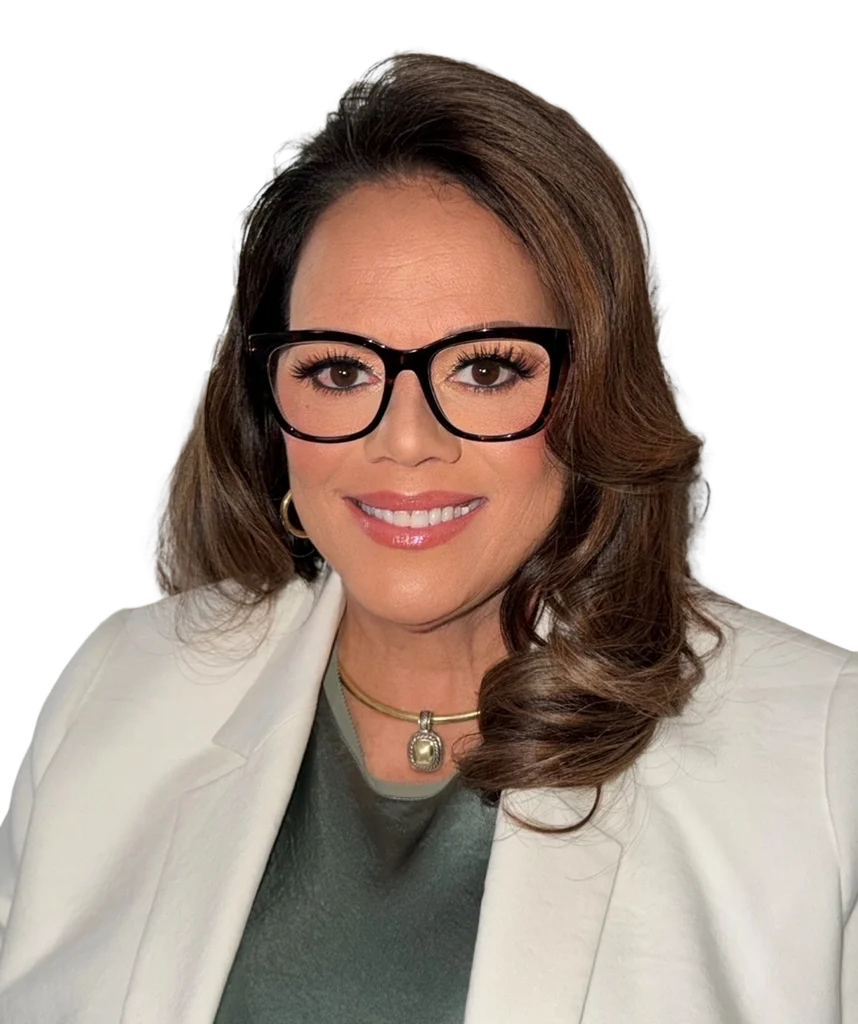
In recognition of September’s Self-Care Awareness Month, Sherri Snelling—corporate gerontologist, author, and CEO of the Caregiving Club—dedicated the 74th episode of her podcast, Caregiving Club On Air, to addressing this critical issue. Featuring Laura Williams, founder and CEO of Respitely, the episode explores a revolutionary approach to caregiver support: the concept of “CareGifting.”
The Philosophy of the Marathon: Why Respite is Not a Luxury
Caregiving is often framed as a noble pursuit, but societal expectations often force caregivers to push their limits until they reach a breaking point. Snelling emphasizes that for a caregiver to continue effectively, they must prioritize both physical and mental restoration.
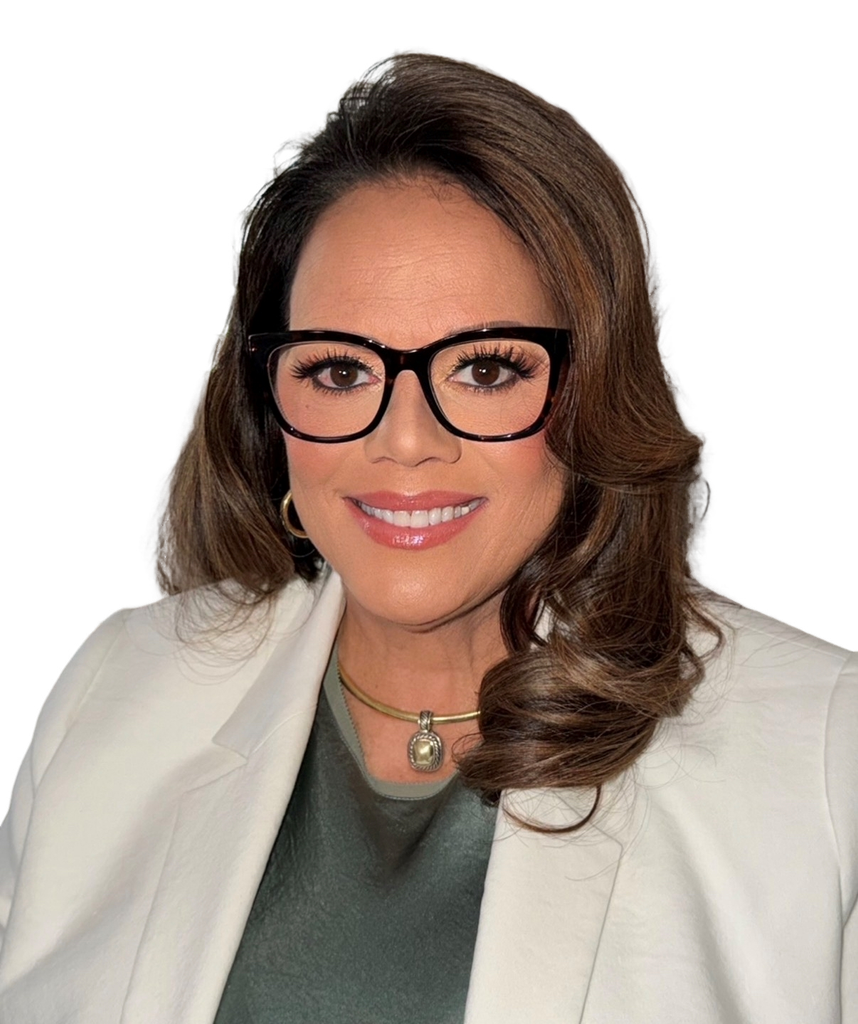
"We often talk about caregiving as a marathon, not a sprint," says Snelling. "To continue in the race, you have to take the breaks—both physically and mentally—that let you take a breath. It is the only way to create calm in the chaos."
The challenge, however, is that many caregivers feel guilty when stepping away. They perceive respite as a luxury rather than a necessity. This is where the cultural shift needs to happen: respite is a medical and emotional imperative. By stepping away, caregivers aren’t abandoning their responsibilities; they are ensuring they remain healthy enough to continue providing high-quality care for their loved ones.
Laura Williams and the Genesis of Respitely
Laura Williams’ journey to founding Respitely was born from the crucible of personal experience. As a working mother and a long-distance caregiver for her own mother, Williams navigated the complex, often exhausting landscape of the "Sandwich Generation"—those who simultaneously care for aging parents and their own children.
Williams realized that while the digital age has revolutionized how we order food or secure transportation, the support systems for caregivers remained fragmented and difficult to access. She envisioned a platform that functioned much like popular delivery services, but for the most precious resource of all: time.
Respitely was designed to remove the burden of coordination from the caregiver. In many cases, family and friends want to help but are unsure how to be useful. They might send flowers or a casserole, but what a caregiver truly needs is five hours of peace. Respitely facilitates "CareGifting," allowing friends and family to crowdfund or directly sponsor respite care. It turns the "ask" for help into a gift, alleviating the social stigma and logistical headache that often prevents caregivers from seeking assistance.
Chronology of Caregiver Support: From Informal to Digital
The history of caregiver support has evolved significantly over the last two decades. Initially, support was limited to local community centers or informal word-of-mouth networks among neighbors. The early 2000s saw the rise of government-funded programs, such as those provided by the Area Agencies on Aging, which began to formalize respite care as a public health priority.
By the 2010s, the internet introduced platforms like CaringBridge, which allowed families to communicate updates and coordinate volunteers. However, these tools still relied on the caregiver to manage the logistics of scheduling and vetting help.
The current era, represented by innovators like Respitely and the broader digital health movement, focuses on "frictionless" support. By leveraging technology to connect families with professional, vetted respite services, the industry is shifting from a model of "doing it alone" to one of "community-supported care." This transition is essential as the aging population grows and the ratio of available family caregivers to seniors continues to shrink.
Supporting Data: The Cost of Ignoring Caregiver Health
The statistics surrounding caregiver health are sobering. According to recent industry data discussed by Snelling and Williams:

- The Productivity Gap: A significant portion of the modern workforce—the "Sandwich Generation"—is balancing career demands with eldercare. This dual burden leads to billions of dollars in lost productivity for companies annually.
- Health Decline: Caregivers have a 20% higher risk of chronic health conditions compared to non-caregivers, largely due to the chronic stress response (elevated cortisol) and lack of sleep.
- The "Break" Deficit: Studies consistently show that the majority of family caregivers do not take a vacation or a full day off for themselves for over a year at a time.
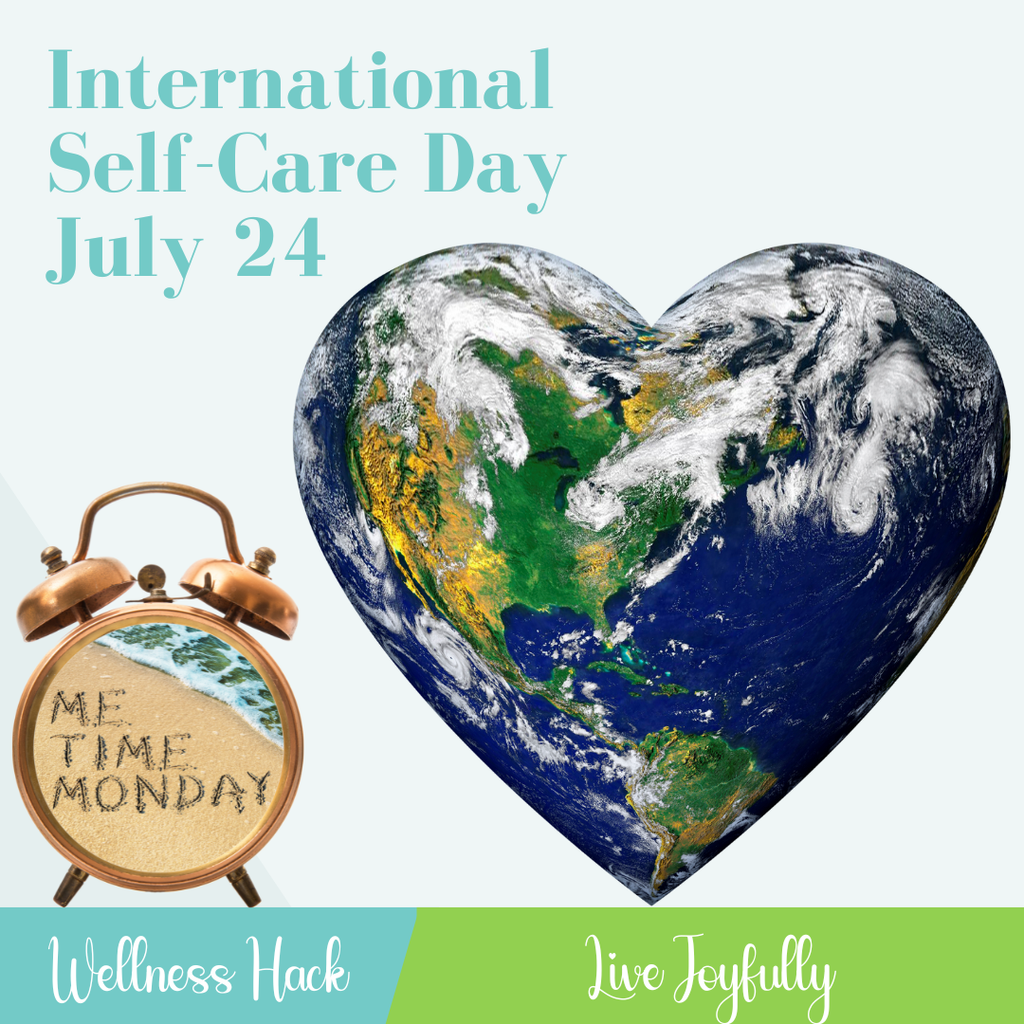
This data underscores why initiatives like Respitely and the Caregiving Club’s "Me Time Monday" campaign are vital. By breaking down the barriers to respite, we aren’t just improving the life of the caregiver; we are stabilizing the entire family unit.
Official Responses and Industry Shifts
Professional organizations, such as the ARCH National Respite Care Network and the Department of Veterans Affairs, have increasingly aligned with the mission to formalize respite as a standard of care.
The VA, for instance, has set a high standard by offering up to 30 days of free respite care per calendar year for veterans. This model demonstrates that systemic support is possible when policymakers recognize the long-term cost-savings of keeping caregivers healthy. When caregivers are supported, hospital readmission rates for their loved ones decrease, and the need for expensive long-term nursing home placements is often delayed.
Implications for the Future
The implications of this shift toward "CareGifting" are twofold:
- Cultural Normalization: By using platforms that allow friends and family to contribute to respite care, we are changing the narrative around "asking for help." It is no longer seen as a sign of weakness, but as a community-based strategy for sustainable care.
- Workplace Integration: Corporations are beginning to realize that if they want to retain their most experienced employees, they must provide more than just flexible hours. They must provide access to caregiving benefits, such as those offered by the business enterprise groups at organizations like Care.com.
Conclusion: How to Take Your First Step
For those feeling the weight of the marathon, the resources are more accessible than ever. Whether it is through a formal agency like Comfort Keepers, a government-backed program like the Elder Care Locator, or a gift-based platform like Respitely, the first step is acknowledging that you cannot pour from an empty cup.
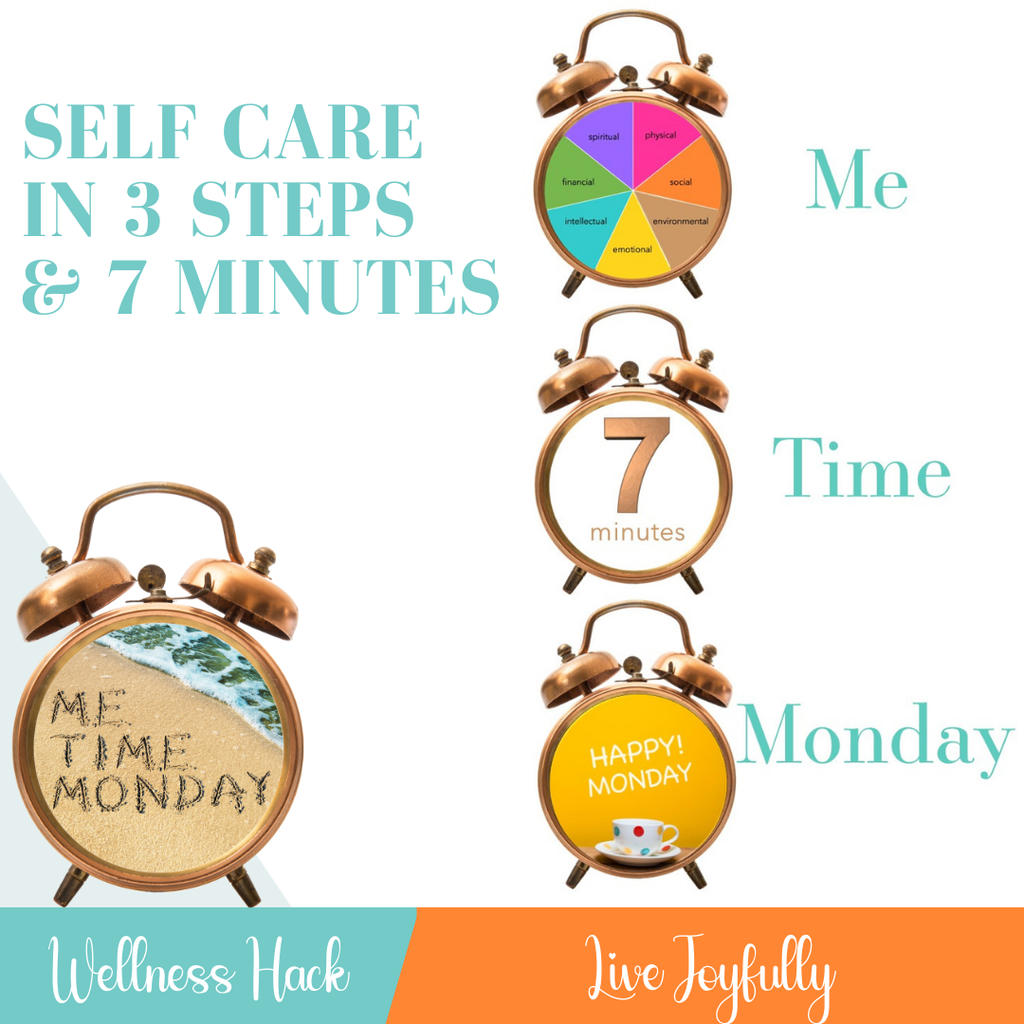
As Sherri Snelling continues to educate the public through her #3-ranked podcast, she encourages listeners to embrace small, manageable acts of self-care. Through her "Me Time Monday" video series and her commitment to the Caregiving Club, she reminds us that even seven minutes of intentional rest can reset the nervous system.

If you are a caregiver, or if you know someone who is, take this month to move beyond the flowers and the well-wishes. Consider the gift of time. Because in the marathon of caregiving, the most valuable gift you can give is the ability for a caregiver to stop, breathe, and remember who they are outside of the role they play.
Resource Summary for Caregivers:
- Respitely: For "CareGifting" and community-supported respite.
- ARCH National Respite Care Network: Nationwide agency connections.
- Elder Care Locator (1-800-677-1116): For navigating local, government-funded resources.
- Hilarity for Charity: Providing "care grants" for dementia caregivers.
- VA Caregiver Support Program: Offering up to 30 days of respite for veteran caregivers.
- Caregiving Club YouTube: For ongoing education on workplace policies, wellness hacks, and "Me Time Monday" content.