In an era defined by rapid technological shifts, persistent connectivity, and the mounting pressures of modern life, the experience of anxiety has become a universal, albeit deeply personal, struggle. Whether manifesting as a sudden racing heart, the paralyzing weight of circular thoughts, or the physical constriction of a panic attack, anxiety is more than just a passing emotion—it is a physiological alarm system that, for many, has become stuck in the "on" position.
While yoga is not a panacea for clinical anxiety, a growing body of evidence suggests that the intentional integration of movement, breath, and mindfulness can serve as a vital tool for emotional regulation. By shifting the body’s state from "fight or flight" to "rest and digest," practitioners can reclaim a sense of agency over their internal landscape.
The Science of Stillness: How Movement Modulates the Mind
The efficacy of yoga in managing anxiety is rooted in its profound impact on the nervous system. When we experience anxiety, our sympathetic nervous system—responsible for the stress response—kicks into high gear. This triggers the release of cortisol and adrenaline, elevating heart rate and blood pressure.
Regular yoga practice acts as a bridge to the parasympathetic nervous system, the body’s "rest and digest" mechanism. Research published in the British Journal of Sports Medicine indicates that consistent physical activity, particularly those disciplines emphasizing mindful movement, can lead to a measurable reduction in anxiety symptoms. The synergy of slow, rhythmic breathing and the maintenance of specific physical shapes (asanas) encourages the body to release stored tension, effectively signaling to the brain that the environment is safe.
Chronology of Calm: Integrating Practice into Daily Life
Anxiety rarely gives notice before it arrives. Therefore, the most effective therapeutic tools are those that can be deployed both during a crisis and as part of a preventative routine.
- The Preventative Phase: Establishing a daily 15-to-20-minute practice creates a "baseline of calm." By training the nervous system to return to a state of equilibrium during calm periods, it becomes easier to access that same state during moments of distress.
- The Reactive Phase: When symptoms of anxiety arise, the goal is to "interrupt" the feedback loop between mind and body. This is where short, accessible yoga poses serve as immediate grounding mechanisms.
- The Recovery Phase: Post-anxiety, the body often feels depleted. Gentle, restorative poses allow for a period of integration, helping the practitioner return to their day with a renewed sense of focus.
5 Essential Yoga Poses for Immediate Anxiety Relief
When the world feels overwhelming, these five poses offer a pathway to physiological and psychological grounding.
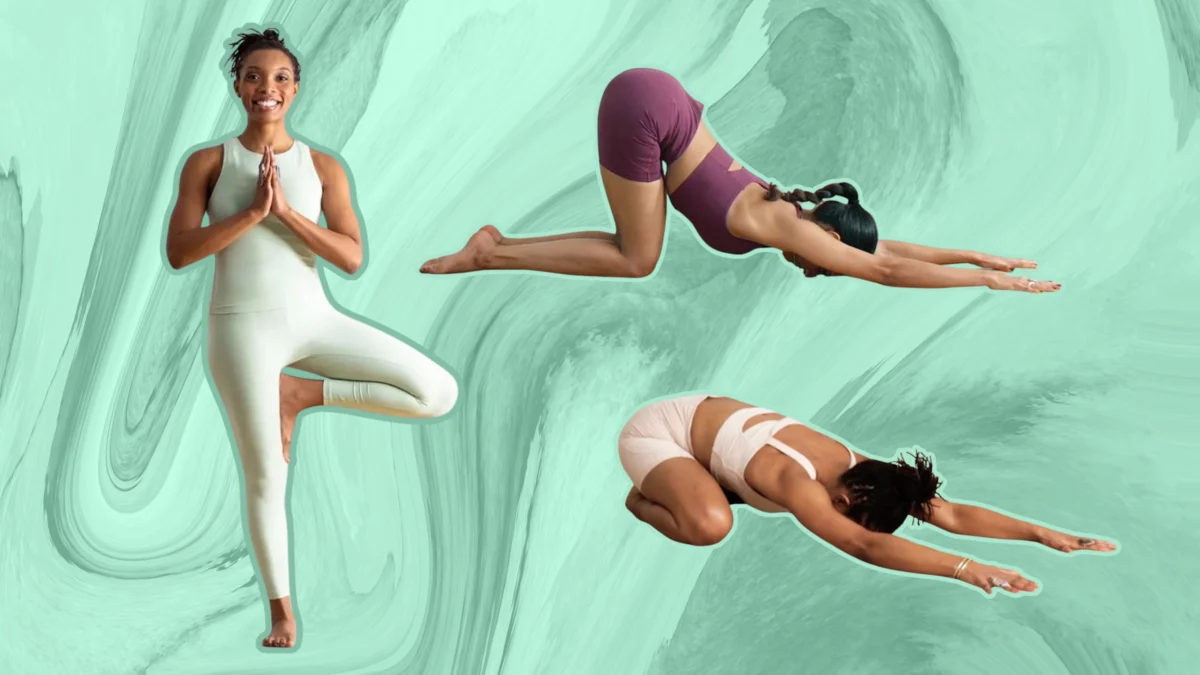
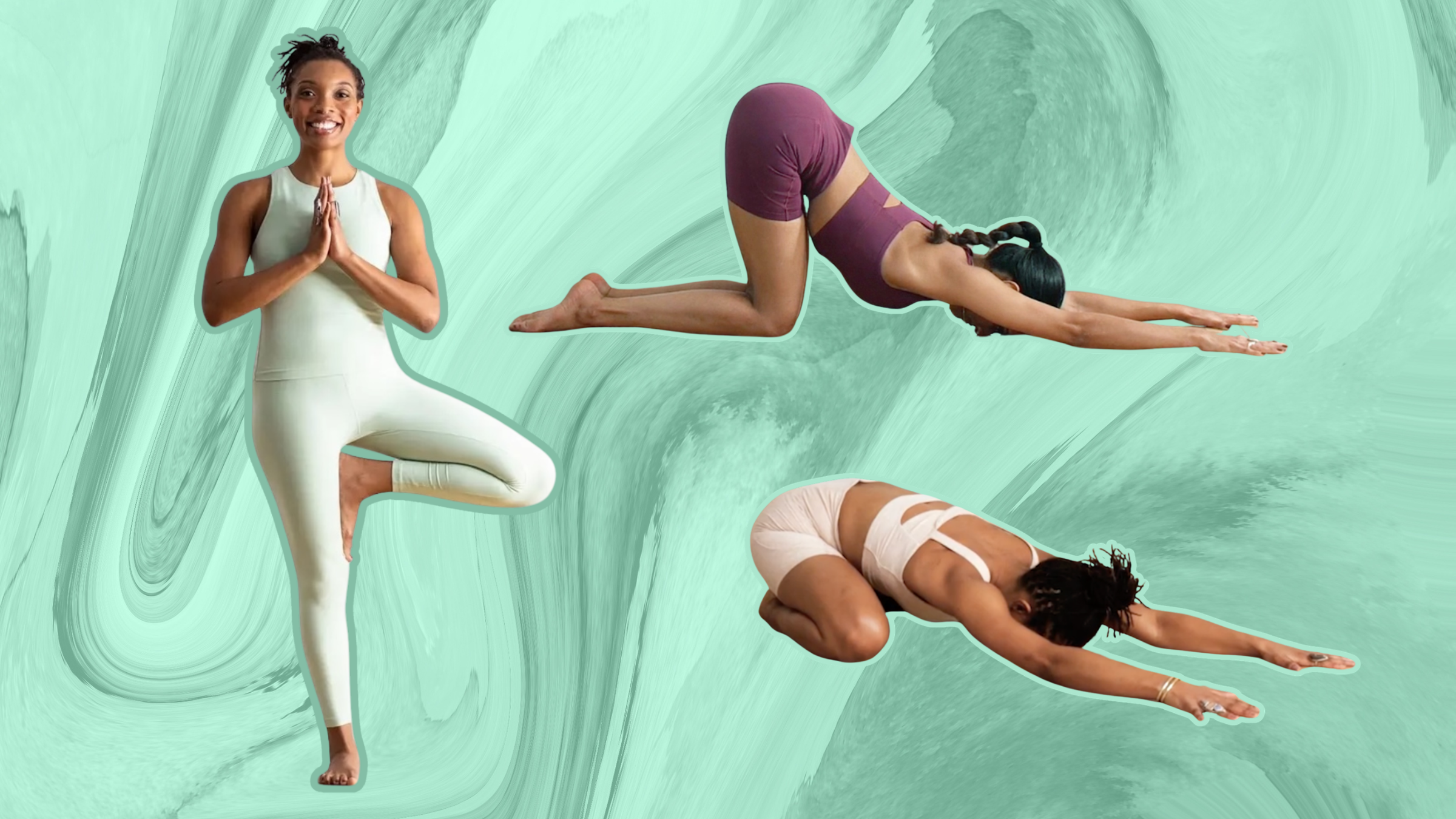
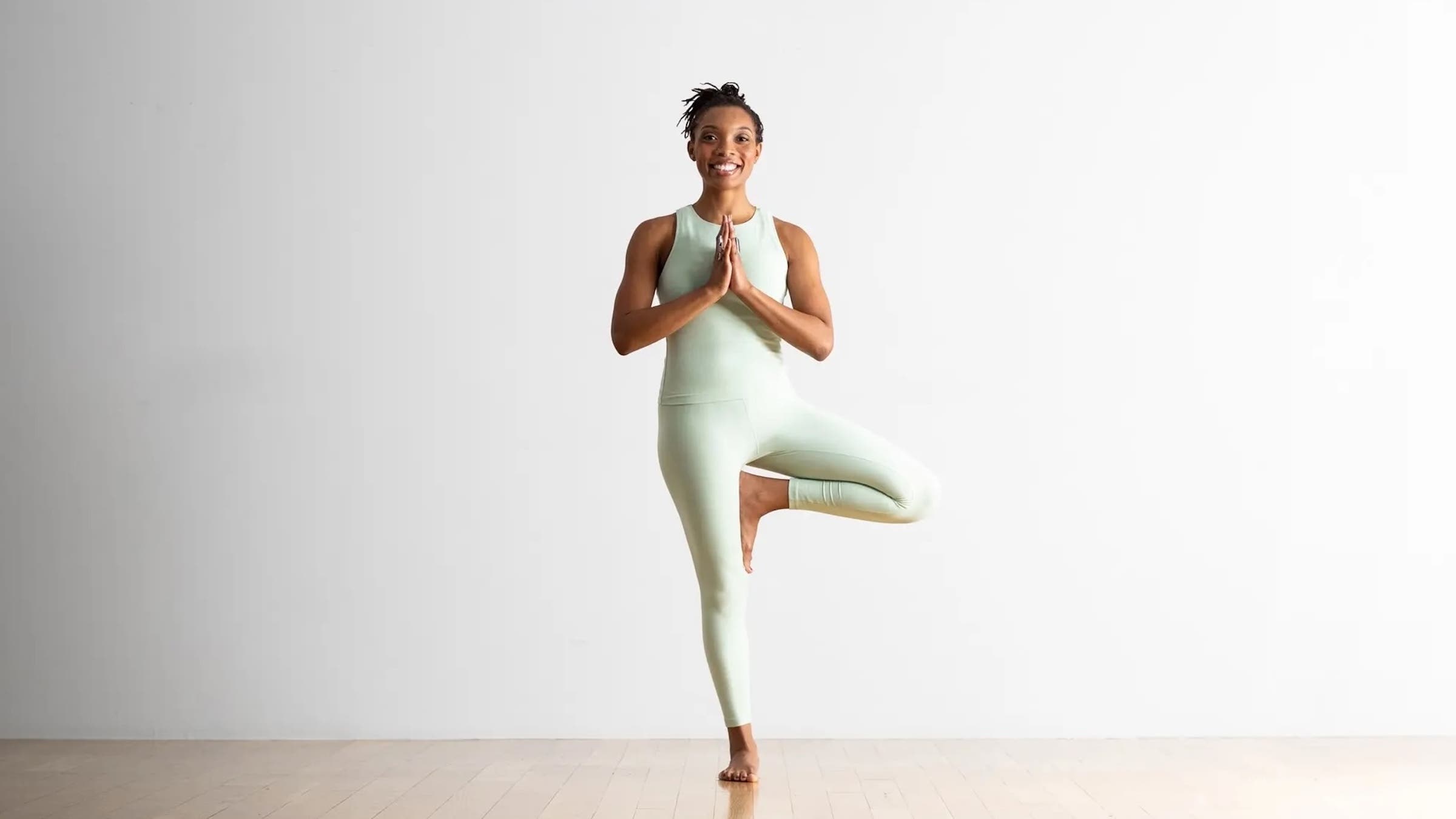
1. Tree Pose (Vrksasana)
Anxiety often causes us to feel unmoored or "in our heads." Tree Pose challenges this by requiring intense focus and balance. By standing on one leg and fixing your gaze on a single, non-moving point (drishti), you force your brain to transition from multitasking to singular attention.
- The Benefit: The act of balancing creates a physical disruption to your mental narrative. Even if you wobble, the necessity of re-centering brings you firmly back into the present moment.
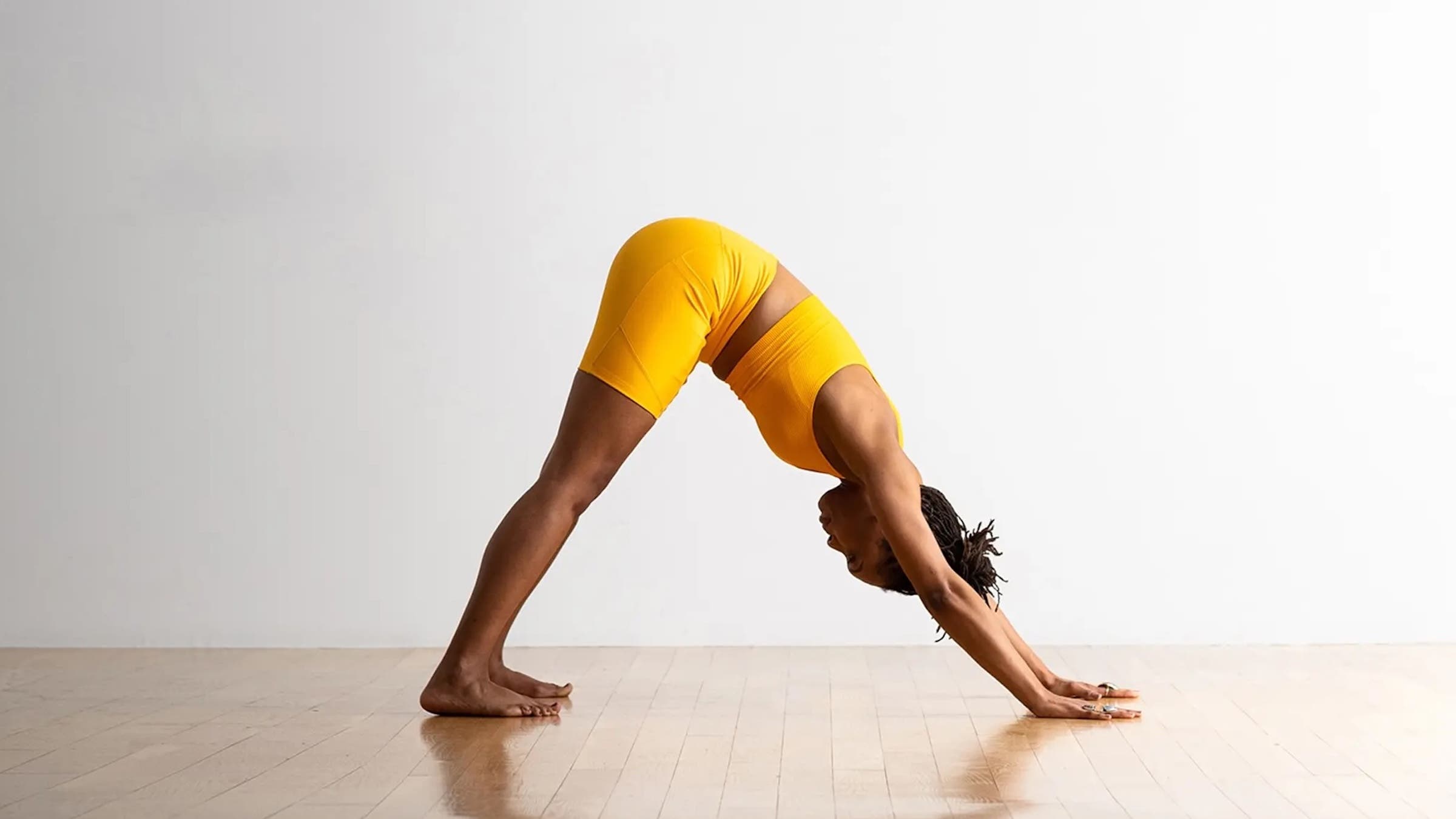
2. Downward-Facing Dog (Adho Mukha Svanasana)
Often considered the "reset button" of yoga, this inversion is powerful for shifting perspective—literally and figuratively.
- The Benefit: By placing the head below the heart, you stimulate the vagus nerve, which helps activate the parasympathetic nervous system. The inverted shape encourages blood flow to the brain, helping to clear the cognitive fog that often accompanies anxious rumination.
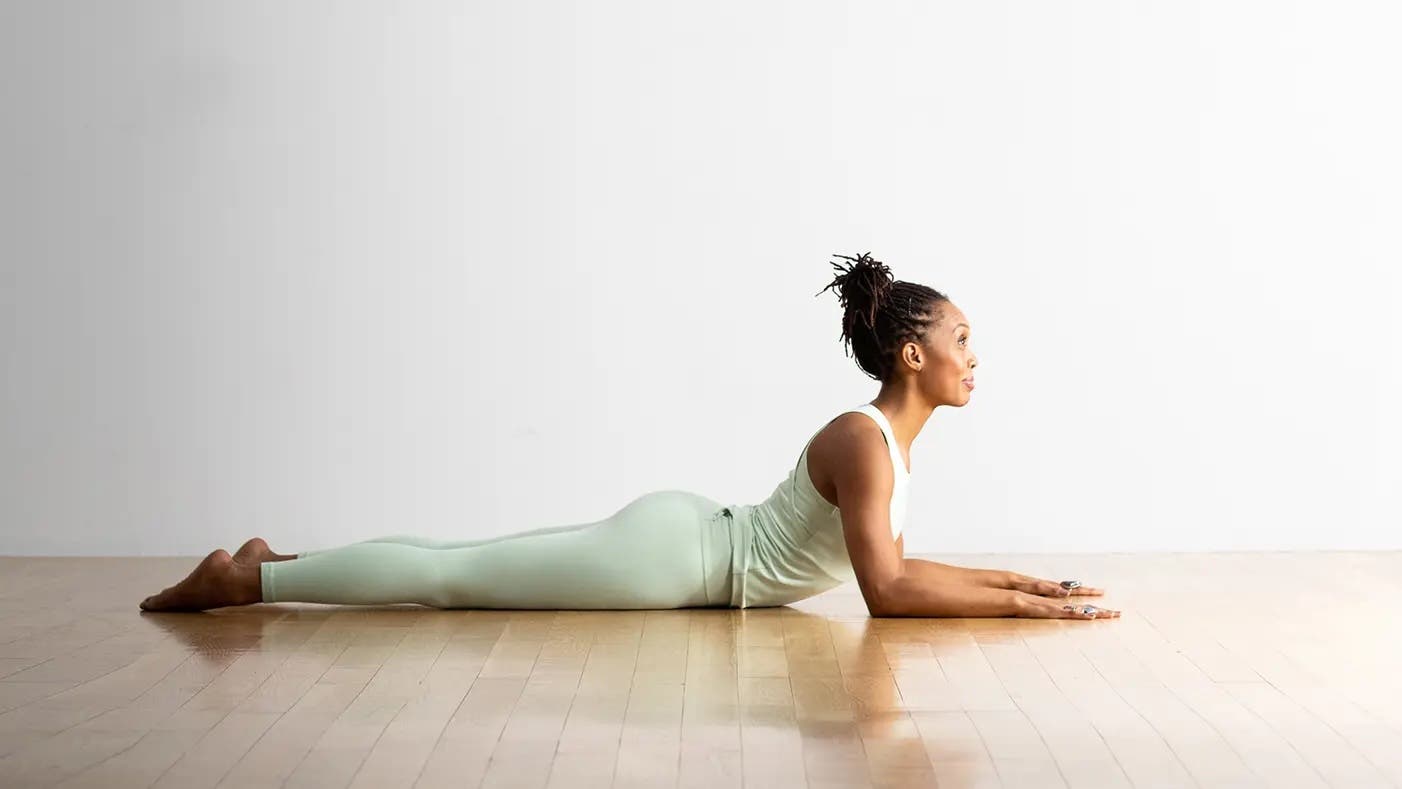
3. Sphinx Pose (Salamba Bhujangasana)
Anxiety often leads to a "protective" physical posture: hunched shoulders, a collapsed chest, and shallow breathing. Sphinx Pose gently reverses this.
- The Benefit: This pose opens the heart center and stretches the abdominal muscles without the intensity of a deeper backbend. It encourages deep, diaphragmatic breathing, which is physiologically impossible to perform while in a state of high-alert panic.
4. Bridge Pose (Setu Bandhasana)
Bridge Pose is an active yet soothing posture that expands the chest and lungs.
- The Benefit: Beyond its ability to strengthen the back and legs, the chest-opening nature of the pose allows for a greater volume of oxygen intake. Increased oxygenation helps to stabilize the heart rate, effectively counteracting the physical sensation of "breathlessness" that often signals the onset of anxiety.
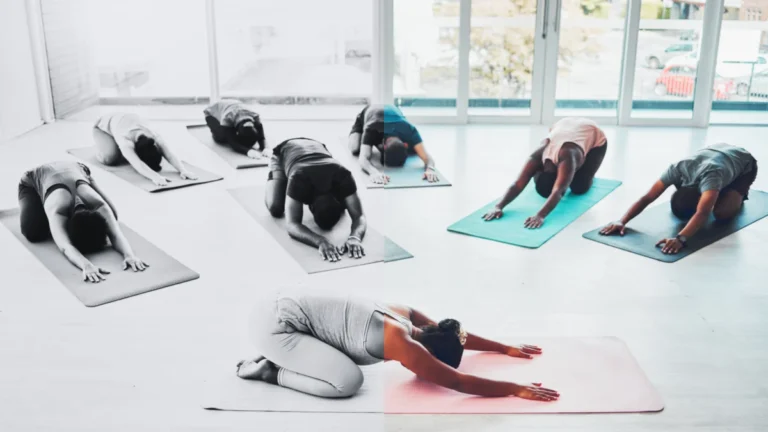
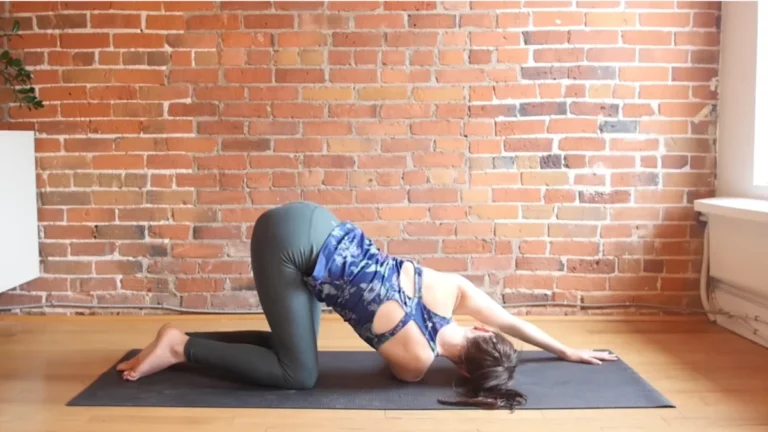
5. Child’s Pose (Balasana)
When the world feels too loud, Child’s Pose offers a cocoon of safety. It is the ultimate posture of surrender.
- The Benefit: By bringing the forehead to the mat, you provide a sensory input that tells the brain it is time to quiet down. This pose reduces the stimulation of the senses, allowing the nervous system to transition from an external-focused state to an internal, meditative state.
Supporting Data: Why "Mindful Movement" Matters
The clinical consensus is shifting toward viewing yoga not as an alternative to professional therapy, but as a complementary "lifestyle medicine." Studies consistently show that yoga lowers levels of salivary cortisol and increases heart rate variability (HRV)—a key metric for stress resilience.
Furthermore, the "meditative vibe" mentioned in clinical literature refers to the cognitive shift from ruminating (focusing on past regrets or future fears) to observing (noticing sensations in the body as they are). This cognitive distancing is a foundational pillar of Cognitive Behavioral Therapy (CBT), suggesting that yoga serves as a physical enactment of psychological grounding techniques.
Official Perspectives: The Role of Professionals
Psychologists and wellness experts increasingly suggest that patients "build a toolkit" of coping mechanisms. For individuals dealing with chronic anxiety, a yoga practice is often recommended alongside professional counseling.
"The goal isn’t to force the mind to stop thinking," says one wellness instructor. "The goal is to change your relationship with those thoughts. By focusing on the placement of a foot in Tree Pose or the expansion of the ribs in Bridge Pose, you aren’t ignoring your anxiety—you are simply creating enough space around it so that it no longer dictates your reality."
Implications: Moving Toward a Holistic Approach
The implication of integrating these practices is profound. When we rely solely on internal dialogue to combat anxiety, we often find ourselves trapped in a loop where the "thinker" is also the "worrier." By introducing the body as a third party, we break that loop.
Yoga provides a structured, predictable environment. In a life that often feels chaotic and unpredictable, the mat becomes a sanctuary where the rules are clear: breathe, move, and observe. Over time, the lessons learned on the mat—that we can survive a wobble, that we can find breath in a stretch, and that we can always return to a resting pose—begin to permeate our daily lives.
As you embark on this personal pursuit of calm, remember that yoga is not about achieving the "perfect" shape or reaching a state of total enlightenment. It is about the subtle, cumulative process of coming back to yourself. Whether you have five minutes or an hour, the practice is always there, waiting to help you navigate the storm.
Disclaimer: While yoga is a powerful tool for wellness, it should not replace professional medical advice, diagnosis, or treatment for anxiety disorders. If you are experiencing severe symptoms, please consult with a mental health professional.