



Introduction: A New Frontier in Public Health
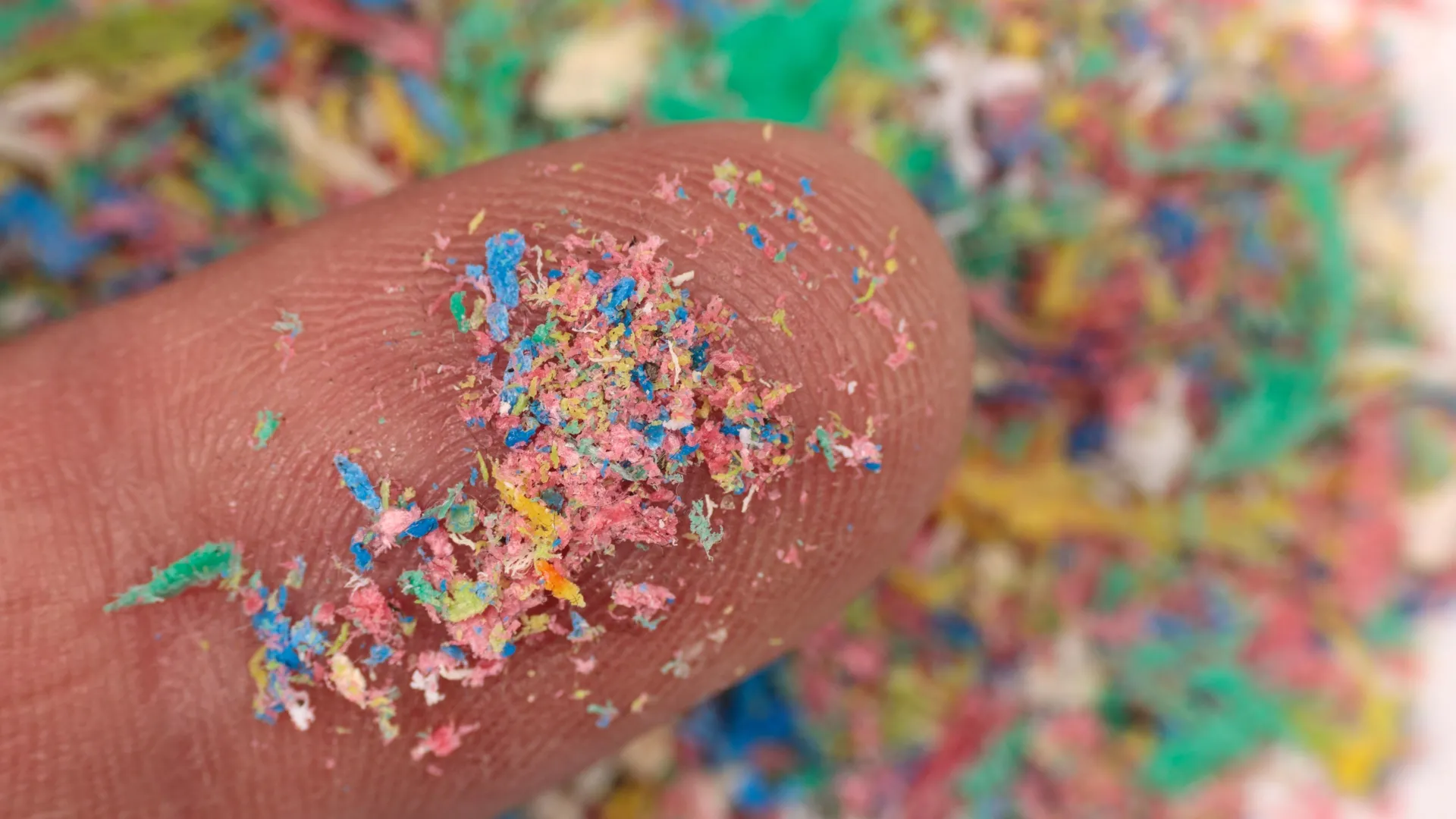
The global concern surrounding plastic pollution has traditionally focused on the visible impact—oceans choked with debris and landfills overflowing with non-biodegradable waste. However, a silent, more insidious threat has emerged: nanoplastics. These ultrafine particles, measuring less than one micrometer in diameter, have infiltrated every corner of the biosphere, including our food, water, and ultimately, our bodies.
In a groundbreaking development that bridges the gap between traditional food science and cutting-edge biotechnology, the World Institute of Kimchi (WiKim), under the Ministry of Science and ICT, has announced a discovery that could change how we approach internal detoxification. Researchers have identified a specific strain of lactic acid bacterium, Leuconostoc mesenteroides CBA3656, isolated from the Korean national staple, kimchi, which possesses a unique capability: it can bind to nanoplastics in the human intestine and facilitate their removal from the body.
The Silent Crisis: Understanding Nanoplastics
Nanoplastics (NPs) are the final degradation products of larger plastic waste. Because they are smaller than 1,000 nanometers, they possess the physical properties required to bypass the natural defenses of the human body. Unlike microplastics, which are often excreted, nanoplastics can cross the epithelial barrier of the gastrointestinal tract, entering the bloodstream and potentially translocating to vital organs, including the liver, kidneys, and the brain.
The health implications of such accumulation are only beginning to be understood, but early research suggests a link to inflammatory responses, oxidative stress, and potential cellular toxicity. As human exposure through the ingestion of water, salt, seafood, and even agricultural products increases, the scientific community has been racing to find biological strategies to mitigate these risks. Until now, strategies to reduce nanoplastic burden within the digestive system have been largely theoretical or in nascent stages of development.
Chronology of the Research
The discovery of Leuconostoc mesenteroides CBA3656 did not occur overnight. It is the result of a multi-year, systematic investigation into the microbial diversity of fermented foods.
- Phase I: Screening and Isolation (Early 2022): The WiKim research team, led by Drs. Se Hee Lee and Tae Woong Whon, began by screening various lactic acid bacteria (LAB) isolated from diverse kimchi samples. The goal was to identify strains with high surface-binding capacities, a trait often associated with the ability of probiotics to interact with environmental toxins.
- Phase II: Initial In Vitro Testing (Late 2022): The team evaluated several candidate strains against polystyrene nanoplastics (PS-NPs) under standard laboratory conditions. The strain CBA3656 emerged as a top performer, exhibiting an 87% adsorption efficiency.
- Phase III: Simulated Intestinal Modeling (2023): Recognizing that a laboratory beaker is not the human body, the researchers subjected the bacteria to a "simulated intestinal environment." This environment mimics the pH levels, bile salts, and digestive enzymes found in the human GI tract. It was here that the true potential of CBA3656 was validated.
- Phase IV: In Vivo Verification (2024): The final stage involved a germ-free mouse model. By administering the bacteria and tracking the excretion of nanoplastics, the team confirmed that the lab results held true in a living organism.
Supporting Data: Why CBA3656 Stands Out
The most compelling evidence for the efficacy of Leuconostoc mesenteroides CBA3656 lies in its resilience. In initial tests, the team compared CBA3656 with a reference strain, Latilactobacillus sakei CBA3608. Both strains performed admirably under standard conditions, with the reference strain achieving 85% adsorption compared to the 87% of CBA3656.
However, the disparity became stark when researchers introduced the variables of the human digestive system.
- The Reference Strain Collapse: Under simulated intestinal conditions, the adsorption rate of L. sakei CBA3608 plummeted from 85% to a mere 3%. This suggests that the hostile, acidic, and enzyme-rich environment of the gut effectively denatures or inhibits the binding mechanisms of standard probiotics.
- The CBA3656 Resilience: In contrast, Leuconostoc mesenteroides CBA3656 maintained an adsorption efficiency of 57%. This nearly 20-fold difference indicates that the kimchi-derived strain possesses a robust surface structure capable of maintaining its functional integrity even under physiological stress.
The animal experiments provided the final, undeniable proof. In germ-free mice fed a diet containing PS-NPs, those supplemented with CBA3656 showed a more than two-fold increase in the amount of nanoplastics recovered in their feces compared to the control group. This indicates that the bacteria acted as a "molecular magnet," binding to the particles and ushering them through the digestive tract to be excreted, rather than allowing them to be absorbed into the systemic circulation.
Official Responses and Expert Commentary
Dr. Se Hee Lee, the lead researcher of the study, emphasized the dual nature of this discovery: it is both an environmental triumph and a health-focused innovation.
"Plastic pollution is increasingly recognized not only as an environmental issue but also as a public health concern," Dr. Lee stated in an official press release. "Our findings suggest that microorganisms derived from traditional fermented foods could represent a new biological approach to address this emerging challenge."
The World Institute of Kimchi, under the leadership of President Hae Choon Chang, has expressed a commitment to continuing this line of inquiry. The institute views this not just as a one-off study, but as a validation of the "functional potential" of kimchi. By treating kimchi not just as a food, but as a repository of beneficial microbial resources, the institute aims to provide scalable solutions for modern environmental toxicity.
"We will continue to expand the scientific value of kimchi microbial resources to contribute to public health and environmental solutions," Dr. Lee added. The research is expected to pave the way for functional food products or dietary supplements designed specifically to assist the body in mitigating the ingestion of micro- and nanoplastics.
Implications: Beyond the Laboratory
The implications of this research are far-reaching.
1. A New Paradigm for Probiotics
Traditionally, probiotics are consumed for their benefits to gut health, immune support, and digestive regularity. The discovery that a probiotic can also serve as a "detoxifying agent" for synthetic environmental pollutants adds a significant dimension to the field of nutraceuticals. It suggests that our diet could play a proactive role in defending our internal organs against the byproducts of industrial civilization.
2. Scaling the Solution
While the current findings are focused on Leuconostoc mesenteroides CBA3656, the success of this research invites broader investigation. Are there other strains in the diverse microbiome of fermented foods that possess even higher binding affinities? Could these bacteria be incorporated into daily diets or standardized supplements to provide a baseline defense for populations living in areas with high levels of plastic pollution?
3. Public Health Policy
As regulatory bodies worldwide grapple with how to monitor and limit nanoplastic exposure, this research offers a different approach. Rather than focusing solely on the impossible task of removing all nanoplastics from the environment, we can focus on building biological resilience within the population. If a simple, fermented food-based intervention can safely increase the excretion of these particles, it could significantly reduce the long-term health burden on the public.
Conclusion: The Wisdom of Tradition
There is a poetic irony in the fact that a traditional food, crafted through centuries of culinary evolution, might hold the key to combating one of the most modern and pervasive threats to human health. Kimchi has long been praised for its probiotic content, but the work of the World Institute of Kimchi elevates it to a tool of modern environmental medicine.
While the research team is cautious to note that further clinical trials are necessary before recommending specific dietary protocols for humans, the evidence is robust. Leuconostoc mesenteroides CBA3656 is a testament to the fact that the answers to 21st-century problems may not always be found in synthetic chemistry, but sometimes in the time-tested biology of our ancestors. As the global scientific community continues to explore the hidden dangers of the nanoplastic age, the humble kimchi bacterium stands as a promising, natural ally in the preservation of human health.