Date: May 15, 2026
Subject: Global Respiratory Patient Organisation Updates
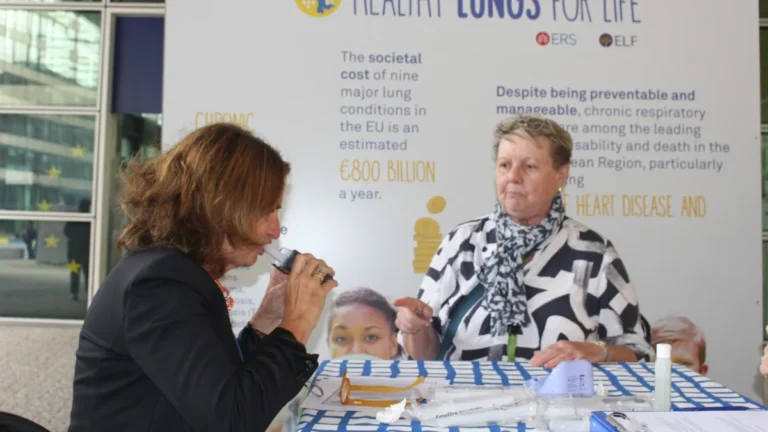
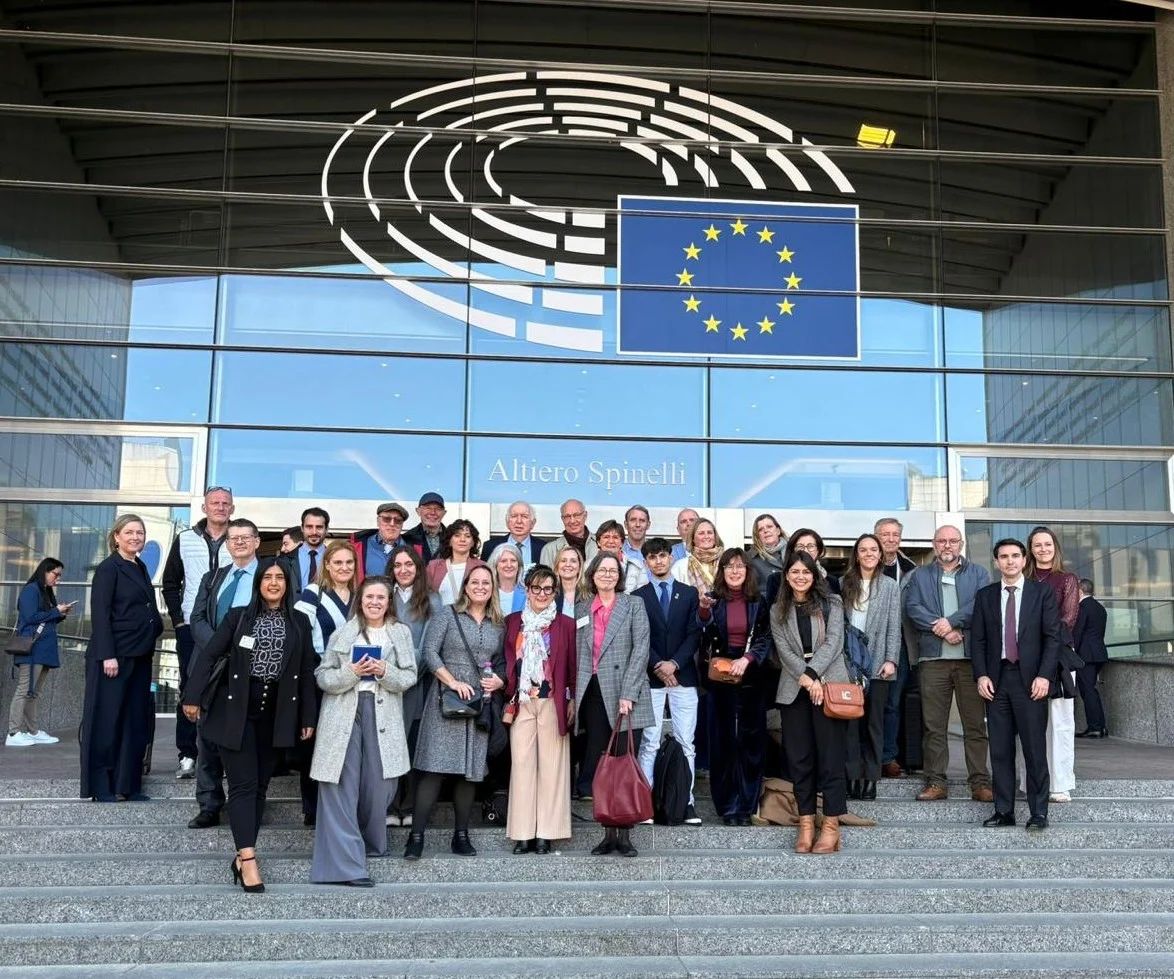
The landscape of global respiratory care is undergoing a transformative shift. Throughout May 2026, patient organisations across the world have mobilized, not only to raise awareness for chronic lung conditions but to actively influence policy, foster scientific innovation, and provide essential support to millions living with respiratory challenges. From the halls of the European Parliament to local community outreach in Mumbai, the collective efforts of these organizations demonstrate the vital role of the patient voice in shaping the future of health.
I. Main Facts: A Global Movement in Action
The month of May has been defined by a concerted effort to bridge the gap between patient experience and clinical practice. Across Europe, Asia, and North America, patient advocacy groups have launched campaigns targeting the most critical issues in respiratory health: equitable access to diagnosis, the integration of new technologies, and the necessity of community-based support.
Key highlights from this month’s activity include:
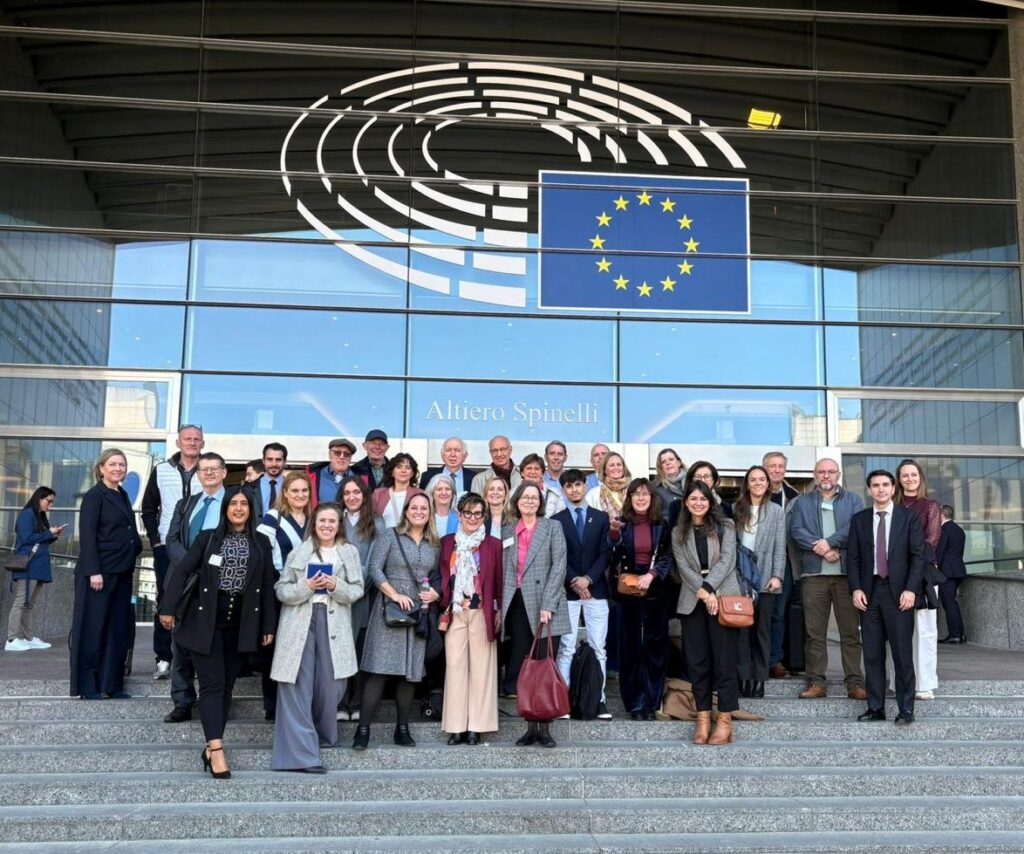
- Policy Advocacy: The Alpha-1 Europe Alliance has taken a definitive step toward systemic change by presenting a six-point call to action at the European Parliament.
- Clinical Innovation: Research funding and scientific collaboration are being driven by patient-led initiatives, such as the SarcoidosisUK Research Innovation Award.
- Public Awareness: World Asthma Day (May 2026) served as a catalyst for dozens of educational webinars, screening events, and virtual forums across multiple continents.
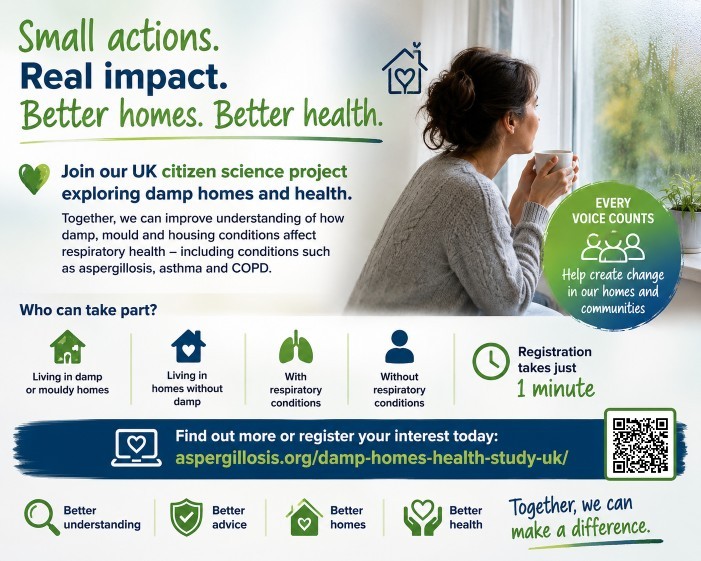
- Environmental Health: Citizen science projects, such as the National Aspergillosis Centre’s damp-housing initiative, are highlighting the critical intersection between social determinants of health and respiratory outcomes.
II. Chronology of Events: A Month of Milestones
The advocacy calendar for May 2026 was packed with high-impact events. Below is a timeline of key activities reported by our network:
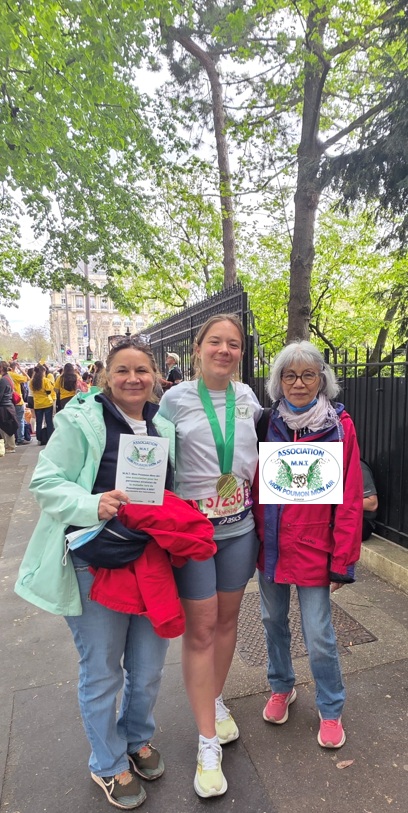
- April 12: Association MNT Mon Poumon Mon Air participated in the Schneider Electric Marathon de Paris, turning the race into a platform for NTM (non-tuberculous mycobacterial) disease awareness.
- April 25: Alfa-1 España executed a massive awareness campaign across 12 Spanish hospitals, providing on-site information and genetic testing.
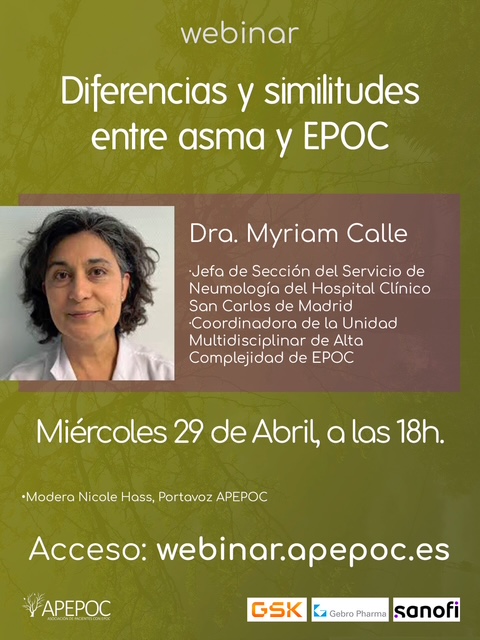
- May 5: INSPIRAT (Colombia) hosted a comprehensive World Asthma Day webinar, launching their "Entusiasmados por vivir" campaign.
- Mid-May: Alpha1 Deutschland e.V. marked a major milestone, celebrating 25 years of existence with an Information Day attended by 200 participants in Bad Wildungen.
- May 22–24: Alfa-1 Norden launched their regional series of family weekends, starting in Gothenburg, Sweden, to foster Nordic cross-border support.
- July 12–25 (Upcoming): Respiriamo Insieme is set to host their "Let’s Breathe the Mountain Together" camp, a therapeutic initiative for young patients.
- July 30 (Upcoming): The Global Foundation for the Care of Newborn Infants (GFCNI) will host a pre-congress webinar ahead of the European Respiratory Society (ERS) Congress.
III. Supporting Data: The Evidence Behind the Advocacy
Advocacy in 2026 is increasingly data-driven. Organizations are not just calling for change; they are providing the evidence to justify it.
The AATD Crisis
The Alpha-1 Europe Alliance has identified that despite Alpha-1 antitrypsin deficiency (AATD) being one of the most common inherited respiratory conditions, diagnosis rates remain unacceptably low. Their six-point proposal emphasizes that standardizing care across borders is the only way to address current disparities in plasma supply and treatment access.
The Burden of Inequality
The Canadian Pulmonary Fibrosis Foundation (CPFF) recently published survey results highlighting a "postal code lottery" for oxygen therapy. Their data shows that reimbursement and access to oxygen equipment fluctuate significantly based on provincial geography, leaving many vulnerable patients without the life-sustaining support they require.
Technological Screening
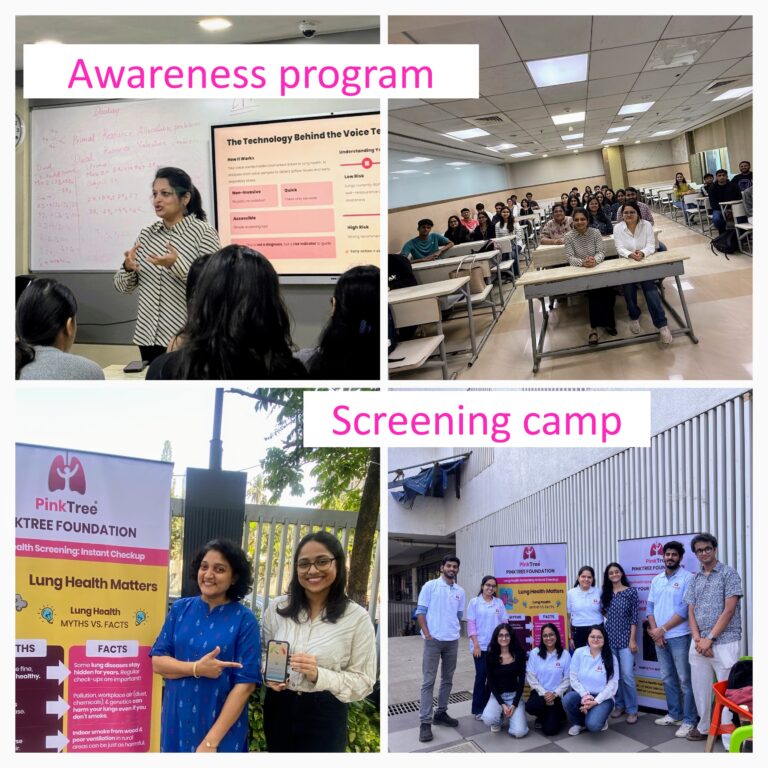
The Pink Tree Foundation’s recent initiative at the NMIMS campus in Mumbai utilized AI-based voice analysis for respiratory risk screening. Among the 75 participants, the discovery of high levels of previously unreported symptoms—coupled with low historical screening rates—underscores a massive, untapped need for early detection technology in academic and workplace settings.
IV. Official Responses and Advocacy Positions
The strength of these organizations lies in their ability to unite patients, clinicians, and researchers.
Addressing Structural Gaps
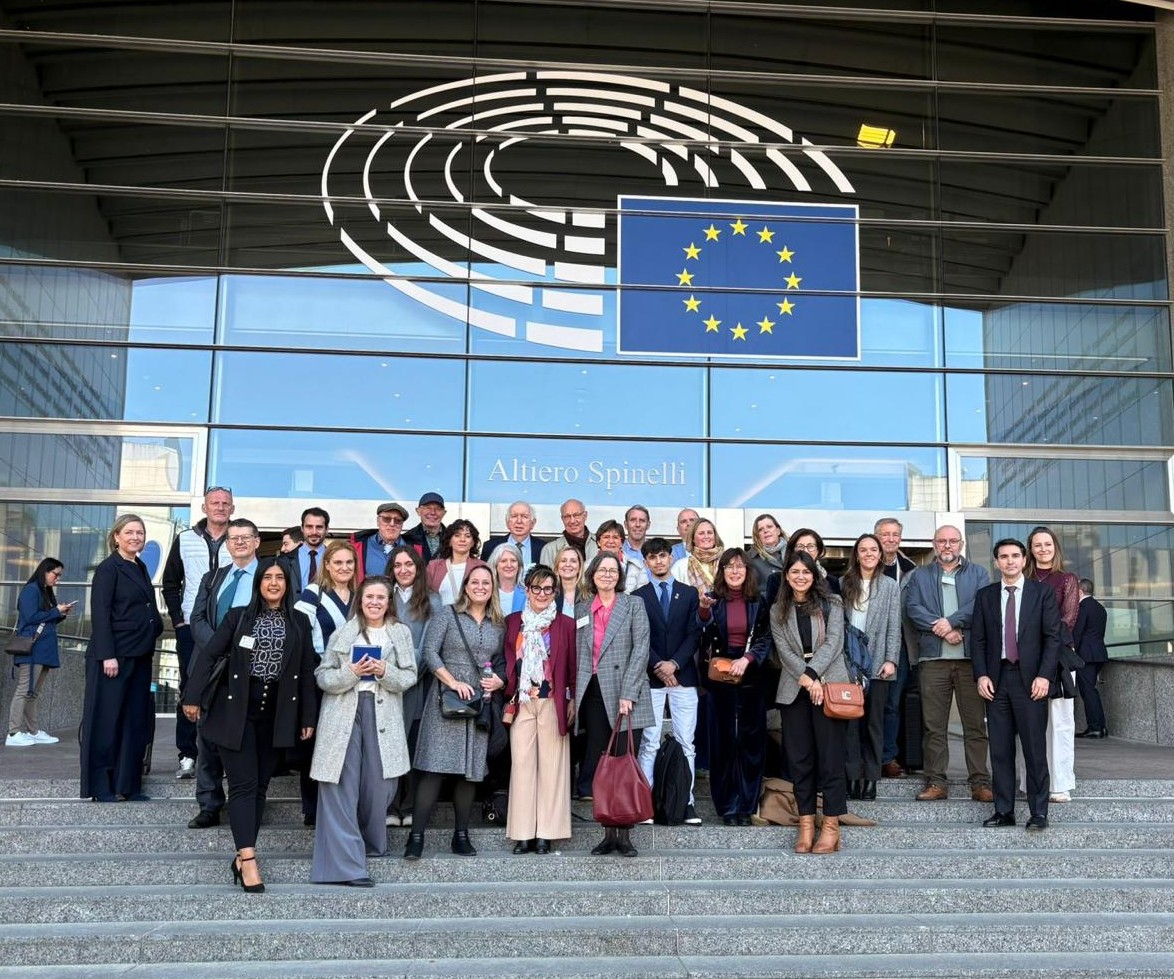
At the European Parliament, Alpha-1 Europe Alliance President Fernanda Aspilche Ferro emphasized that "equitable access is not a privilege, but a fundamental right." The Alliance’s call to action seeks to dismantle the bureaucratic barriers that prevent early diagnosis. By lobbying for standardized European-wide protocols, they aim to ensure that a patient’s location does not determine their prognosis.
The Role of Education
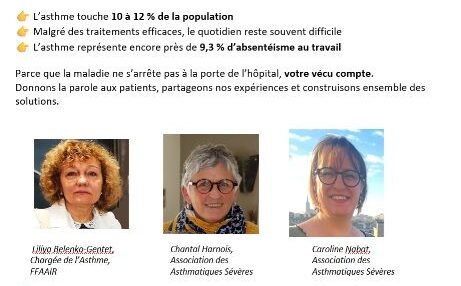
In France, the FFAAIR "Asthma Café" sessions have identified a surprising lack of knowledge among both healthcare professionals and the public regarding severe asthma. Their advocacy highlights that patient organizations are currently filling a void in education that traditional healthcare systems have failed to address.
Research and Innovation
SarcoidosisUK’s decision to award Dr. Claire Rice nearly £60,000 for her work on cell-free DNA biomarkers in tears is a strategic investment. By moving away from invasive biopsies and toward non-invasive testing, the patient organization is directly influencing the standard of care to prioritize patient comfort and long-term quality of life.
V. Implications: What Lies Ahead for Respiratory Care
The events of May 2026 signal a broader trend: the transition of patient organizations from passive support groups to active stakeholders in medical research and public health policy.
The Shift Toward "Patient-Centric" Research
The collaboration between the GFCNI and the ERS Congress indicates that the "expert by experience" is now a permanent fixture at the highest levels of medical conferences. The upcoming July 30 webinar on partnerships between families and researchers represents a shift toward co-designing medical solutions, ensuring that research goals align with the real-world needs of families.
Environmental Determinants of Health
The National Aspergillosis Centre’s focus on damp, mouldy homes recognizes that clinical care is ineffective if the patient’s home environment continues to trigger their disease. This move into "citizen science" suggests that respiratory health in the late 2020s will increasingly involve advocacy for housing standards and urban air quality.
Resilience in Challenging Times
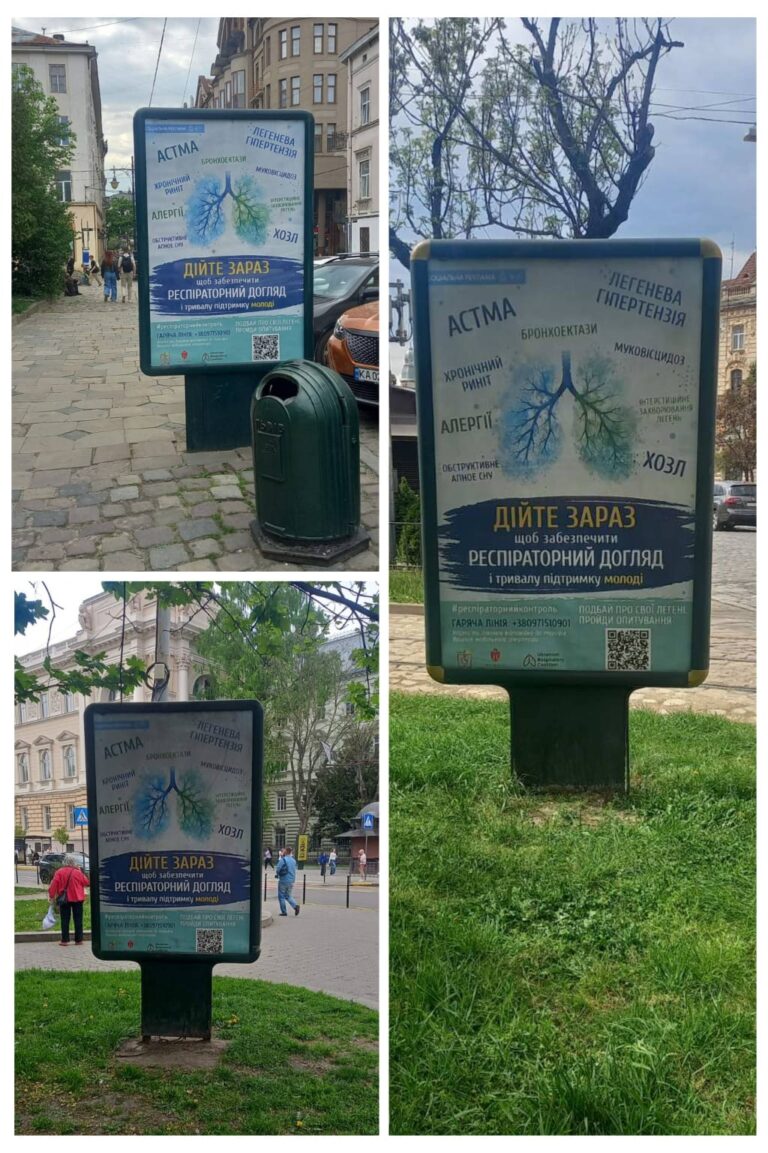
Perhaps most notably, the work of PHURDA in Ukraine serves as a poignant reminder of the resilience of patient communities. By navigating the dual challenges of wartime logistics and the need for continuous care in asthma and pulmonary hypertension, they have demonstrated that digital consultations and community-led support networks are essential infrastructure in a volatile world.
Conclusion
As we move toward the summer of 2026, the message from the global patient network is clear: respiratory health is a complex, multifaceted challenge that requires collaboration across borders, disciplines, and sectors. Whether through the celebration of a 25-year legacy like Alpha1 Deutschland, or the cutting-edge AI screenings of the Pink Tree Foundation, these organizations are proving that when patients lead, progress follows.
Stay Connected
The fight for better respiratory health is ongoing. To remain informed about these initiatives, research breakthroughs, and upcoming international campaigns, we encourage all stakeholders to join our mailing list. Your engagement powers our advocacy. Together, we are ensuring that every breath counts.
For more information on the initiatives mentioned, please visit the official websites of the respective patient organisations or the European Lung Foundation.