As the midpoint of 2026 approaches, the landscape of public health in the United States remains a complex tapestry of high-stakes administrative tension, evolving epidemiological data, and shifting socioeconomic paradigms. From the halls of the Department of Health and Human Services (HHS) to the nuances of global food policy, the following report synthesizes the most pressing developments in health and medicine, offering an in-depth analysis of the promises, failures, and scientific breakthroughs currently shaping the national conversation.
The Transparency Gap: HHS and the Mystery of the Public Calendar
At the center of contemporary health policy scrutiny is Secretary Robert F. Kennedy Jr., whose tenure has been defined by a stark divergence between his stated philosophy of "radical transparency" and the practical reality of departmental operations.
Chronology of a Failed Commitment
For over 16 months, the Department of Health and Human Services has been the subject of mounting criticism regarding its accessibility. Despite Kennedy’s recent assertion on Wednesday that his "publicly available calendar" stands as a testament to his commitment to transparency and a defensive measure against "unfavorable reporting," the document remains, for all intents and purposes, invisible.
The timeline of this friction is extensive:
- Early 2025: Secretary Kennedy assumes office, pledging an era of unprecedented openness within the federal health bureaucracy.
- Mid-2025: STAT and other news organizations begin filing formal Freedom of Information Act (FOIA) requests for the calendars of Kennedy and his principal deputy chief of staff, Stefanie Spear.
- Late 2025 to Present: Requests are met with delays, administrative roadblocks, and, in some instances, a total lack of responsiveness.
Implications of Administrative Secrecy
The implications of this opacity are significant. The department has faced multiple lawsuits concerning its failure to adhere to transparency mandates. Furthermore, the agency has seen a reduction in personnel tasked with handling FOIA requests, a move that critics argue is designed to suppress information rather than streamline operations. Kennedy himself has acknowledged that the department maintains a "blacklist" of journalists whose work is deemed unfavorable, a practice that raises fundamental questions about the intersection of public office and the freedom of the press. Lawmakers on both sides of the aisle have expressed frustration, noting that even formal congressional inquiries into departmental activities often go unanswered.
Promises vs. Performance: Tracking the ‘MAHA’ Agenda
When Secretary Kennedy assumed office, he presented a sweeping vision for the nation’s health, encapsulated in a series of ambitious policy goals. However, a rigorous tracking of these pledges reveals a disjointed record.
Supporting Data on Policy Execution
Data compiled by STAT researchers suggests that of the 80 specific policy promises tracked over the past 16 months, only about two dozen have been fully realized or are currently making meaningful progress. The remaining majority of these pledges have either been abandoned, stalled, or left in a state of administrative limbo.
The areas of focus were broad, ranging from:
- Hospital Price Transparency: Attempts to standardize billing and reveal costs to the consumer.
- Pharmaceutical Regulation: Initiatives to import sunscreens from international markets and strategies to repurpose existing, FDA-approved drugs for new therapeutic indications.
- Nutritional Reform: Efforts to mandate nutritional education in medical curricula and improve the quality of food provided in hospital settings.
The disparity between the campaign-style rhetoric and the regulatory output suggests that the administrative machinery of the federal government has proved more resistant to change than the Secretary’s initial projections accounted for.
Global Insights: Chile’s War on Obesity
While the U.S. struggles with its internal policy goals, international precedents offer a blueprint for success in public health interventions. A new analysis published in The Lancet provides compelling evidence regarding the efficacy of Chile’s aggressive food labeling laws.
The Mechanism of Change
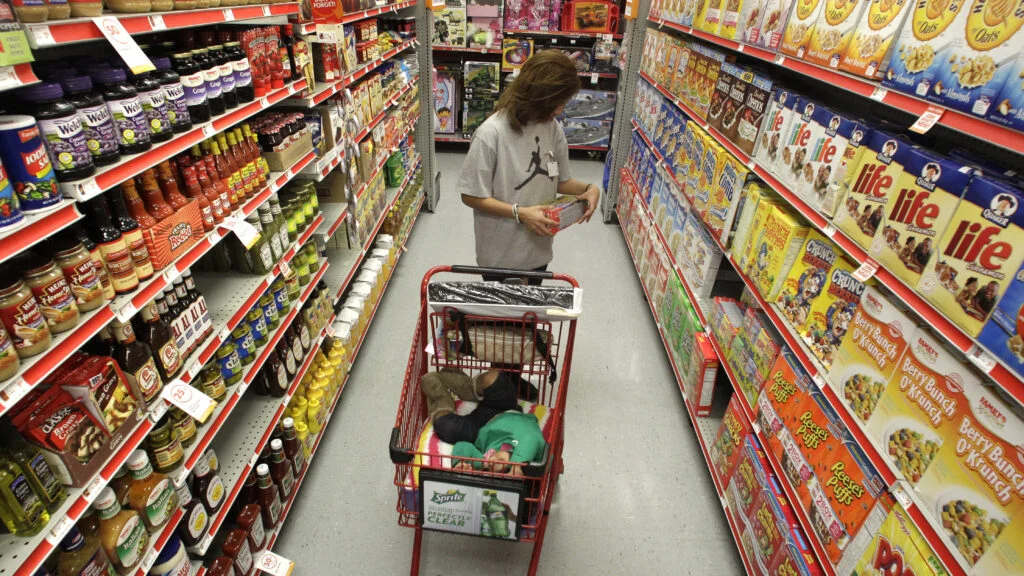
Implemented in 2016, Chile’s regulations are widely regarded as the world’s most comprehensive effort to combat childhood obesity through legislative intervention. The policy mandates the use of black, octagonal warning labels on all packaged foods high in saturated fats, sodium, sugars, and calories.
Impact and Statistical Significance
The data from the 18-month post-implementation window is striking:
- Reduction in Obesity Risk: Girls ages 4 to 6 saw a 2.9% decrease in the risk of being classified as overweight or obese. Boys in the same age group saw a 2.4% reduction.
- Scope: The study analyzed data from over 300,000 children, underscoring the statistical weight of the findings.
- Future Projections: Researchers expect that subsequent data from 2018 and 2019—which will reflect even stricter enforcement of the labeling laws—will demonstrate an even more profound impact on the nation’s health trajectory.
Nieves Valdes, an economics researcher and co-author of the study, noted that even minor weight reductions at a young age are likely to yield significant long-term health benefits, potentially mitigating the incidence of chronic conditions later in life.
Epidemiological Trends: Alcohol Consumption and Pregnancy
The Centers for Disease Control and Prevention (CDC) recently released data that challenges the common perception that drinking during pregnancy is a relic of the past.
Data and Current Realities
According to national survey data, approximately 15% of pregnant women reported consuming alcohol within the prior 30 days during the 2021–2024 period. This represents an uptick from the 13.5% reported between 2018 and 2020.
Proposed Interventions
Public health experts suggest that the persistence of this trend—which is linked to intellectual disabilities and fetal alcohol spectrum disorders—requires a multifaceted approach. Proposed interventions include:
- Systemic Screening: Integrating routine alcohol and mental health screenings into prenatal care.
- Fiscal Policy: Utilizing alcohol sales taxes and point-of-sale warning signs to discourage consumption.
- Cultural Shifts: Addressing the socioeconomic and mental health stressors that often contribute to substance use during pregnancy.
Socioeconomic Status and the Architecture of the Brain
Perhaps the most intellectually provocative report to emerge this week was published in Science, focusing on the biological impact of socioeconomic status (SES) on childhood brain development.
Findings from Neural Mapping
Analyzing brain scans from nearly 12,000 children (ages 9–10), researchers identified that household income, local poverty levels, and neighborhood-level economic activity account for roughly 16% of the variability in brain function.
The Proxy of Stress and Sleep
The study suggests that SES acts largely as a proxy for environmental stressors, specifically sleep quality and chronic stress levels. The construction of a child’s brain—the delicate process of forming neural connections that facilitate memory, language, and motor control—is an energy-intensive endeavor highly sensitive to the environment.
While the study offers a compelling correlation, experts caution that the relationship between economic status and neurodevelopment is multifactorial. However, the findings provide a clear directive for public health advocates: addressing childhood poverty is not merely an economic or moral imperative, but a neurobiological one.
Conclusion: The Path Forward
The common thread linking these disparate issues—from the lack of transparency in the HHS to the neurological impacts of poverty—is the necessity of data-driven, accountable governance. As the year progresses, the public and the scientific community remain focused on whether federal leadership will move past the stage of rhetoric and begin to deliver on the promises made to improve the American health landscape.
For those seeking to remain informed on these and other developments, the Morning Rounds newsletter continues to provide a daily analysis of the most pertinent news in health and medicine. Whether tracking the progress of policy or interpreting the latest epidemiological findings, the mandate remains the same: to foster a public discourse grounded in transparency, evidence, and a commitment to the wellbeing of the population.