










By Gwendolyn Wu | Sept. 29, 2026
In a legal challenge that strikes at the very heart of the competitive gene-editing sector, Cambridge-based Beam Therapeutics has launched a sweeping lawsuit against Chinese biotech firm YolTech Therapeutics and its U.S. partner, Serapha Bio. The litigation, filed in the U.S. District Court for the District of Massachusetts, accuses the defendants of orchestrating a calculated theft of trade secrets to fast-track a rival therapeutic program. At the center of the dispute is a high-value treatment for Alpha-1 Antitrypsin Deficiency (AATD), a rare genetic condition that has become a primary battlefield for the industry’s most sophisticated base-editing technologies.
The Allegations: A Tale of "Inside" Development
The complaint, filed on September 25, paints a picture of corporate espionage that allegedly took place while the accused party, Zi Jun “Emma” Wang, was still under the employ of Beam. Beam asserts that Wang, who served as a scientist at the company from 2021 to 2022, leveraged her access to sensitive internal databases to seed the creation of YolTech Therapeutics.
According to the legal filing, Beam’s internal digital forensics revealed that during her final months at the company, Wang began accessing vast repositories of data that fell outside the scope of her specific research responsibilities. Beam alleges that Wang engaged in "unauthorized, intensive" data retrieval, often working late nights and weekends to download proprietary research on base editing—a precise gene-editing technique that allows for the alteration of single nucleotides within the DNA sequence.
Beam claims that mere months after her departure, Wang utilized this misappropriated intellectual property to file patent applications on behalf of YolTech. The company argues that this was not merely a case of a former employee taking her skills elsewhere, but a deliberate "theft of investment" intended to bypass years of R&D and hundreds of millions of dollars in capital expenditure.
Chronology of a Conflict
The timeline presented by Beam suggests a meticulously planned exit:
- 2021–2022: Zi Jun “Emma” Wang is employed as a scientist at Beam Therapeutics in Massachusetts.
- Late 2022: Beam alleges that Wang begins accessing proprietary data outside her scope of work while simultaneously laying the groundwork for YolTech in China.
- Post-Departure (2023): Wang leaves Beam and officially moves to advance YolTech, filing patent applications that Beam claims are rooted in its own confidential trade secrets.
- 2025–2026: YolTech establishes a partnership with Serapha Bio, licensing the AATD program codenamed "SERP-01."
- June 2026: Serapha Bio announces its intent to go public via a reverse merger, buoyed by $230 million in venture capital from major industry players like RA Capital Management and RTW Investments.
- September 2026: Beam files its lawsuit in Massachusetts, seeking to halt the development of SERP-01 and recover damages for the alleged misappropriation of its assets.
The Science: Base Editing and the AATD Market
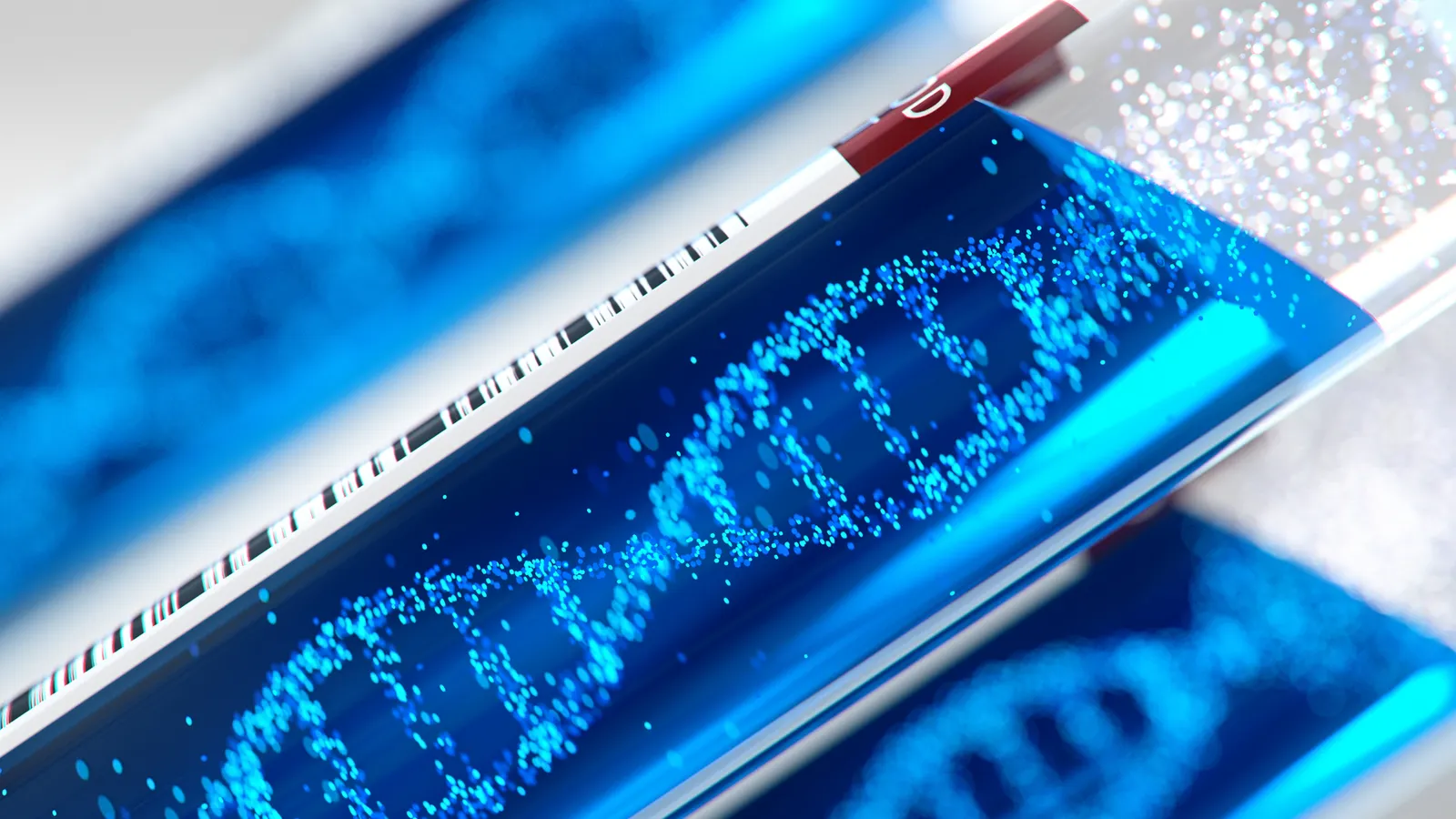
At the core of this dispute is the therapeutic target: Alpha-1 Antitrypsin Deficiency. AATD is a hereditary condition that can lead to severe lung and liver disease because patients are unable to produce a vital protective protein. For gene-editing firms, AATD is a "holy grail" target; because the underlying cause is a single genetic mutation, it is perfectly suited for base editing, which functions as a "molecular word processor" to correct the error at the DNA level.
Beam’s own candidate, BEAM-302, is currently in clinical trials. The company has reported promising data, noting that the therapy has successfully enabled trial participants to begin producing the missing protective protein. With the company currently enrolling a new cohort for further study, they are moving toward an accelerated U.S. regulatory path.
The controversy arises because Serapha’s candidate, SERP-01, targets the exact same nucleotide mutation in the same location in the genetic code. Beam’s legal team contends that this is not a coincidence of convergent evolution, but a direct result of YolTech’s access to Beam’s proprietary methodology and research findings.
Official Responses and Defensive Posture
The accused parties have been quick to push back against the allegations. Shiva Fritsche, Chief Corporate Affairs Officer at Serapha Bio, provided a sharp rebuttal in an email to BioPharma Dive. "Serapha categorically refutes Beam’s claims and will vigorously defend the company," Fritsche stated.

The defense appears to be positioning itself as a legitimate, independent innovator. Earlier in September, Serapha announced a major leadership shakeup, appointing Kenneth Mills—formerly the CEO of the well-regarded gene therapy company Regenxbio—as its new chief executive. The move was widely seen as an attempt to lend credibility and institutional rigor to the company as it approaches a potential Phase 2/3 trial. By bringing in industry veterans like Mills and Chief Medical Officer Weston Miller, Serapha is signaling that its research programs are the product of legitimate internal expertise, not stolen data.
Implications for the Biotech Industry
This lawsuit arrives at a critical juncture for the biotechnology sector, where intellectual property is the lifeblood of company valuation. The outcome of this case could have profound ripple effects for several reasons:
1. The Risk of Cross-Border IP Disputes
As biotech research becomes increasingly global, the challenges of enforcing intellectual property rights across jurisdictions like China and the U.S. have intensified. This case serves as a high-profile test of how U.S. courts can handle allegations involving foreign entities that have secured substantial domestic funding.
2. Investor Confidence
With $230 million in recent backing from top-tier firms like RA Capital and RTW, Serapha’s financial health is inextricably linked to the success of the SERP-01 program. A legal injunction or a court ruling in favor of Beam could not only halt the development of the therapy but also trigger a crisis of confidence among investors who bet on the company’s ability to bring the drug to market.
3. The Future of Employment Mobility
The case raises uncomfortable questions for the industry regarding the balance between the "freedom to innovate" for departing scientists and the protection of "trade secrets." While scientists frequently transition between competing firms, this case highlights the growing divide between standard job mobility and the misappropriation of core, proprietary technology.

4. Regulatory Scrutiny
If the court finds that the foundations of SERP-01 are built on stolen data, it could potentially complicate the regulatory filings for Serapha. Regulators are increasingly sensitive to the integrity of the data provided in drug applications, and any cloud of illegitimacy over the origin of a drug’s development could force the FDA to pause or rescind review processes.
Looking Ahead
As the litigation proceeds, the eyes of the biotechnology industry will be fixed on the Massachusetts District Court. For Beam Therapeutics, the lawsuit is a matter of protecting its multi-year investment and maintaining its competitive advantage in the base-editing space. For Serapha Bio and YolTech, the legal battle represents an existential threat that could derail their roadmap to clinical trials and their planned path to the public markets.
Both sides have made it clear that they are prepared for a protracted fight. While Serapha continues to hire top-tier talent and push toward a late-2026 or early-2027 Phase 2/3 trial, Beam is showing no signs of backing down from its demand for restitution. In the world of gene editing, where a single letter of DNA can be the difference between a breakthrough cure and a multi-billion dollar disaster, the truth behind the development of these therapies is as valuable as the science itself.