










By Editorial Staff
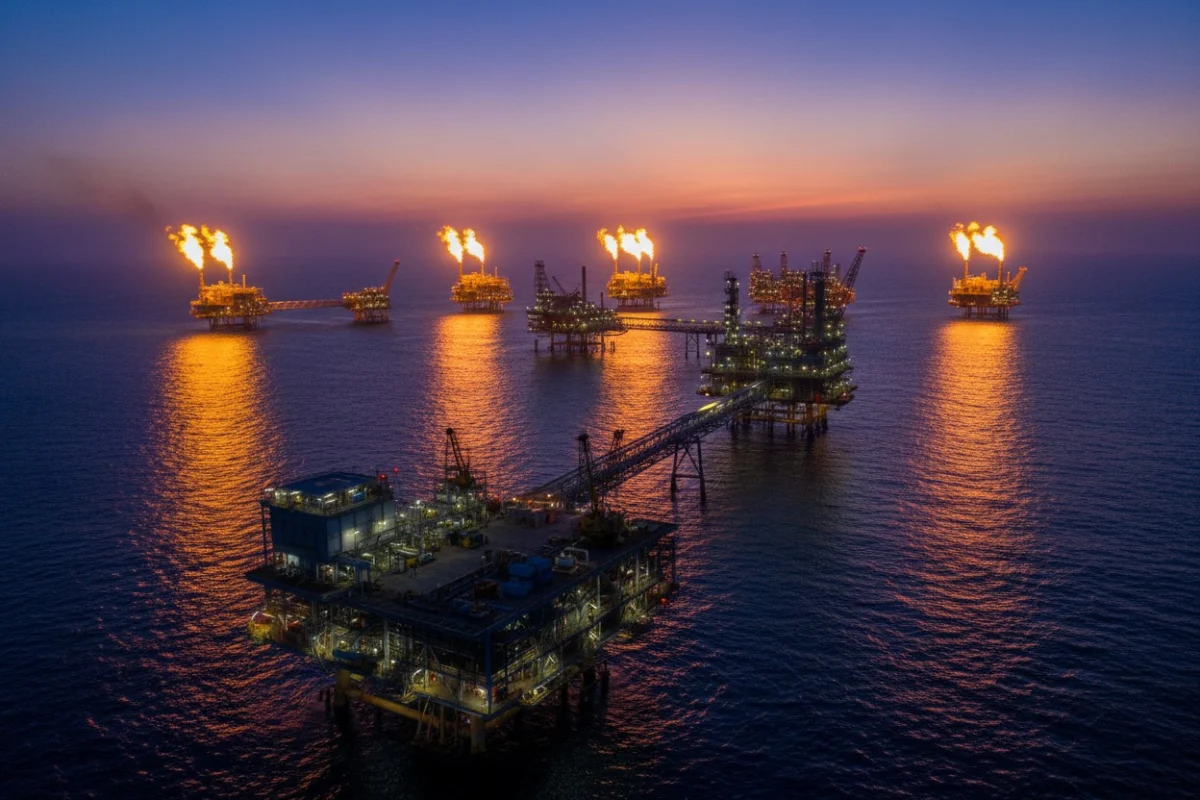
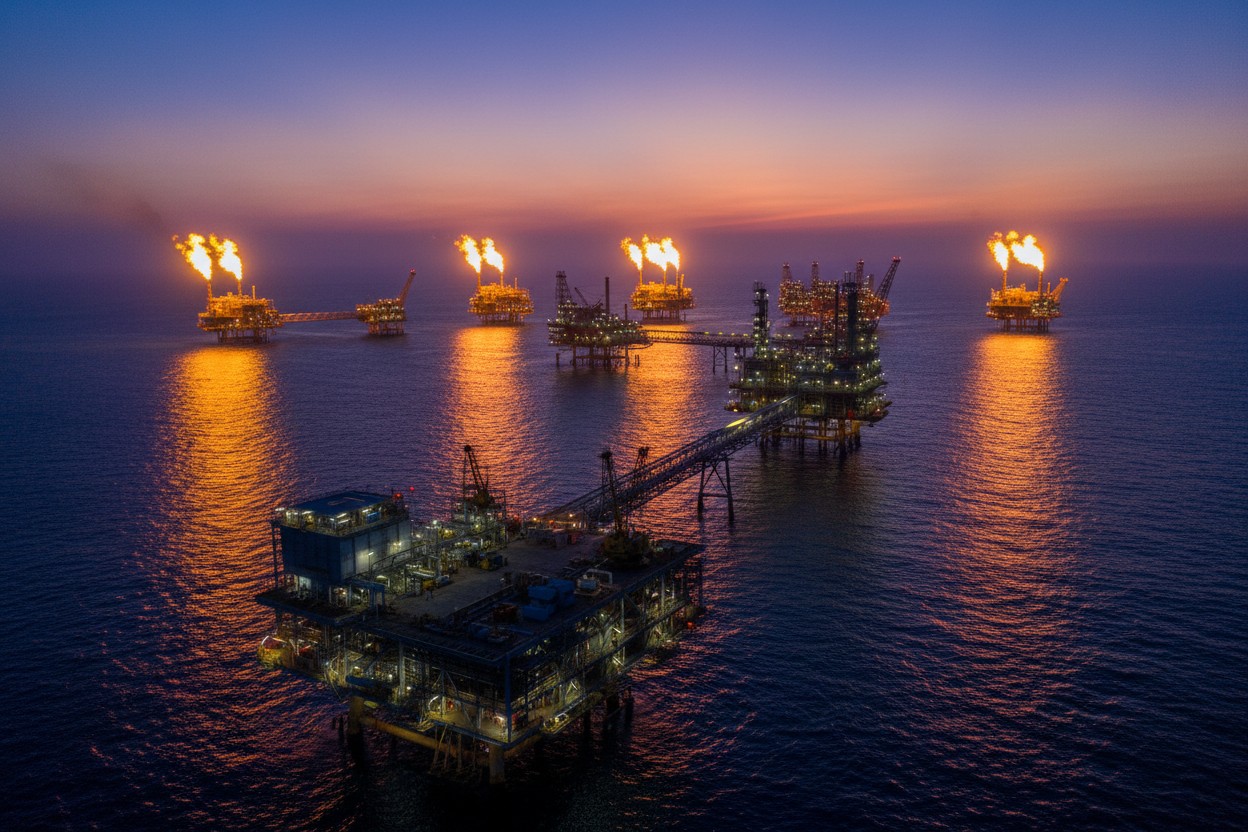
Iranian energy authorities have confirmed the partial resumption of natural gas production at the South Pars field, the world’s largest gas reservoir, marking a significant, albeit incomplete, recovery from the severe disruption caused by military strikes in March 2026. According to the Iranian Ministry of Petroleum, operations are currently running at approximately 40% of the field’s total capacity. This restoration effort underscores the precarious nature of Iran’s energy infrastructure amid a regional conflict that has increasingly treated industrial assets as legitimate military targets.
Touraj Dehqani, Chief Executive of the Pars Oil and Gas Company, confirmed in statements to Iranian state media that production from three offshore platforms—which escaped direct damage during the March hostilities—has been successfully rerouted to operational processing facilities. While the announcement offers a semblance of stability for the Iranian domestic market, energy analysts remain cautious, noting that the path to full operational capacity remains fraught with logistical, financial, and security hurdles.
Chronology of the Crisis: From March Strike to Partial Recovery
The vulnerability of the South Pars infrastructure was laid bare on March 18, 2026, when a series of precision drone strikes targeted gas-treatment plants in Assaluyeh on Iran’s southern coast. The attack specifically struck processing facilities responsible for managing "sour gas" output from phases 3, 4, 5, and 6 of the South Pars field.
The March 18 Assault
The strikes, which reportedly ignited massive fires at the Phase 14 processing units, marked a watershed moment in the regional conflict. For the first time since the onset of hostilities, upstream oil and gas production assets were explicitly targeted, signaling a shift in military doctrine that prioritizes economic strangulation. The immediate aftermath saw Iranian officials ordering an emergency shutdown of the affected plants to contain the inferno and prevent further structural degradation.
The Response Phase
In the days following the incident, Iranian contractors initiated a rapid repair cycle. Reports from the Ministry of Petroleum indicate that the strategy focused on bypassing damaged infrastructure. By rerouting output from undamaged offshore platforms to secondary, surviving processing facilities, engineers managed to stabilize a portion of the flow. While this allowed for a 40% recovery of capacity, the facility remains operating well below its historical baseline, leaving the nation’s petrochemical and power sectors in a state of sustained pressure.
Supporting Data: The Strategic Importance of South Pars
The South Pars field, which straddles the maritime border between Iran and Qatar in the Persian Gulf, is the cornerstone of the Iranian economy. Its geopolitical and economic weight cannot be overstated.
An Economic Lifeblood
South Pars provides the vast majority of Iran’s natural gas, serving as the primary fuel source for domestic electricity generation, residential heating, and the sprawling petrochemical industrial base. Because the field supports the production of feedstock for the petrochemical industry—a vital source of non-oil revenue—any disruption to its output carries a direct impact on the national balance sheet.
Regional and Global Context
The field’s significance extends far beyond Iranian borders. As one of the largest gas reserves on the planet, its output is integral to regional energy security. The disruption caused by the March strikes had immediate ripple effects, most notably a sharp contraction in Iranian gas exports to Turkey. Global energy markets, already jittery due to the ongoing conflict, reacted with volatility; natural gas prices in Europe surged, reflecting the market’s sensitivity to any interruption in Persian Gulf energy flows. According to energy observers, this incident is part of a broader trend, with nearly 75 critical energy assets across the Gulf reported as damaged or destroyed during the current period of regional instability.
Official Responses and Political Maneuvering
The narrative surrounding the strike and the subsequent restoration has been heavily contested by international actors. Following the initial incident, Israeli officials indicated to the New York Times that the operation had been coordinated with the United States. This assertion was met with a swift denial from President Donald Trump, who distanced his administration from the tactical decision-making behind the strike.
Iranian Resilience vs. External Pressure
Iranian officials have framed the restoration of 40% capacity as a triumph of domestic engineering prowess and national resilience. By relying on indigenous expertise to bypass damaged infrastructure, the government aims to reassure its citizens that the energy grid remains stable.
However, the reality is more complex. The Ministry of Petroleum continues to face the dual challenge of physical repair and the restrictive environment of international sanctions. These sanctions, which have been in place for years, severely limit Iran’s access to the sophisticated foreign components and high-end machinery required for large-scale energy sector modernization.
Regional Diplomacy
Qatar, which shares the massive field with Iran, has maintained a stance of cautious neutrality, with its leadership calling for an immediate de-escalation of the conflict. The Qatari government is acutely aware that the "tit-for-tat" nature of the current attacks on energy infrastructure threatens the security of the entire Persian Gulf, potentially jeopardizing the stability of the entire region’s export capacity.
Implications: The Long-Term Energy Outlook
As Iran moves into periods of peak demand, the partial restoration of the South Pars field offers a temporary reprieve. However, experts warn that the outlook remains grim without a broader cessation of hostilities.
The Sanctions Dilemma
The inability to access Western technology is a significant bottleneck. While Iran has historically circumvented these barriers through domestic innovation and partnerships—such as the $40 billion agreement with Russia’s Gazprom signed in 2022—the scale of the damage requires specialized equipment that is difficult to source or fabricate quickly. Analysts argue that even if the security situation improves, the lack of foreign investment and spare parts will constrain the efficiency of the South Pars facilities for years to come.
A Global Energy Crisis
The International Energy Agency (IEA) has noted that the current energy crisis, fueled by the ongoing war, has surpassed the severity of both the 1970s oil shocks and the 2022 gas crisis. The targeting of upstream assets like those in South Pars has fundamentally altered the risk premium for global energy investments.
Future Trajectory
The future of the South Pars field is now inextricably linked to the trajectory of the broader conflict. Should the cycle of attacks continue, the potential for further damage to infrastructure is high. Conversely, should a ceasefire be achieved, the restoration of full capacity will require significant time and capital. For now, the 40% output represents a "new normal"—a fragile balance between essential domestic demand and the harsh realities of a nation under fire.
As the Ministry of Petroleum continues its efforts, the international community watches closely. The fate of South Pars is not merely a local energy issue; it is a bellwether for the stability of the global gas market and a stark reminder of how quickly the infrastructure of modern life can be dismantled by the realities of war.
Summary of Key Metrics
- Field Status: Partial operation (40% capacity).
- Primary Impact: Domestic electricity, industrial feedstock, and regional exports.
- Security Context: First-time targeting of upstream gas assets.
- Major Hurdles: International sanctions, lack of specialized parts, and ongoing security risks.
- Regional Impact: Sharp drop in exports to Turkey; heightened market volatility in Europe.