Growing older is an inevitable journey, but the accompanying aches and pains—specifically within our joints—often feel like an unwelcome tax on the passage of time. As we advance in age, the once-supple mechanics of our skeletal system begin to experience a natural decline. However, the prevailing wisdom that we must "rest" our joints to preserve them is increasingly being challenged by modern sports science.
Contrary to the belief that activity accelerates degradation, movement may be the most effective intervention for maintaining mobility. By understanding the biology of our joints and employing low-impact strategies, we can transform exercise from a potential source of pain into a powerful, regenerative tool.
The Anatomy of the Issue: Why Joints Struggle with Age
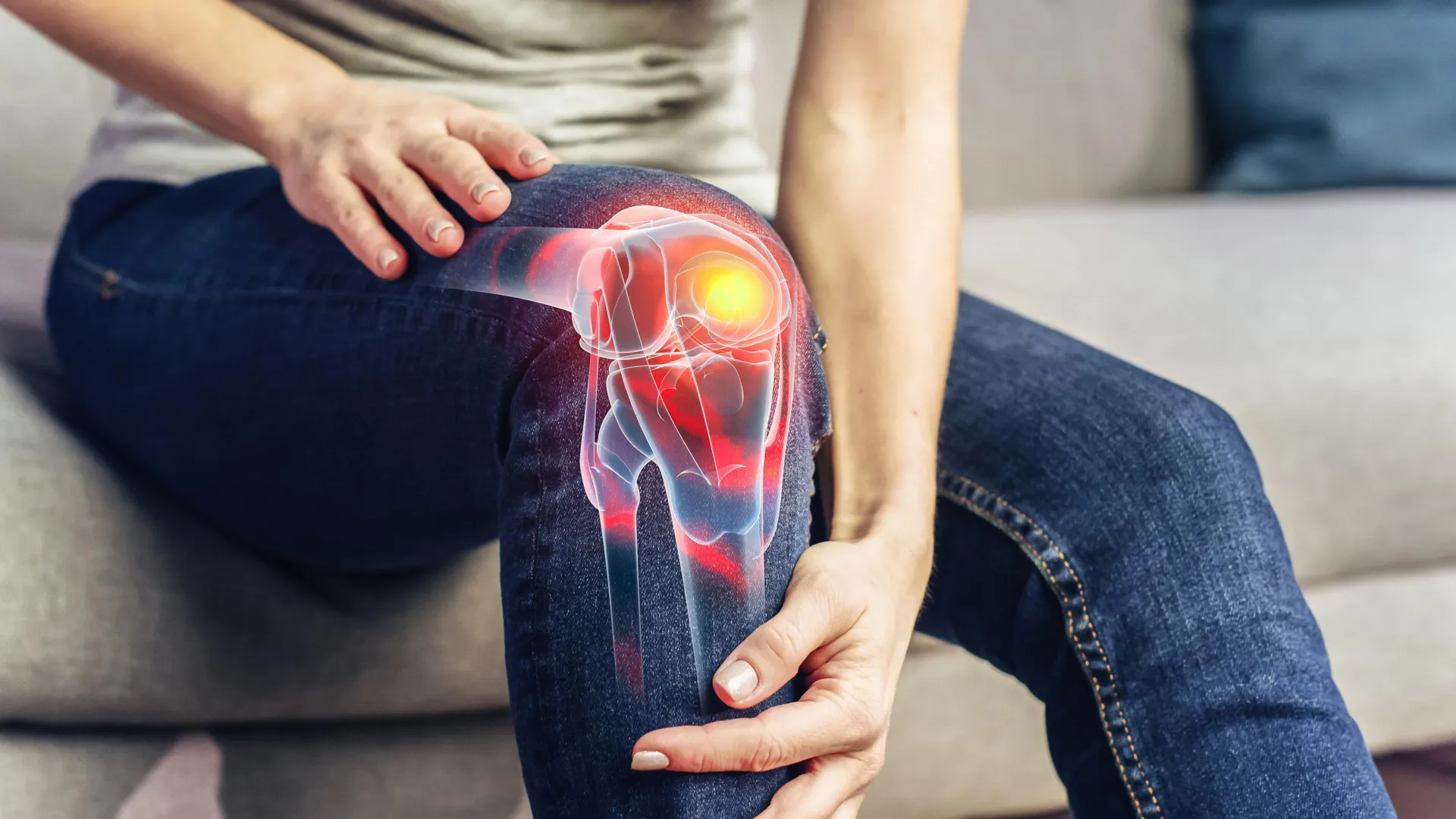
To understand why our knees, hips, and shoulders begin to protest as we age, one must first look at the specialized components that keep us moving. Every joint is encased in articular cartilage—a tough, slippery connective tissue that acts as a shock absorber, allowing bones to glide against one another without friction.
Supporting this system is synovial fluid, a viscous, nutrient-rich substance that fills the joint capsule. This fluid serves a dual purpose: it acts as a lubricant to minimize mechanical wear and serves as a vital transport mechanism, delivering essential nutrients to the cartilage, which notably lacks its own direct blood supply.
The Biological Bottleneck
The primary challenge in joint health is the body’s inability to easily repair damaged cartilage. Because cartilage is avascular—meaning it has no blood vessels—it cannot easily ferry the building blocks required for rapid tissue regeneration. When the rate of cartilage breakdown outpaces the body’s ability to maintain it, the result is osteoarthritis. Affecting more than 500 million people globally, this condition is the leading cause of chronic pain in the weight-bearing joints of the knees, hips, and spine.
Chronology of Decline and Recovery: A Functional Perspective
The degradation of joint health is rarely an overnight event; it is a cumulative process influenced by years of mechanical loading, nutritional intake, and, perhaps most importantly, habitual movement patterns.
- The Early Stages (Decades 1–3): During youth, the body efficiently synthesizes synovial fluid and maintains high cartilage integrity. Proprioception—the brain’s internal map of where the body is in space—is sharp and reactive.
- The Middle Transition (Decades 4–5): The first signs of decreased fluid viscosity and cartilage thinning appear. Often, individuals begin to favor "safer" or more sedentary behaviors, inadvertently reducing the mechanical stimulus the joints need to remain lubricated.
- The Aging Threshold (Decades 6+): Proprioception begins to decline significantly. The brain becomes less responsive to subtle sensory input from the joints, leading to uneven weight distribution during movement. This creates a cycle where joints bear load poorly, leading to faster wear-and-tear.
The recovery phase, or the "therapeutic intervention," requires breaking this cycle. By introducing controlled, low-impact exercise, we can force the body to re-engage its neural pathways and improve the distribution of synovial fluid, effectively slowing the degradation process.
Supporting Data: The Science of Movement
The efficacy of exercise in managing joint health is supported by extensive clinical evidence. A landmark Cochrane review—the gold standard in medical literature—evaluated the impact of exercise on osteoarthritis. The findings were definitive: exercise not only reduces pain but improves functional capacity in those with knee osteoarthritis.
Perhaps most striking is the comparison to pharmaceutical interventions. The review suggested that consistent, targeted exercise produces functional improvements comparable to non-steroidal anti-inflammatory drugs (NSAIDs), but without the systemic side effects—such as gastrointestinal distress or cardiovascular risk—often associated with long-term medication use.
The Role of Muscular Shock Absorbers
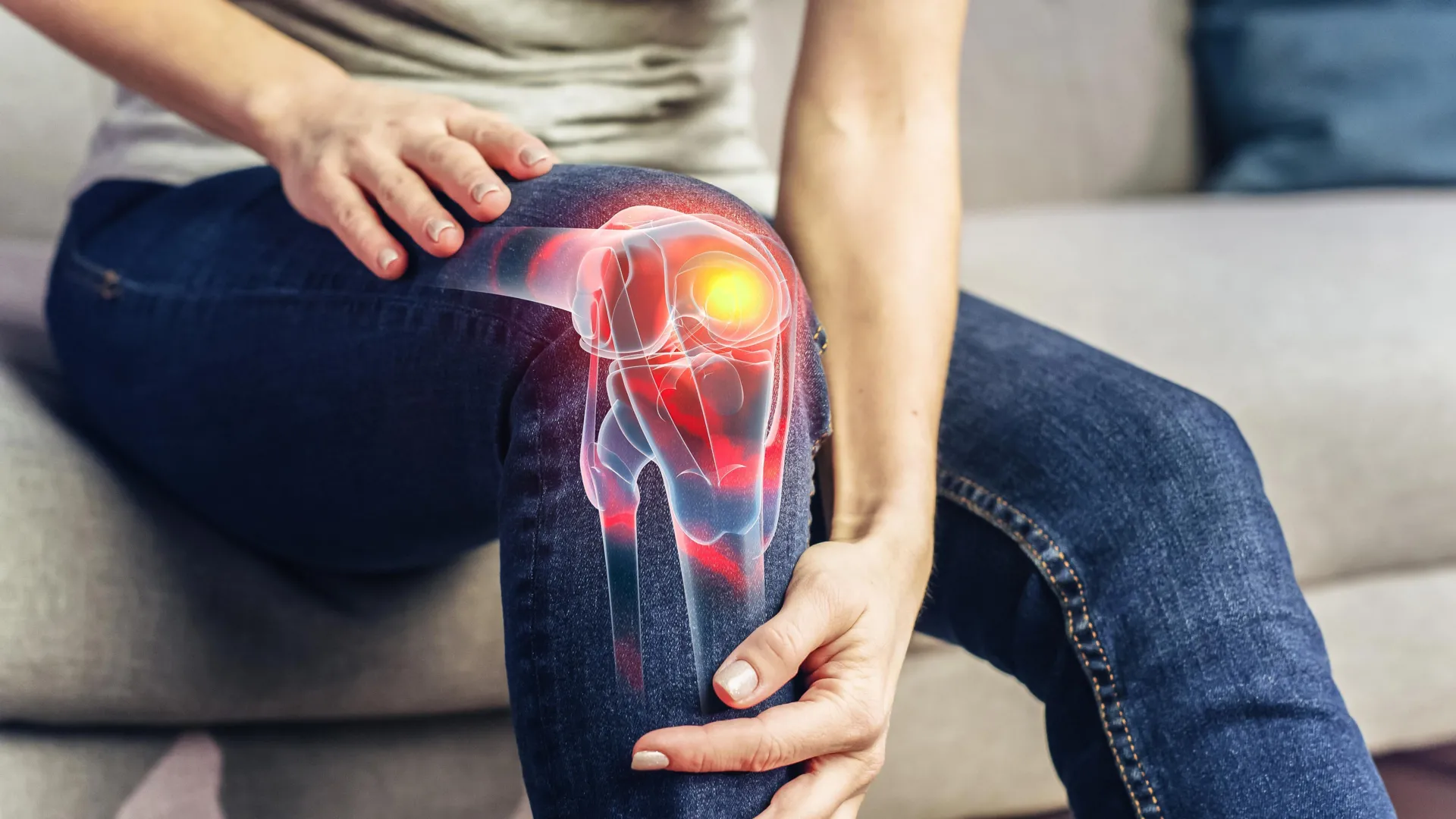
Muscles are more than just engines for movement; they are active protectors. By strengthening the musculature surrounding a joint—most notably the quadriceps for the knee—we create a "biological brace." A stronger quadriceps group reduces the shear force placed directly on the articular cartilage. Research consistently shows that resistance training targeting these muscle groups is one of the most effective ways to mitigate chronic joint pain.
Official Perspectives: Shifting the Paradigm
Medical organizations, including the American Academy of Orthopaedic Surgeons, have shifted their clinical guidelines toward the promotion of "active management." The consensus among physiotherapists and exercise physiologists is clear: complete rest is the enemy of joint health.
Proprioception and the "Unstable" Advantage
A critical component of modern physical therapy involves training on unstable surfaces. As proprioception fades with age, the body loses its ability to make micro-adjustments to foot placement or joint alignment. By incorporating exercises on grass, gravel, or foam pads, the nervous system is forced to "wake up." This improves postural control and reduces the incidence of falls, which are a leading cause of morbidity in adults over 65. Recent studies suggest that balance-focused training can reduce fall rates by nearly 23%.
Implications for Long-Term Mobility
The implications of this research are profound. It suggests that aging is not a passive process of inevitable decline, but one that can be actively managed through the right "dosage" of exercise.
Designing a Sustainable Protocol
For those who have lived a sedentary lifestyle or are currently managing joint pain, the entry point must be strategic:
- Prioritize Low-Impact Modalities: Swimming and water aerobics are unmatched in their ability to offload the joints. By utilizing the buoyancy of water, you can achieve a cardiovascular workout while removing up to 90% of your body weight from your joints.
- Embrace Gentle Complexity: Practices like Tai Chi and Yoga provide a dual benefit. They improve flexibility while strengthening the stabilizers around the joints. Studies have shown that Tai Chi can be as effective as traditional physical therapy for knee osteoarthritis.
- The "Uneven" Walk: The simple act of changing your walking surface can be a game-changer. Moving from concrete to a park trail forces the ankles, knees, and hips to stabilize in ways that flat-ground walking does not, keeping the joint structures active and engaged.
The Safety Protocol
While exercise is medicine, it requires the same caution as any other prescription. "Start small" is the golden rule. A ten-minute walk on a soft surface is a superior starting point to an hour of high-impact jogging. Furthermore, safety must be prioritized; using support structures like bathroom vanities or park benches during balance exercises ensures that the risk of injury is minimized while the benefits are maximized.
Conclusion: The Path Forward
The "bottom line" for joint health is that our joints are dynamic, not static. They require the constant circulation of synovial fluid and the support of strong, surrounding muscle tissue to function correctly. While age brings changes to our biology, it does not mandate a life of restricted movement.
By shifting our perspective from "protecting" our joints through inactivity to "nurturing" them through strategic, low-impact exercise, we can retain our independence and mobility well into our later years. Whether it is through the gentle movements of Tai Chi, the resistance of water, or the simple challenge of walking on uneven ground, the invitation to move is always open.
Before embarking on a new program, consulting with a certified physiotherapist or exercise physiologist is the final step in ensuring your journey is not only effective but tailored to your unique anatomical needs. The science is settled: motion is the most reliable remedy we have for the aches of age.