








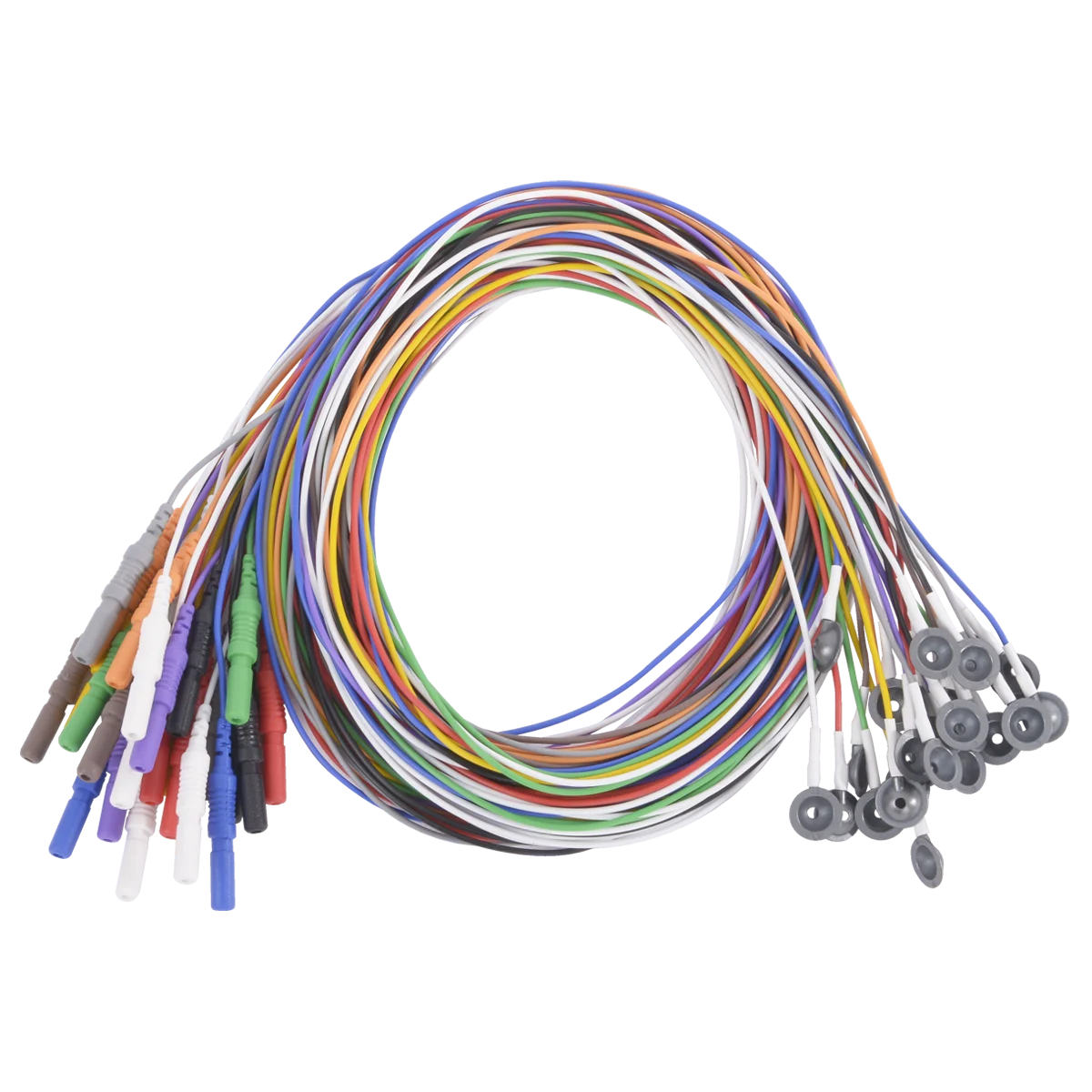
In the evolving landscape of sleep medicine, the electroencephalogram (EEG) remains the gold standard for clinical assessment. By measuring the electrical activity of the brain, these specialized sensors allow clinicians to differentiate between sleep and wakefulness, map the architecture of sleep cycles, and identify critical events such as arousals, respiratory disruptions, and parasomnias. As the field shifts toward more accessible and versatile diagnostic tools, the selection of the right EEG electrode—balancing signal integrity, patient comfort, and clinical workflow—has never been more vital.
The Evolution of the EEG: A Century of Signal Acquisition
The history of clinical neurophysiology is rooted in the pioneering work of Hans Berger, who conducted the first human EEG recording in July 1924. Over the last century, the technology has transitioned from primitive, cumbersome setups to highly sophisticated, standardized interfaces.
In modern sleep laboratories, the standard for electrode placement is the international 10-20 system. This methodology ensures that electrodes are positioned at specific percentages of the distance between anatomical landmarks—the nasion and the inion, and the left and right preauricular points. By placing electrodes across the pre-frontal, frontal, temporal, parietal, and occipital lobes, clinicians can obtain a comprehensive map of cortical activity.

For decades, the "gold standard" was synonymous with the in-lab Polysomnography (PSG) study. However, the paradigm is shifting. As patient demand for home-based diagnostics increases, manufacturers are engineering electrodes that maintain high-fidelity signal acquisition outside of a controlled, shielded laboratory environment. While home sleep testing (HST) often utilizes a simplified subset of the full 10-20 array, the move toward "Type II" home PSG—which incorporates a more robust EEG configuration—is bridging the gap between convenience and clinical precision.
Comparative Analysis: The Current Market Landscape
Selecting the appropriate electrode requires a nuanced understanding of materials, geometry, and intended use. The current market features a variety of options from industry leaders, each tailored to specific clinical requirements.
Cadwell Disposable EEG Cup Electrodes
Cadwell’s approach focuses on workflow flexibility. Their product line offers a variety of configurations suitable for both routine and long-term EEG monitoring. A standout feature is their design philosophy regarding patient skin integrity: standard cups are engineered with broad, flat rims to minimize trauma for patients with sensitive skin, while deep-cup variants allow for a higher volume of conductive paste, a necessity for studies lasting throughout the night.

Dymedix Precision Gold Disposable EEG Electrodes
Focusing on the intersection of affordability and patient experience, Dymedix utilizes gold-plated sensors. Gold is highly prized in the industry for its excellent electrical conductivity and resistance to corrosion. These electrodes feature rounded edges designed specifically to maximize patient comfort during extended monitoring sessions, supported by a durable hub connector with built-in strain relief to prevent lead breakage.
Med-Dyne Disposable Cup Electrodes
Med-Dyne centers its product design on signal optimization through silver/silver chloride (Ag/AgCl) technology. By focusing on maintaining low impedance, these electrodes are engineered to ensure a clean signal path, which is critical for reducing artifact noise during sleep staging.
Natus Medical Inc. Grass Disposable Deep-Cup Electrodes
The "Grass" brand has long been a staple in neurology. Their deep-cup electrodes are Ag/AgCl coated and include a 2-mm hole to assist with gel application and gas venting. Their commitment to standardized workflow is evidenced by their 10-color lead wire system, which simplifies the complex task of electrode identification for sleep technicians during the hook-up process.

Rhythmlink International LLC
Rhythmlink distinguishes itself through clinical versatility. Recognizing that modern medical environments often require imaging, they offer FDA-cleared MR Conditional electrodes for 1.5T and 3T environments, alongside CT-artifact-free options. This modular approach allows clinics to maintain a single inventory source while addressing specialized diagnostic needs.
X-Trodes SmartSkin
Representing the future of "wearable" diagnostics, X-Trodes leverages printed dry electrode technology. Unlike traditional cup electrodes that require messy conductive pastes and adhesives, SmartSkin utilizes an ultra-thin, soft patch that integrates multiple sensors. By incorporating a mastoid reference, the system achieves signal quality comparable to traditional wet electrodes, with the added benefit of being suitable for both home and lab environments.
Technical Specifications at a Glance
| Feature | Cadwell | Dymedix | Med-Dyne | Natus (Grass) | Rhythmlink | X-Trodes |
|---|---|---|---|---|---|---|
| Plating | Ag/AgCl | Gold | Ag/AgCl | Ag/AgCl | Ag/AgCl | Carbon |
| Cup Size | 6mm/10mm | 9mm | 10mm | 10mm | 10mm | N/A |
| Usage | Disposable | Disposable | Disposable | Disposable | Disposable | Disposable |
| Range | Inf/Ped/Adlt | Inf/Ped/Adlt | Inf/Ped/Adlt | Inf/Ped/Adlt | Adult | Adult |
Clinical Implications: Impedance, Comfort, and Data Integrity
The effectiveness of any sleep study hinges on the quality of the raw data. In clinical practice, the transition from "hook-up" to "lights out" is a race against time and patient anxiety. High-impedance readings—often caused by poor skin preparation or inadequate conductive paste—can lead to signal drift and the introduction of 60Hz line noise, which obscures critical sleep stages like REM or N3 (deep) sleep.

The choice between Ag/AgCl and gold plating often comes down to clinical preference and budget. While Ag/AgCl electrodes are the industry standard for their stability and low offset voltages, gold-plated electrodes are favored for their durability in specific environments. Furthermore, the shift toward disposable electrodes has been driven by the need to eliminate the risk of cross-contamination, a concern that has become paramount in post-pandemic clinical workflows.
The Future of Sleep Diagnostics
As we move toward the next decade of sleep medicine, two trends are becoming clear: the miniaturization of sensors and the integration of wireless data transmission.
The X-Trodes SmartSkin, for example, represents a shift away from the traditional "nest of wires" that often contributes to patient insomnia in the lab (the "first-night effect"). By reducing the mechanical load on the patient, these newer technologies may yield more representative sleep data.

However, technology must be balanced with education. The technical intricacies of electrode impedance, lead wire length, and connector compatibility remain the bedrock of the sleep technologist’s skill set. Manufacturers are increasingly providing digital resources and technical guides to assist in this transition, ensuring that even as the equipment evolves, the rigor of the diagnostic process remains intact.
Conclusion
The selection of EEG electrodes is a foundational decision that influences the entire diagnostic pathway. Whether a facility focuses on high-volume adult sleep centers or specialized pediatric neuro-diagnostic units, the current market offers a breadth of solutions that prioritize both clinical accuracy and patient comfort. By understanding the distinct material advantages of Ag/AgCl versus gold, the geometric benefits of deep-cup designs, and the emerging potential of dry-electrode technology, clinicians can ensure they are well-equipped to meet the challenges of modern sleep medicine.
Note: This information is based on data submitted by electrode marketers. Sleep Review strives for accuracy but cannot be held responsible for specific manufacturer claims. For facilities looking to update their inventory, direct consultation with manufacturer clinical specialists is recommended to ensure compatibility with existing polysomnography systems.