The integration of generative artificial intelligence into the medical landscape has shifted from a theoretical ambition to an immediate, transformative reality. From diagnostic imaging and automated clinical documentation to personalized treatment planning, large language models (LLMs) and generative algorithms are poised to redefine the standard of care. However, as this technology surges forward, the regulatory framework governing it remains in a state of fluid development.
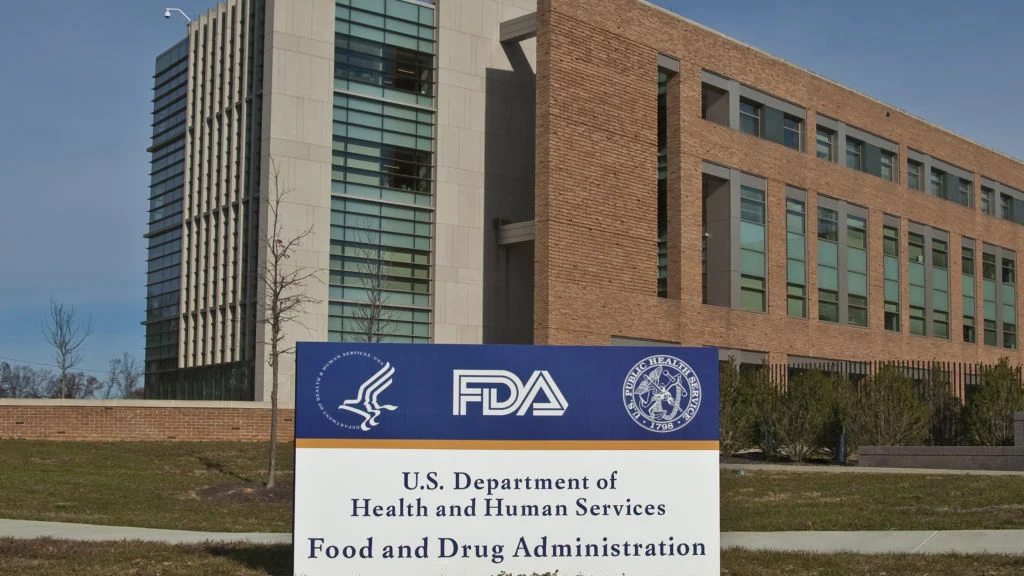
The Food and Drug Administration (FDA), charged with ensuring the safety and efficacy of medical devices, is now formally wading into the task of establishing guardrails for these complex systems. As Rick Abramson, director of the agency’s Digital Health Center of Excellence, recently confirmed, the FDA is developing a comprehensive strategy to manage the unique challenges posed by generative AI—a strategy that may prioritize a "competency-based approach" over traditional static regulation.
Main Facts: A New Regulatory Paradigm
The core challenge facing the FDA is that traditional medical device regulation is designed for "locked" algorithms—software that performs a specific function and does not change unless updated through a formal, documented process. Generative AI, by contrast, is inherently dynamic. These models can evolve based on the data they ingest, creating a "moving target" for regulators who must ensure that a device remains safe even as its underlying logic shifts.
According to agency officials, the upcoming policy framework will be multi-tiered. The FDA intends to release broad, foundational guidance to establish a baseline for AI-driven software as a medical device (SaMD). Crucially, this will be supplemented by "narrowly constructed specialty guidance" targeting specific use cases of high complexity or high clinical risk. This tiered approach is designed to provide the "clarity" that the health-tech ecosystem has been clamoring for, ensuring that innovation is not stifled by ambiguity, while simultaneously maintaining the FDA’s gold standard for patient safety.
Chronology: The Evolution of AI Oversight
The FDA’s current efforts are the latest chapter in a long-standing initiative to modernize its approach to digital health.
- 2017-2019: The Foundation. The agency began exploring the "Pre-Cert" pilot program, an attempt to regulate the developer rather than just the device. While the program eventually faced criticism for its lack of statutory authority, it provided the agency with critical insights into the agile development cycles inherent in software.
- 2021: The Artificial Intelligence/Machine Learning (AI/ML) Action Plan. The FDA published a landmark document outlining its intent to adopt a "total product lifecycle" approach, recognizing that digital health tools require ongoing monitoring after they reach the market.
- 2022-2023: The Generative Surge. The explosive public release of models like GPT-4 accelerated the FDA’s timeline. Recognizing that these tools were already being utilized in clinical settings—often in "off-label" or unverified capacities—the agency began internal discussions on how to categorize and oversee generative outputs.
- 2024-Present: Moving Toward Competency-Based Regulation. The agency is now moving away from the "frozen algorithm" mindset. By considering a "competency-based approach," the FDA is signaling a shift toward assessing what an AI system can do (its competency) rather than just what its code looks like at a single point in time.
Supporting Data: The Scale of the Challenge
The urgency of this regulatory effort is underscored by the rapid adoption of AI in healthcare settings. According to recent industry reports, over 70% of major health systems have either piloted or fully implemented at least one form of AI in their clinical workflows.

- Clinical Efficacy: Generative AI tools are currently being tested for their ability to synthesize patient records, draft physician notes, and interpret complex radiological reports. Studies have shown these models can reduce administrative burnout by up to 30%, yet they remain prone to "hallucinations"—the generation of medically plausible but factually incorrect information.
- Risk Profile: The risk is not merely software failure; it is systemic. If a diagnostic algorithm is trained on biased data, the generative model may perpetuate health disparities at scale. The FDA’s guidance must address "data hygiene," algorithmic bias, and the potential for "drift"—the phenomenon where an AI’s performance degrades over time as the clinical environment changes.
Official Responses and Stakeholder Perspectives
Rick Abramson’s recent statements emphasize a collaborative ethos. "The ecosystem is expecting clarity," he noted, acknowledging that uncertainty is the enemy of investment and development.
However, the industry perspective is divided. On one side, developers of medical AI argue that overly rigid regulation will put American innovation at a competitive disadvantage against international rivals. They advocate for a "sandbox" approach, where models can be tested in real-world clinical environments with light-touch oversight.
Conversely, patient safety advocates and medical ethicists stress that the black-box nature of generative models requires strict transparency. They argue that if a clinician cannot explain why an AI arrived at a specific diagnosis, the tool should not be deployed in high-stakes environments like oncology or emergency medicine. The FDA’s challenge lies in balancing these competing interests: fostering a culture of rapid innovation while maintaining a robust, evidence-based safety net.
Implications: What a Competency-Based Approach Means
The potential shift to a "competency-based approach" is the most significant development in this narrative. Under this framework, the FDA would define a set of core capabilities or "competencies" that an AI system must demonstrate to be deemed safe.
1. Shift from Code to Performance
Instead of auditing every line of code, the FDA would evaluate whether an AI system can meet predefined performance benchmarks consistently. If a model can prove its competency in identifying early-stage tumors with a specific accuracy threshold, it may receive clearance even if the internal weights of the neural network change over time.
2. Post-Market Surveillance
If the agency moves toward performance-based oversight, post-market surveillance becomes the primary regulatory tool. Manufacturers would be required to provide the FDA with a "real-world performance report" on a recurring basis. If the AI’s competency drops below the approved threshold, the manufacturer would be required to intervene or risk losing their clearance.

3. Impact on Healthcare Providers
For hospitals and clinics, this regulatory shift provides a measure of legal and clinical protection. By utilizing "FDA-cleared" AI tools that have been vetted for competency, providers can integrate these systems into their electronic health records (EHR) with greater confidence, knowing the technology has met federal standards for accuracy and reliability.
4. The Global Standard
The FDA’s guidance is closely watched by the European Medicines Agency (EMA) and other global regulators. By formalizing these rules, the U.S. is positioning itself to set the global standard for AI in healthcare. This will influence how international companies develop their products, as the U.S. market is typically the primary target for medical device innovation.
Conclusion: The Road Ahead
The path forward is complex. As the FDA prepares its formal guidance, it must contend with the reality that technology is advancing faster than the legislative process can keep up. However, the agency’s willingness to embrace a competency-based model suggests a pragmatic, forward-thinking strategy.
The goal is not to stop the AI revolution, but to ensure that when a patient walks into a clinic, the intelligence guiding their care—whether human or algorithmic—is held to the same standard of excellence. As the FDA moves to provide the promised clarity, the medical community waits with bated breath, knowing that these forthcoming rules will dictate the future of digital health for the next generation.