As the global community faces unprecedented challenges—ranging from food insecurity and the rising tide of chronic disease to the existential threat of climate change—the discourse surrounding what we eat has never been more critical. Throughout 2022, nutrition moved from the kitchen table to the forefront of national policy, underscored most significantly by the historic White House Conference on Hunger, Nutrition, and Health.
This article examines the state of modern nutrition, the implications of recent policy shifts, and the essential steps individuals can take to cultivate a healthier life in 2023 and beyond.
Main Facts: The New National Strategy
For the first time since 1969, the United States government convened a national summit dedicated to the intersection of hunger, nutrition, and health. The resulting Biden-Harris administration’s national strategy set an ambitious, if daunting, goal: to end hunger and reduce diet-related diseases by 2030.
The strategy is built on five pillars:
- Improving food access and affordability for all citizens.
- Integrating nutrition and health into the clinical setting.
- Empowering consumers to make informed, healthy choices.
- Supporting physical activity for all ages.
- Enhancing nutrition and food security research.
While these pillars represent a monumental step forward, public health experts from the Harvard T.H. Chan School of Public Health have offered a nuanced perspective, noting that while the policy framework is robust, it lacks specific mechanisms to address the systemic drivers of poor health.
Chronology: A Half-Century of Policy Evolution
To understand the significance of the 2022 conference, one must look back at the historical trajectory of U.S. food policy.
- 1969: The original White House Conference on Food, Nutrition, and Health. This landmark event led to the creation of major programs that remain pillars of the social safety net, including the Special Supplemental Nutrition Program for Women, Infants, and Children (WIC) and the expansion of the Supplemental Nutrition Assistance Program (SNAP).
- 1970s–2010s: A period marked by the proliferation of ultra-processed foods, the rise of sedentary lifestyles, and an epidemic of metabolic diseases, including type 2 diabetes and obesity. Nutrition science evolved significantly, shifting from a focus on "deficiency" (getting enough calories) to "quality" (getting the right nutrients).
- 2022 (September): The White House Conference on Hunger, Nutrition, and Health. This event served as the first major federal attempt in 53 years to modernize the U.S. approach to food.
- 2023 and Beyond: The current implementation phase, where the focus shifts from strategy to execution, encompassing the expansion of medically tailored meals under Medicare and the implementation of updated school nutrition standards.
Supporting Data: The Current State of Public Health
The urgency behind these policy shifts is backed by sobering data. According to the Centers for Disease Control and Prevention (CDC), over 40% of American adults are classified as obese, and diet-related illnesses are now the leading cause of death and disability in the United States.
Furthermore, the "food environment"—the physical and economic space in which we choose our meals—has become increasingly hostile to health. Research consistently shows that:
- Accessibility: Millions of Americans live in "food deserts," where access to fresh, nutrient-dense produce is limited or non-existent.
- Economic Disparity: Nutrient-dense diets remain significantly more expensive than diets heavy in refined sugars and ultra-processed fats, creating a "health gap" between socioeconomic classes.
- Marketing Impacts: Children are exposed to thousands of advertisements for unhealthy, high-sugar, and high-salt products annually, which directly influences long-term dietary habits.
Official Responses and Expert Analysis
While the White House’s 2022 strategy was welcomed by the public health community, it was not met without criticism. Harvard nutrition luminaries Dr. Frank Hu, Dr. Walter Willett, and Dr. Lilian Cheung were among the prominent voices who identified critical omissions in the administration’s plan.
The Missing Links
"To have a significant impact, the administration must bring together the public and private sectors, along with philanthropists, academia, and individuals to develop truly sustainable food systems that support both public and planetary health," the experts noted.
Key concerns raised by these researchers include:
- Corporate Accountability: The strategy notably avoids strict regulations on the marketing of unhealthy foods to children—a move that many advocates argue is essential to stemming the tide of childhood obesity.
- Climate Change Integration: The current food system is a significant contributor to greenhouse gas emissions. Experts argue that nutrition policy cannot be separated from environmental policy. A sustainable food system must prioritize regenerative agriculture and lower-carbon food sources, such as plant-based proteins.
- Transparency: There is an ongoing need for stricter labeling laws and the elimination of "health washing," where food companies use vague terminology to market processed goods as healthy.
Implications: The Intersection of Personal and Planetary Health
The debate surrounding the 2022 conference highlights a fundamental truth: individual health is inextricably linked to the health of the planet. When we prioritize whole, unprocessed foods—such as fruits, vegetables, legumes, and whole grains—we are not only providing our bodies with the fuel they need to prevent chronic disease, but we are also supporting a more sustainable food production system.
Small Changes, Large Impacts
The philosophy of the Harvard Nutrition Source is that no change is too small. As we move through 2023, the focus should be on incremental progress:
- Mindful Consumption: Replacing sugar-sweetened beverages with water or herbal teas.
- Plant-Forward Eating: Gradually increasing the proportion of plant-based meals in one’s weekly diet.
- Advocacy: Supporting local food systems, such as farmers’ markets and community-supported agriculture (CSA) programs, which reduce the carbon footprint of food transportation.
Moving Forward: The 2023 Healthy Living Guide
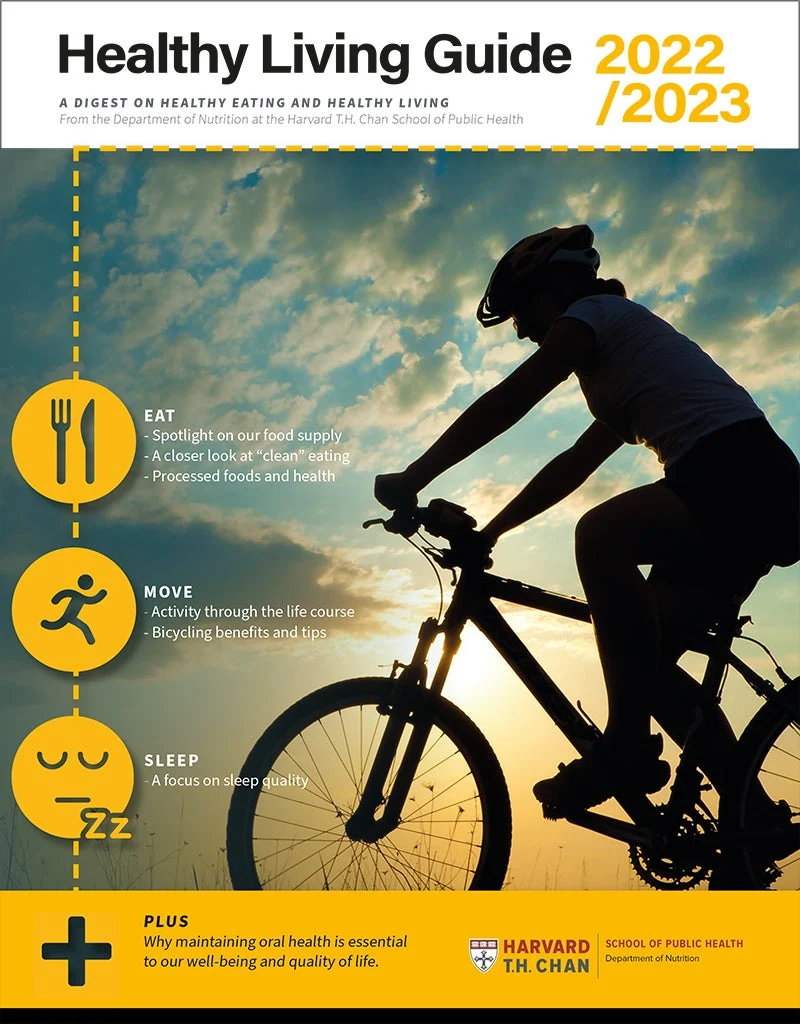
As the policy landscape continues to evolve, the burden of health often falls on the individual. The Healthy Living Guide (2022-2023 edition) provides a roadmap for those looking to translate scientific recommendations into daily habits.
The guide features printable tip sheets that demystify complex nutrition science, offering actionable advice on everything from reading food labels to understanding the role of healthy fats in brain function. By providing a bridge between high-level policy discussions and the realities of the family grocery budget, the guide empowers individuals to take control of their well-being.
Testing Your Knowledge
The journey toward a healthier life requires constant learning. One of the most effective ways to solidify knowledge is through assessment. The 2023 guide includes a series of challenges that test readers on their understanding of:
- The difference between "good" and "bad" carbohydrates.
- The impact of intermittent fasting on metabolic health.
- The importance of fiber for gut microbiome diversity.
For those who have not yet engaged with these resources, the full 2021-2022 archive remains available, providing a historical context to the evolution of nutritional science over the last two years.
Conclusion: A Call to Action
The White House Conference on Hunger, Nutrition, and Health was a beginning, not an end. It signaled a shift in political will, but the realization of its goals depends on a concerted effort from all stakeholders. We are at a juncture where the food we choose to consume impacts not only our personal longevity but the resilience of our environment and the equity of our society.
As we navigate the complexities of 2023, the message remains clear: demand better for yourself, demand better from the food system, and embrace the power of small, consistent changes. By aligning our personal habits with the broader goal of planetary and public health, we can contribute to a future where healthy, nutritious food is not a privilege, but a fundamental right for all.
For more information on these topics, download the Healthy Living Guide (PDF) and explore the extensive resources available through the Harvard T.H. Chan School of Public Health’s Nutrition Source.