As the global community moves further into the 2020s, the intersection of public health, food policy, and environmental sustainability has moved from the periphery of political discourse to the very center. The past year served as a watershed moment for nutrition science and advocacy, punctuated by landmark government interventions and a renewed call for systemic change. In this climate, experts are urging individuals and policymakers alike to move beyond superficial dietary trends and embrace a holistic, evidence-based approach to wellness.
The State of Nutrition: Main Facts and Current Realities
The fundamental challenge facing modern society is not merely the availability of calories, but the accessibility of nutritional quality. In 2022, the conversation shifted toward the "double burden of malnutrition"—the paradox where communities struggle with both food insecurity and the rising prevalence of diet-related chronic diseases like obesity, type 2 diabetes, and cardiovascular conditions.
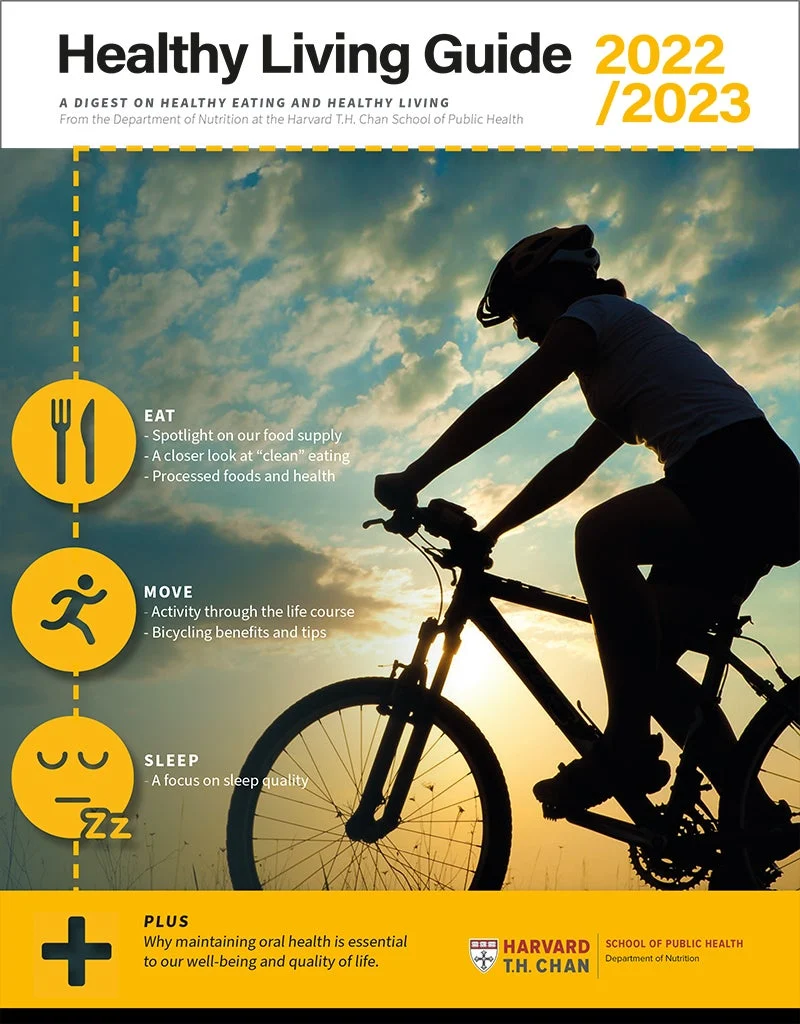
The primary objective for the coming decade is clear: we must transition toward food systems that prioritize long-term public health over short-term industrial convenience. The Harvard T.H. Chan School of Public Health, through its updated Healthy Living Guide, underscores that the foundation of health remains rooted in whole, plant-forward diets, regular physical activity, and a commitment to understanding the complexities of what we consume. As food inflation and supply chain instabilities continue to affect the global market, the necessity for robust, evidence-backed nutritional guidance has never been more urgent.
A Chronology of Change: The Path to the White House Conference
The trajectory of nutrition policy in the United States saw a historic inflection point in 2022. To understand the current landscape, one must look at the timeline of events that redefined the national agenda:
- September 1969: The first White House Conference on Food, Nutrition, and Health is held. This event birthed the modern structure of federal nutrition programs, including the expansion of the Supplemental Nutrition Assistance Program (SNAP) and the creation of the Special Supplemental Nutrition Program for Women, Infants, and Children (WIC).
- Early 2022: As the pandemic’s impact on food security and public health outcomes became fully realized, momentum gathered for a follow-up to the 1969 conference. Experts began calling for a strategy that addressed modern challenges, such as the rise of ultra-processed foods and the climate crisis.
- September 2022: The Biden-Harris administration convened the White House Conference on Hunger, Nutrition, and Health. This was the first event of its kind in over 50 years, signaling a renewed federal commitment to eradicating hunger and reducing the prevalence of diet-related diseases by 2030.
- Late 2022 – Early 2023: Following the conference, the administration released its national strategy, outlining pathways for expanded nutrition assistance, medically tailored meals, and increased funding for nutrition research. During this time, leading academic institutions and health organizations began evaluating the plan’s efficacy, leading to the release of updated resources for the public, such as the Harvard Healthy Living Guide.
Supporting Data: Why Systemic Reform is Necessary
The data supporting the need for immediate action is compelling. Research consistently shows that diet-related illnesses are the leading drivers of health-care costs in the United States. According to findings highlighted by the Department of Nutrition at Harvard, the following factors are critical to addressing the crisis:
- The Rise of Chronic Disease: Approximately 60% of American adults live with at least one chronic disease, many of which are linked to poor diet. The financial burden of these conditions exceeds hundreds of billions of dollars annually in direct medical costs and lost productivity.
- Food Insecurity: Even in the world’s wealthiest nation, millions of households face periodic food insecurity. The 2022 strategy’s focus on expanding Medicare and Medicaid coverage to include "food as medicine"—specifically medically tailored meals—is a direct response to data showing that diet is the most effective intervention for managing conditions like heart disease and diabetes.
- Environmental Impact: The food system is responsible for approximately 25-30% of global greenhouse gas emissions. Data suggests that shifting toward more sustainable agricultural practices and plant-rich diets is not only beneficial for human longevity but is a mandatory component of climate change mitigation.
Official Responses: The Expert Critique
While the 2022 White House Conference was hailed as a milestone, it was not without its critics. Experts in the field of public health, including Drs. Frank Hu, Walter Willett, and Lilian Cheung of the Harvard T.H. Chan School of Public Health, provided a nuanced perspective.
While they applauded the focus on increasing healthy food access, they identified critical omissions that could undermine the strategy’s long-term effectiveness:
- The Marketing Gap: The administration’s plan failed to implement significant protections for children against the predatory marketing of ultra-processed, unhealthy foods. Experts argue that without regulatory guardrails, the environment in which children make food choices remains fundamentally hostile to health.
- Climate Integration: The strategy lacked a comprehensive framework for transforming the food system in response to the climate crisis. Experts emphasized that "to have a significant impact, the administration must bring together the public and private sectors, along with philanthropists, academia, and individuals to develop truly sustainable food systems that support both public and planetary health."
- Private Sector Accountability: There is a concern that the strategy relies too heavily on voluntary commitments from the food industry. Researchers note that without enforceable federal standards, the pace of change may be insufficient to meet the 2030 goals.
Implications: Building a Healthier Future
The implications of these developments extend far beyond the Beltway. For the average individual, the message is clear: while systemic policy change is moving at a legislative pace, personal health remains a daily responsibility that can be managed through informed choices.
Empowerment Through Information
The release of the 2022-2023 Healthy Living Guide serves as a practical tool for individuals navigating this complex landscape. By focusing on actionable, bite-sized changes—such as increasing vegetable intake, understanding food labels, and prioritizing whole grains—the guide encourages personal agency. The underlying philosophy is that "no change is too small."
The Role of Advocacy
The broader implication is that personal health is inextricably linked to civic engagement. As citizens, the responsibility lies in supporting policies that demand transparency in food labeling, tax incentives for healthy food production, and stricter marketing regulations. The "food as medicine" movement, which gained significant traction during the White House Conference, proves that when medical professionals and policymakers work in tandem, tangible shifts in patient outcomes are possible.
A Holistic View of Sustainability
Looking toward 2030, the goal is to create a food environment where the "easy choice" is the "healthy choice." This requires a shift in how we value food—moving away from the cheapest, most energy-dense options toward those that offer the highest nutritional density while minimizing environmental degradation.
In conclusion, the discourse initiated in 2022 has set the stage for a decade of necessary transformation. Whether through the implementation of national strategies or the adoption of personal wellness guides, the focus remains on building a future where health is not a privilege afforded to the few, but a fundamental right supported by a resilient, sustainable, and transparent food system.
For those looking to take the first step, the Healthy Living Guide provides the necessary roadmap, reminding us that while the work to fix the global food system is monumental, it begins with the decisions made at the kitchen table every single day.
For further reading and to deepen your understanding of nutritional science, we encourage readers to access the Harvard Healthy Living Guide (PDF). Engaging with these resources is not merely an act of self-care, but a step toward becoming a more informed participant in the ongoing national conversation on public health.