
As the demographic shift toward an aging population accelerates, families across the United States are increasingly finding themselves in the position of primary caregiver. The transition from independent living to a managed care environment—such as assisted living, memory care, or skilled nursing—is often fraught with emotional, financial, and logistical complexities.
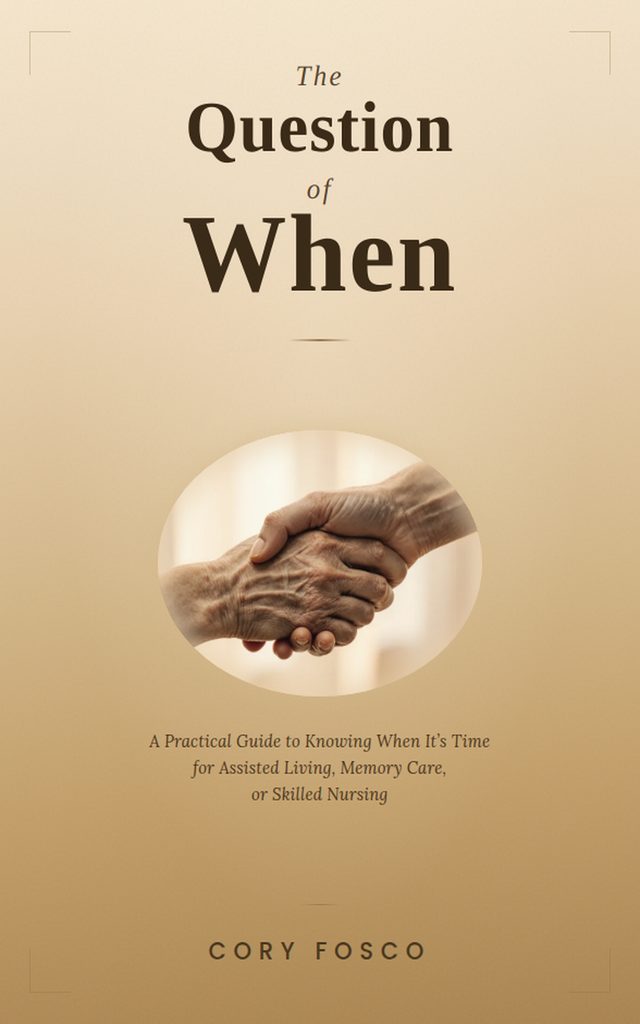
To address these pressing concerns, the latest episode of the Caregiving Club On Air podcast features a deep-dive interview with Cory Fosco, author of the newly released, “The Question of When: A Practical Guide To Knowing When It’s Time For Assisted Living, Memory Care or Skilled Nursing.” As National Assisted Living Week (September 13–19) approaches, this discussion serves as a vital resource for the millions of Americans navigating the "Sandwich Generation" struggle.
The Landscape of Senior Care: Main Facts and Figures
The decision to move a loved one into a residential care community is rarely made overnight. It is typically the culmination of months, if not years, of observing declining health or safety concerns. According to the American Health Care Association (AHCA) and the National Center for Assisted Living (NCAL), between 2 million and 3 million older adults currently reside in some form of senior living or long-term care community. Specifically, over 1 million seniors reside in more than 41,000 assisted living communities nationwide.
For family caregivers, the challenge lies in identifying the "tipping point." Fosco’s work focuses on moving beyond the emotional paralysis that often accompanies these decisions, providing a roadmap for families to evaluate health markers, cognitive changes, and safety risks objectively.
Chronology: From Recognition to Action
The journey into professional senior care often follows a predictable, albeit stressful, timeline.

Phase 1: The Subtle Shift
Caregiving often begins with small, incremental tasks—driving a parent to appointments, handling grocery shopping, or managing household chores. During this period, the older adult remains independent, and the caregiver often operates without a formal plan.
Phase 2: The "Question of When"
Fosco emphasizes that the "Question of When" arises when the safety of the senior is compromised. This might include instances of wandering due to dementia, medication mismanagement, or repeated falls. This is the stage where families must initiate critical, often uncomfortable, conversations about long-term goals and financial preparedness.
Phase 3: Investigation and Selection
Once the need is identified, families enter the research phase. This involves vetting facilities, understanding the differences between levels of care (assisted living vs. memory care vs. skilled nursing), and conducting site visits.
Phase 4: Integration
The final phase involves the physical move and the emotional transition. Experts advise that this process is most successful when the senior is involved in the decision-making process as much as their cognitive health allows, preserving their sense of agency.
Supporting Data: The Cost of Care
Financial planning remains the most significant barrier to effective long-term care. The Genworth/Care Scout Cost of Care Survey remains the gold standard for families looking to forecast expenses. While costs vary significantly by state and facility type, the financial burden is substantial.
The 2025 data suggests that families must account for:
- Adult Day Care: Necessary for respite, often serving as a bridge before full-time placement.
- Home Health/Personal Care: Essential for those aging in place but requiring professional support.
- Assisted Living Facilities: Providing a balance of independence and assistance with activities of daily living (ADLs).
- Skilled Nursing Facilities: The highest level of care, usually reserved for those with chronic medical needs.
Families are encouraged to use the annual Cost of Care Survey as a planning tool, noting that regional variations can mean the difference of thousands of dollars per month depending on the location of the facility.
Professional Guidance: Leveraging Expertise
One of the most underutilized resources for families is the Professional Geriatric Care Manager (PGCM). Often social workers with specialized credentials in senior care, these experts can provide an objective assessment of a senior’s needs.
“Many families don’t know these experts exist,” says the Caregiving Club. “A PGCM can help navigate the maze of costs, determine the right level of care, and even mediate family disagreements regarding the best path forward.”
Families can locate certified professionals through the Aging Life Care Association. Additionally, employees should check their benefits packages; many modern companies now offer access to senior care navigation services as part of their employee assistance programs (EAPs).
Official Perspectives and Industry Standards
As the industry matures, the focus has shifted toward transparency. Families are no longer relying solely on brochures; they are utilizing public ranking systems. Several independent organizations now offer ratings for assisted living and nursing facilities based on health inspections, staffing ratios, and quality of life metrics.
However, experts caution that rankings should be a starting point, not the final word. A facility with a high numerical rating might not be the right "fit" for a specific individual’s personality or cultural preferences. Personal site visits and direct interviews with the facility’s management remain the most reliable way to assess the true environment of a community.
Implications for the Future of Caregiving
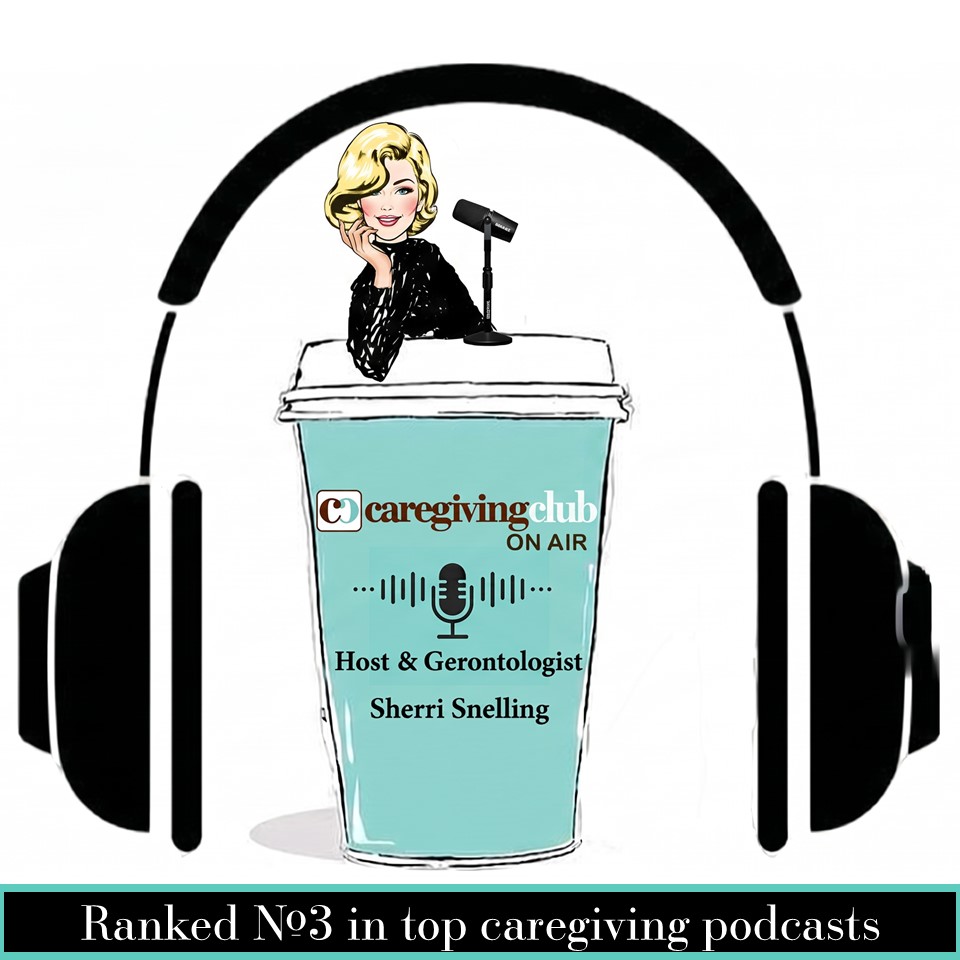
The rise of the Caregiving Club On Air podcast to the #3 spot among caregiving podcasts (as ranked by Feedspot) signals a growing societal hunger for reliable information. As more of the population enters the "Sandwich Generation"—simultaneously caring for aging parents and their own children—the need for structured, professional, and compassionate advice has never been greater.
Moving Forward: Digital Resources
The shift of content to platforms like YouTube, specifically the new "Caregiving Club News" channel, highlights a broader trend: the democratization of caregiving education. By providing bi-weekly updates on research, policy changes, and wellness hacks, these digital hubs allow caregivers to feel less isolated.
Self-Care: The Missing Component
The conversation about long-term care is incomplete without discussing the health of the caregiver. As Sherri Snelling, host of the Caregiving Club, often notes, "You cannot pour from an empty cup." Whether through the "Me Time Monday" workshops or the "Self-Care in 7 Minutes" video series, the emphasis remains on preventing caregiver burnout, which is a major factor in the premature decline of both the caregiver and the recipient.

Conclusion: Preparation is the Ultimate Act of Love
The overarching takeaway from the interview with Cory Fosco is that the "Question of When" is not a question that can be answered in a crisis. It requires preparation, communication, and a willingness to utilize professional resources. By initiating these conversations today—rather than waiting for a medical emergency—families can ensure that their loved ones receive the care they deserve while maintaining the financial and emotional stability of the entire family unit.
For those ready to start their planning journey, the following resources are recommended:
- Cory Fosco’s Guide: The Question of When (Available via Amazon).
- The Elder Care Locator: A government-sponsored service (eldercare.gov) for finding local resources.
- Aging Life Care Association: For locating professional geriatric care managers.
- Genworth/Care Scout: For annual updates on the cost of care in your specific state.
By embracing these tools and insights, the daunting task of long-term care navigation becomes a manageable process, ensuring that the final chapters of a loved one’s life are handled with dignity, respect, and careful planning.