The fitness industry is currently experiencing a paradox: while the demand for personalized health coaching has never been higher, the barrier to entry has never been lower. From aging populations seeking to maintain functional independence to busy professionals demanding high-efficiency, data-driven programming, the client base for personal trainers is expanding. However, this surge in demand has invited a flood of practitioners into the space, ranging from highly credentialed exercise scientists with decades of floor experience to weekend warriors who have completed little more than a superficial online assessment.
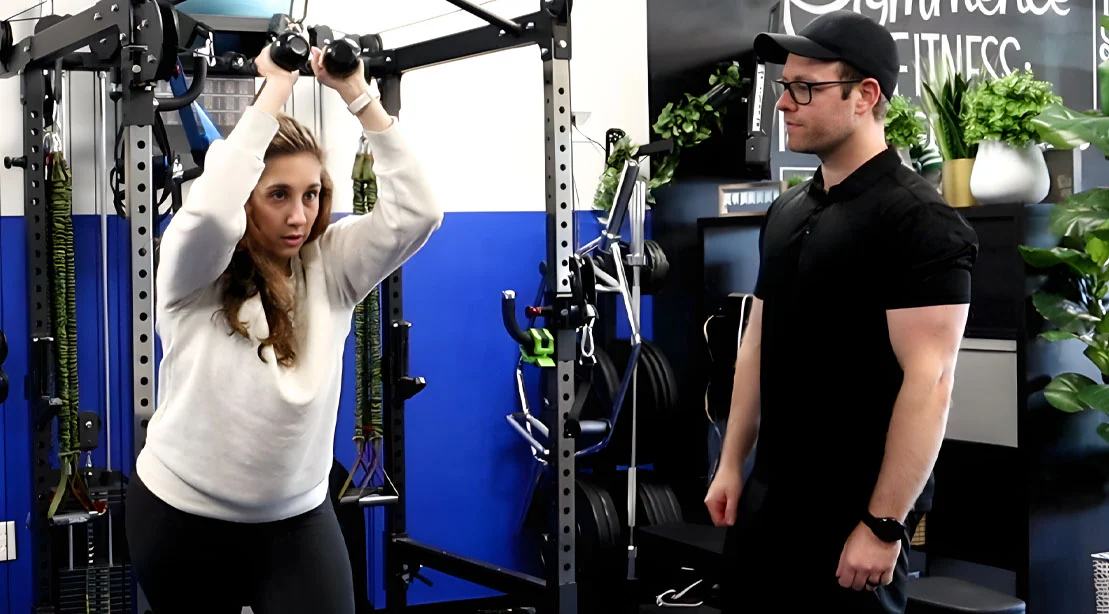
For the everyday gym-goer, distinguishing between a marketing-savvy hobbyist and a dedicated professional is not just a matter of convenience—it is a matter of safety and long-term physical health. Jeff Payne, a veteran Connecticut-based studio owner and a prominent voice in the fitness education community via his YouTube channel, is at the forefront of this discourse. Having observed the industry’s evolution from both the gym floor and the educational side, Payne offers a critical roadmap for clients to navigate this complex landscape.
The Foundation: Why Certifications are Non-Negotiable
The industry often suffers from the misconception that a trainer’s physique is a direct proxy for their knowledge. However, the most critical "physique" a trainer possesses is their resume of certifications. A reputable trainer should hold a nationally recognized, NCCA-accredited certification.
Payne emphasizes that the process of becoming a trainer is, or at least should be, grueling. He identifies five organizations that set the gold standard: the National Academy of Sports Medicine (NASM), the American Council on Exercise (ACE), the American College of Sports Medicine (ACSM), the National Strength and Conditioning Association (NSCA), and the International Sports Sciences Association (ISSA).
The Chronology of Competence
The path to certification is not a weekend affair. It is an intensive period of study that mimics a collegiate-level survey course. "You have a six-month window to pass the exam, but the industry recommendation is to tackle the material in three to four months," Payne explains. "You are essentially cramming exercise science, anatomy, nutrition, and kinesiology into a short timeframe while juggling personal and professional obligations."
To facilitate this, many successful trainers utilize tools like Pocket Prep. This pedagogical approach—utilizing high-frequency, short-burst quizzing—is replacing the outdated model of grinding through heavy textbooks for hours on end. By identifying weak points in real-time, students can optimize their retention. This systematic approach to learning ensures that a trainer has a baseline grasp of human physiology, which is essential for preventing injuries and managing health conditions.
Upskilling: Defining the Modern Professional
The baseline certification is merely the "license to drive," but the most effective trainers are those who continue their education long after their first exam. Within the first year of practice, Payne advocates for an immediate pivot toward nutrition coaching.
"Nutrition is the most frequently asked question on the gym floor," says Payne. "A trainer who can provide evidence-based, scope-appropriate nutritional guidance is exponentially more valuable than one who limits their feedback to ‘lift heavier’."
Specialized Pathways
Beyond nutrition, the "specialization" phase of a trainer’s career defines their niche. As the population ages, corrective exercise—the practice of identifying and addressing muscular imbalances—has become a mandatory skill set. Trainers who can bridge the gap between physical therapy and general fitness are in high demand. Furthermore, certifications in pre- and postnatal training or sports-specific performance demonstrate a commitment to serving the nuanced needs of specific client populations. These credentials generally require two to three months of focused study, marking the difference between a "generalist" and an "expert."
The "Human" Factor: Beyond Hard Skills
While credentials secure a trainer’s legitimacy, the "soft skills" determine their efficacy. In an era of AI-driven apps and algorithmic workout plans, the human element has become the industry’s most premium commodity. Payne identifies two specific traits that remain immune to technological disruption: adaptability and accountability.
The Art of Adaptability
A great trainer is not one who forces a client to adhere to a rigid, pre-written plan. They are one who understands the "art of the pivot." If a client arrives at a session after a 60-hour work week, or if a minor injury flares up, the trainer must be able to adjust the programming in real-time. This requires a deep understanding of exercise selection—knowing how to achieve a training stimulus without compromising the client’s current physical or mental state.
The Power of Accountability
Perhaps the most underrated, yet essential, service a personal trainer provides is accountability. In the digital age, we have access to more workout content than ever, yet global health trends continue to decline. Why? Because information is not the same as implementation.
"People pay me because they need a scheduled appointment," Payne observes. "It is psychologically easy to skip a workout when no one is watching. It is fundamentally different when there is a human being waiting for you, expecting you, and tracking your progress. That accountability loop is what actually drives long-term consistency."
Rethinking the "Fitness Professional" Aesthetic
One of the most persistent myths in the fitness industry is that the most physically imposing trainer is the most knowledgeable. Payne challenges this, noting that his most successful trainers are often those who are "approachable" rather than "intimidating."
The average new gym member is often apprehensive. When they see a trainer who looks like an elite bodybuilder, they often internalize the belief that they won’t be able to "keep up." Payne suggests that the "regular fit" trainer—the one who balances professional knowledge with a welcoming demeanor—is often far more effective at building the rapport necessary for long-term client retention.
The Client’s Checklist: A Data-Driven Approach
Before a potential client commits to a financial investment in personal training, they should perform a "due diligence" check. If a trainer is hesitant to provide evidence of their expertise, it is a red flag. Payne suggests that clients ask three fundamental questions during the initial consultation:
- "What is your philosophy on programming?" Look for a trainer who values periodization and progression over "random, high-intensity workouts."
- "How do you handle clients with my specific physical history?" A great trainer should be able to explain how they will modify exercises for your past injuries or current health limitations.
- "Can you show me testimonials or examples of results with similar clients?" Social proof is essential. If they have helped others with goals similar to yours—be it weight loss, muscle gain, or functional mobility—they should have a track record to back it up.
Implications for the Future of Fitness
The rise of the "qualified trainer" movement is a positive shift for the industry. As the public becomes more discerning, the "quick-cert" trainers will find it increasingly difficult to compete with those who have invested in their own education.
The industry is moving toward a model of integrated health. A trainer is no longer just someone who counts reps; they are a part of a client’s broader health ecosystem, often working in tandem with dietitians, physical therapists, and physicians. This multidisciplinary approach requires a level of professionalism and ethical standards that the industry is only now beginning to standardize.
For the client, the takeaway is clear: do not outsource your health to a trainer simply because they are convenient or have a popular Instagram page. Treat the hiring process with the same level of seriousness you would when choosing a healthcare provider. Verify the credentials, assess the soft skills, and look for a track record of success. By doing so, you are not just buying a workout; you are investing in a partnership that has the potential to fundamentally improve the quality of your life.
Ultimately, the best trainer is a teacher. They should leave you not only stronger and healthier but more knowledgeable about your own body and more capable of sustaining your health for the long haul.