For the first time since 2018, the American College of Cardiology (ACC) and the American Heart Association (AHA) have fundamentally reshaped the landscape of heart health. Unveiled on March 28 at the ACC’s 75th Annual Scientific Session in New Orleans, the new clinical guidance on blood cholesterol screening and management represents a massive leap toward precision medicine. Published simultaneously in the Journal of the American College of Cardiology and Circulation, these recommendations seek to curb the silent epidemic of atherosclerosis by moving away from "one-size-fits-all" metrics toward a deeply personalized, life-course approach to cardiovascular health.
The Evolution of Cardiovascular Care: A Chronology
The release of the 2026 guidelines marks the culmination of eight years of intensive research and shifting clinical paradigms. Since the last major update in 2018, the medical community has observed a growing disparity between traditional screening methods and the actual burden of cardiovascular disease (CVD) among younger, seemingly healthy adults.
- 2018: The previous gold-standard guidelines established the framework for statin therapy and risk assessment, largely focused on 10-year risk projections for patients over 40.
- 2024–2025: A period of intense data synthesis, where large-scale cohort studies—including data from over 6.6 million individuals—challenged the predictive power of older models.
- March 2026: The formal unveiling of the new guidance at the ACC’s 75th Annual Scientific Session.
- Post-Session: The publication of "The ABCs of Cardiovascular Disease Prevention: Communicating What We Know in 2026" in the American Journal of Preventive Cardiology, which serves as a clinical companion piece to ensure practitioners can translate complex data into actionable patient communication.
This progression reflects a deliberate shift: moving from treating the "event" (the heart attack or stroke) to managing the "process" (the lifelong buildup of arterial plaque).
The Core Philosophy: LDL-C and the Life-Course Perspective
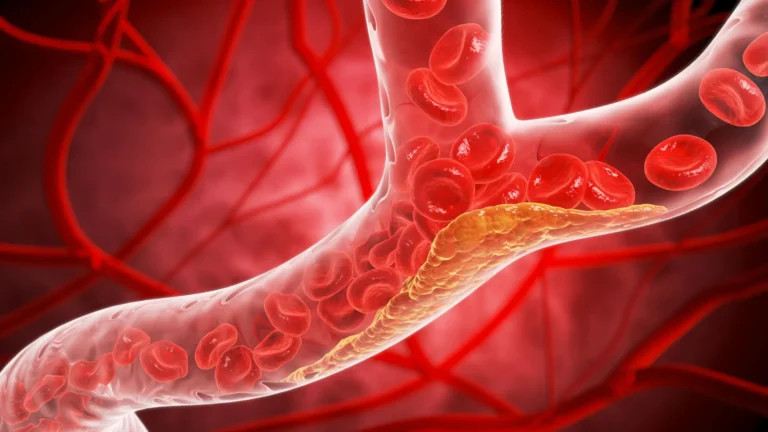
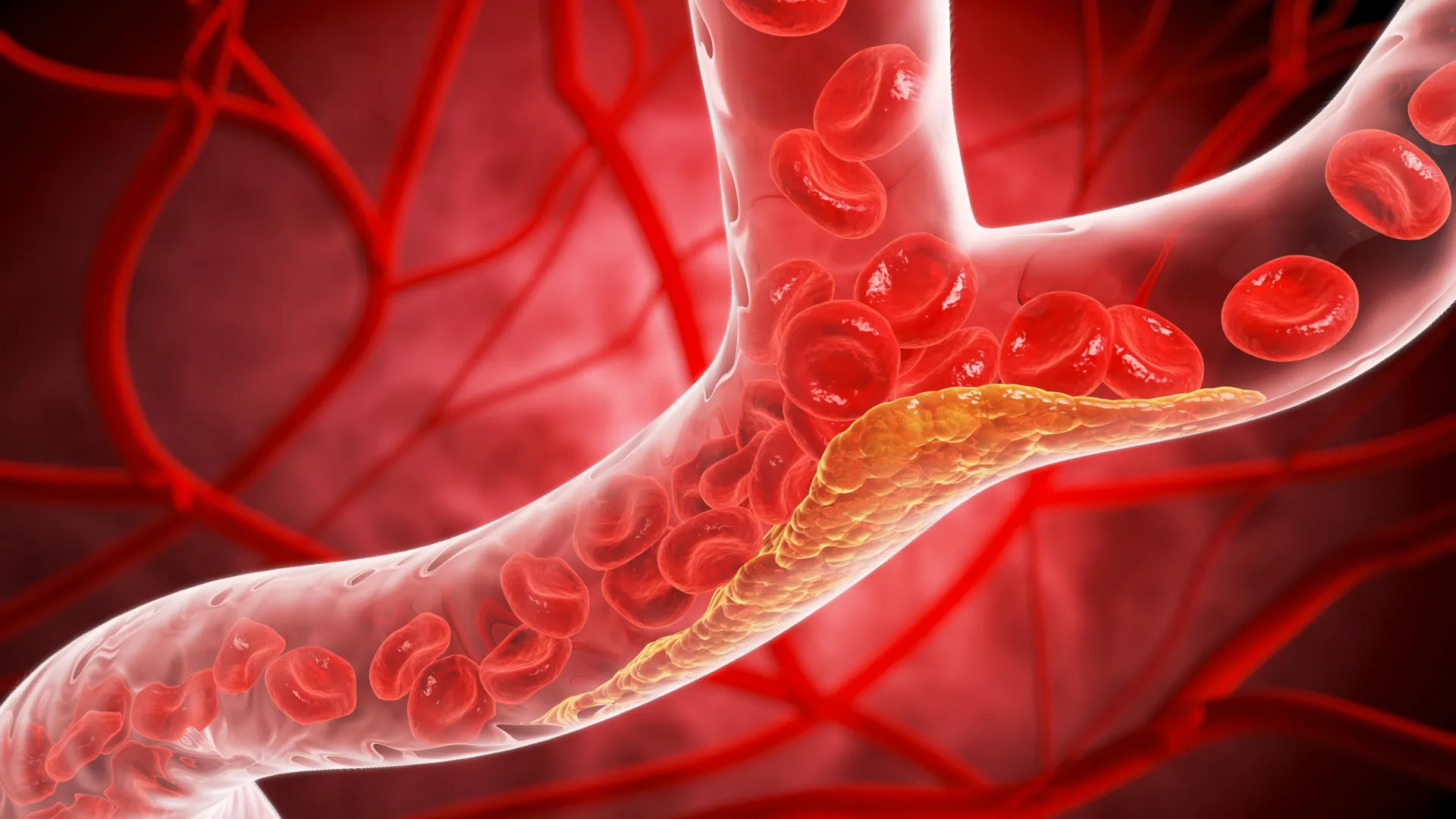
At the heart of the 2026 guidelines is an unwavering focus on low-density lipoprotein (LDL) cholesterol, the "bad" cholesterol that serves as the primary driver of atherosclerosis. However, the new guidance expands the scope of what constitutes a "risk factor."
"We know that lower LDL cholesterol levels are better when it comes to reducing the risk of heart attacks, strokes, and congestive heart failure," says Roger S. Blumenthal, M.D., chair of the guideline writing committee and director of the Johns Hopkins Ciccarone Center for the Prevention of Cardiovascular Disease. "We also know that bringing elevated lipids and blood pressure down in young adults supports optimal heart and vascular health throughout a person’s life."
The guidelines emphasize that the biological damage caused by high cholesterol is cumulative. By waiting until middle age to intervene, the medical system has historically allowed decades of silent, sub-clinical plaque accumulation to occur. The 2026 approach advocates for early identification of genetic predispositions and lifestyle-induced lipid elevations, allowing for "course correction" before irreversible vascular damage is sustained.
Supporting Data: Why the Paradigm Must Shift
The necessity for these updates is underscored by stark statistical realities. Approximately one in four adults in the United States suffers from elevated LDL-C. This high prevalence is the engine behind atherosclerosis, where lipids infiltrate artery walls to form plaques. When these plaques become unstable, they can rupture, triggering catastrophic cardiac events.
The 2026 update addresses this by introducing the PREVENT (Predicting Risk of Cardiovascular Disease EVENTs) calculator. Unlike its predecessor, which was limited to 10-year projections for those aged 40 and older, the PREVENT tool:
- Expands Age Range: It is now designed for use starting at age 30, capturing risk factors during a critical window for early intervention.
- Integrates Biological Markers: It moves beyond age, cholesterol, and blood pressure to include kidney function and blood sugar levels.
- Leverages Big Data: The model is built on a dataset of 6.6 million individuals—an exponential increase from the 26,000 used in the 2018 model—resulting in significantly higher precision in long-term (10- and 30-year) risk stratification.
Genetic Risk and Specialized Screening
Perhaps the most significant departure from previous practice is the emphasis on genetic and life-event-based risk factors. The guidelines now explicitly recommend:
- Early Screening for Genetic Conditions: Individuals with familial hypercholesterolemia, a hereditary condition leading to dangerously high cholesterol, are now advised to undergo screening as early as age 9.
- Lp(a) Testing: Lipoprotein(a), a lipid particle tied to inherited risk, is now a focal point. A one-time test is recommended, as levels of 125 nmol/L can increase heart disease risk by 40%, with that risk doubling at 250 nmol/L.
- Broadened Risk Assessment: The guidelines urge clinicians to look beyond standard blood panels. Factors such as a history of preeclampsia, gestational diabetes, early menopause, or autoimmune conditions like rheumatoid arthritis are now formally recognized as "risk enhancers" that warrant closer cardiovascular surveillance.
Official Responses and Expert Commentary
The medical community has largely lauded the guidelines for their emphasis on "shared decision-making." Seth Martin, M.D., M.H.S., a cardiologist and member of the writing committee, notes that the new approach is about changing the trajectory of patient health. "Shifting the paradigm toward proactive prevention strategies earlier in life can meaningfully change the trajectory of cardiovascular disease and lead to better health outcomes for people decades later," Dr. Martin stated.
Despite the high-tech focus on risk calculators and pharmaceuticals, the experts are quick to clarify that the fundamentals of health have not changed. Dr. Blumenthal reiterates that 80% to 90% of cardiovascular disease is linked to modifiable lifestyle factors. A balanced diet, consistent physical activity, tobacco cessation, adequate sleep, and weight management remain the "first-line therapy."
Implications for Treatment: A Tiered Approach
The 2026 guidelines provide a sophisticated roadmap for treatment that accounts for the diversity of the modern patient population, including those with HIV, cancer, advanced kidney disease, and those who are pregnant or breastfeeding.
The New LDL-C Targets
The targets have become more aggressive, reflecting the consensus that "lower is better":
- Low-Risk (General Population): Optimal levels are below 100 mg/dL.
- Intermediate Risk: Targets are now below 70 mg/dL.
- High-Risk: Targets are set at less than 55 mg/dL.
Expanded Pharmacological Arsenal
While statins remain the cornerstone of therapy, the guidelines provide clear pathways for patients who are intolerant to statins or who require more robust lipid management. The inclusion of ezetimibe, bempedoic acid, and injectable PCSK9 monoclonal antibodies provides clinicians with a tiered "menu" of options to reach the new, lower targets.
Refining Risk with Imaging
For those in the "gray area" of moderate risk, the guidelines suggest that clinical uncertainty can be resolved through objective imaging. Coronary artery calcium (CAC) scans are encouraged as a way to visualize the actual presence of plaque, allowing doctors to tailor treatment plans with greater certainty. This diagnostic precision ensures that patients who need aggressive treatment receive it, while those at lower risk are not over-medicated.
Looking Toward the Future
The release of the 2026 guidelines is not an end point, but a new beginning. In an accompanying editorial, researchers pointed toward the results of the VESALIUS-CV clinical trial, which demonstrated that even more aggressive lowering of LDL-C—potentially pushing targets even further below the current 55 mg/dL threshold—could yield profound benefits for those with established atherosclerosis.
As the medical field continues to embrace digital health tools like the PREVENT calculator, the hope is that cardiovascular disease will transition from a reactive model of acute care to a proactive, lifelong journey of wellness. By combining genetic testing, advanced imaging, and personalized pharmacological strategies with the timeless advice of healthy living, the ACC and AHA have provided a robust framework designed to save millions of lives over the coming decades.
The 2026 Guideline on the Management of Dyslipidemia stands as a collaborative achievement, developed by the ACC and AHA alongside a coalition of medical organizations. It serves as a stark reminder that while heart disease remains a leading cause of mortality, the tools to manage—and potentially prevent—it have never been more precise, nor more effective.