For millions of individuals living with obstructive sleep apnea (OSA), Continuous Positive Airway Pressure (CPAP) therapy is the gold standard for treatment. By providing a steady stream of pressurized air to keep the airway open during sleep, CPAP machines effectively mitigate the risks associated with apnea. However, the efficacy of this life-saving therapy is entirely dependent on one critical factor: adherence.
Clinical data consistently shows that patient compliance often hinges on comfort. A common barrier to consistent usage is the interaction between standard bedding and the CPAP mask. Traditional pillows, designed without the mechanics of sleep apnea therapy in mind, often push against the mask, creating leaks, causing facial pressure sores, or hindering the user’s ability to maintain a comfortable side-sleeping position.
To bridge this gap between medical necessity and physical comfort, a specialized market of "CPAP pillows" has emerged. These accessories are engineered with specific cutouts, contours, and adjustable lofts designed to integrate seamlessly with mask interfaces, ultimately supporting long-term therapeutic success.
The Clinical Challenge: Why Standard Pillows Fall Short
The discomfort associated with CPAP therapy is not merely a matter of preference; it is a significant contributor to treatment abandonment. When a patient uses a conventional pillow, the bulk of the material often makes contact with the frame or seal of a full-face or nasal mask. This contact triggers several adverse outcomes:

- Air Leaks: Even slight displacement of the mask seal can cause pressurized air to escape, often blowing directly into the user’s eyes—a common cause of irritation and awakening.
- Pressure Marks: Prolonged contact between the mask and the face, exacerbated by the resistance of a pillow, can lead to skin breakdown, deep indentations, and chronic facial pain.
- Restricted Movement: Many patients require side-sleeping positions to manage their apnea effectively. Standard pillows often force the mask into the mattress, making it impossible for the patient to shift positions without breaking the seal.
- Claustrophobia: When a mask is repeatedly pushed against the face by a pillow, the sensation of entrapment increases, leading to increased anxiety and decreased sleep quality.
Clinicians frequently recommend CPAP-specific pillows as a primary troubleshooting tool for patients struggling with these issues. By providing a recessed space for the mask and specialized support for the neck and head, these pillows allow the equipment to "float" without interference.
Chronology of Innovation in CPAP Comfort
The evolution of the CPAP pillow is a reflection of the broader shift in sleep medicine toward patient-centered care.
- Early 2000s: As CPAP therapy became the standard of care, patients began improvising with rolled towels or soft foams to create "pockets" for their masks.
- Mid-2000s to 2010s: Manufacturers began recognizing the need for durable medical equipment (DME) accessories. The first generation of CPAP pillows focused on simple ergonomic cutouts.
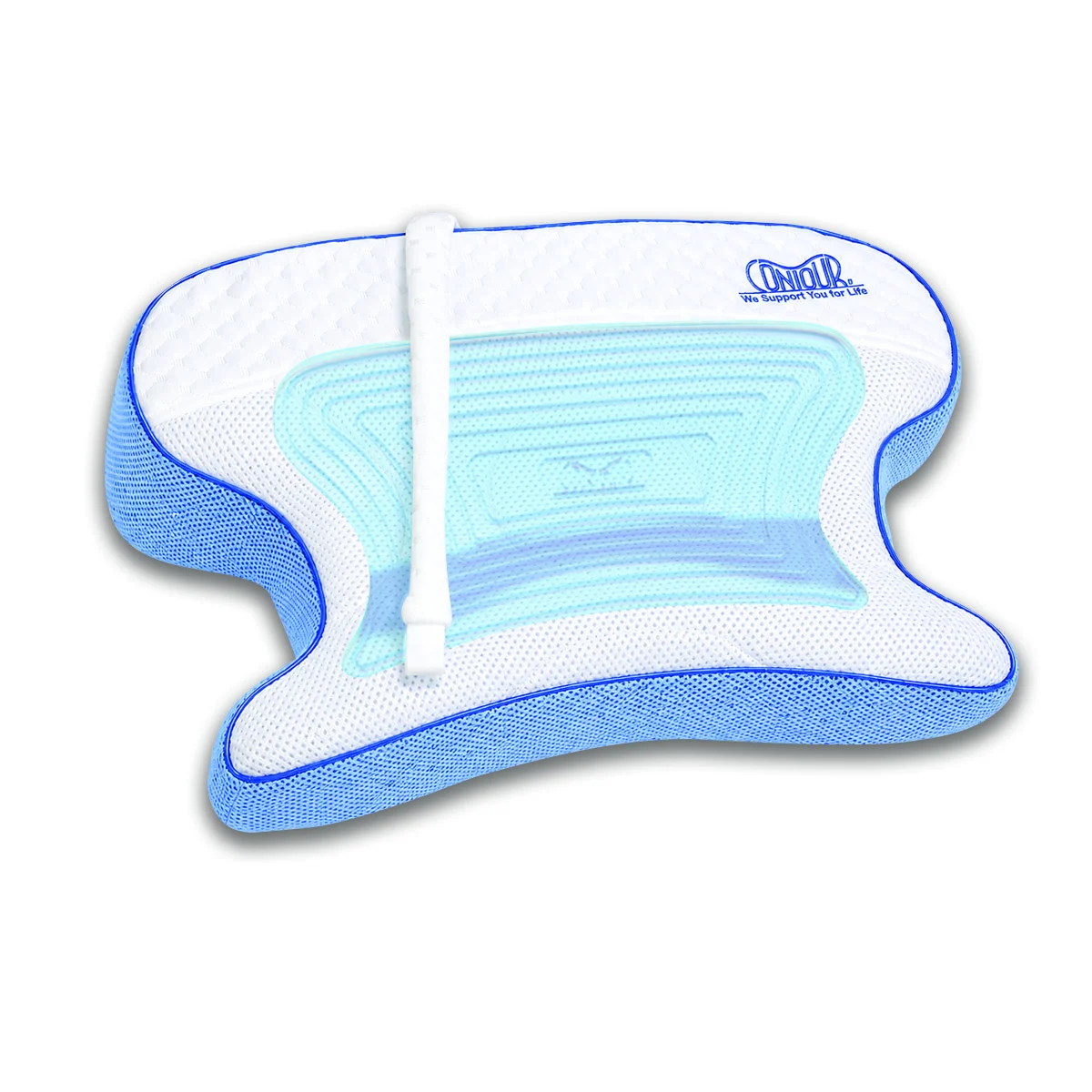
- 2020 to Present: The modern era of CPAP pillow design has shifted toward high-tech materials. Current models, such as those produced by Contour Products and Core Products International, now incorporate cooling gel, charcoal-infused foams, and adjustable loft systems to accommodate a wider variety of mask styles and body types.
Comparative Analysis: Key Specifications
To assist clinicians and patients in selecting the appropriate equipment, Sleep Review has compiled a comparative overview of current market leaders. These products vary significantly in their approach to comfort and structural support.
The Leading Contenders
-
Contour Products, Inc. (CPAPMax, CoolPAP, and CPAP CoolFlex):

- CPAPMax: A high-end, fully adjustable model. Its standout feature is its modularity; users can customize both height and firmness, making it highly versatile for those who transition between different masks.
- CoolPAP: Designed specifically for the nomadic user. Its ability to roll into a compression pack makes it the leading choice for patients who travel frequently but require consistent therapy.
- CPAP CoolFlex: Focuses on the intersection of flexibility and alignment, offering a specialized neck support system that moves with the user.
-
Core Products International, Inc. (Core CPAP Pillow):
- This US-made product prioritizes a "universal" design. By utilizing a quilted side panel, it creates a distinct edge that allows for tubing management—a common pain point for patients who find their hose tangling during the night.
-
Dr. Kakar Products (The Kakar Pillow):
- Designed by a clinician, this pillow emphasizes an ergonomic, low-profile design. It is particularly effective for patients who prefer a firmer support base while maintaining the necessary clearances for side-sleeping.
Data Summary Table
| Feature | CPAPMax | CoolPAP | CoolFlex | Core CPAP | Kakar |
|---|---|---|---|---|---|
| Firmness | Adjustable | Med-Soft | Med-Soft | Medium | Medium |
| Primary Material | Memory/High-Resilience | Memory/Gel | Memory/Gel | Cotton/Poly Fill | Memory Foam |
| Weight | 3.19 lbs | 3 lbs | 3.85 lbs | 1.32 lbs | 0.25 lbs |
| Washability | Cover only | Cover only | Cover only | Hand wash | Cover only |
(Data current as of May 2026)
Implications for Patient Outcomes
The adoption of a specialized pillow is more than a convenience; it is a clinical intervention. Research indicates that when a patient perceives their therapy as "comfortable," the likelihood of long-term adherence increases by a significant margin.

Reducing Pressure and Leaks
The mechanical design of these pillows specifically addresses the "mask-on-pillow" phenomenon. By utilizing cutouts—ranging from 1.5 inches to 8 inches in width—these pillows create a void where the mask can sit undisturbed. This minimizes the torque applied to the mask frame, which is the primary cause of seal failure.
Thermal Regulation
One of the overlooked aspects of sleep comfort is heat retention. CPAP masks can cause sweat accumulation around the nose and mouth. Many of the modern pillows listed above incorporate cooling gel inserts and nylon-spandex covers to wick moisture away, providing a dual-benefit of mask stability and temperature regulation.
Long-Term Adherence
The "mask fatigue" that many patients experience—where they wake up in the middle of the night and rip off their mask—is often triggered by a subconscious reaction to discomfort. By eliminating the source of that physical irritation, patients are more likely to achieve the "gold standard" of four or more hours of usage per night, which is the benchmark for therapeutic success.
Official Perspectives and Market Guidance
It is important to note that the CPAP pillow market is largely composed of comfort accessories rather than strictly regulated medical devices. While they are marketed alongside CPAP therapy, they are not intended to replace the primary prescription equipment.

Sleep Review emphasizes that information regarding these products is sourced directly from manufacturers. While these companies provide technical specifications, individual experiences may vary based on facial anatomy, mask type, and personal sleep posture.
How to Choose
When selecting a pillow, patients and clinicians should consider:
- The Mask Type: Full-face masks typically require larger cutouts than nasal pillows.
- The Sleep Position: Side sleepers may benefit more from the contoured edges of the Core or Kakar designs, while back sleepers might prefer the adjustable loft of the CPAPMax.
- Travel Habits: For the frequent flyer, portability—as offered by the CoolPAP—is often the deciding factor.
Conclusion
The journey to effective CPAP therapy is often marred by trial and error. While the machine itself provides the pressure, the environment in which the patient sleeps determines whether that pressure can be delivered consistently. By investing in a pillow specifically engineered to accommodate CPAP hardware, patients can move beyond the "nuisance" phase of therapy and toward a more restorative, healthy sleep experience. As technology continues to improve, the integration of cooling materials and customizable ergonomic shapes will likely remain at the forefront of this vital, comfort-focused sector of sleep medicine.