As we navigate our sixth decade and beyond, the physical landscape of our daily lives shifts. Tasks that once felt automatic—climbing a flight of stairs, hoisting groceries from the car, or simply rising from a deep armchair—suddenly require a more deliberate engagement of our musculoskeletal system. For adults over 60, lower-body strength is not merely a fitness goal; it is the cornerstone of functional independence and a primary defense against the common risks of aging, such as falls and reduced mobility.
According to certified personal trainer Tyler Read, BSc, the secret to maintaining this vitality doesn’t necessarily lie in heavy weightlifting or high-impact gym routines. Instead, the answer may be as close as the nearest wall. By utilizing vertical surfaces for stability and support, older adults can perform targeted movements that rebuild muscle, improve balance, and protect sensitive joints from the wear and tear often associated with traditional, unassisted exercise.
The Vital Importance of Lower-Body Power
The lower body—specifically the quadriceps, glutes, calves, and core—serves as the engine for human movement. After age 60, these muscle groups are prone to sarcopenia, or age-related muscle loss, if not consistently stimulated. Traditional squatting, while effective for younger athletes, can sometimes place undue stress on aging knees, hips, and lumbar spines. When exercise causes pain, consistency inevitably drops, leading to a cycle of inactivity that further diminishes physical capability.
Wall-supported exercises provide a "controlled environment" for muscle activation. By leaning against a stable surface, an individual can remove the fear of losing balance, allowing the brain to focus on contracting the target muscles rather than stabilizing the entire body. This added confidence allows for greater muscular recruitment, leading to faster strength gains without the risk of joint aggravation.
Chronology of Strength: A Path to Independence
The journey to rebuilding lower-body strength is a progressive process. It begins with acknowledging the shift in physical requirements and moves toward a routine of gentle, consistent, and daily maintenance.
- The Awareness Phase: Understanding that balance and strength are interconnected. Weakness in the calves, for example, is directly linked to an increased risk of trips and stumbles.
- The Stability Phase: Implementing wall-assisted exercises to regain confidence. This creates the foundational neurological and muscular pathways needed for more complex movements.
- The Integration Phase: Translating these wall-based gains into everyday life, such as feeling "lighter" on the stairs or noticing improved endurance during walks.
Supporting Data: Why the Wall Works
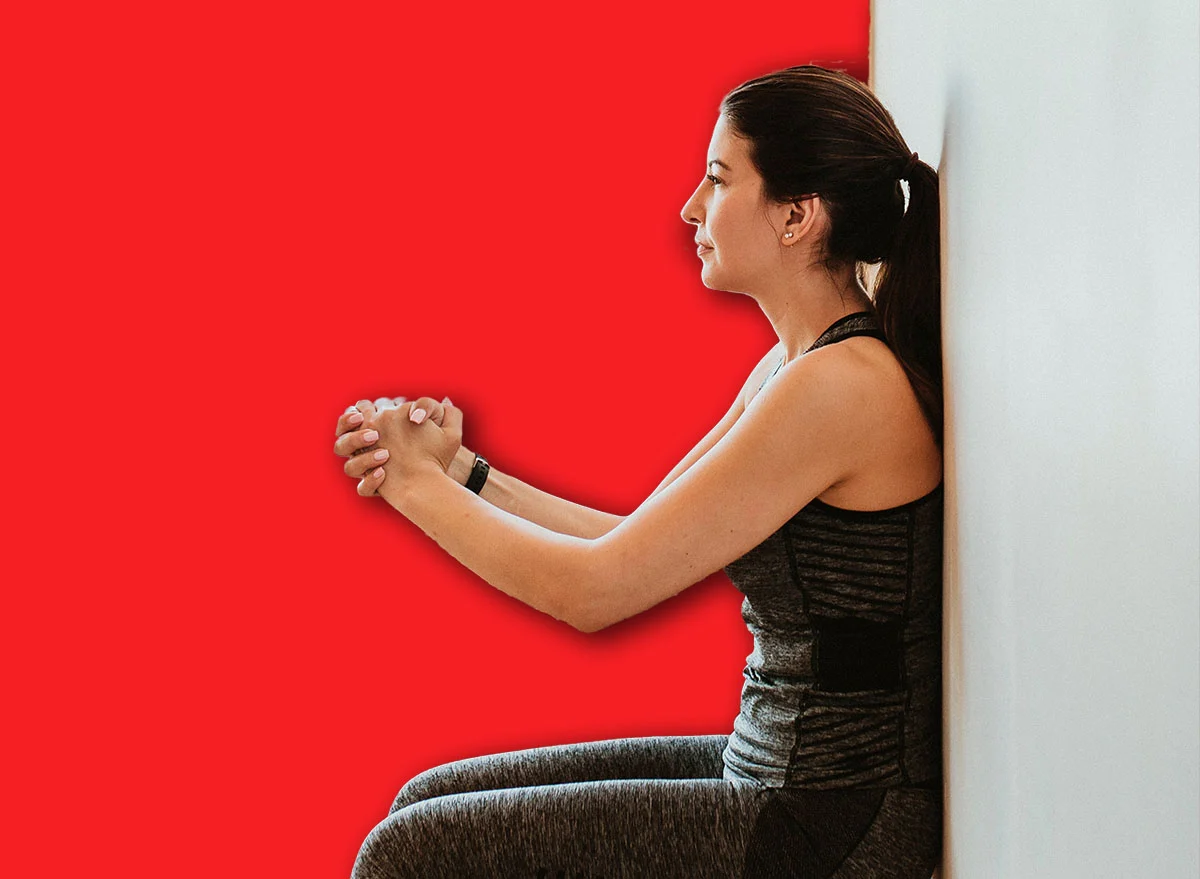
Biomechanically, the wall serves as an external anchor. When an individual performs a wall sit, for example, the spine is supported throughout the entire range of motion. This eliminates the "shearing force" that often causes lower back discomfort during free-standing squats.
Furthermore, research into geriatric health suggests that "closed-kinetic chain" exercises—where the feet are planted against a surface—are superior for older adults because they mimic functional movement patterns. By utilizing a wall, the exerciser increases the duration under tension without the need for heavy external weights, effectively building muscular endurance that translates directly into better stamina for daily chores.
Expert Perspective: Tyler Read’s Protocol
Tyler Read, who has spent 15 years in the health and fitness industry, emphasizes that these exercises are not just about "working out"—they are about "working in." The goal is to restore the body’s natural mechanics.
1. Wall Sits: The Foundation of Endurance
Wall sits are perhaps the most potent tool for building quad and core endurance. By holding a seated position against a wall, the quads are forced to work isometrically. This constant tension builds the specific type of endurance required for standing in line or cooking in the kitchen.
- The Benefit: It builds leg stamina without requiring the knees to travel through a painful range of motion.
2. Wall Calf Raises: The Balance Keepers
Calves are often the most neglected muscle group, yet they are the primary drivers of our gait. Strengthening the calves improves "push-off" power, which makes walking feel more fluid and less taxing.
- The Benefit: Increased ankle stability and improved circulation in the lower legs.
3. Wall-Assisted Split Squats: Correcting Asymmetry
Most adults have a "dominant" side, leading to muscular imbalances that can cause hip pain. The wall-assisted split squat allows for single-leg training with the security of a hand-hold, ensuring that both legs are strengthened equally.
- The Benefit: Improved coordination and a reduction in the "hip-drop" that often occurs while walking.
4. Wall Marches: Restoring Hip Function
Wall marches force the abdominal muscles to engage while the hip flexors lift the legs. This is essential for maintaining the ability to lift one’s feet properly—a critical skill for preventing trips on uneven surfaces.
- The Benefit: Increased core engagement and better hip mobility.
5. Wall Glute Presses: Protecting the Lower Back
The glutes are the largest muscles in the body, but they often "go to sleep" due to prolonged sitting. Wall glute presses gently wake these muscles up. Stronger glutes act as a shock absorber for the lower back and knees.
- The Benefit: Reduced lower-back tension and better pelvic alignment.
Implications for Longevity and Quality of Life
The implications of adopting a wall-based strengthening routine are significant. Beyond the physiological benefits, there is a profound psychological impact. When an individual feels steady on their feet, their willingness to engage in social activities, travel, and remain active increases.
Independence in one’s later years is largely determined by the "Activities of Daily Living" (ADLs). The ability to maintain these activities is directly tied to the strength of the lower body. By dedicating just a few minutes each day to these five movements, seniors can proactively guard against the loss of autonomy.
Final Recommendations for Implementation
To get the most out of these movements, consistency is paramount. It is recommended to:
- Start Slow: Begin with 15-30 seconds per hold or 5-10 repetitions per exercise.
- Focus on Form: Never push through sharp pain. The goal is muscle fatigue, not joint distress.
- Listen to Your Body: If you feel unstable, adjust your stance closer to the wall.
- Consult a Professional: As with any new fitness regimen, individuals with existing medical conditions or chronic pain should consult their primary care physician or a physical therapist before beginning.
By turning your home into a personal training studio, you are not just exercising; you are investing in the most important asset you own: your ability to move through the world with confidence, grace, and strength. As Tyler Read suggests, the wall is always there—use it to build the future you deserve.