





As the biological clock ticks past the age of 60, the body undergoes a series of natural physiological shifts. Among the most critical is the onset of sarcopenia—the gradual, age-related loss of lean muscle mass. While this decline is universal, it is not inevitable. The lower body, home to the largest muscle groups in the human anatomy, requires targeted, consistent stimulation to maintain the functional independence that defines a high quality of life.
For men over 60, rebuilding and preserving leg strength is not merely an aesthetic pursuit; it is a fundamental pillar of metabolic health, mobility, and injury prevention. By integrating a structured, science-backed morning routine, men can reverse the tide of muscle atrophy and secure their physical autonomy for decades to come.
The Foundation: Understanding the Mechanics of Aging
The human body relies on the quadriceps, glutes, hamstrings, calves, and hip stabilizers to execute the most basic tasks of daily living: walking, climbing stairs, rising from a chair, and maintaining balance. When these muscle groups weaken, the risk of falls—and the subsequent complications that arise from them—increases exponentially.
Robyn Culbertson, PT, DPT, a Board-Certified Geriatric Clinical Specialist and spokesperson for the American Physical Therapy Association (APTA), emphasizes that the degradation of these muscles is often the primary driver of loss of independence. "The most important lower-body muscle groups to maintain later in life are the quadriceps, glutes, hamstrings, calves, and hip stabilizers," Culbertson explains. "These muscles are essential for everyday functional movements. Maintaining them is the difference between active living and sedentary reliance."
Expert Methodology: The Four Pillars of Leg Strength
To combat age-related decline, fitness professionals are increasingly moving away from machine-based exercises toward functional, free-weight movements. Jacob Siwicki, founder of Siwicki Fitness and a highly decorated personal trainer, advocates for a movement-pattern approach that prioritizes longevity.
"The exercises I recommend address the four key leg movement patterns: squat, lunge, hinge, and single-leg," says Siwicki. "By utilizing free weights, we force the body to recruit stabilizer muscles that machines completely ignore. Furthermore, these movements are either unilateral or asymmetric. This is crucial because it exposes the side-to-side imbalances that quietly develop after 60, which, if left unaddressed, eventually manifest as limping, chronic knee pain, and, ultimately, falls."
The Chronology of Implementation
Before diving into a new regimen, it is imperative to establish a safe baseline. The following routine is designed to be performed in the morning, serving as a "wake-up call" for the central nervous system and the musculoskeletal structure.
1. Goblet Squats: The Foundation of Force
The goblet squat is widely considered the "king" of lower-body exercises. By holding a weight at chest level, the individual is forced to maintain an upright torso, which recruits the core while maximizing quad and glute engagement.
- Why it works: It provides a safe, natural range of motion that mimics the action of sitting down and standing up.
- Execution: Hold a kettlebell or dumbbell at chest height. Keep your feet shoulder-width apart, descend slowly, and drive through your heels to return to a standing position.
2. Reverse Lunges: Addressing Unilateral Imbalance
Unlike forward lunges, which can place excessive stress on the patellar tendon, reverse lunges are generally more knee-friendly. They demand significant stabilization from the lead leg.
- Why it works: This movement builds unilateral leg strength—the specific quality that tends to fade the fastest as we age.
- Execution: Step backward with one foot, lowering your hips until both knees are at roughly 90-degree angles. Keep your chest tall and return to a standing position.
3. Step-Ups: Training for Real-World Mobility
Stairs and inclines are often the first obstacles that reveal a decline in leg power. Step-ups directly replicate the drive pattern required to ascend.
- Why it works: It promotes single-leg power and trains the neuromuscular connection required to navigate stairs safely.
- Execution: Use a sturdy bench or box. Step up with one foot, driving your body weight upward, then slowly descend with control.
4. Single-Leg Romanian Deadlift (RDL): The Fall-Prevention Hero
Balance is not just about the inner ear; it is about the strength of the posterior chain and the stabilizer muscles in the ankle.
- Why it works: The RDL targets the hamstrings and glutes while simultaneously training the small stabilizers around the ankle that prevent rolls and trips.
- Execution: Balancing on one leg, hinge at your hips, extending your non-working leg behind you while lowering the weight toward the floor. Keep a flat back.
5. Slow Calf Raises: Strengthening the First Line of Defense
Often ignored in standard workout routines, the calves are vital for the "propulsive" phase of walking and provide the explosive strength needed to recover from a stumble.
- Why it works: It is the primary defense against tripping.
- Execution: Stand on a flat surface or the edge of a step. Rise slowly onto your toes, pause at the top for two seconds, and lower with complete control.
6. Sit-to-Stands: Functional Independence
For those who may feel intimidated by heavy lifting, the sit-to-stand is the perfect entry point. It bridges the gap between sedentary behavior and active movement.
- Why it works: It directly improves the ability to rise from chairs or toilets, a critical metric for long-term home-based independence.
- Execution: Sit on a chair, engage your core, and stand up without using your hands for support. Lower yourself back down with a count of three seconds.
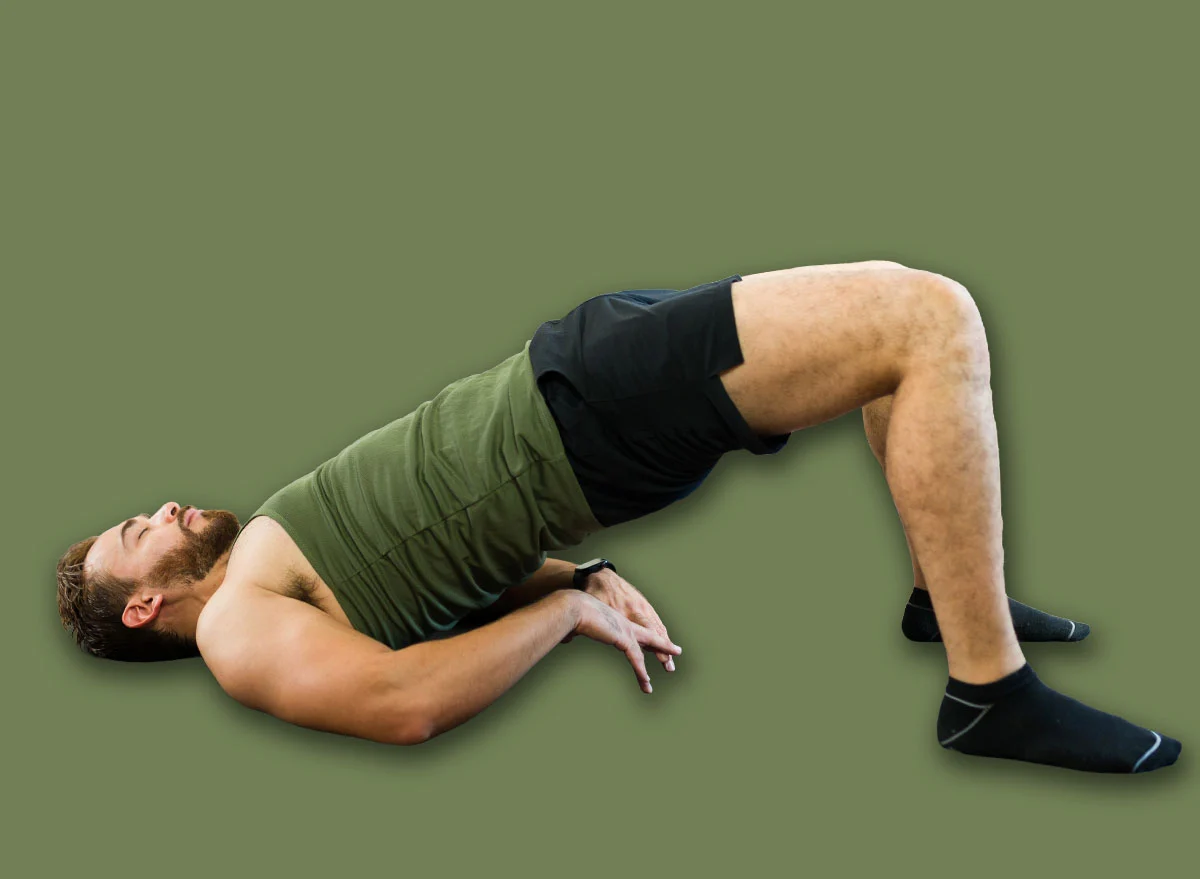
7. Bridges: The Posterior Powerhouse
The gluteus maximus is the largest muscle in the body, yet it is often "asleep" due to prolonged sitting. Bridges wake these muscles up.
- Why it works: They stabilize the lower back and support the pelvis, creating a solid base for posture.
- Execution: Lie on your back with knees bent. Drive your heels into the floor to lift your hips, squeezing your glutes at the peak of the movement.
Supporting Data and Clinical Perspectives
The medical community is in consensus: movement is medicine. According to research cited by the APTA, physical therapy is not just for injury rehabilitation; it is a prophylactic measure. Robyn Culbertson notes, "It’s never too early to make physical therapy part of your health routine. We aren’t just treating symptoms; we are optimizing the mechanics of the human machine to ensure it runs smoothly for as long as possible."
The implications of failing to act are significant. Sarcopenia, if left unchecked, leads to a downward spiral of decreased activity, which leads to further muscle loss, creating a feedback loop of frailty. Conversely, the "morning move" approach creates a positive feedback loop: stronger muscles lead to more energy, which leads to more daily movement, which further preserves muscle mass.
Implications for Longevity
For men over 60, this routine is more than just a series of exercises—it is a blueprint for an active retirement. The goal is to move from a state of "managing decline" to one of "maintaining vitality."
Key Takeaways for Success:
- Consistency over Intensity: You do not need to train like an athlete to see results. Three to four mornings a week of these functional movements will yield significant improvements in strength and balance.
- Consultation: Always clear a new exercise program with your healthcare provider, especially if you have a history of cardiovascular issues or joint degeneration.
- Mindful Progression: Start with body weight. Once the movement patterns are perfected, gradually introduce light resistance.
- Professional Guidance: If you are unsure of your form, one or two sessions with a physical therapist or a trainer certified in senior fitness can prevent injury and accelerate your progress.
By reclaiming the strength in your legs, you are effectively buying back your future freedom. Whether it is playing with grandchildren, traveling, or simply navigating the stairs of your own home with confidence, the effort invested in these morning moves pays dividends that far outweigh the time spent in the gym. The path to a robust, independent, and active life starts with the very next step you take.