











In a move designed to fortify its position as the global leader in sleep medicine, ResMed has officially announced the acquisition of Noctrix Health, the developer of the innovative Nidra device. This noninvasive therapeutic technology is specifically engineered to treat Restless Legs Syndrome (RLS), a chronic neurological condition that affects an estimated 17 million Americans. By folding Noctrix into its expansive portfolio, ResMed is not only diversifying its product offerings beyond traditional respiratory care but is also signaling a strategic pivot toward addressing unmet needs in the broader sleep-disorder ecosystem.
Main Facts: A Synergy of Market Access and Innovation
The acquisition, which was first disclosed during ResMed’s third-quarter earnings call in April, represents a calculated bet on the synergy between existing sleep-medicine distribution channels and emerging medical technologies. ResMed, long known for its dominant market share in CPAP, APAP, and bilevel therapy devices for obstructive sleep apnea (OSA), views the acquisition of Noctrix as a natural evolution of its business model.
At the core of this deal is the Nidra device. Unlike pharmaceutical interventions, which currently serve as the primary, yet often problematic, treatment for RLS, Nidra offers a non-pharmacological, home-based solution. For ResMed, the primary value proposition lies in the fact that the demographic suffering from RLS is already being managed by the same network of sleep physicians and durable medical equipment (DME) providers that distribute ResMed’s flagship respiratory products.
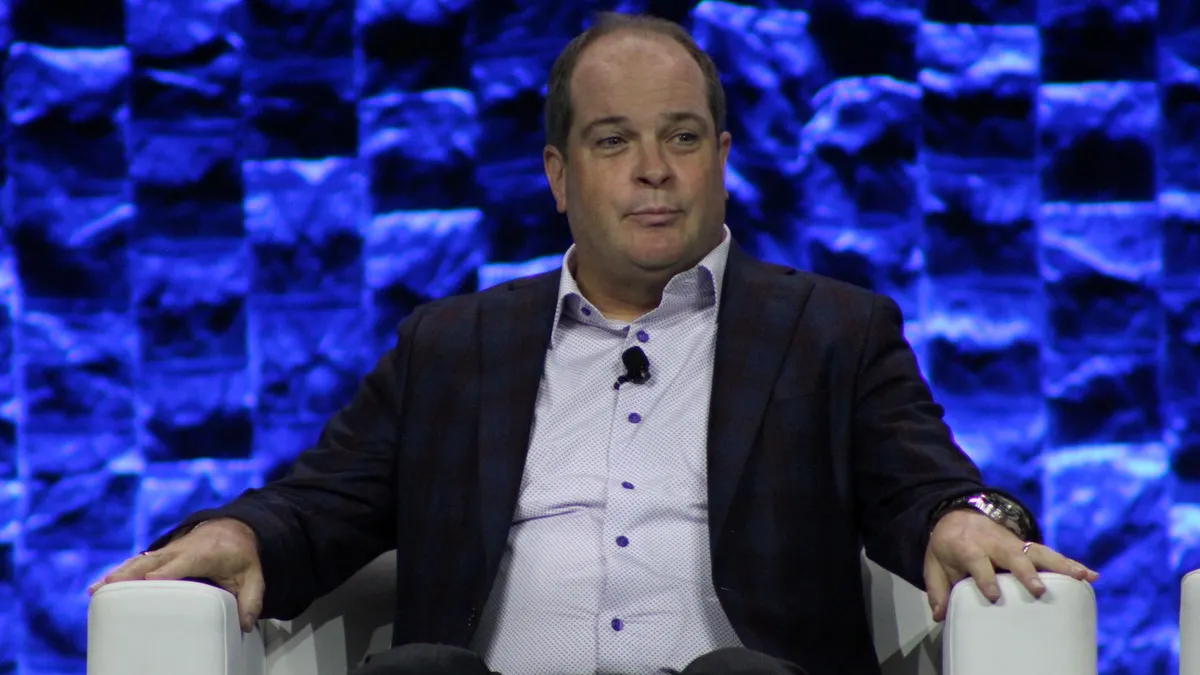
ResMed CEO Mick Farrell has been vocal about the strategic logic behind the acquisition, asserting that ResMed possesses the infrastructure to scale the Nidra technology faster than any other player in the medical technology space. With a robust global supply chain and established relationships with payors, ResMed intends to accelerate the commercialization of the Nidra device by enhancing market access and securing broader reimbursement coverage.
Chronology: From Clinical Validation to Corporate Integration
The path to this acquisition was paved by years of clinical rigor by Noctrix Health.
- 2023 Clinical Milestone: Noctrix published pivotal clinical trial data that demonstrated the efficacy of the Nidra device in patients for whom standard pharmaceutical treatments had failed. The data showed a 45% response rate after four weeks of use, compared to a 16% response rate in the sham-control group.
- The Extension Phase: The trial’s open-label extension phase provided further optimism, showing the response rate climbing to 61% after an additional four weeks. These results caught the attention of major industry players, highlighting the device as a viable alternative to dopaminergic drugs.
- April 2025 – Disclosure: During the third-quarter earnings call, CEO Mick Farrell publicly announced the deal, framing it as an opportunity to address a "huge" unmet need in the sleep medicine market.
- Integration Phase: Following the announcement, ResMed has begun the process of integrating Noctrix’s R&D, sales, and marketing teams into its corporate structure, signaling that the company is prepared to invest heavily in the product’s lifecycle to ensure it reaches its full commercial potential.
Supporting Data: Addressing the Failure of Pharmacological Standards
The medical urgency for a device like Nidra cannot be overstated. Currently, the standard of care for RLS relies heavily on dopamine agonists. While these medications provide initial relief for many patients, they are fraught with significant long-term drawbacks.
The "Augmentation" Problem
The most critical issue with current pharmacological treatments is "augmentation"—a phenomenon where the very drugs intended to suppress RLS symptoms eventually cause those symptoms to worsen or occur earlier in the day. Because there are no robustly approved second-line therapies for patients who experience this drug-induced worsening, the clinical community has been left in a difficult position.
Clinical Performance of Nidra
The trial data supporting the Nidra device serves as a beacon for patients who have exhausted traditional options:
- Primary Efficacy: A 45% response rate in a population of treatment-refractory patients is highly significant in clinical sleep medicine.
- Sustainability: The 61% response rate during the extension period suggests that the efficacy of the device may improve with consistent, long-term use, contrasting sharply with the diminishing returns seen with pharmaceutical interventions.
- Safety Profile: As a non-invasive, non-pharmacological device, Nidra avoids the systemic side effects, such as nausea, dizziness, and impulse control disorders, often associated with dopamine-regulating medications.
Official Responses and Strategic Outlook
ResMed leadership has been transparent about the financial and operational expectations for the acquisition. CEO Mick Farrell described the current state of RLS treatment as "awful," highlighting the frustration among clinicians and patients alike.
"We’re going to help them get more market access, more reimbursement, and grow faster than they are," Farrell stated during the earnings call. He acknowledged that while Noctrix brings impressive gross margins—higher than ResMed’s current baseline—the product is still in the early stages of its lifecycle. Consequently, ResMed plans to commit significant capital toward Research and Development (R&D) and aggressive marketing efforts to educate both sleep specialists and primary care physicians on the benefits of the Nidra technology.
The company views this as a "build, buy, or partner" decision, and by choosing to buy, they have secured proprietary technology that acts as a hedge against the volatility of the pharmaceutical market. By leveraging their existing "home and durable medical equipment delivery channel," ResMed expects to minimize the cost of customer acquisition, effectively turning their existing physician network into a ready-made sales force for the new product.
Implications: The Future of Sleep Medicine
The acquisition of Noctrix Health by ResMed carries profound implications for the medical device industry and the future of patient care in sleep medicine.

1. The Shift Toward "Device-First" Therapy
This deal underscores a growing trend in medicine: the pivot from chemical solutions to technological ones. As software and hardware become more sophisticated, medical device companies are increasingly looking for ways to treat chronic conditions that were previously the exclusive domain of pharmaceutical companies. By offering a solution that is durable, non-addictive, and effective, ResMed is setting a new standard for how sleep clinics might operate in the future.
2. Market Consolidation and Specialized Care
ResMed’s move demonstrates a clear intent to dominate the entire "sleep vertical." By addressing RLS—a condition often comorbid with sleep apnea—the company can offer a more comprehensive suite of tools to sleep centers. This "one-stop-shop" approach for clinicians simplifies procurement and patient management, likely making ResMed an indispensable partner for health systems.
3. Challenges and Execution Risk
Despite the optimism, the acquisition is not without risks. Successfully commercializing a new device requires more than just a strong distribution network; it requires a paradigm shift in physician behavior. ResMed must effectively train sleep specialists who are accustomed to writing prescriptions to instead consider a device-based therapy. Furthermore, the company will need to navigate complex reimbursement landscapes, particularly with Medicare and private insurers, to ensure that the Nidra device is accessible to the broadest possible patient base.
4. The Broader Impact on Patient Quality of Life
For the millions of individuals suffering from RLS, the integration of Nidra into the ResMed family is a promising development. The condition is notoriously disruptive to sleep quality, leading to secondary health issues such as cardiovascular strain, metabolic dysfunction, and cognitive impairment. By providing a scalable, proven, and non-pharmacological path to symptom relief, ResMed is positioning itself to not only grow its revenue but to significantly improve the quality of life for a vast, underserved patient population.
As ResMed moves forward with this acquisition, the industry will be watching closely to see if the company can replicate the success it achieved with its respiratory portfolio. If the Nidra device follows the trajectory that management predicts, ResMed will have successfully demonstrated that the future of sleep medicine lies not in a pill bottle, but in the intelligent application of medical technology.