




Published: September 17, 2026
In an era defined by sedentary workflows, the "tech slouch"—a colloquial term for the hyper-kyphotic posture characterized by rounded shoulders, a forward-leaning head, and a collapsed chest—has become a pervasive modern ailment. As our lives migrate increasingly toward screens, desks, and handheld devices, the physical toll of these habits is manifesting in chronic neck pain, shoulder tension, and spinal fatigue.
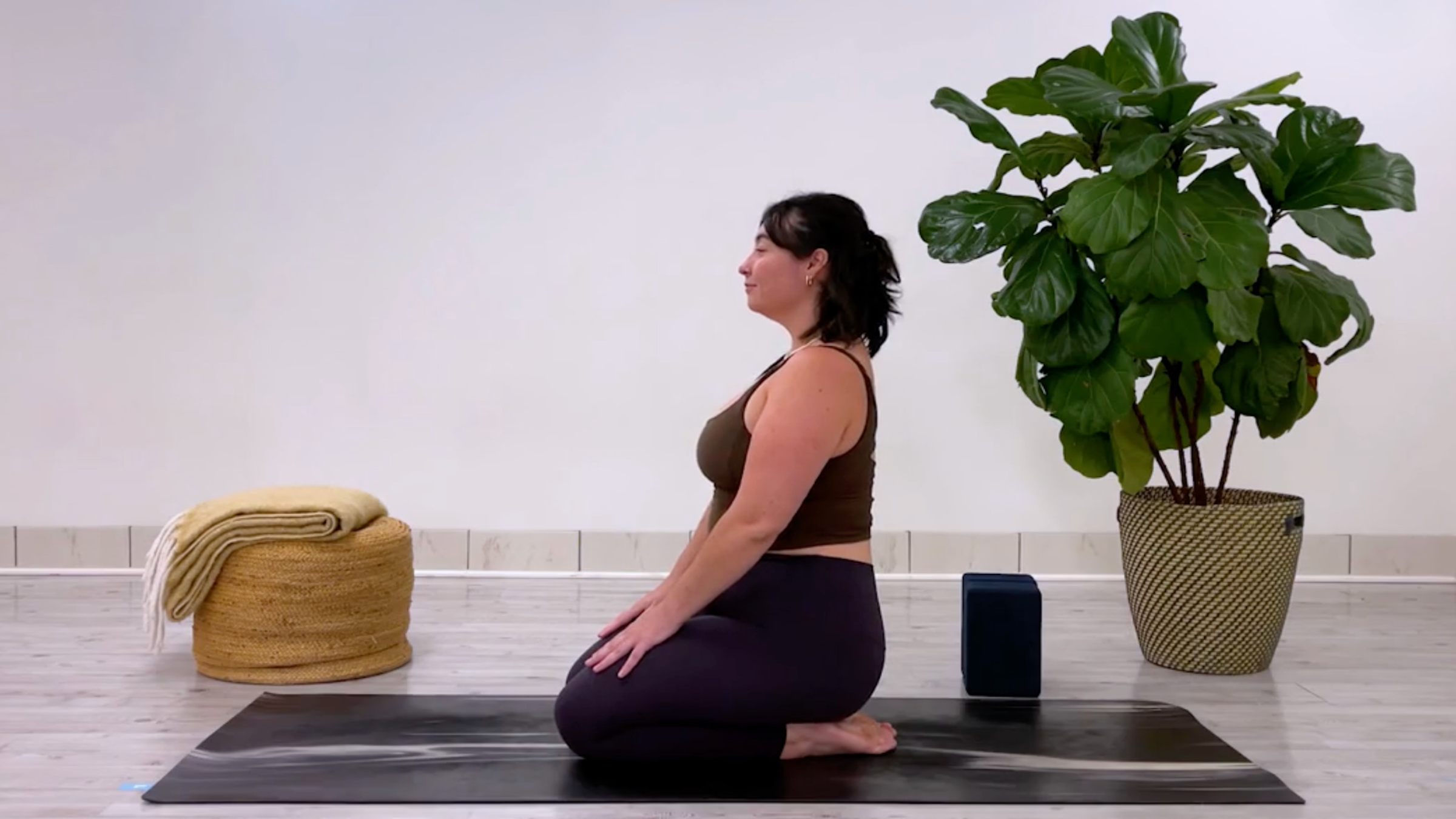
Taylor Lorenz, a certified yoga instructor with over 800 hours of specialized training in Vinyasa, Hatha, and Yin modalities, argues that postural health is not merely an aesthetic concern but a fundamental requirement for long-term physical well-being. To address this, Lorenz has developed an 8-minute targeted yoga sequence designed to combat the gravitational pull of the modern desk-bound lifestyle.
The Anatomy of the Modern Slouch
The human spine is designed for movement, yet the average professional spends upward of eight hours a day in a seated, static position. This prolonged inactivity leads to the weakening of the posterior chain—the muscles responsible for keeping us upright—and the tightening of the anterior muscles, particularly the pectorals and hip flexors.
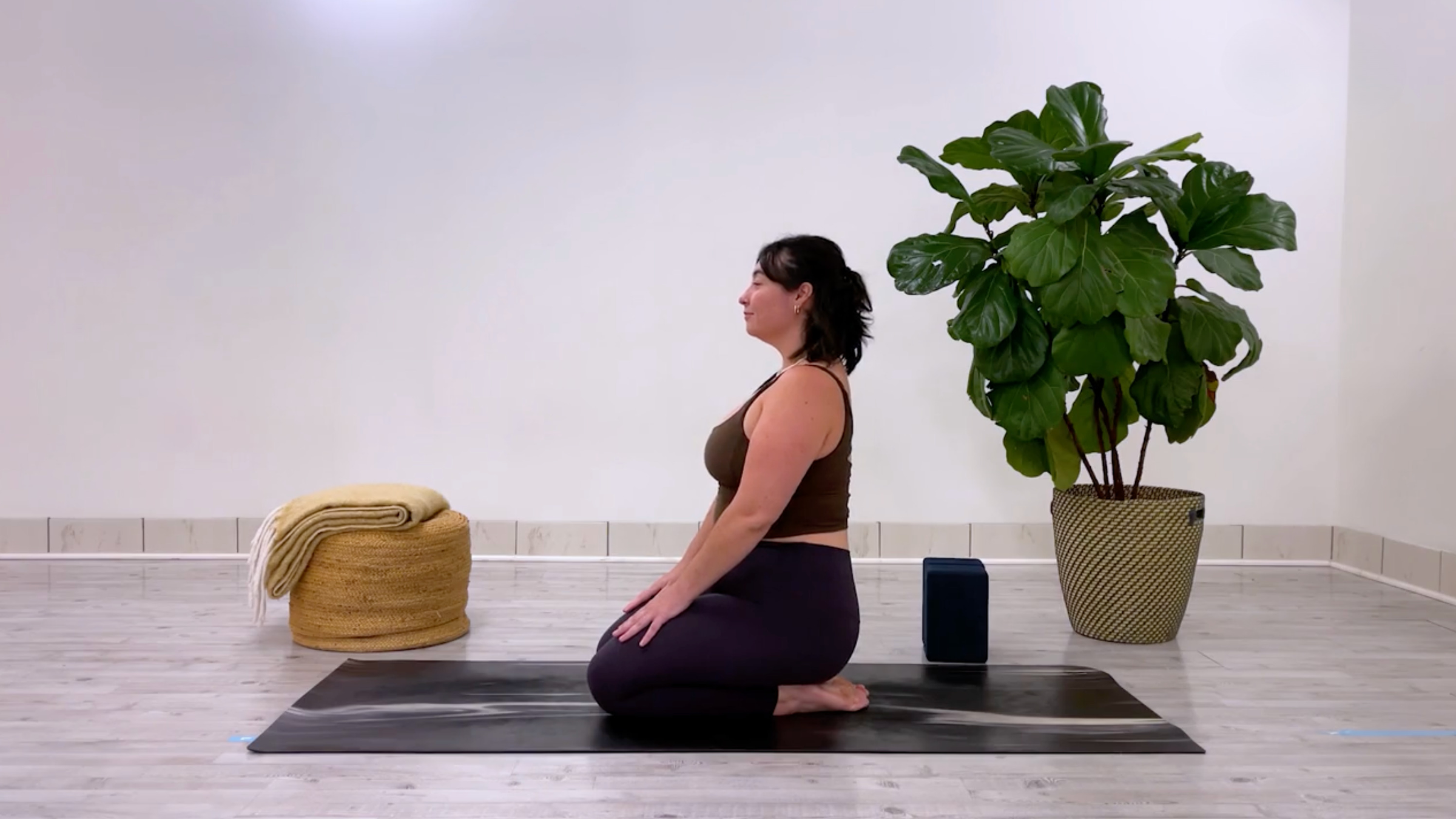
"The pursuit of better posture is a fundamental aspect of human health," Lorenz notes. "When we spend our days locked in a seated position, developing a slouch is an almost unavoidable biological side effect. However, by incorporating intentional lengthening and strengthening, we can re-educate the body on how it should—and can—feel."
The 8-Minute Posture Protocol: A Chronological Guide
This sequence is designed to be accessible, requiring no props—only a yoga mat and a focused commitment to spinal alignment. The following progression flows through seated, kneeling, and standing postures, specifically chosen to open the chest, stabilize the core, and lengthen the spine.
Phase 1: Grounding and Spinal Activation
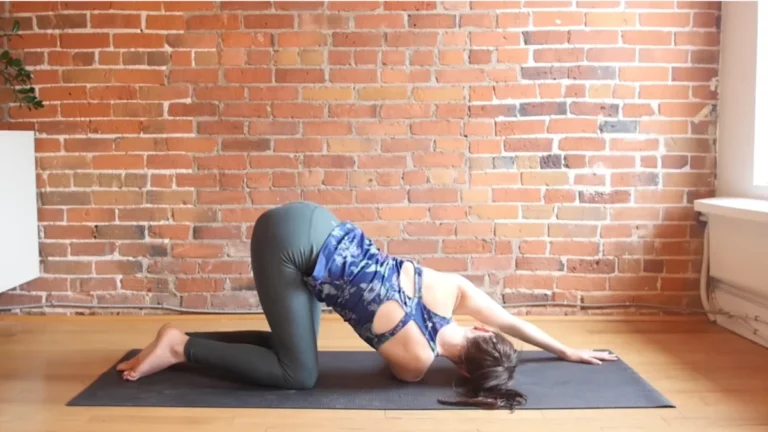
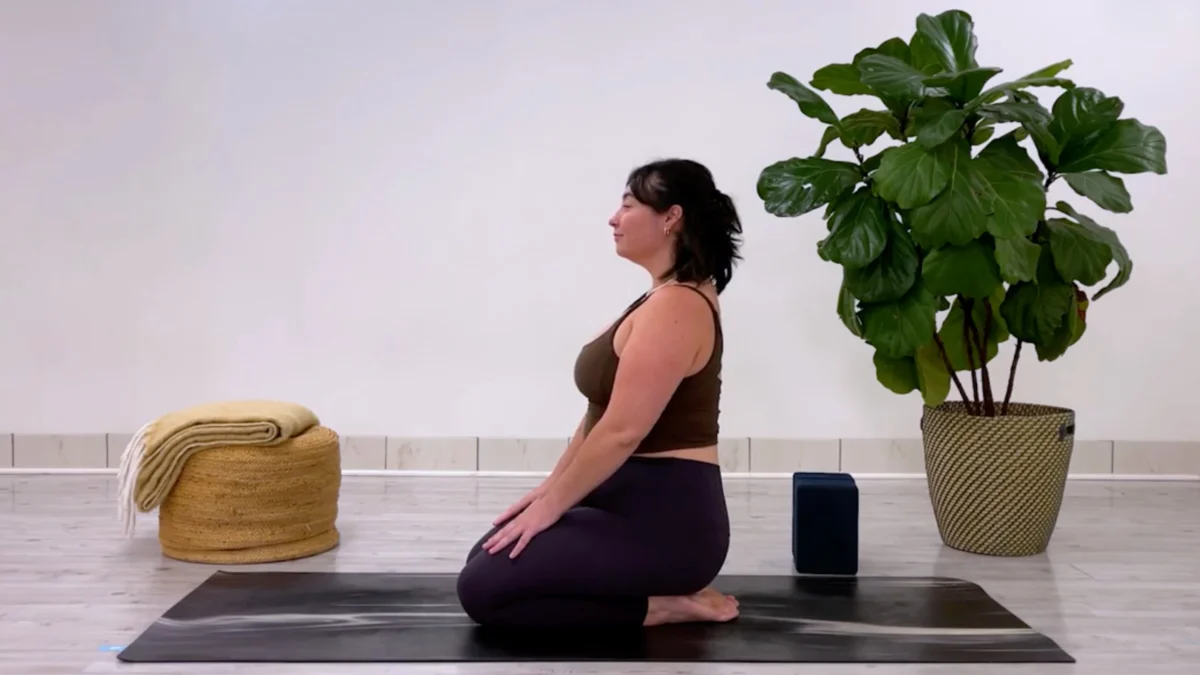
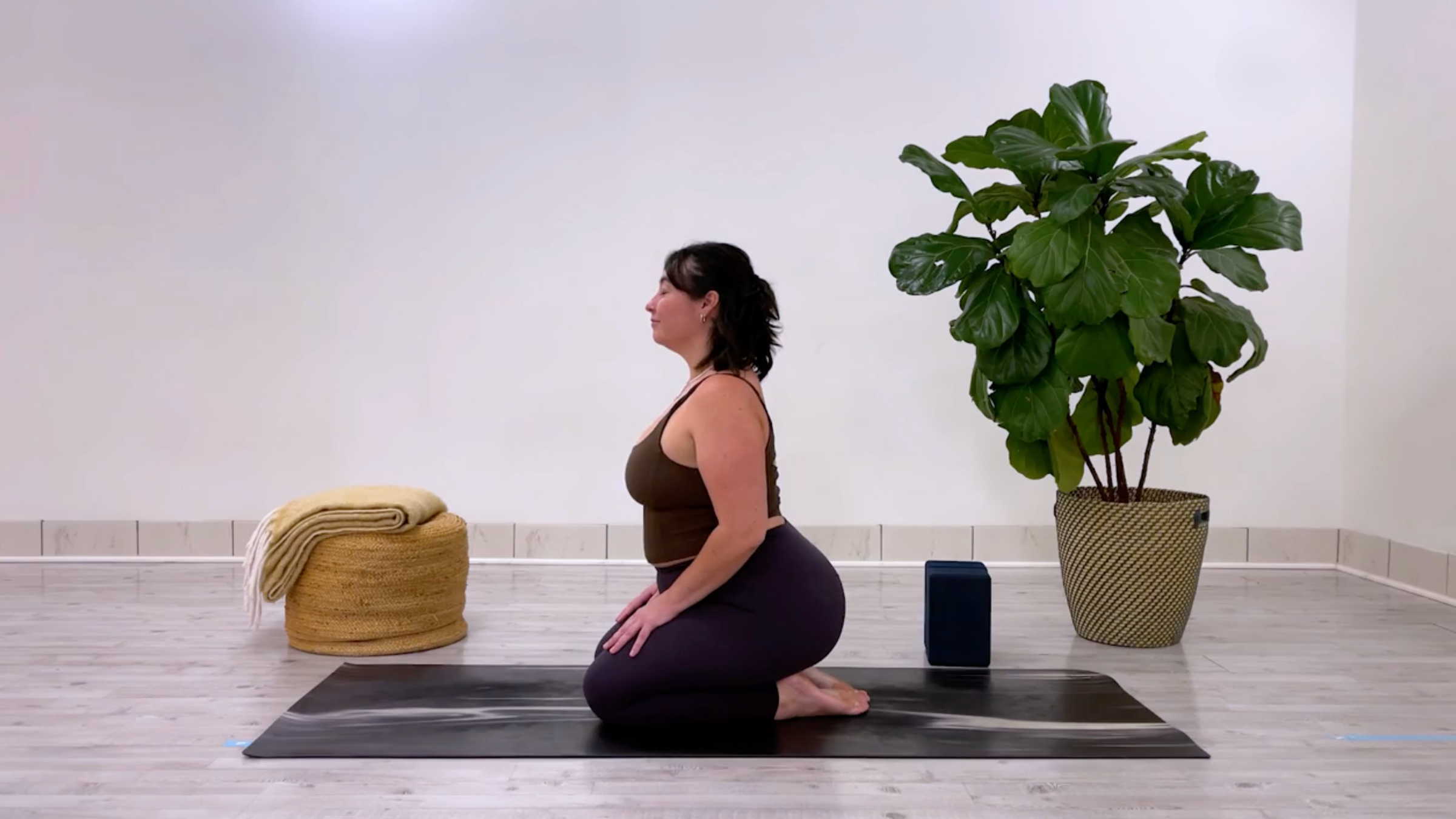
The practice begins with Thunderbolt Pose (Vajrasana). By sitting back on the heels with the spine elongated and vertebrae visualized as a straight line, the practitioner establishes a foundation of "neutral spine." Following this, the practice moves into Kneeling Cat-Cow variations. By oscillating between arching the spine (Cow) and rounding the shoulders (Cat), the practitioner stimulates synovial fluid movement in the vertebrae, warming the back for more intensive work.
Phase 2: Opening the Thoracic Cavity
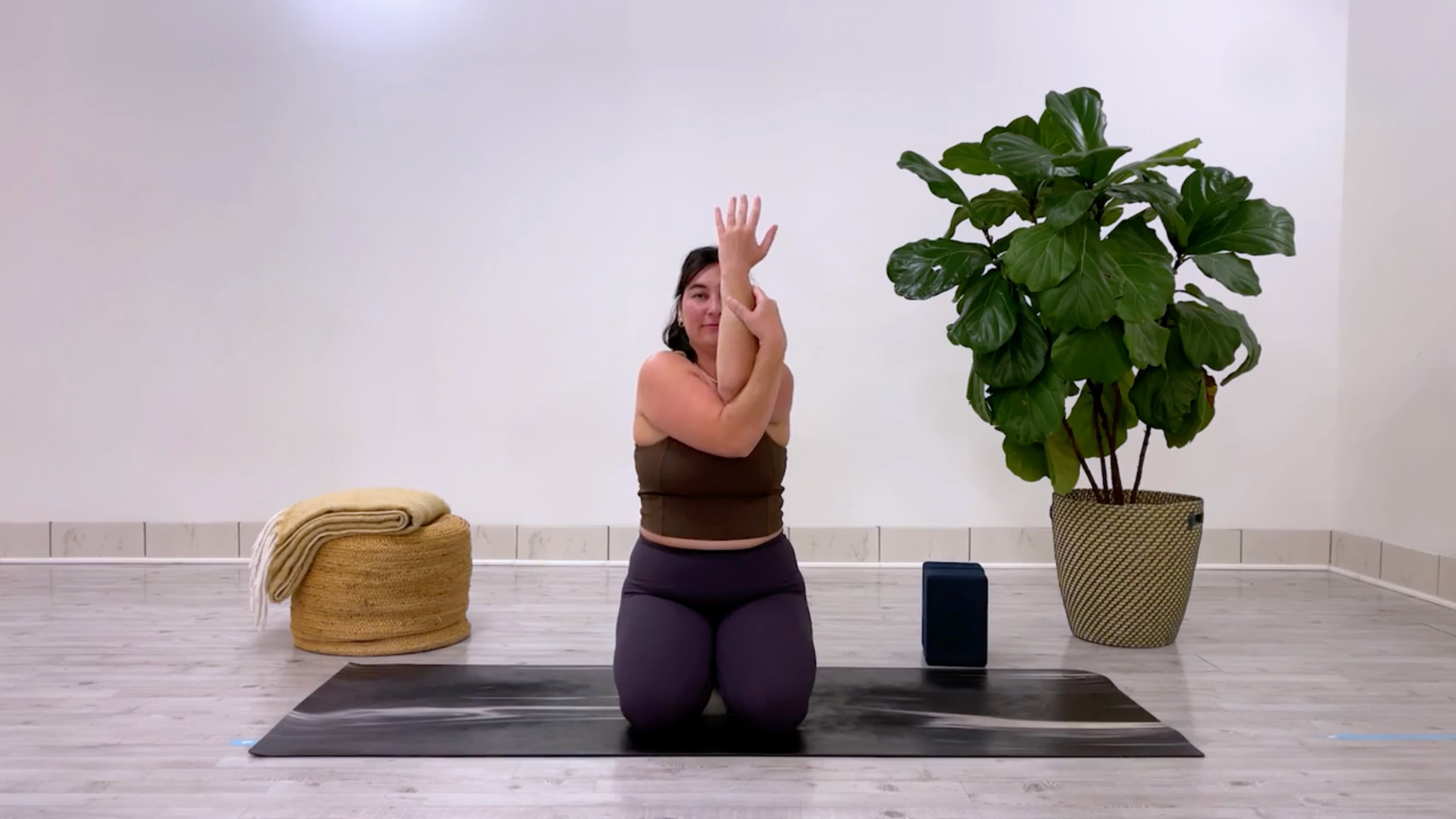
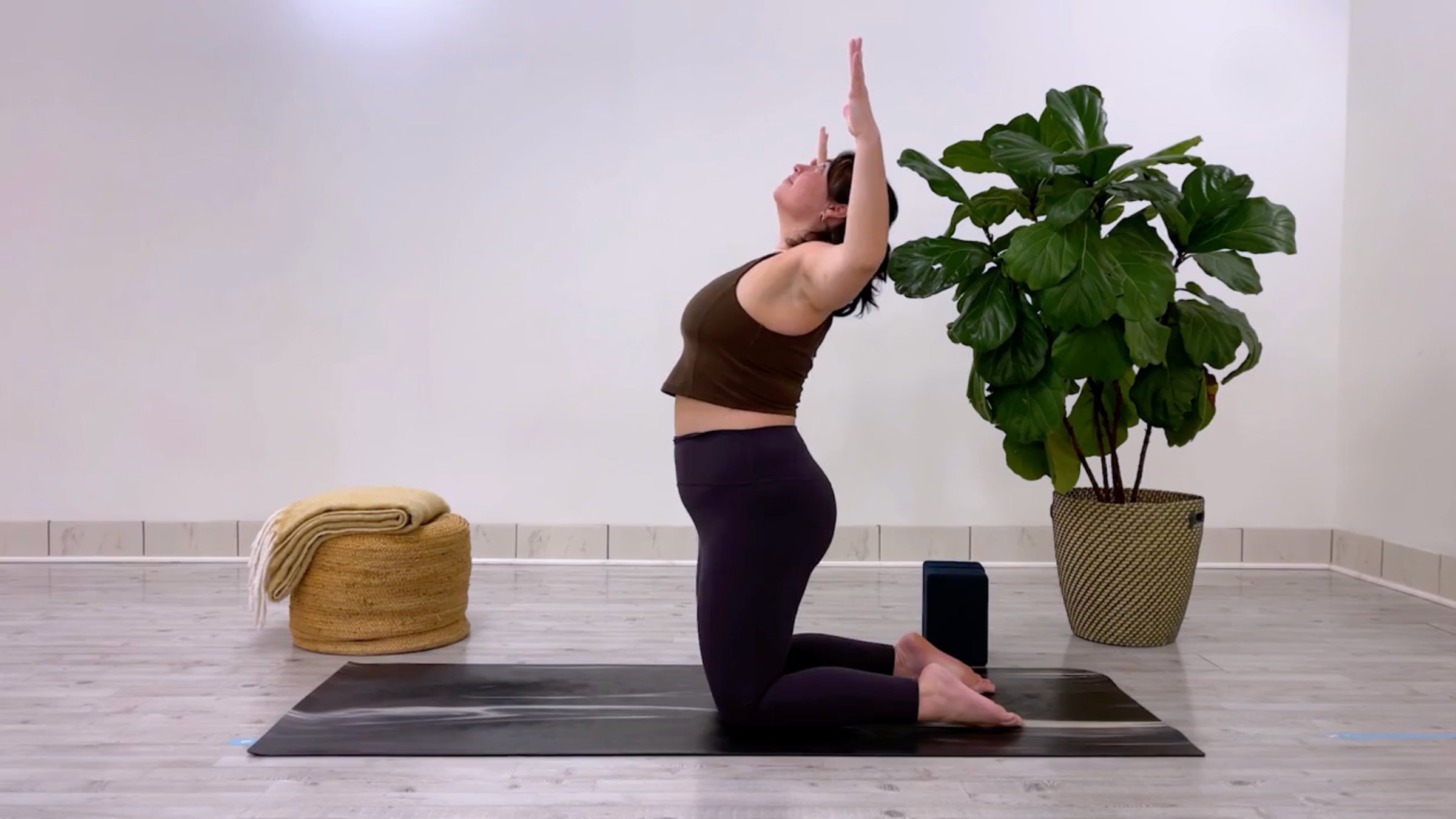
Once the spine is warmed, the sequence transitions into Eagle Arms, a posture specifically designed to release the tension held between the shoulder blades. By wrapping the arms and drawing small, controlled circles with the elbows, the practitioner stretches the rhomboids and trapezius. This is followed by Cactus Arms, which forces the chest open and retracts the shoulders, countering the forward-rolling motion common in those who type for a living.
Phase 3: Lower Body and Core Integration
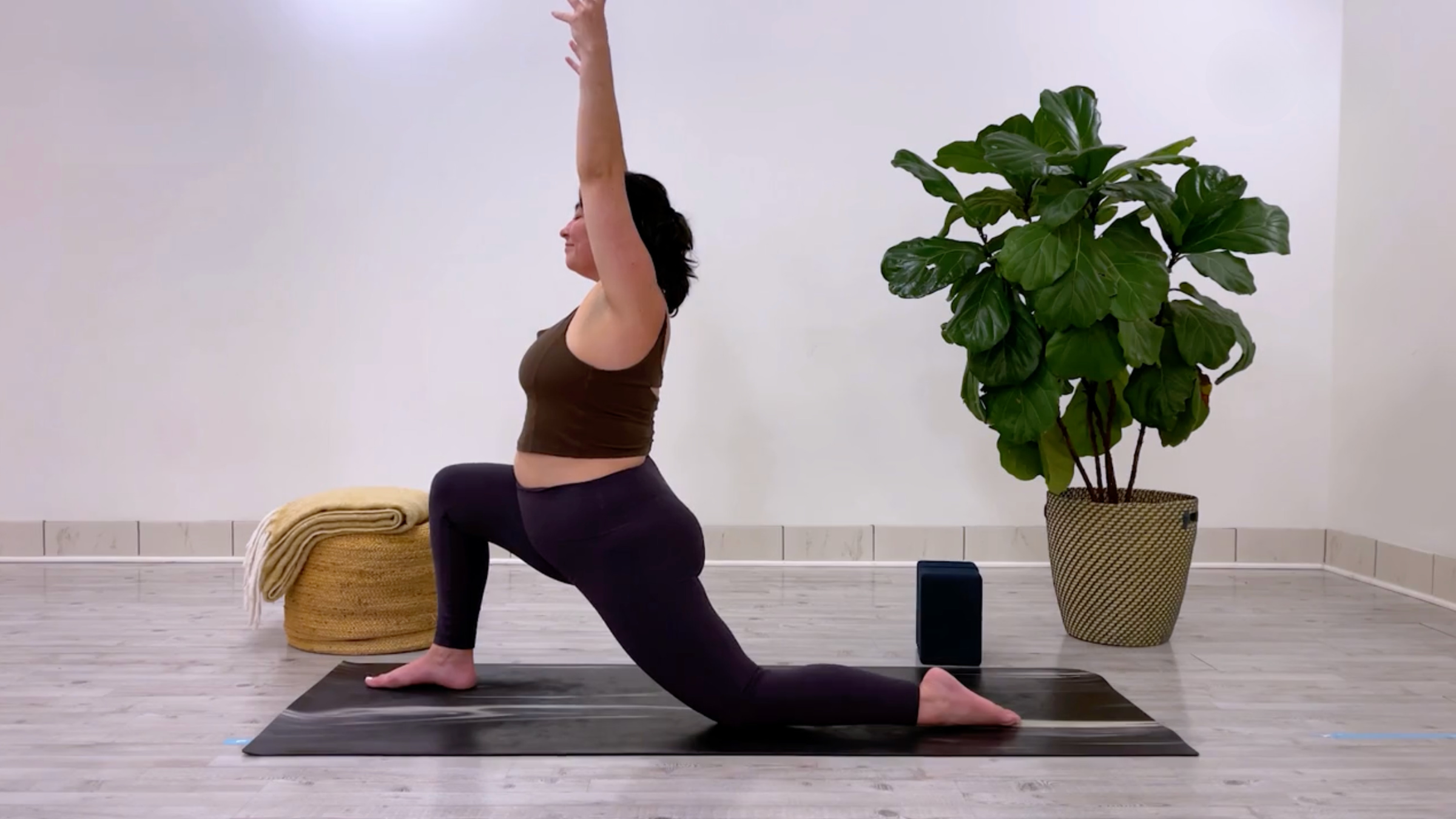
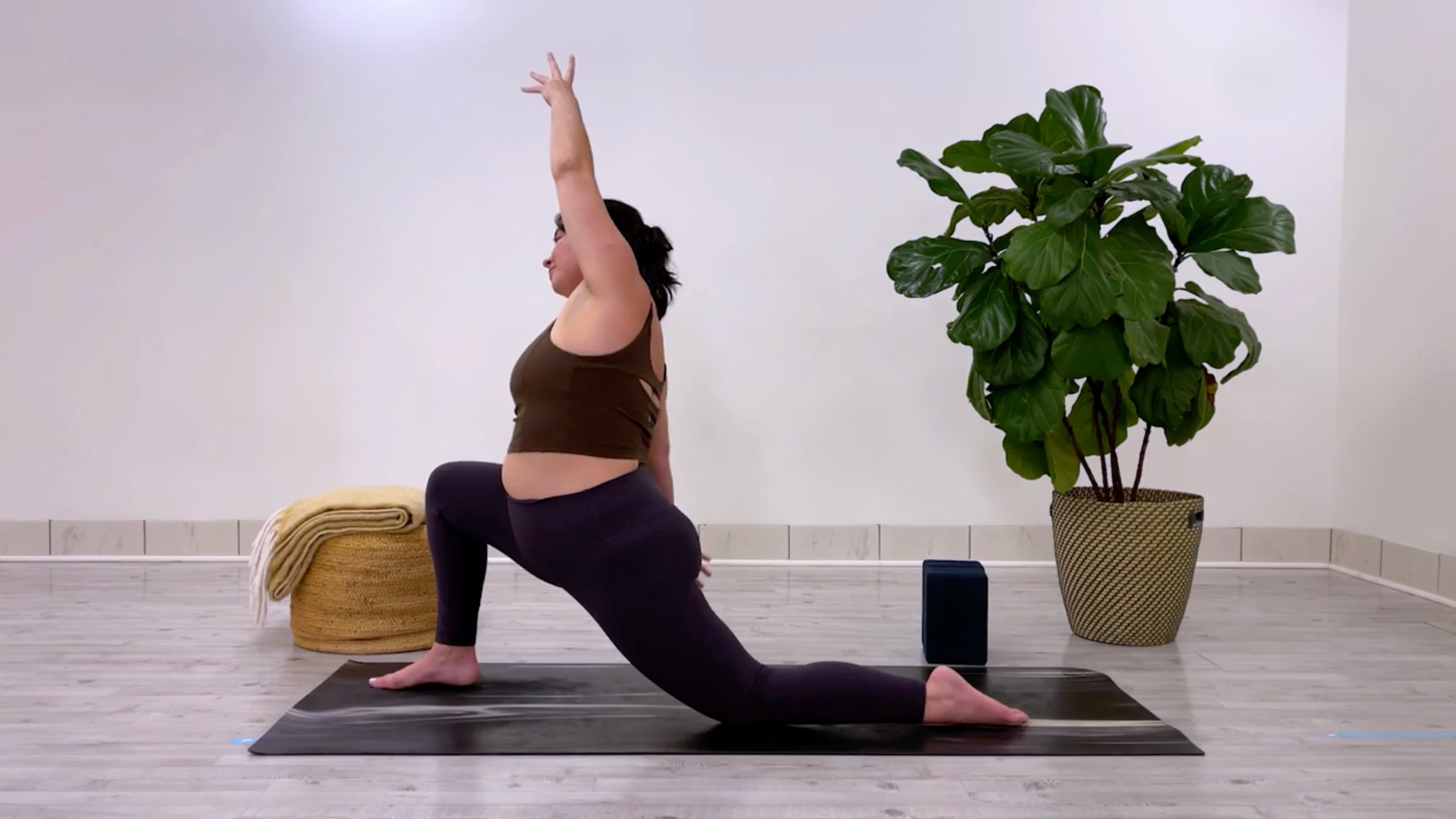
A critical component of upper-body posture is the stability of the hips. Lorenz incorporates a Low Lunge (Anjaneyasana) to stretch the psoas—a muscle group that often tightens during sitting, pulling the pelvis into an anterior tilt. The addition of a Low Lunge Side Bend adds a lateral stretch to the intercostal muscles, further expanding the rib cage and encouraging deeper respiration.
Phase 4: Dynamic Twists and Inversions
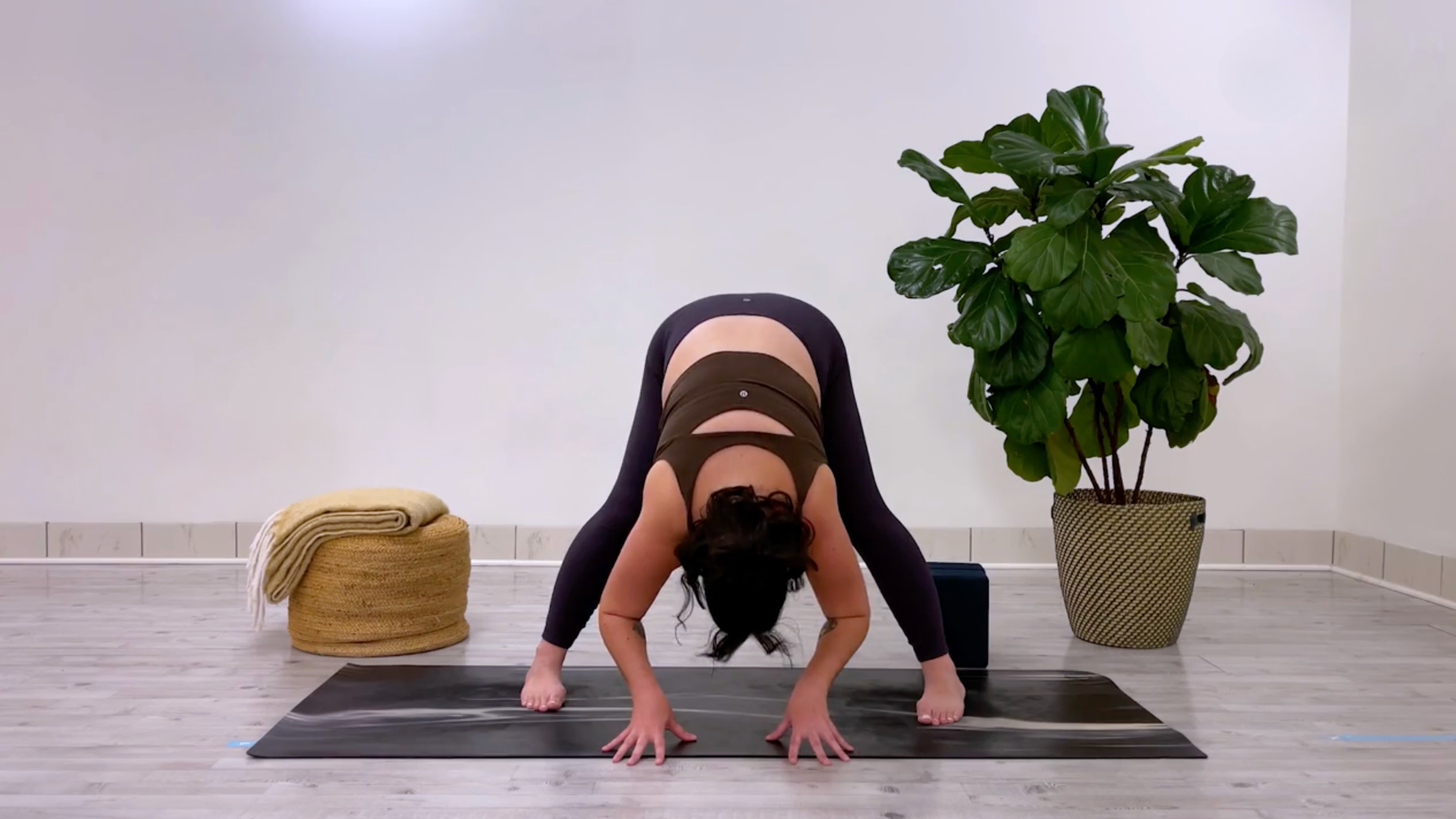
The flow then shifts to a Wide-Legged Standing Forward Bend, which lengthens the hamstrings and decompresses the lower spine. By incorporating the Revolved Wide-Legged Forward Bend, the practitioner adds a thoracic rotation, which is vital for maintaining spinal mobility. The sequence briefly returns to Downward-Facing Dog, providing an inversion that allows the neck and shoulders to hang freely, utilizing gravity to alleviate compression.
Phase 5: Re-integrating the Vertical Axis
The practice concludes with a return to the standing position. Through a Standing Forward Bend (Uttanasana), the practitioner releases the entire back chain of the body. Rolling up slowly into Mountain Pose (Tadasana) serves as the final reset. In this position, shoulders are rolled back and down, palms face forward, and the body experiences the sensation of its maximum natural height. The practice ends with a Standing Side Bend and a final moment of mindful gratitude at the heart center.
Supporting Data: Why Targeted Movement Matters
Physiotherapy research increasingly supports the efficacy of short-duration, high-frequency movement interventions. Studies on "movement snacking"—short bursts of exercise performed throughout the work day—show significant promise in reducing the metabolic and musculoskeletal risks of prolonged sitting.
According to data from the American Council on Exercise (ACE), yoga specifically targets the postural muscles (the erector spinae and the deep stabilizers of the core) that are often neglected in standard strength training. By focusing on alignment, yoga practitioners can improve "proprioception"—the body’s ability to perceive its position in space. This awareness is the first line of defense against the gradual, unconscious shift back into a slouched position.
Implications for Corporate and Personal Wellness
The implications of Lorenz’s protocol extend beyond the yoga mat. For the remote worker or the corporate professional, this 8-minute sequence acts as a "physical audit." By checking in with the spine throughout the day, individuals can break the cycle of postural degradation.
Ergonomic Synergy
While yoga is an effective tool, experts emphasize that it works best when paired with proper ergonomics.
- Screen Height: Monitors should be at eye level to prevent the neck from craning forward.
- Chair Support: The lower back requires lumbar support to maintain the natural inward curve of the spine.
- The 30-Minute Rule: Even with a perfect desk setup, static posture is the enemy. Moving every 30 minutes—even if just for 60 seconds—is vital to long-term health.
Official Perspectives and Expert Consensus
Industry experts are increasingly advocating for "active recovery" sessions within the workplace. "We are seeing a shift where companies are recognizing that the physical health of their employees is directly tied to cognitive output," says Dr. Elena Rossi, a specialist in occupational ergonomics. "Short, guided movement sequences like the one proposed by Lorenz are low-barrier, high-reward interventions. They provide the necessary neural resets that allow for better focus and decreased physical fatigue by the end of the workday."
Lorenz echoes this sentiment, emphasizing that the goal is not perfection, but awareness. "You don’t need to be a professional athlete to correct your posture," she states. "You simply need to create the space in your day to check in with your spine and provide it with the length and support it craves."
Conclusion: A Lifetime of Alignment
The "tech slouch" is a byproduct of modern convenience, but it is not a permanent condition. By dedicating just eight minutes to intentional movement, individuals can reverse the daily damage of sedentary life. As Lorenz’s practice demonstrates, the path to better posture is found in the intersection of breath, movement, and mindful alignment. Whether performed in the early morning or as an afternoon reset, this sequence offers a sustainable, non-invasive method to stand taller, breathe deeper, and move with greater ease throughout the day.
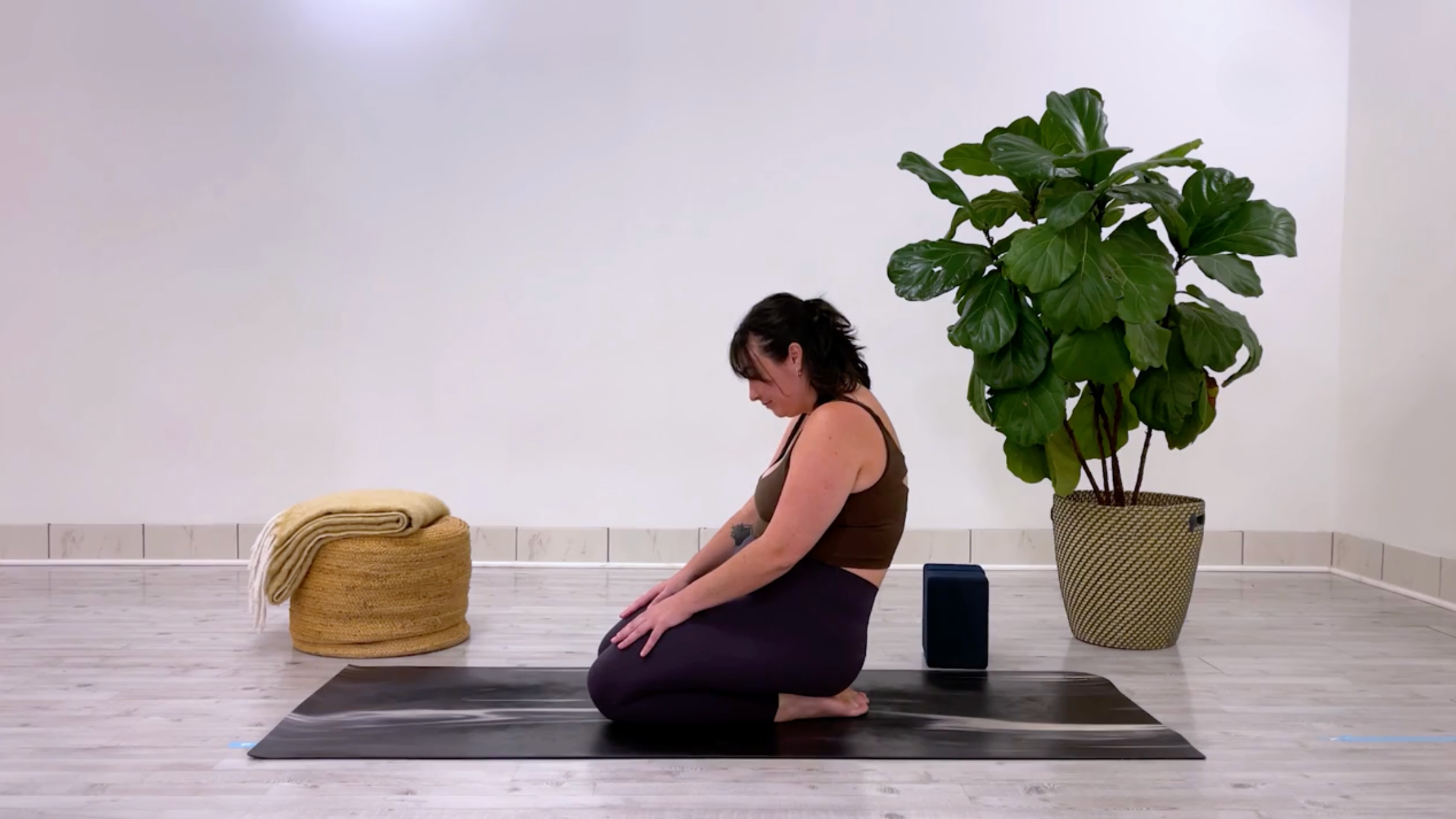
As you conclude the final pose, the instruction to bow the head is more than a gesture—it is an acknowledgment of the body’s resilience and a reminder that the responsibility for our posture lies, quite literally, in our own hands.