










In a significant move to reshape the landscape of sleep medicine, health technology leader ResMed has officially completed its acquisition of Noctrix Health. The transaction, which brings the innovator of the FDA-cleared Tonic Motor Activation (TOMAC) therapy under the ResMed umbrella, marks a pivotal expansion for the company as it ventures deeper into the treatment of Restless Legs Syndrome (RLS).
This acquisition, first announced in April 2026, positions ResMed to address a critical gap in the sleep health market: providing non-pharmacologic alternatives for patients suffering from moderate-to-severe RLS who have exhausted traditional pharmaceutical avenues. As Noctrix Health transitions into a wholly owned subsidiary, the integration signals a new era of "connected care" for millions of individuals struggling with sleep-disruptive neurological conditions.
The Strategic Rationale: Expanding Beyond CPAP
For decades, ResMed has been synonymous with sleep-disordered breathing solutions, primarily through its market-leading CPAP machines and digital health platforms. However, the acquisition of Noctrix Health reflects a broader corporate mandate: the 2030 strategy, which aims to move the company toward a holistic, diversified ecosystem of clinical sleep health.
Restless Legs Syndrome (RLS) is a neurological disorder characterized by an irresistible urge to move the legs, typically accompanied by uncomfortable sensations. For many, the condition is debilitating, leading to chronic sleep deprivation and diminished quality of life. Until recently, standard care relied almost exclusively on dopamine agonists and other pharmacologic interventions, which often carry side effects or lose efficacy over time.
By acquiring Noctrix, ResMed is not merely buying a device; it is acquiring a clinically validated, non-invasive therapeutic modality that directly addresses the needs of patients who have been "left behind" by current drug-centric treatment pathways.
Chronology: From Innovation to Acquisition
The journey of this acquisition is a testament to the maturation of digital health technology.
- Early Development: Noctrix Health focused its efforts on developing the TOMAC therapy, a wearable solution designed to modulate neural pathways associated with RLS.
- Clinical Validation: Over the past several years, Noctrix built a robust evidence base, culminating in 10 peer-reviewed publications. This data underscored the therapy’s efficacy and safety profile.
- Regulatory Milestone: The therapy achieved FDA De Novo classification, a significant regulatory hurdle that validated the device’s unique approach to treating RLS symptoms.
- Professional Recognition: The American Academy of Sleep Medicine (AASM) integrated the therapy into its clinical practice guidelines, a gold-standard endorsement that solidified its legitimacy in the medical community.
- April 2026: ResMed publicly announced its intent to acquire Noctrix Health, triggering a period of regulatory review and integration planning.
- Present Day: The deal has officially closed, and Noctrix Health now operates as a wholly owned subsidiary of the ResMed group, marking the commencement of a full-scale commercial rollout.
Supporting Data: Why TOMAC Therapy Matters
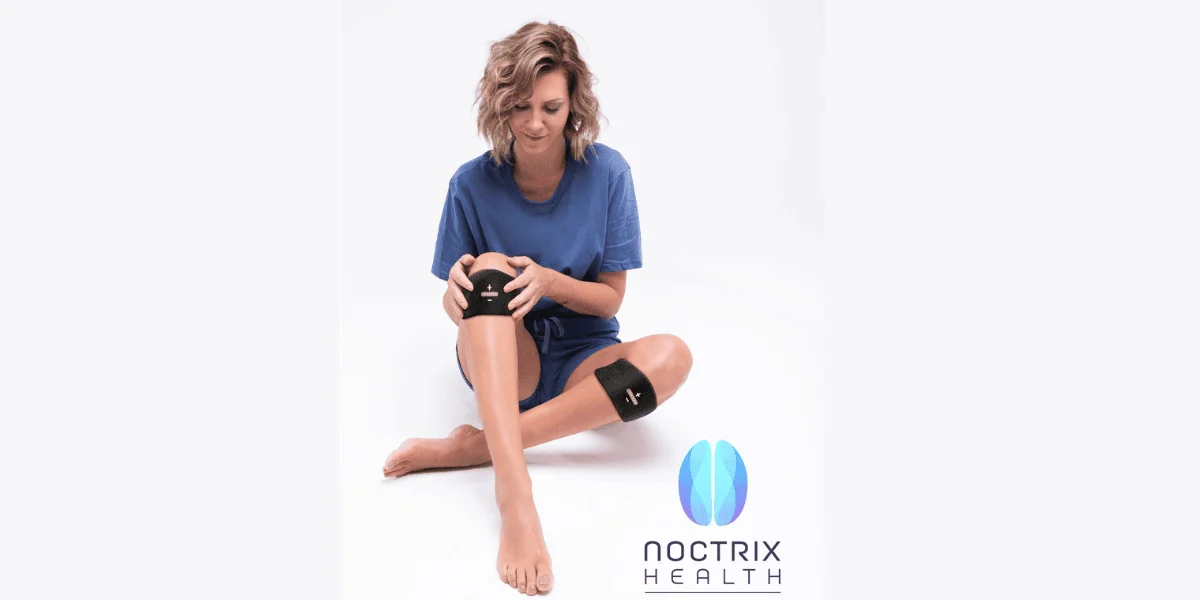
The efficacy of the Noctrix TOMAC therapy is supported by substantial clinical data. The device works by delivering targeted electrical stimulation to nerves, effectively "resetting" the motor activation patterns that trigger RLS symptoms.
Unlike systemic medications, which affect the entire body and often require titration to manage side effects, the TOMAC device is localized. Clinical trials indicated that users experienced a marked reduction in the severity of their RLS symptoms, leading to improved sleep onset and continuity.
The AASM’s inclusion of the therapy in its guidelines was a watershed moment. It signaled to clinicians that this was no longer an experimental peripheral device, but a legitimate therapeutic tool that should be considered as part of a standard care plan. By bringing this technology into its portfolio, ResMed gains access to a therapeutic class that is highly scalable and compatible with its existing digital health infrastructure.
Official Responses: Aligning Missions
The leadership teams of both organizations expressed strong enthusiasm for the synergy created by this merger.
Mick Farrell, CEO of ResMed:
"Our acquisition of Noctrix Health marks an important step forward in advancing our 2030 strategy and expanding our clinical sleep health portfolio. We are excited to welcome the Noctrix team to ResMed and scale solutions that improve lives through better sleep and home health technologies. Our goal is to leverage our global reach to ensure that patients suffering from the often-ignored symptoms of RLS finally have access to a non-pharmacologic treatment that actually works."
Shri Raghunathan, CEO of Noctrix Health:
"Since founding Noctrix, our mission has been to deliver innovative, non-pharmacologic solutions for people living with RLS who have limited treatment options. Joining ResMed will help us advance that mission, enabling us to expand access to TOMAC therapy and reach more patients with a clinically validated solution that can help meaningfully improve sleep and quality of life."
Implications: A New Standard of Care
The integration of Noctrix into the ResMed ecosystem has several far-reaching implications for the medical industry and the patient population.
1. Enhanced Patient Outcomes
By combining ResMed’s deep expertise in digital health—such as the AirView platform—with Noctrix’s therapeutic device, the company can create a "connected care" loop. Patients can potentially track the impact of their TOMAC therapy on their overall sleep patterns in real-time, providing physicians with more granular data to adjust treatment plans.
2. Market Expansion
ResMed already commands a significant share of the home sleep testing and treatment market. By adding RLS to its portfolio, the company can cross-sell these solutions to existing clinicians—pulmonologists, sleep specialists, and neurologists—who are already familiar with the ResMed brand.
3. Shift Toward Non-Pharmacologic Treatment
The acquisition signals a growing trend in medicine: the "electraceutical" shift. As patients become increasingly wary of the long-term side effects of pharmaceuticals, the demand for medical devices that modulate biological pathways via stimulation or feedback loops is expected to soar. ResMed is now at the forefront of this transition.
4. Improving Care Pathways
Currently, the path to diagnosing and treating RLS is fragmented. Many patients cycle through multiple primary care providers before receiving a formal diagnosis. ResMed’s ability to streamline the patient journey—from screening to home-based therapy—could dramatically reduce the time it takes for a patient to find relief.
Future Outlook: The Road Ahead
As the integration process begins, the industry will be watching closely to see how quickly ResMed can scale the distribution of the TOMAC therapy. The company has a proven track record of successfully absorbing smaller technologies and pushing them into international markets.
While the primary focus remains on the US market where the device is currently cleared, the potential for international expansion remains high. Global regulatory pathways will likely be the next hurdle, but given the existing clinical data and the AASM endorsement, the outlook is optimistic.
Furthermore, this acquisition may be the first of several in the non-pharmacologic space. As ResMed continues to pursue its 2030 vision, the company is expected to look for additional opportunities to integrate hardware and software solutions that address the root causes of sleep disorders rather than just managing the symptoms.
In conclusion, the acquisition of Noctrix Health is a strategic masterstroke. It reinforces ResMed’s dominance in sleep medicine while simultaneously diversifying its offerings into the neurological space. For the millions of RLS sufferers who have struggled to find a sustainable, side-effect-free way to sleep soundly, this merger represents a genuine beacon of hope. By marrying technical innovation with global scale, ResMed is well-positioned to turn the page on a condition that has long been underserved.