










In a paradigm-shifting study published in the journal Circulation, an international team of researchers has uncovered evidence that threatens to dismantle the long-standing medical consensus surrounding lacunar ischemic strokes. For decades, the standard approach to preventing these strokes has mirrored that of larger-vessel cardiovascular events—focusing heavily on the reduction of fatty plaque buildup. However, new findings suggest that this strategy may be fundamentally misguided, potentially explaining why millions of patients have seen limited success with traditional preventive therapies.
The research, led by the University of Edinburgh and the UK Dementia Research Institute, points to a different culprit: the internal structural degradation of the brain’s smallest blood vessels, characterized by widening and elongation rather than the conventional “clogging” associated with atherosclerosis.
The Nature of Lacunar Stroke: A Silent Threat
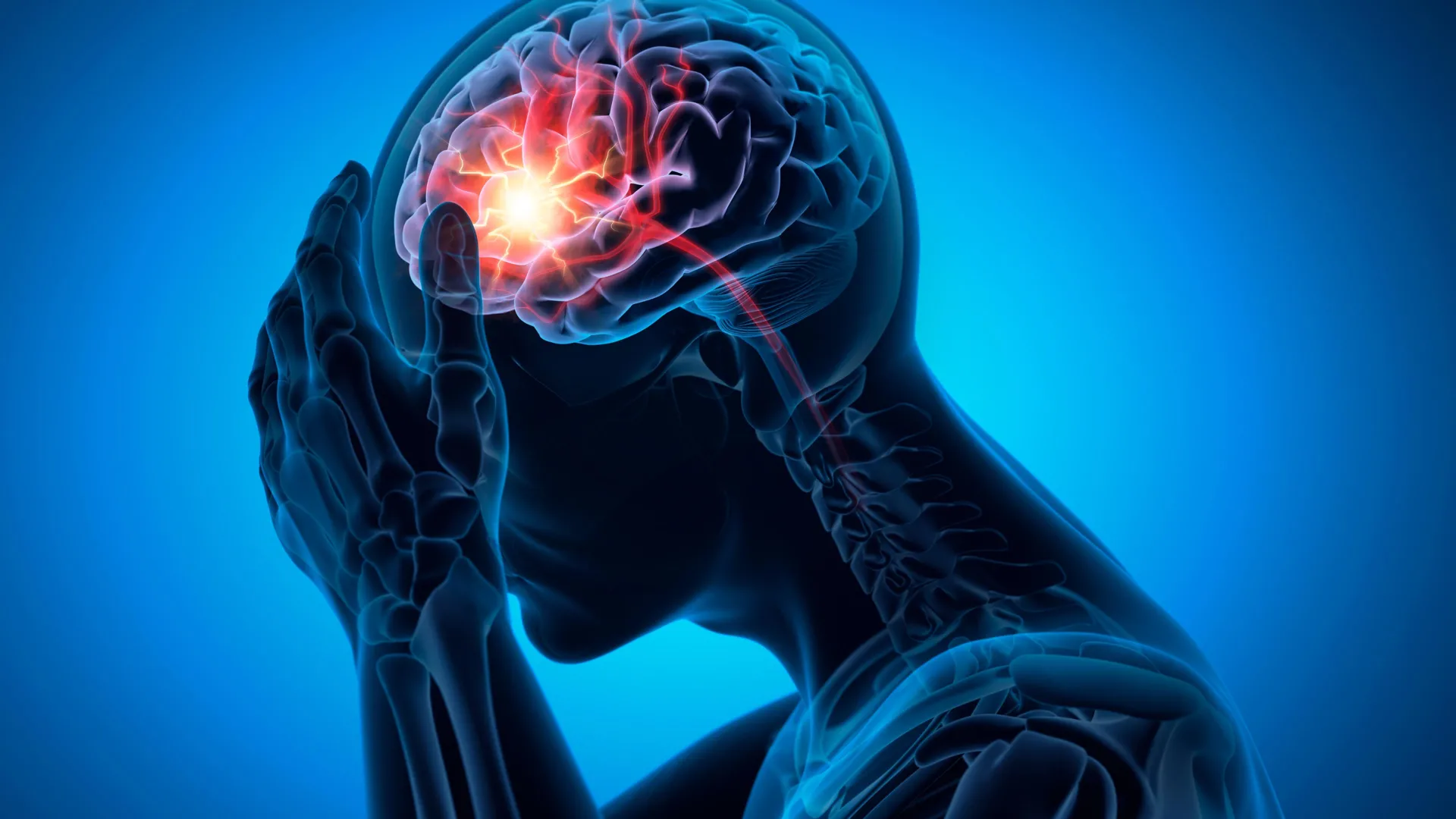
Lacunar stroke is a significant, yet often under-recognized, clinical challenge. Unlike strokes caused by a major clot in a large artery leading to the brain, a lacunar stroke occurs when the tiny, deep-penetrating vessels within the brain become compromised. This is a hallmark of "Small Vessel Disease" (SVD).
While these strokes may present with varying degrees of severity, their long-term impact is profound. SVD is a leading cause of cognitive decline, physical disability, and the onset of vascular dementia. Furthermore, patients who suffer a lacunar stroke are at a high risk for recurrent events. Until now, the medical community operated under the assumption that these small vessels were being narrowed by fatty deposits, similar to the processes that lead to heart attacks. Consequently, doctors have relied heavily on antiplatelet medications, such as aspirin, to prevent these events.
However, the high rate of "silent" strokes—microscopic areas of brain tissue death that occur without immediate, obvious symptoms—suggests that current interventions are failing to address the true root cause of the pathology.
Chronology of the Discovery
The research journey began with a concerted effort to look beyond the surface-level assumptions of vascular health.
Phase I: The Patient Cohort
The study involved 229 participants, all of whom had experienced either a recent lacunar stroke or a mild non-lacunar stroke. This specific cohort was chosen to allow for a direct comparison between different vascular profiles. The team, comprising experts from the UK, China, and Mexico, implemented a rigorous longitudinal approach.
Phase II: Longitudinal Imaging
Participants underwent comprehensive clinical and cognitive assessments alongside high-resolution MRI brain scans shortly after their initial stroke. The critical component of the research was the one-year follow-up, where participants were scanned again. This timeline allowed researchers to track the progression of vascular changes and identify the formation of new, sub-clinical brain injuries in real-time.
Phase III: The Divergence of Findings
As the data emerged, the team compared two distinct vascular phenomena:
- Large Artery Atherosclerosis: The traditional model of fatty plaque narrowing the arteries.
- Arterial Remodeling: The widening and elongation of the brain’s small vessels.
The results were startling. The data showed no statistically significant link between large artery narrowing and the development of lacunar stroke. In fact, narrowing of large arteries did not predict new brain damage during the one-year follow-up. Conversely, artery widening—a process of structural dilation—emerged as the primary, high-confidence predictor for both the initial stroke and subsequent brain injury.
Supporting Data: The Case Against the "Plaque Theory"
The statistical weight of the study provides a compelling argument for a shift in neurological practice. Patients who exhibited signs of artery widening were found to be more than four times more likely to have experienced a lacunar stroke compared to those without such structural changes.
Perhaps most alarming was the prevalence of "silent" strokes. Over 25% of the study participants developed new, silent ischemic events during the 12-month study period, despite being on standard, medically approved preventative treatments. This clinical failure serves as a stark reminder that current pharmacology—largely designed to thin the blood or prevent clot formation—is not addressing the physical, structural instability of the microvascular system.
The study also established a clear correlation between the degree of artery widening and the speed at which SVD progresses. As the vessels widen, the brain’s delicate micro-circulatory system becomes increasingly inefficient, leading to a cascade of injury that manifests as cognitive impairment and, eventually, dementia.
Official Responses and Expert Perspective
The scientific community has reacted to these findings with a mix of validation and urgency. Professor Joanna Wardlaw, a leading figure in applied neuroimaging at the University of Edinburgh and a group leader at the UK Dementia Research Institute, has been at the forefront of this work.
"This study provides strong evidence that lacunar stroke is not caused by fatty blockage of larger arteries, but by disease of the small vessels within the brain itself," Professor Wardlaw stated. She emphasized that the distinction is not merely academic; it is a matter of patient safety. "Recognising this distinction is crucial, because it explains why conventional treatments like antiplatelet drugs are not as effective for this type of stroke and highlights the urgent need to develop new therapies that target the underlying microvascular damage."
The study’s publication in Circulation has already begun to shift the focus of international research bodies. Funding partners, including the UK Medical Research Council, the British Heart Foundation, and the Alzheimer’s Society, have signaled that future grants will prioritize projects that investigate microvascular structural integrity rather than just lipid-lowering or anti-clotting agents.
Implications for Future Treatment Strategies
The most direct outcome of this study is the acceleration and validation of the LACI-3 (LACunar Intervention Trial 3) study. LACI-3 is a landmark clinical trial that represents the next generation of stroke medicine.
The LACI-3 Approach
Instead of focusing on traditional antiplatelets, LACI-3 is evaluating the efficacy of specific medications designed to support and protect the brain’s smallest vessels. Key drugs being tested include:
- Cilostazol: A phosphodiesterase inhibitor that may improve blood flow and vessel health.
- Isosorbide mononitrate: A vasodilator that may help stabilize the pressure and structure of small cerebral vessels.
The goal of these trials is to determine if these medications can not only prevent the recurrence of symptomatic strokes but also slow or halt the "silent" progression of brain injury, thereby preserving cognitive function and mobility in the aging population.
A New Diagnostic Paradigm
Beyond medication, the study suggests that radiologists and neurologists may need to adjust how they interpret MRI scans. If widening and elongation are the primary biomarkers for risk, then future diagnostic protocols should prioritize the measurement of vessel diameter and vessel shape alongside traditional plaque screening. This could lead to a more personalized approach to risk stratification, where patients identified with high-risk vascular "widening" are fast-tracked into specialized microvascular treatment programs.
Conclusion: A Turning Point in Neurology
The findings from this international study mark a potential turning point in how we manage one of the most debilitating forms of cerebrovascular disease. By challenging the "fatty plaque" orthodoxy, researchers have opened the door to a more nuanced understanding of the brain’s internal plumbing.
As we move forward, the focus must shift toward the mechanics of the microvasculature. For the millions of individuals currently living with the shadow of Small Vessel Disease, this research offers more than just academic insight—it offers the promise of targeted, effective therapies that could one day prevent the silent strokes that steal memories, independence, and quality of life. The path ahead is clear: we must stop treating the brain as if it were a large artery and start protecting the delicate, complex network that sustains our cognitive existence.