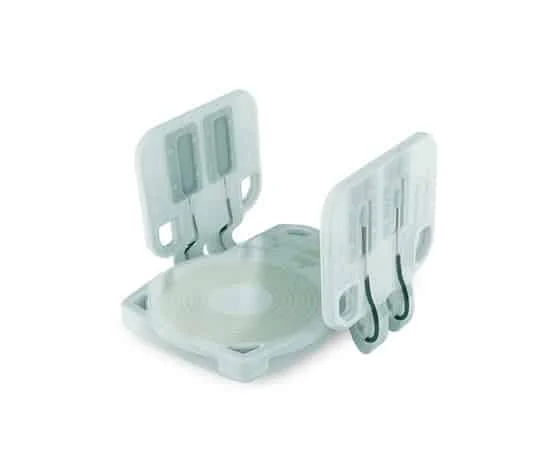










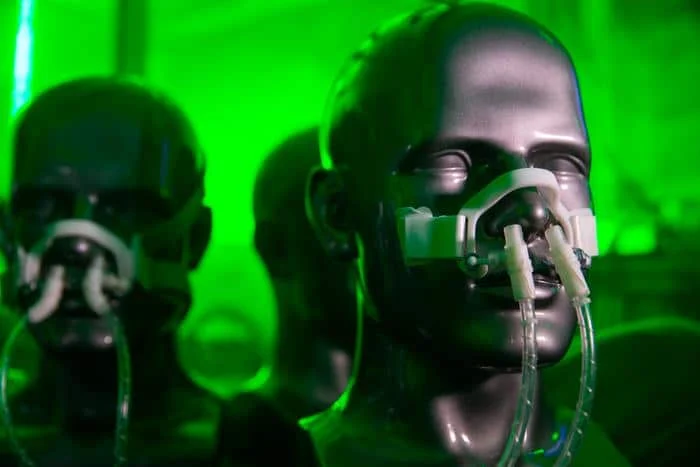
The landscape of sleep medicine is poised for a significant transformation. AcouFlow Therapeutics, a medical technology startup operating in close partnership with the University of Cincinnati, has announced the receipt of a prestigious grant from the National Institutes of Health (NIH). This infusion of capital is earmarked for a pivotal objective: the development and refinement of a user-friendly, at-home iteration of the VortexPAP—a revolutionary device that seeks to redefine how patients manage obstructive sleep apnea (OSA).
By leveraging principles derived from aerospace engineering, the VortexPAP aims to solve the persistent "adherence crisis" that has plagued Continuous Positive Airway Pressure (CPAP) therapy for decades. As the project transitions from clinical-controlled studies to real-world, home-based testing, the potential for improving patient outcomes is immense.
The Core Innovation: Engineering a Seal-Less Future
At the heart of the VortexPAP lies a radical departure from traditional CPAP technology. For the past forty years, the gold standard for treating OSA has been the CPAP machine, which requires a mask to create an airtight seal against the patient’s face. While effective at forcing air into the airway to prevent collapse, the physical requirements of this design are often the primary cause of patient non-compliance.
Traditional masks are frequently described by patients as claustrophobic, uncomfortable, and prone to leaks. They can cause skin irritation, sores, and the "air-swallowing" effect (aerophagia), which leads to bloating and discomfort.
The VortexPAP, however, utilizes "vortex airflow." This mechanism, a staple in aerospace engineering used to control high-speed fluid dynamics, allows the device to stabilize the upper airway using aerodynamic properties rather than a physical seal. By creating a controlled vortex, the device can effectively pressurize the airway without the need for a tight-fitting interface. This minimalist design not only promises to alleviate the psychological burden of wearing a mask but also significantly improves the physical comfort of the therapy.
Chronology: From Lab Bench to Clinical Breakthrough
The journey of the VortexPAP is a testament to the power of interdisciplinary collaboration.
- Conceptualization (The Aerospace-Biomedical Nexus): The project originated from the intersection of aerospace engineering and otolaryngology. Researchers recognized that the fluid dynamics required to stabilize an airway share striking similarities with those used to manage airflow in aerospace systems.
- Initial Clinical Trials: Under the leadership of Dr. Liran Oren, a research associate professor in the Department of Otolaryngology at the University of Cincinnati, the device underwent preliminary testing. To date, these studies have been conducted within controlled clinical settings, where trained sleep technicians have monitored the device’s efficacy.
- The NIH Grant Award: The recent NIH funding serves as a validation of the data collected during these early trials. It marks the transition from "proof of concept" to "product viability."
- The Current Phase: The focus is now on engineering a simplified, durable, and intuitive version of the device that can be safely operated by patients in their own bedrooms without the constant oversight of a technician.
- Future Milestones: The team is preparing for expanded, multi-site real-world testing. This will allow the researchers to observe how the device performs across a diverse demographic of patients over extended periods, providing the longitudinal data necessary for eventual FDA approval and widespread commercialization.
Supporting Data and The Problem of Adherence
To understand the necessity of the VortexPAP, one must look at the data surrounding current sleep apnea treatment. OSA affects millions of people globally, increasing the risk of hypertension, stroke, heart failure, and diabetes. Despite the clear health benefits of CPAP therapy, the adherence rate remains a persistent hurdle.
Studies consistently show that between 30% and 50% of patients prescribed traditional CPAP therapy abandon it within the first year. The reasons are multifaceted:
- Interface Intolerance: The psychological discomfort of wearing a heavy mask overnight.
- Physical Side Effects: Pressure sores, nasal congestion, and dry mouth.
- Mechanical Issues: The necessity of a perfect seal means that even slight movements during sleep can cause the machine to leak, triggering alarms or reducing efficacy.
The VortexPAP’s shift to a seal-less design directly addresses these variables. By operating at lower pressures and removing the need for a restrictive facial interface, the device aims to increase the "duration of use" per night. If patients find the device comfortable, they are statistically more likely to use it for the full duration of their sleep, which is the ultimate determinant of treatment success.
Official Responses and Expert Perspectives
The research team, led by Dr. Liran Oren, has maintained a transparent approach to their development cycle. In a recent statement shared on professional networks, Dr. Oren highlighted the significance of the NIH grant, characterizing it as the bridge between clinical theory and practical, everyday application.
"It’s an important milestone toward our next goal: testing VortexPAP with many people, at multiple locations, and over a longer period of time, to demonstrate how well it works in everyday life," says Dr. Oren.
The project represents a unique collaboration between diverse scientific fields. Aerospace engineers provide the fluid-dynamic expertise, biomedical engineers translate that science into a wearable format, and sleep medicine clinicians ensure that the device meets the physiological needs of patients with sleep-disordered breathing. This "triple-threat" approach ensures that the device is not only scientifically sound but also clinically relevant.
Implications for the Future of Sleep Medicine
The implications of a successful, commercially available VortexPAP are profound.
1. The Shift Toward "Patient-Centric" Care
If successful, this device could shift the focus of sleep medicine from "machine compliance" to "patient comfort." By prioritizing the user experience, AcouFlow Therapeutics is positioning itself to disrupt a market that has remained largely stagnant in terms of interface design for decades.
2. Economic Impacts
The healthcare burden of untreated sleep apnea is immense, costing the global economy billions in lost productivity, increased hospitalizations, and secondary chronic illnesses. By improving adherence, the VortexPAP has the potential to significantly reduce the long-term healthcare costs associated with the complications of chronic sleep deprivation.
3. Broadening the Treatment Demographic
Currently, many individuals who suspect they have sleep apnea avoid seeking treatment specifically because they fear the CPAP mask. A less intrusive, more "invisible" therapy could encourage a much larger percentage of the population to get screened and treated, effectively expanding the addressable market for sleep technology.
Conclusion: A New Horizon for Sleep Health
The development of the VortexPAP is more than just an engineering feat; it is a vital step toward improving the quality of life for millions. As the team at the University of Cincinnati and AcouFlow Therapeutics moves into the next phase of their research, the medical community will be watching closely.
The transition to at-home testing is the ultimate test for any medical device. It requires the technology to be robust enough to handle the unpredictability of a home environment while remaining simple enough for the average patient to operate without a PhD in aerospace engineering.
If the promise of the VortexPAP holds—that we can stabilize the airway through the elegance of vortex physics rather than the brute force of a plastic seal—we may be witnessing the beginning of the end for the "CPAP mask era." As this project progresses, the data will continue to mount, bringing us closer to a future where sleep apnea treatment is as simple, comfortable, and effective as a good night’s rest should be.
Disclaimer: This article is based on information provided regarding the current state of research and funding for the VortexPAP. As with all emerging medical technologies, clinical outcomes are subject to further testing and regulatory review.