










In the ongoing quest to combat the global rise of hypertension and cardiovascular disease, researchers and nutritional experts are increasingly pointing toward the simplest solution: the produce aisle. A comprehensive new health report published on Health.com has identified seven nutrient-dense fruits that serve as potent sources of potassium, a vital electrolyte that plays a central role in blood pressure regulation and overall heart health.
As sedentary lifestyles and the consumption of ultra-processed foods continue to dominate the modern diet, the "potassium gap"—the deficit between the amount of potassium people consume and the amount their bodies require—has become a significant public health concern. By emphasizing whole, plant-based foods, this new report provides a roadmap for individuals looking to fortify their heart health through simple, natural dietary adjustments.
Main Facts: The Crucial Role of Potassium
Potassium is far more than just a mineral; it is an essential electrolyte that facilitates the electrical impulses necessary for heart rhythm, muscle contraction, and fluid balance within cells. Beyond its mechanical functions, potassium acts as a natural counterbalance to sodium. While excessive sodium intake is known to tighten blood vessels and raise blood pressure, potassium helps the walls of the blood vessels relax, facilitating smoother blood flow and reducing the strain on the cardiovascular system.
The report underscores that while observational findings suggest a strong correlation between potassium intake and lower blood pressure, it is the synergistic effect of the fiber, vitamins, and antioxidants found alongside potassium that creates a "heart-protective" environment. For the millions of adults currently struggling with hypertension, increasing potassium intake is not just a suggestion—it is a cornerstone of preventative cardiology.
Chronology: The Evolution of Dietary Guidelines
The understanding of potassium’s role in human health has evolved significantly over the last few decades. Historically, nutritionists focused primarily on caloric intake and macronutrient balance (proteins, fats, and carbohydrates). However, as chronic illnesses like hypertension, stroke, and kidney disease began to climb, the focus shifted toward micronutrient density.
- The Early Years (1990s–2000s): Initial studies began to notice that populations consuming high amounts of fruits and vegetables—specifically those following diets like the DASH (Dietary Approaches to Stop Hypertension) eating plan—showed lower incidences of heart disease.
- The Discovery of the Gap: By the 2010s, large-scale surveys revealed a stark reality: approximately 95% of the U.S. population was failing to meet daily recommended intake levels for potassium.
- The Current Era: The most recent health reports emphasize "food-first" approaches. Rather than recommending potassium supplements, which can be dangerous if taken without medical oversight, health authorities are now focusing on the education of the public regarding fruit and vegetable diversity.
Supporting Data: Seven Fruits for Heart Health
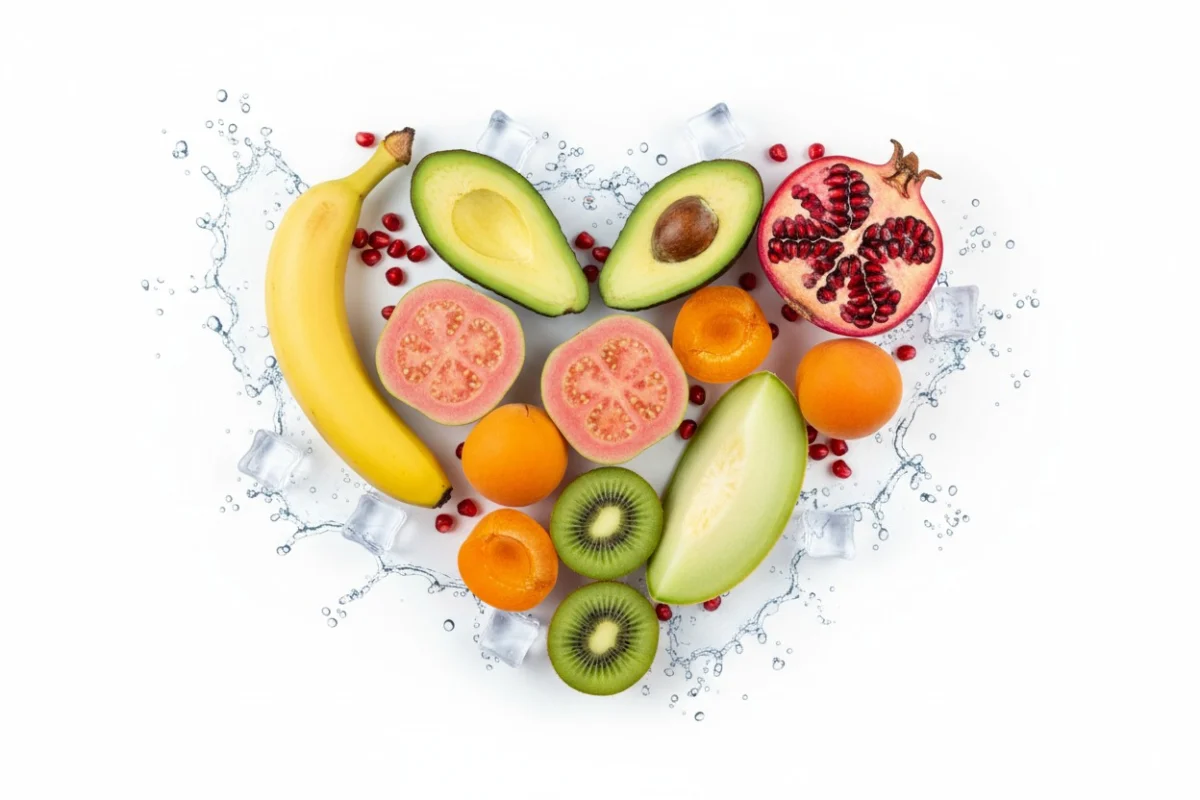
The report highlights specific fruits that provide substantial potassium per serving, along with secondary nutrients that provide additional cardiovascular support.
1. Avocado (488 mg per half-fruit)
Often labeled a "superfood," avocados provide monounsaturated fats that help manage cholesterol levels. Beyond potassium, their folate content is crucial for vascular health. Research suggests that regular avocado consumption is linked to better heart health markers and more effective blood pressure regulation.
2. Honeydew Melon (388 mg per cup)
Honeydew is a secret weapon for blood pressure management due to its high water content. Proper hydration is essential for blood pressure regulation, and by combining fluid intake with high potassium, honeydew serves as a dual-action heart health snack.
3. Banana (375 mg per fruit)
The classic source of potassium, bananas are also rich in antioxidants like catechins and quercetin. These compounds combat inflammation within the blood vessels, preventing the oxidative stress that can lead to arterial damage over time.
4. Guava (229 mg per fruit)
Guava is an antioxidant powerhouse. Its high concentration of vitamin C and unique plant compounds helps maintain the integrity of blood vessels, providing a solid foundation for individuals working to keep their blood pressure within a healthy range.
5. Kiwifruit (215 mg per fruit)
Kiwis are nutrient-dense, providing vitamins C, E, and K, as well as fiber. A notable study cited in the report suggests that eating two kiwis daily before breakfast can significantly lower systolic blood pressure over a seven-week period.
6. Pomegranate (205 mg per half-cup of seeds)
Pomegranates are rich in polyphenols, which are instrumental in protecting the arteries from plaque buildup. Pomegranate juice has specifically been linked to improved blood pressure outcomes in patients already diagnosed with hypertension.
7. Apricots (181 mg per two-fruit serving)
While fresh apricots are excellent, dried apricots offer a concentrated dose of 755 mg per half-cup. They are also a significant source of beta-carotene, which the body converts to vitamin A, supporting overall tissue health.
Official Recommendations and Safety Considerations
The recommended daily intake for potassium is clear: adult men should aim for at least 3,400 mg per day, while women require 2,600 mg. Pregnant and breastfeeding individuals have higher requirements, typically between 2,800 and 2,900 mg daily.
However, the medical community urges caution regarding the "more is better" philosophy. Potassium is processed by the kidneys, and for individuals with pre-existing kidney disease or those taking specific medications (such as ACE inhibitors or potassium-sparing diuretics), high potassium intake can lead to hyperkalemia—a dangerous condition where potassium levels in the blood become too high.
Medical Guidance: If you have chronic kidney disease or are currently on blood pressure medication, you must consult a physician before significantly altering your potassium intake. For the general population, however, the report emphasizes that the risk of high potassium is minimal when obtained through whole fruits rather than synthetic supplements.
Implications: Building a Healthier Future
The implications of this report are far-reaching. If only 5% of the U.S. population currently consumes enough fruits and vegetables to meet their potassium needs, there is a massive opportunity for public health improvement through simple dietary shifts.
Practical Takeaways for Daily Life
- The "Add-In" Strategy: Rather than obsessing over what to cut out of your diet, focus on what to add. Slice an avocado onto your lunch sandwich, enjoy a bowl of honeydew as a mid-afternoon snack, or blend a banana into your morning oatmeal.
- The Power of Consistency: The benefits of these fruits are cumulative. The seven-week study on kiwifruit demonstrates that consistent, small additions can lead to measurable changes in physiological markers.
- Dietary Frameworks: The DASH diet remains the gold standard for evidence-based heart health. By prioritizing produce-heavy plates, individuals can naturally shift their sodium-to-potassium ratio, creating an environment that is naturally hostile to high blood pressure.
Conclusion: A Holistic View
While the report identifies specific fruits as "potassium sources," it concludes with a vital nuance: no single fruit is a panacea. The most effective approach to cardiovascular health is a holistic one. It involves not just consuming potassium-rich foods, but maintaining a balanced lifestyle that includes adequate hydration, physical activity, and the reduction of ultra-processed, sodium-heavy foods.
By viewing these seven fruits as part of a larger, nutritious, and varied diet, individuals can take proactive control of their heart health. As the report suggests, small, intentional changes at the grocery store can yield significant long-term dividends for the heart and the body as a whole.