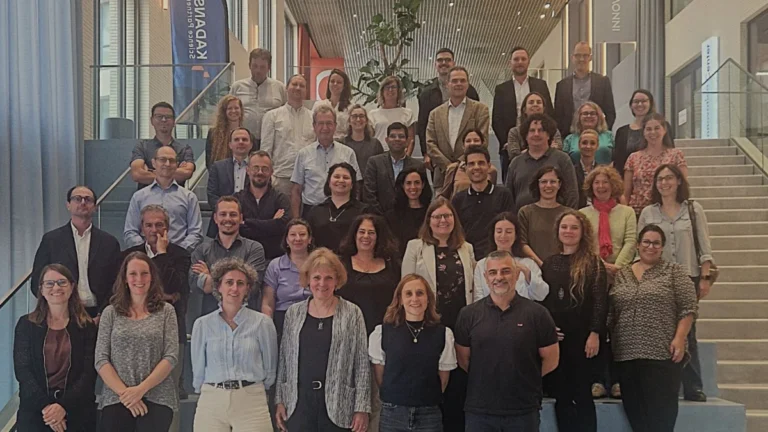
In the ever-evolving landscape of healthcare, the role of the respiratory therapist has never been more critical. As the frontline defenders of pulmonary health, respiratory care practitioners are increasingly stepping into roles of leadership, advocacy, and clinical innovation. Recent media coverage across the United States highlights the multifaceted contributions of American Association for Respiratory Care (AARC) members, whose work is shaping the future of the profession, enhancing patient outcomes, and fostering the next generation of respiratory experts.
From the receipt of prestigious industry awards to the implementation of cutting-edge educational technology and the expansion of community-based rehabilitation programs, AARC members are making their mark. This report examines these recent milestones, exploring the implications of their successes for the broader respiratory care community.
Main Facts: A Snapshot of Professional Achievement
The recent wave of publicity surrounding AARC members serves as a testament to the diverse impact of the respiratory care workforce. These stories reflect a profession that is not only vital in acute care settings but also deeply embedded in academic, community, and administrative sectors.
Key highlights include:
- Academic Excellence: Marlena Pellon, an AARC student member, has been awarded the 2025 Brad Leidich Memorial Scholarship, recognizing her promise as a future leader in respiratory care.
- Institutional Recognition: Rob Sigler, MBA, RRT, CPFT, FACHE, and Crystal Fey, BSRT, RRT, RRT-NPS, have been instrumental in leading their team at Robert Wood Johnson University Hospital to earn the AARC’s prestigious Apex Award.
- Technological Advancement: Randy Solly, MS, RRT, RPFT, AE-C, is spearheading pedagogical innovation at GMercyU through the acquisition of advanced critical care simulation technology.
- Community Engagement: Lisa Leib, RRT, RRT-NPS, is actively promoting the respiratory profession by spearheading outreach and open-house initiatives at Eastern Florida State College.
- Programmatic Certification: Kelsey Guyan, CRT, has been recognized for her work in securing vital accreditation for her facility’s Cardiovascular and Pulmonary Rehabilitation Program.
Chronology of Recent Professional Milestones
The timeline of these achievements underscores a consistent pattern of excellence throughout the early months of 2026.
Early January 2026: Setting the Standard for Care
The year began with significant recognition for the clinical teams at Robert Wood Johnson University Hospital. The announcement that the respiratory care department secured the AARC Apex Award—a distinction reserved for facilities that demonstrate the highest standards of practice—placed members Rob Sigler and Crystal Fey in the national spotlight. This honor recognizes departments that provide high-quality, patient-centered care and demonstrate a commitment to professional development.
Mid-January 2026: Innovation in Education
Following the clinical successes, the focus shifted to the academic sphere. Randy Solly of GMercyU made headlines with the introduction of a new, state-of-the-art critical care mannequin. By mid-month, this advancement was cited as a major leap forward for the program, allowing students to train in complex, high-acuity scenarios that bridge the gap between classroom theory and bedside reality.
Late January to Early February 2026: Advocacy and Outreach
As the month progressed, the narrative shifted toward community health and recruitment. Lisa Leib’s efforts at Eastern Florida State College to host an open house in February exemplify the proactive stance many AARC members are taking to address workforce shortages. Simultaneously, the news regarding Kelsey Guyan at the Huntingdon Daily News highlighted the successful certification of their rehab program, proving that local hospital teams are continuing to meet rigorous national standards for patient care.
Supporting Data: The Impact of Professional Dedication
The collective work of these members is not merely anecdotal; it represents the current trajectory of respiratory therapy as a discipline. To understand the significance of these milestones, one must look at the data supporting the impact of their efforts.
The Role of Mentorship and Scholarships
The Brad Leidich Memorial Scholarship, awarded to Marlena Pellon, is more than a financial boon for a student; it represents a commitment to the "pipeline" of the profession. According to AARC data, the influx of high-caliber students is essential to mitigating the ongoing national shortage of respiratory therapists. Scholarships like the one Pellon received serve as catalysts, ensuring that the next generation is supported by the legacy of those who came before them.
Benchmarking with the Apex Award
The Apex Award is a data-driven recognition program. Facilities like Robert Wood Johnson University Hospital must demonstrate measurable improvements in patient outcomes, staff engagement, and interdisciplinary collaboration to qualify. The involvement of members like Sigler and Fey highlights the importance of administrative expertise (MBA, FACHE) paired with clinical mastery (RRT, RRT-NPS) in driving institutional success.
Simulation-Based Learning
Randy Solly’s focus on the critical care mannequin is supported by educational research indicating that high-fidelity simulation increases student confidence and decreases the time required to achieve clinical competency. By integrating this technology, his program is effectively reducing the "onboarding" time for graduates as they transition into the workforce.
Official Responses and Professional Perspectives
In the wake of these announcements, the consensus among professional leaders is that the visibility of these members is crucial for the reputation of the respiratory care field.
"When our members are featured in the news for their accomplishments, it validates the essential nature of the work we do every day," says an AARC spokesperson. "Whether it is a student winning a scholarship or a department winning an Apex Award, these stories tell the public that respiratory therapy is a sophisticated, highly skilled, and deeply impactful profession."
For members like Kelsey Guyan, the certification of the rehabilitation program is a reflection of a team effort. "Achieving this certification wasn’t just about checking boxes," Guyan noted. "It was about proving to our community that we provide evidence-based, high-quality care that improves the long-term quality of life for our pulmonary patients."
Implications: The Future of the Respiratory Care Profession
The achievements of these AARC members provide a roadmap for the future of the profession. As the healthcare industry faces unprecedented pressure to deliver efficient, effective, and accessible care, the lessons from these individual successes are profound.
Enhancing Recruitment through Community Engagement
Lisa Leib’s initiative at Eastern Florida State College serves as a blueprint for other programs. By demystifying the profession through open houses, practitioners are doing the essential work of recruitment. As the public gains a better understanding of what respiratory therapists do—moving beyond the "breathing treatment" stigma to a role that involves hemodynamic monitoring, mechanical ventilation, and critical care management—the interest in the field will continue to grow.
Bridging the Academic-Clinical Divide
The intersection of technology and education, exemplified by the work of Randy Solly, is the new frontier. As the complexity of medical technology increases, so too must the educational tools used to train students. The push toward high-fidelity simulation is not just a luxury; it is a necessity for patient safety.
Leadership and Institutional Advocacy
The success of Rob Sigler and Crystal Fey demonstrates that respiratory therapists are increasingly moving into the C-suite and middle management, where they can advocate for resources and policy changes that benefit the entire department. This leadership is vital in ensuring that respiratory care is prioritized in hospital budgets and strategic planning.
Conclusion: A Legacy of Excellence
The stories of Marlena Pellon, Rob Sigler, Crystal Fey, Randy Solly, Lisa Leib, and Kelsey Guyan are representative of the thousands of AARC members working across the nation. Each of these individuals has, in their own way, elevated the standard of care, fostered the growth of the profession, and strengthened the connection between clinical practice and the community.
As we look toward the remainder of 2026 and beyond, the influence of these professionals will undoubtedly continue to resonate. Their commitment to excellence is the engine of the respiratory care profession, ensuring that patients receive the highest standard of pulmonary care, students receive the best training, and the profession remains a respected and vital pillar of the modern healthcare system.
The AARC remains committed to supporting these members as they continue to lead, innovate, and inspire. Their stories are not just headlines—they are the future of respiratory care.
Summary of Featured AARC Member Achievements
| Member | Achievement | Significance |
|---|---|---|
| Marlena Pellon | Brad Leidich Scholarship | Supports the next generation of RTs. |
| Sigler & Fey | AARC Apex Award | Validates high-quality clinical leadership. |
| Randy Solly | Critical Care Simulation | Advances educational standards. |
| Lisa Leib | Program Outreach/Open House | Drives workforce recruitment. |
| Kelsey Guyan | Program Certification | Ensures evidence-based patient care. |
For further information on how AARC members are contributing to the healthcare field, or to learn more about upcoming professional opportunities, please visit the official AARC website and stay tuned to local and national news outlets.