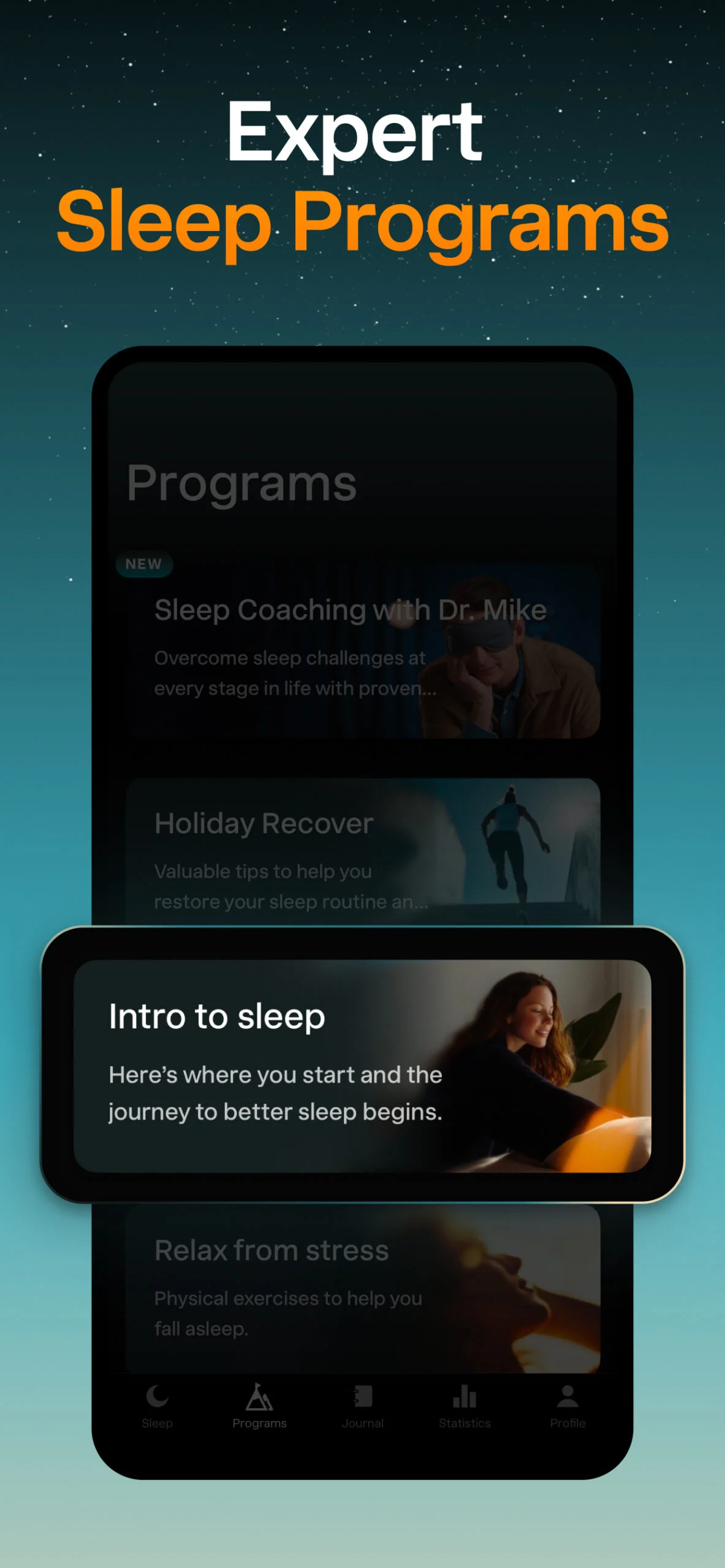
In a significant development for the digital health sector, Stockholm-based sleep technology company Sleep Cycle has announced that over 150,000 individuals have formally registered their interest in the company’s forthcoming sleep apnea risk detection solution. This surge in consumer engagement underscores a growing global appetite for accessible, home-based diagnostic tools for one of the most pervasive yet under-recognized health conditions in the modern world.
The announcement comes as Sleep Cycle pivots toward a more clinical-facing business model, leveraging over a decade of proprietary audio-based sleep analysis to tackle the diagnostic bottleneck currently plaguing sleep medicine. By integrating advanced machine learning with the ubiquity of smartphone technology, the company aims to bridge the gap between initial suspicion of a sleep disorder and formal medical intervention.
Main Facts: Addressing the Silent Pandemic
Obstructive Sleep Apnea (OSA) is characterized by recurrent pauses in breathing during sleep, leading to fragmented rest, oxygen desaturation, and increased risks of cardiovascular disease, hypertension, and cognitive decline. Despite its severity, the condition remains notoriously underdiagnosed, with a large percentage of the population unaware that their snoring or daytime fatigue is symptomatic of a serious medical issue.
Sleep Cycle’s new solution is engineered to lower the barrier to entry for early detection. Unlike traditional polysomnography (PSG)—the gold-standard sleep study performed in a clinical lab—which can be expensive, time-consuming, and prone to "first-night effect" bias, Sleep Cycle’s tool relies on proprietary algorithms that analyze audio signatures of breathing patterns.
The company reports that its internal algorithm testing has already achieved the performance benchmarks required for regulatory submission. By embedding this technology into the everyday sleep environment, Sleep Cycle hopes to provide a frictionless pathway for users to identify their risk levels and subsequently seek professional medical care.
A Chronology of Development and Validation
The trajectory of Sleep Cycle’s sleep apnea project is a study in methodical, evidence-based product development. The company’s journey toward this milestone can be segmented into several key phases:
- The Foundation (2010–2020): Over ten years of collecting millions of nights of anonymized sleep data allowed Sleep Cycle to refine its audio-based analysis technology, setting the stage for more complex medical applications.
- Strategic Pivot (2022–2023): Recognizing the limitations of consumer-grade wellness trackers, the company shifted its focus toward clinical-grade diagnostic utility.
- Validation Partnership (2024): Sleep Cycle formally engaged a US-based contract research organization (CRO) to oversee a rigorous clinical validation study. This step is essential for satisfying the stringent requirements of bodies such as the FDA and EU regulatory authorities.
- The "Waitlist" Phase (Current): With over 150,000 registrants, the company is now in a pre-commercialization phase, using the data and feedback from its user base to optimize the product’s interface and educational components.
- The Horizon (September 2026): This date marks the anticipated completion of the ongoing clinical validation study, which will serve as the backbone for the company’s regulatory filings and subsequent global commercial rollout.
Supporting Data: Understanding the Demographic Demand
The interest group currently awaiting the launch of the Sleep Cycle solution provides a window into who is most concerned about their sleep health. According to the company, the demographics of these 150,000 registrants are particularly telling:
- Geographic Concentration: The vast majority of the interest group is situated in the United States and the United Kingdom, two regions with high smartphone penetration and high healthcare expenditure, yet significant challenges in diagnostic accessibility.
- Gender Balance: The registration shows a remarkably balanced gender distribution. Historically, sleep apnea has been stereotyped as a condition primarily affecting older men. However, increasing awareness of the varied ways in which women experience apnea—often including fatigue and insomnia rather than the classic loud snoring—is reflected in this balanced interest.
- Age Profile: The data shows an overrepresentation of adults aged 45 and older. This demographic aligns precisely with the clinical profile of patients at the highest risk for OSA. The fact that this age group is proactively seeking out digital solutions suggests a shift in how older generations are interacting with health technology.
This data is not merely a vanity metric; it is a validation of the company’s business model. It confirms that the target demographic is not only present but is actively searching for solutions that bypass the traditional, often cumbersome, healthcare referral pathway.
Official Responses and Strategic Vision
Erik Jivmark, CEO of Sleep Cycle, framed the announcement as a milestone not just for the company, but for public health. "Sleep apnea remains significantly underdiagnosed, despite its serious impact on long-term health and quality of life," Jivmark stated. "Seeing more than 150,000 individuals register their interest ahead of commercial availability reinforces our conviction that there is clear demand for more accessible solutions for early detection."
Jivmark’s sentiment reflects a broader strategic shift within the company. By moving away from a "wellness-only" focus, Sleep Cycle is positioning itself as a key player in the digital health infrastructure. The company is actively exploring pathways to integrate its technology with insurance providers, employer-sponsored health plans, and digital health ecosystems. By aligning with these stakeholders, Sleep Cycle hopes to turn a consumer diagnostic tool into a reimbursable medical service.
Implications: The Future of Sleep Medicine
The implications of Sleep Cycle’s success in this space are far-reaching.
1. The Democratization of Diagnostics
By utilizing a smartphone’s microphone, the barrier to entry for screening drops to near zero. If validated effectively, this technology could decentralize sleep medicine, moving the point of initial screening from the sleep lab to the bedroom. This would allow specialists to prioritize their resources for patients who have already been "pre-screened" as high-risk, thereby reducing wait times and healthcare costs.
2. Integration with Wearable Tech
While Sleep Cycle is currently focused on audio, the industry is moving toward multi-modal sensing. Integrating audio analysis with existing data from smartwatches (such as blood oxygen levels and heart rate variability) could create a powerful diagnostic engine. The company’s announcement suggests they are keeping the door open for these types of integrations, signaling a collaborative approach to the digital health market.
3. Regulatory Hurdles and the Path Forward
Despite the enthusiasm, the company faces the daunting reality of regulatory approval. The agreement with the US-based CRO is a critical safeguard. Regulatory bodies require clear, repeatable data proving that the software is as reliable as traditional methods in identifying the Apnea-Hypopnea Index (AHI). The timeline reaching into 2026 acknowledges that this is not a shortcut, but a long-term commitment to clinical rigor.
4. Changing the Insurance Paradigm
Perhaps the most significant long-term implication is the potential shift in insurance coverage. If Sleep Cycle can prove that its screening tool reduces the incidence of undiagnosed OSA-related accidents or chronic health complications, insurance companies may be incentivized to cover the service. This would transform the app from a niche subscription into a standard component of preventative care.
Conclusion
The news that 150,000 people have queued up for a sleep apnea detection tool is a powerful indicator of a societal shift. As the lines between consumer technology and clinical diagnostics continue to blur, companies like Sleep Cycle are at the vanguard of a new era.
While the journey to September 2026 remains filled with rigorous testing and the inevitable scrutiny of regulatory bodies, the foundation has been laid. For the millions who currently suffer from the silent, exhausting symptoms of sleep apnea, the promise of an accessible, reliable, and user-friendly diagnostic tool represents more than just technological progress—it represents the potential for a better, healthier night’s sleep.
As Sleep Cycle continues its development, the industry will be watching closely to see if they can successfully translate this massive consumer interest into a clinically validated success story. For now, the overwhelming demand is a clear signal that the world is ready to take sleep health seriously.