For many, the transition into their 60s and beyond is a time of renewed freedom and opportunity. However, it is also a period where the body’s physiological landscape shifts. One of the most critical, yet often overlooked, aspects of healthy aging is the maintenance of balance. As we age, the sensory systems that keep us upright—our vision, our inner ear, and our proprioception (the nerve receptors in our joints that track body position)—begin a natural, gradual decline.
While staying active through walking or cycling is commendable, these activities alone may not be enough to combat the specific neurological and muscular shifts that threaten stability. To help older adults maintain their independence and reduce the risk of debilitating falls, experts are now advocating for a more targeted approach: daily, functional leg exercises.
Main Facts: The Physiology of Balance
Balance is not a singular skill; it is a complex, multi-system collaboration. When we stand on one leg or navigate a flight of stairs, our brain is processing a constant stream of data from our eyes, the vestibular system in our inner ear, and the mechanoreceptors in our feet and joints.
As Denise Chakoian, a Rhode Island-based certified fitness trainer with over 16 years of experience, explains, these systems become less sensitive over time. "Your brain has to work harder to figure out where your body is in space," says Chakoian. "Staying active helps slow these changes significantly, but it doesn’t completely stop the natural aging process affecting those systems."
This is why even individuals who maintain high levels of cardiovascular fitness may find themselves feeling less steady than they were two decades prior. The solution is not necessarily more intense training, but more functional training—exercises that mirror the movements of daily life and strengthen the kinetic chain of ankles, hips, and core muscles.
Chronology: The Progressive Decline of Stability
The decline in balance is rarely an overnight event; rather, it is a cumulative process that often begins in the mid-to-late 50s.
- Age 50–55: Early signs of decreased joint proprioception may occur. Individuals might notice they are slightly less comfortable standing on one leg while putting on socks or shoes.
- Age 60–65: The vestibular system (inner ear) begins to show signs of age-related thinning. This is the window where the risk of "tripping" or feeling "off-balance" on uneven terrain increases.
- Age 70+: Without intervention, the reduction in fast-twitch muscle fibers—which are responsible for rapid recovery if you stumble—becomes more pronounced. This is where fall prevention strategies become essential for maintaining independent living.
Supporting Data: Why Targeted Training Outperforms Traditional Cardio
While general physical activity is vital for heart health, it often fails to challenge the specific neurological pathways required for balance. Traditional lunges, while effective for muscle building, can be overly taxing or technically difficult for those already struggling with stability.
According to exercise science, the most effective way to improve balance is through "functional mimicry." By performing exercises that replicate the mechanics of standing up, walking, and stepping, we re-train the brain to process balance data more efficiently. The following six movements are designed to be accessible to almost all fitness levels while providing the necessary stimuli to the core and lower body:
1. The Sit-to-Stand
Often considered the "gold standard" of functional longevity, this movement mimics the act of rising from a chair or sofa. It builds the quadriceps and glutes, which are essential for getting in and out of vehicles or chairs without assistance.
2. Single-Leg Stand
This is the most direct way to train the vestibular system. By removing one point of contact with the ground, you force the brain to recalibrate its internal "leveling" mechanism. Using a sturdy chair for support is encouraged initially.
3. Heel-to-Toe Walk
Also known as the "tandem walk," this exercise challenges the cerebellum—the part of the brain responsible for coordination. It is a fundamental test of walking stability and helps identify if one side of the body is compensating for the other.
4. Calf Raises
The ankles are the body’s first line of defense against a fall. Strong calf muscles allow for the micro-adjustments needed to keep you upright when you lose your footing.
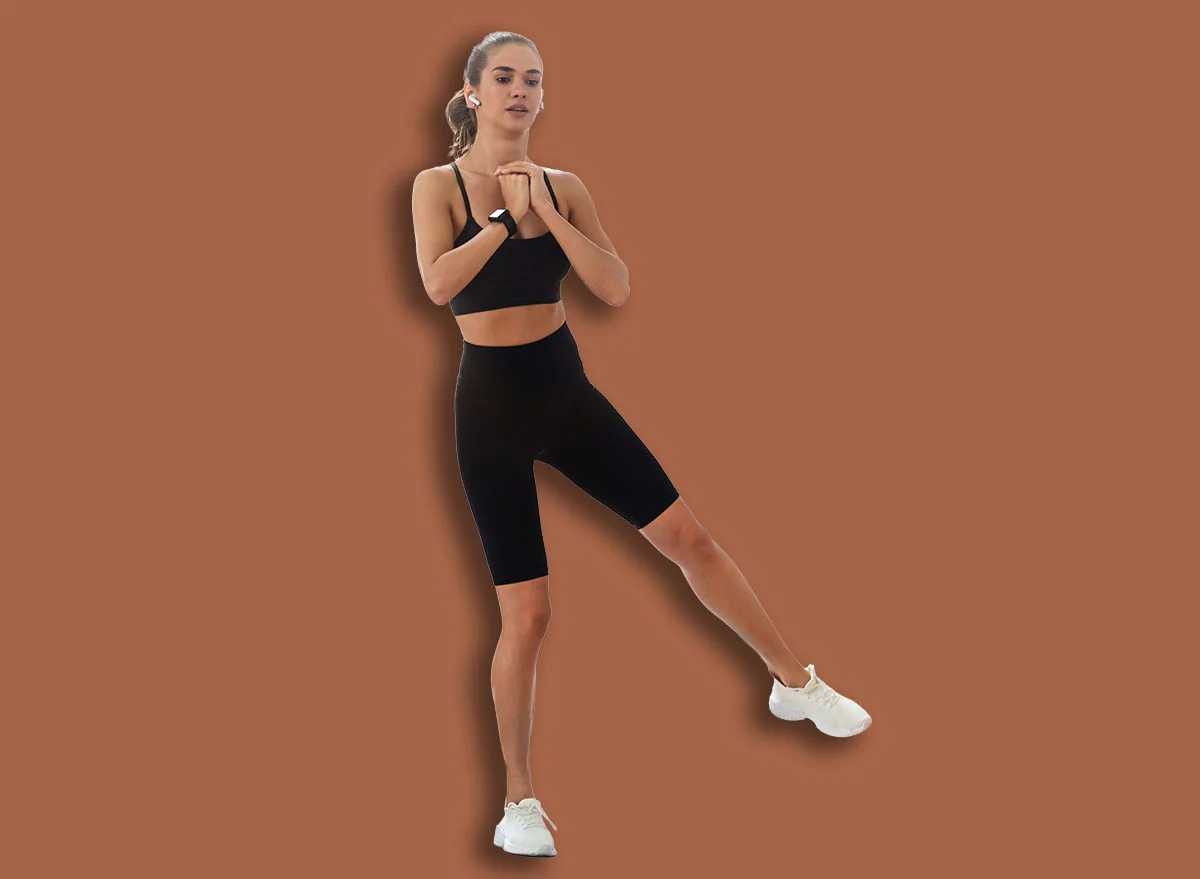
5. Standing Side Leg Raises
These target the gluteus medius, a crucial muscle for hip stability. A weak hip is the primary cause of the "waddling" gait often seen in older adults, which leads to increased instability.
6. Step-Ups
Stairs remain one of the most common locations for home accidents. Practicing step-ups improves the concentric strength needed to lift the body weight safely, ensuring that climbing stairs remains a simple, non-threatening task.
Official Perspectives: Expert Insights on Fall Prevention
The consensus among geriatric health professionals is clear: prevention is superior to rehabilitation. Denise Chakoian emphasizes that the goal is not to become a bodybuilder, but to build a body that serves the individual’s daily needs.
"These exercises mimic everyday movements, making the improvements more practical and easier to carry over into daily routines," Chakoian notes. By training the ankles, hips, and core to function as a unit, seniors can significantly lower their fall risk. When an individual feels confident in their ability to move through their environment, they are more likely to stay socially active, which in turn benefits cognitive health and mental well-being.
Implications for Long-Term Independence
The implications of ignoring balance training are significant. A fall in one’s 70s or 80s can lead to injuries that result in long-term hospitalization, loss of mobility, and a cascade of health issues related to sedentary recovery. Conversely, prioritizing these exercises acts as an insurance policy for one’s future.
Integrating these six movements into a daily routine—even for just 10 to 15 minutes—can have a compounding effect. As the muscles grow stronger and the neurological pathways for balance are reinforced, the "fear of falling" begins to dissipate. This confidence is the bedrock of independence.
For the individual over 60, the message is empowering: you are not merely a spectator to the aging process. Through intentional, focused movement, you have the agency to maintain your steadiness, protect your physical freedom, and continue living a vibrant, active life on your own terms. Whether it is playing with grandchildren, traveling, or simply navigating the neighborhood, these small, consistent efforts pay dividends in the currency of autonomy.