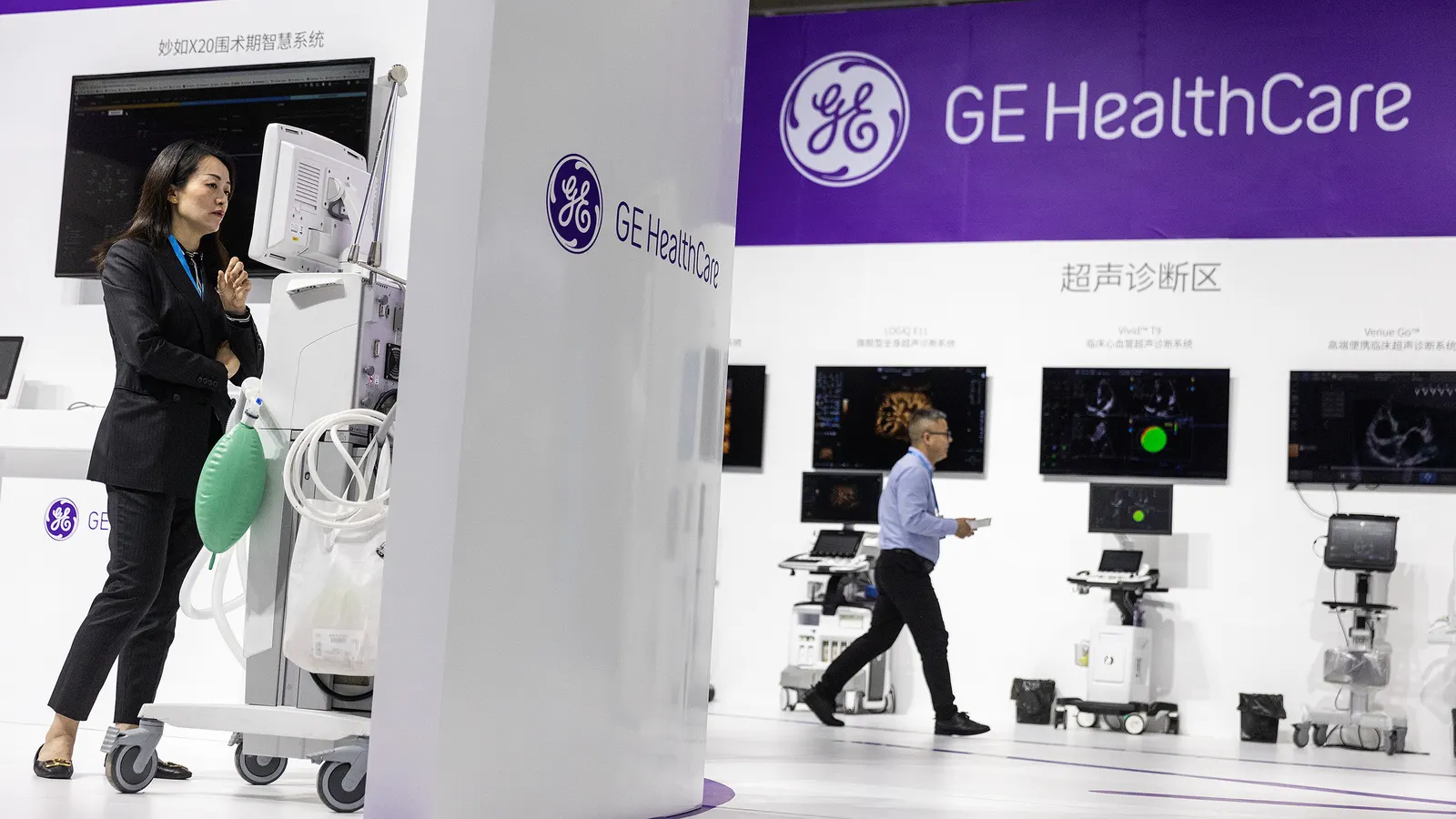
In a significant move to reshape the delivery of diagnostic and therapeutic care, New York-based Catholic Health has entered into a comprehensive 10-year strategic partnership with GE HealthCare. This alliance, designed to modernize clinical infrastructure and optimize patient outcomes, represents the latest in a burgeoning trend of long-term “care alliances” that aim to bridge the gap between advanced medical technology and operational efficiency.
The collaboration focuses on a holistic integration of hardware, software, and clinical expertise across key service lines, including oncology, cardiology, neurology, and maternal-fetal medicine. By shifting from transactional equipment procurement to a collaborative model, Catholic Health seeks to accelerate the timeline from initial patient diagnosis to the initiation of treatment—a critical metric in modern oncology and cardiovascular care.
Main Facts: The Scope of the Alliance
The agreement between Catholic Health and GE HealthCare is far more than a standard equipment procurement contract. It is a multi-disciplinary partnership that encompasses the following core pillars:
- Technological Modernization: The installation of cutting-edge imaging suites, including advanced mammography systems designed to enhance biopsy services and early detection.
- AI Integration: A heavy emphasis on on-device Artificial Intelligence (AI) to streamline clinical workflows, particularly within oncology departments.
- Point-of-Care Expansion: The deployment of hundreds of ultrasound systems across the health system, enabling clinicians to perform high-resolution imaging at the bedside rather than requiring patients to move to centralized radiology departments.
- Embedded Clinical Science: Perhaps the most distinctive feature of the deal is the integration of a dedicated cardiovascular scientist from GE HealthCare. This individual will work directly with Catholic Health physicians to bridge the gap between technological capabilities and clinical practice, ensuring that equipment functionality is constantly optimized based on real-world patient care needs.
- Financial Restructuring: The 10-year term is designed to provide predictable capital expenditure cycles, utilizing “unitary payments” and accelerators to reduce the financial burden typically associated with the periodic replacement of expensive medical imaging hardware.
Chronology of Strategic Care Alliances
The Catholic Health partnership serves as a cornerstone in GE HealthCare’s broader strategy to position itself as a long-term operational partner rather than a mere vendor. This evolution reflects a shift in the healthcare market where health systems are increasingly seeking stability and technological interoperability.
- The Early Foundation: Over the past several years, GE HealthCare has aggressively piloted the "Care Alliance" model, recognizing that large, complex health systems require more than just hardware; they require integrated support teams and predictive maintenance schedules.
- UC San Diego Health (14-Year Agreement): One of the most ambitious pacts, this long-term agreement prioritized the deployment of advanced imaging solutions to drive academic research and patient care excellence.
- Sutter Health ($1 Billion, 7-Year Agreement): This landmark deal set the precedent for scale in the industry. As CEO Peter Arduini noted during the February 2025 earnings call, such massive investments are essential for health systems to maintain a competitive edge in a landscape dominated by rapid technological obsolescence.
- OSF HealthCare: A more recent collaboration that emphasized community-based care solutions, highlighting the flexibility of the alliance model to adapt to both rural and metropolitan care settings.
- Present Day: The Catholic Health agreement consolidates these previous learnings, focusing specifically on the urgent need to decentralize diagnostic services and move care closer to the patient’s bedside.
Supporting Data and Clinical Implications
The shift toward point-of-care ultrasound (POCUS) and bedside diagnostics is supported by robust data suggesting that reducing patient movement improves both satisfaction and clinical safety. By installing hundreds of units, Catholic Health is effectively reducing the "transportation time" for patients, which is particularly beneficial for high-acuity patients in the ICU or those requiring rapid assessment in oncology and cardiology.
Furthermore, the introduction of contrast-enhanced mammography represents a clinical upgrade aimed at improving breast cancer diagnostic accuracy. By providing physicians with more granular imaging data, the system aims to reduce the time between a suspicious finding and a definitive biopsy result.
From a financial perspective, the "unitary payments" model is a direct response to the volatile nature of capital budgeting in healthcare. Traditional purchasing—where health systems must wait for budget cycles to replace aging equipment—often results in the use of legacy hardware that lacks modern connectivity. The 10-year model ensures that Catholic Health will have a rolling, systematic refresh of its technology, ensuring that its imaging fleet remains state-of-the-art throughout the decade.
Official Responses and Strategic Rationale
GE HealthCare has framed these alliances as a solution to the "operational fragmentation" that often plagues large health systems. By embedding personnel—such as the aforementioned cardiovascular scientist—GE HealthCare is effectively providing the health system with a "translator" between the technical specifications of their machines and the daily reality of clinical workflows.

"Our objective is to integrate people, processes, and technology into a single, cohesive operational engine," a spokesperson for the initiative noted. By tailoring workforce development and operational strategies to the specific needs of Catholic Health, the alliance is expected to reduce the administrative burden on clinicians. This allows doctors and nurses to spend more time on direct patient interactions and less time troubleshooting equipment interfaces or waiting for system upgrades.
For Catholic Health, the partnership is a strategic hedge against rising costs. By centralizing its procurement and maintenance under one roof, the health system can achieve economies of scale that are simply not possible when working with a fragmented array of vendors.
Implications for the Future of Healthcare Delivery
The partnership between Catholic Health and GE HealthCare is indicative of a broader trend: the "industrialization" of hospital operations. As healthcare margins tighten and the complexity of medical equipment grows, health systems are finding it increasingly difficult to maintain high-tech departments in-house.
1. The Rise of the "Clinical Partner"
Moving forward, we can expect fewer transactional "bid-and-buy" contracts and more long-term, multi-year alliances. This shifts the role of companies like GE HealthCare from a hardware manufacturer to a "clinical partner" that shares the risk and the success of the health system.
2. The Decentralization of Diagnostics
The focus on bedside ultrasound and outpatient imaging suggests that the traditional "hub-and-spoke" model of hospital care is changing. In the future, hospitals may look more like central nodes for specialized care, while diagnostic imaging and routine monitoring occur in distributed, ambulatory settings.
3. Data-Driven Workflow Optimization
By embedding scientists and data analysts within the hospital’s clinical teams, the alliance aims to create a feedback loop. Every scan, every diagnosis, and every equipment interaction generates data that can be used to optimize the system further. This "learning health system" model will likely become the gold standard for large-scale healthcare organizations by the end of the decade.
4. Financial Stability
For the financial health of the sector, these 10-year deals provide a level of predictability that is desperately needed in an era of fluctuating labor costs and inflationary pressures. By fixing the costs of technological infrastructure, Catholic Health can better allocate its remaining resources toward staffing and patient-centered initiatives.
Conclusion
The 10-year alliance between Catholic Health and GE HealthCare is a blueprint for the future of institutional medicine. By combining advanced AI-enabled imaging with a commitment to long-term clinical collaboration, the partners are attempting to solve the dual problems of technological obsolescence and operational inefficiency. As the healthcare sector continues to evolve, the success of this collaboration will likely be measured not just in the number of machines installed, but in the speed with which patients move from initial concern to successful treatment, setting a new benchmark for integrated care.