In a move set to reshape the landscape of sleep medicine diagnostics, Onera Health, a leader in transforming sleep medicine with innovative diagnostic solutions, has announced a major strategic integration. The company’s flagship product, the Onera hPSG (home polysomnography) system, is now fully integrated with Somnoware, the prominent sleep lab management software acquired by ResMed. This technical synthesis promises to eliminate the friction that has historically plagued sleep labs, allowing for a seamless flow of data from the patient’s bedroom to the clinician’s desktop.
For sleep centers struggling with fragmented data systems and labor-intensive manual workflows, this integration represents a significant leap forward in operational efficiency and patient care quality.
Main Facts: Bridging the Gap in Sleep Diagnostics
The core of this announcement is the interoperability now established between Onera’s cloud-based diagnostic ecosystem and the Somnoware management platform. Historically, sleep centers utilizing home PSG technology faced a common hurdle: the need to navigate separate portals for data acquisition, analysis, and clinical documentation.
Under the new integration, clinicians can manage Onera hPSG studies directly within the Somnoware interface. When a patient completes a home sleep study using the Onera system, the resulting data is automatically funneled into the Somnoware environment. This eliminates the requirement for manual file transfers, proprietary software jumping, or the risk of human error associated with re-entering patient data across multiple databases.
Key benefits of this integration include:
- Centralized Workflow: Clinicians can initiate, monitor, and finalize studies without leaving the Somnoware ecosystem.
- Rapid Turnaround: Data availability is near-instantaneous upon the conclusion of a study, accelerating the time-to-diagnosis.
- Unified Reporting: Comprehensive diagnostics and web-based study reviews are consolidated, facilitating faster interpretation by sleep physicians.
- Enhanced Interoperability: By syncing these two platforms, sleep labs can maintain a high-tech, digital-first approach to patient care.
Chronology: The Evolution of Connected Sleep Care
The journey toward this integration reflects the broader shift in medicine toward "decentralized" or "home-based" care.
Phase 1: The Rise of Home PSG (2020–2022)
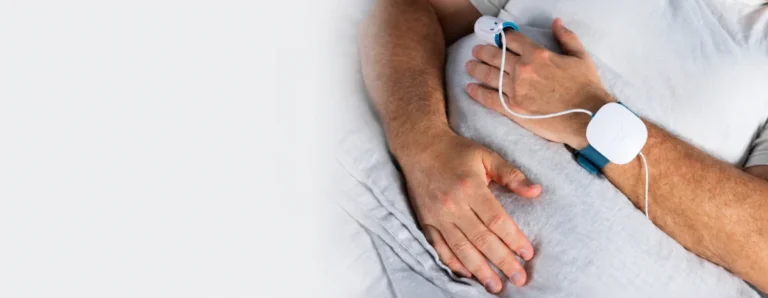
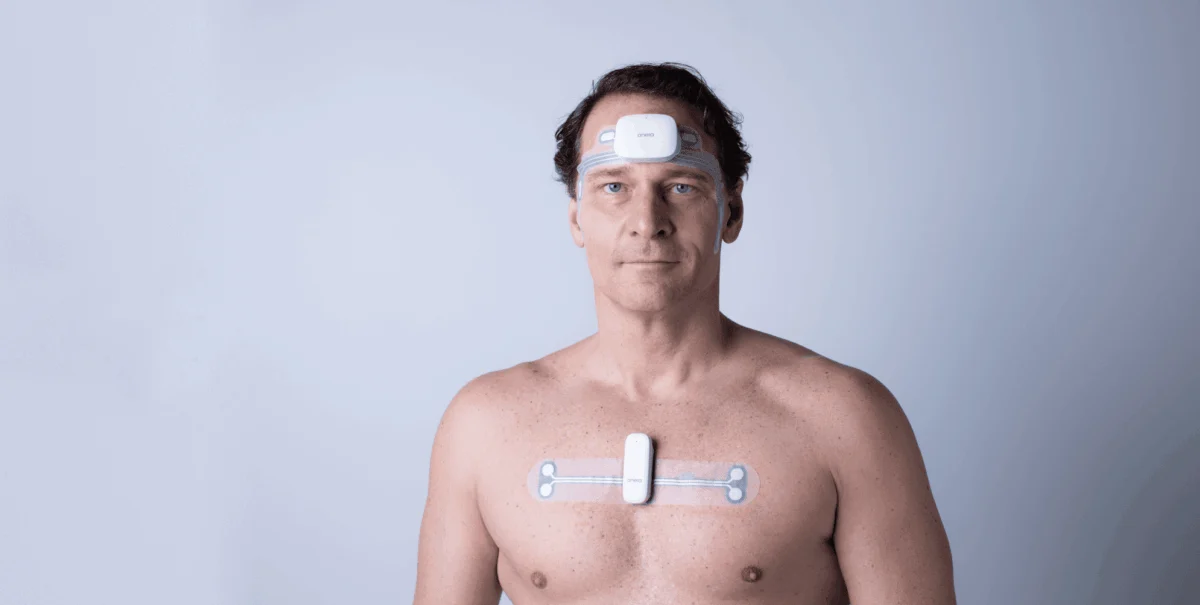
Onera Health began its mission by addressing the limitations of traditional in-lab polysomnography. By miniaturizing the technology required for high-fidelity PSG into a wearable, easy-to-use home device, Onera enabled clinics to test patients in the comfort of their own beds without sacrificing the clinical depth of a hospital study.
Phase 2: The Consolidation of Lab Management (2023)
As home-based testing became standard practice, the "back-office" burden on sleep labs grew exponentially. Managing disparate software for home devices versus in-lab machines created silos. During this period, the acquisition of Somnoware by ResMed solidified Somnoware’s position as the industry-standard software for managing the entire lifecycle of a sleep study, from patient intake to long-term therapeutic monitoring.
Phase 3: The Integration Milestone (2024)
Recognizing that many of their mutual clients were manually bridging the gap between Onera’s hardware and Somnoware’s software, the two entities initiated the technical partnership. The current integration marks the culmination of this effort, providing a unified digital highway for sleep diagnostic data.
Supporting Data: Why Efficiency Matters in Sleep Medicine
The urgency for this integration is rooted in the current state of the sleep diagnostic market. According to industry data, the prevalence of sleep-disordered breathing—specifically obstructive sleep apnea (OSA)—is rising globally, yet a significant portion of the population remains undiagnosed.
- Diagnostic Bottlenecks: Traditional in-lab sleep studies are expensive and often feature long waiting lists. While home PSG (hPSG) is more accessible, the administrative workload of managing thousands of home tests can overwhelm smaller clinics.
- Workflow Efficiency: Studies on clinical productivity suggest that administrative burden is a leading cause of physician burnout. Reducing the time spent on "chart chasing" or managing file uploads can save clinicians upwards of 30 to 60 minutes per shift.
- Quality Metrics: Automated workflows reduce the potential for data loss or misidentification. By ensuring that the Onera study data is directly mapped to the Somnoware patient record, the integrity of the diagnostic audit trail is significantly strengthened.
Official Responses and Strategic Vision
The leadership at Onera Health views this partnership as a fundamental step toward modernizing sleep medicine. Ruben de Francisco, founder and CEO of Onera Health, articulated the strategic importance of this development in a recent press statement.
"The integration with Somnoware is a welcomed enhancement that broadens access to the Onera hPSG solution," de Francisco noted. "Many sleep centers are customers of both Onera and Somnoware. We are very pleased that the integration of our cloud-based platforms will enable clinicians to benefit from a streamlined clinical workflow while providing access to comprehensive sleep diagnostics, including web-based study review and reporting capabilities."
The sentiment is echoed by stakeholders who believe that the future of medicine is "platform-agnostic." By choosing to integrate rather than compete, Onera is signaling that its priority is the clinician’s experience. When physicians can review complex sleep architecture—such as REM cycles, airflow, and pulse oximetry—within a system they already use for billing and patient management, the barrier to adopting home-based care drops significantly.
Implications for the Industry and the Patient
The implications of this integration extend far beyond the convenience of the clinical staff. There are three primary pillars affected:
1. Increased Patient Access
When a sleep lab becomes more efficient, it can process a higher volume of patients. By removing the technical friction of home-based PSG, sleep labs can offer a "home-first" diagnostic model to more patients who might otherwise have been discouraged by the prospect of spending a night in a clinical facility. This increases the total number of patients receiving life-changing diagnoses for conditions like sleep apnea, insomnia, and narcolepsy.
2. Improving Diagnostic Quality
Onera’s hPSG provides data quality comparable to in-lab polysomnography. By pairing this high-fidelity data with the robust management capabilities of Somnoware, the quality of interpretation improves. When a physician has access to clean, well-organized data within a familiar interface, they are less prone to fatigue-related diagnostic errors.
3. The Future of Tele-Sleep Medicine
The integration is a precursor to a fully digital, remote-care ecosystem. As the industry moves toward remote patient monitoring (RPM) and chronic condition management, the ability to have diagnostic data flow seamlessly into the EHR (Electronic Health Record) or lab management system is paramount. Onera and Somnoware are essentially building the infrastructure for the next decade of sleep medicine, where the physical boundaries of the "sleep lab" become increasingly irrelevant.
Conclusion: A New Standard for Sleep Labs
The integration of Onera hPSG with the Somnoware platform is more than just a software update; it is an acknowledgement of the direction in which healthcare is moving. The marriage of cutting-edge diagnostic hardware with comprehensive, automated management software represents the "gold standard" for the modern sleep center.
As sleep centers face increasing pressure to improve outcomes while simultaneously managing costs, solutions that consolidate workflows and leverage the power of cloud-based connectivity will become essential. For clinicians, the result is a more manageable, less fragmented workday. For patients, the result is faster access to care, more accurate diagnoses, and the comfort of testing in their own homes.
As Onera Health continues to expand its technological footprint, this integration serves as a powerful testament to the value of collaborative innovation. In a field as critical as sleep medicine, where the quality of rest dictates the quality of life, removing the obstacles between a patient’s data and a doctor’s diagnosis is a profound and necessary advancement.