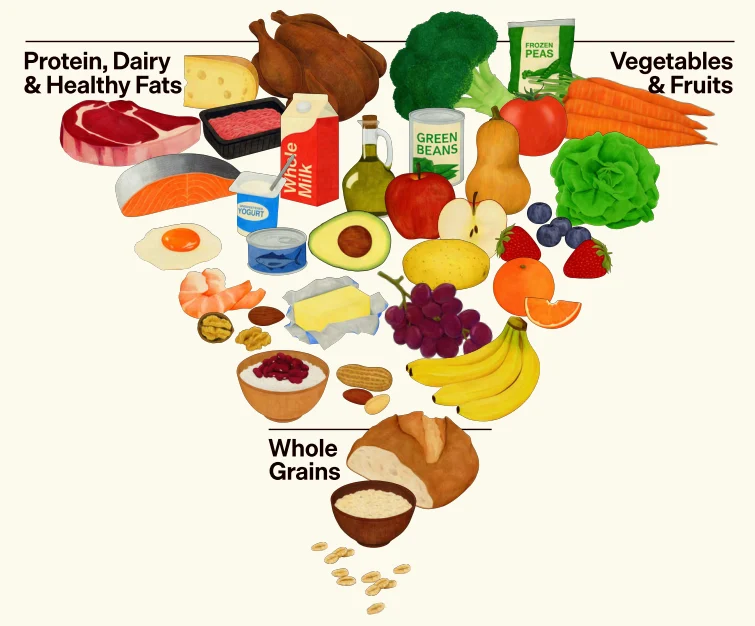
The release of the 2025–2030 Dietary Guidelines for Americans (DGAs) was met with significant public anticipation, arriving with a bold, consumer-friendly promise: "Eat real food." In an era where ultra-processed products dominate supermarket shelves and public health metrics regarding metabolic disease remain stagnant, the government’s attempt to simplify nutrition advice is both timely and necessary. However, while the document takes a commendable, stricter stance on added sugars and highly processed foods, it has simultaneously ignited a firestorm of criticism from the scientific community, particularly regarding its visual representations and the controversial process behind its creation.
Main Facts: A Shift in Tone and Content
The new DGAs are, by design, more accessible than their predecessors. By utilizing shorter, more direct language and an interactive digital interface, the USDA and the Department of Health and Human Services (HHS) aim to reach a broader audience.
The primary pillars of the new guidelines include:
- A "Real Food" Focus: The guidelines emphasize whole, unprocessed ingredients.
- Stricter Sugar Caps: The threshold for added sugar has been significantly lowered, now explicitly discouraging any added sugars or non-nutritive sweeteners in a "healthy" diet.
- "Highly Processed" Categorization: For the first time, the DGAs specifically warn against "highly processed" foods, a move that aligns with growing research on the adverse health effects of hyper-processed snacks and ready-to-eat meals.
- Protein Recommendations: The guidelines have adjusted protein intake targets to 1.2 to 1.6 grams per kilogram of body weight, a significant increase from previous minimum requirements.
Despite these positive pivots, the most jarring element of the rollout is the "New Food Pyramid." Unlike the familiar USDA MyPlate, this version is inverted, placing heavy emphasis on steak, full-fat dairy, and butter. This visual choice has created a fundamental, if not paradoxical, disconnect between the text—which maintains a cap on saturated fat at 10% of total calories—and the images provided to the public.
Chronology: The Road to a Contested Publication
The creation of the DGAs is a multi-year, rigorous endeavor involving the Dietary Guidelines Advisory Committee (DGAC)—an independent panel of nutrition experts. The process is designed to be transparent, evidence-based, and immune to industrial influence.
- The Evidence Gathering Phase (2023–2024): The DGAC spent two years synthesizing the latest nutrition science, conducting systematic reviews, and hosting public forums.
- The Scientific Report: The committee submitted its findings, which generally favored plant-forward diets and strict limits on red and processed meats.
- The Administrative Pivot (Late 2024): In a departure from historical norms, the administration opted to reject significant portions of the Committee’s final report.
- The Supplemental Analysis: Rather than adhering to the Committee’s findings, a separate group—selected via a "federal contracting process"—conducted a supplemental analysis. This process has been widely criticized for its lack of transparency and the inclusion of reviewers with disclosed financial ties to the beef and dairy industries.
- The Release (January 2026): The final guidelines were published, incorporating the controversial supplemental findings, leading to the visual prominence of animal-based fats in the new pyramid.
Supporting Data: The "Saturated Fat Math" Problem
The core of the scientific pushback centers on the internal consistency of the guidelines. Nutrition experts point to the "saturated fat math" as a point of immediate concern for the average consumer.
If a person follows a 2,000-calorie diet, the 10% limit on saturated fat equates to approximately 22 grams per day. The DGAs suggest three servings of dairy daily. If a consumer follows the visual cues of the "New Food Pyramid"—which highlights full-fat options—the math becomes impossible to reconcile:
- One 8-oz cup of whole milk: 5g saturated fat
- ¾ cup of full-fat Greek yogurt: 6g saturated fat
- 1 ounce of cheddar cheese: 6g saturated fat
Total: 17 grams of saturated fat. Adding a single tablespoon of butter or beef tallow—both suggested as cooking fats in the guidelines—pushes the consumer over the 22-gram limit before they have even accounted for the protein sources (steak, eggs, or processed meats) consumed during main meals.
Dr. Frank Hu, chair of the Department of Nutrition at the Harvard T.H. Chan School of Public Health, warns that these mixed messages are not merely academic. "The mixed messages surrounding saturated-fat-rich foods such as red meat, butter, and beef tallow may lead to confusion and potentially higher intake of saturated fat and increased LDL cholesterol and cardiovascular risk," Hu stated.
Official Responses and Expert Critique
The lack of transparency in the drafting of the final 2025–2030 guidelines has prompted a rare, vocal response from members of the original advisory committee. Deirdre Tobias, an assistant professor who served on the 2025-2030 DGAC, noted that the final product deviates from the replicable, unbiased standards established by the HHS.
"There has not been transparency in who wrote the new DGAs," Tobias explained. "The reviews themselves, as well as their overall presentation and integration, deviate significantly from the rigorous process that the HHS developed."
The administration, however, maintains that its supplemental analysis was conducted based on "scientific rigor" and subjected to internal quality checks. Despite these defenses, the presence of reviewers with ties to the animal protein industry remains a point of contention for public health advocates who argue that the guidelines should be focused purely on health outcomes, not industry-aligned dietary patterns.
Implications: A Landscape of Confusion
The implications for the American public are significant. Health literacy in the United States is already challenged by a flood of misinformation; when the government’s own dietary guidelines provide conflicting visual and written advice, the result is likely to be increased confusion rather than improved health.
1. The "Protein" Trap
The recommendation to increase protein intake is interpreted by many as a "green light" to consume more red meat. However, experts emphasize the "protein package"—the nutrients that accompany protein. A steak comes with saturated fat and sodium; a serving of beans or fish comes with fiber and unsaturated fats. The DGAs fail to distinguish between these outcomes, potentially steering the public toward higher consumption of cholesterol-raising foods.
2. Environmental and Socioeconomic Silences
For the first time, many observers expected the DGAs to address the sustainability of our food systems. The decision to exclude environmental impacts and socioeconomic barriers to healthy eating represents a missed opportunity to address the reality of how food is produced and consumed in a modern economy.
3. The Need for Alternatives
Given the mixed messages in the new federal guidelines, health organizations are doubling down on evidence-based alternatives. The Harvard Healthy Eating Plate, for instance, continues to serve as a guide that prioritizes plant-based proteins, whole grains, and healthy oils, keeping the focus on long-term disease prevention rather than the competing interests of specific food lobbies.
The Bottom Line
The 2025–2030 Dietary Guidelines for Americans arrive at a critical juncture in the nation’s health crisis. While the effort to simplify nutrition and reduce processed food intake is a step in the right direction, the document is hampered by a lack of transparency and a puzzling reliance on imagery that contradicts the science of cardiovascular health.
As the public attempts to navigate these new recommendations, the best advice remains grounded in the basics: focus on whole, minimally processed foods, prioritize unsaturated fats over saturated ones, and remain skeptical of "official" graphics that appear to favor industry interests over verified nutritional science. For those seeking clarity, the best course of action remains consulting a registered dietitian who can provide a personalized, science-backed approach to nutrition.