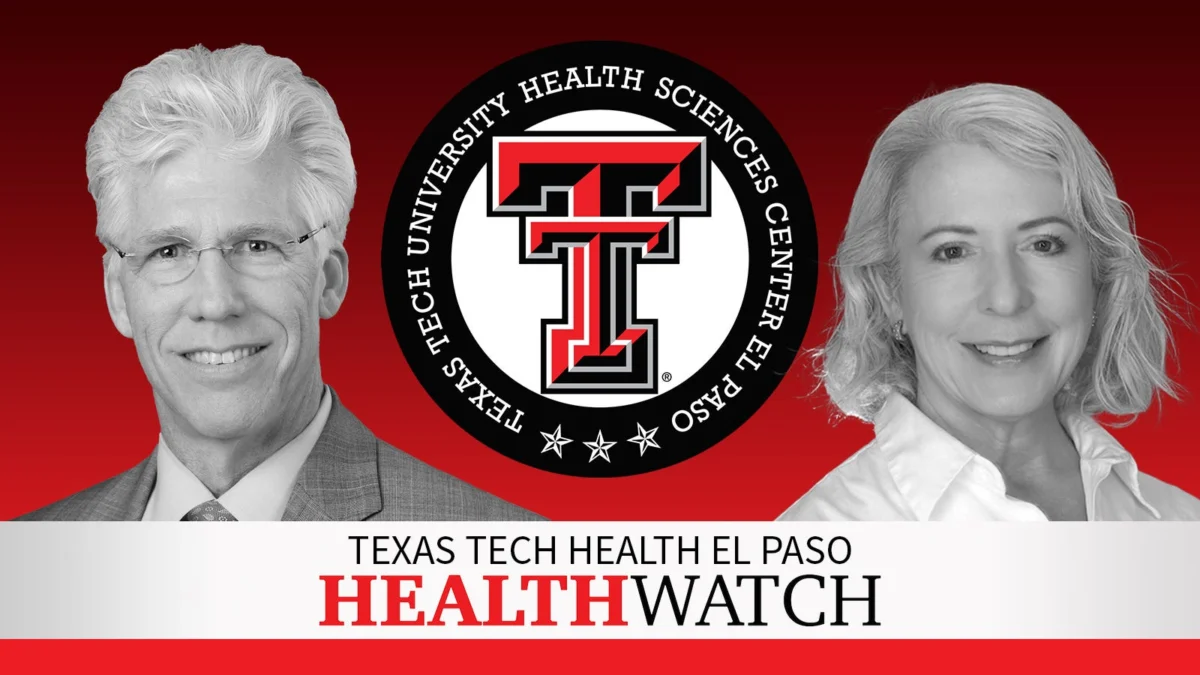
In the latest installment of TTHealthWatch, a weekly medical podcast hosted by the Texas Tech University Health Sciences Center, hosts Elizabeth Tracey and Dr. Rick Lange delve into the most pressing medical headlines of the week. From the pervasive global habit of coffee consumption to the complexities of treating chronic skin conditions and the emerging risks associated with e-cigarette use, this week’s discussion offers a comprehensive look at how clinical research is shaping patient care.
The Caffeine Conundrum: Cardiovascular Impacts
Caffeine remains one of the most widely consumed substances on the planet. Whether through the morning ritual of a cup of coffee or the rising prevalence of synthetic energy drinks, the impact of this stimulant on cardiovascular health is a subject of intense scientific scrutiny.
Chronic vs. Acute Effects
Dr. Rick Lange, president of Texas Tech Health El Paso, notes that while observational studies have historically dominated the landscape, recent data provides a clearer picture of long-term consumption. The relationship between caffeine and blood pressure appears to follow a "J-shaped" curve, suggesting that moderate intake may have different physiological impacts than excessive consumption.
Regarding metabolic health, evidence suggests that habitual coffee consumption is associated with a reduced risk of type 2 diabetes. However, a significant caveat remains for those who consume unfiltered coffee, which has been linked to elevated cholesterol levels, particularly LDL. For the general population, coffee appears to offer a protective benefit against coronary artery disease, heart failure, atrial fibrillation, and stroke.
Clinical Considerations for Pre-existing Conditions
A critical finding from the latest American Heart Association scientific statements is that coffee consumption does not appear to exacerbate risk for patients who have already been diagnosed with coronary artery disease or heart failure. However, Dr. Lange draws a sharp distinction between natural coffee and high-energy drinks. The latter are associated with significant risks, including arrhythmias and increased mortality, and are generally deemed unsafe for cardiovascular health regardless of patient history.
Antihistamines and Atopic Dermatitis: A Re-evaluation
The use of antihistamines for atopic dermatitis (eczema) has long been a standard, albeit debated, practice. A new meta-analysis featured in the BMJ provides a critical look at whether these medications truly alleviate the symptoms that plague millions of patients.
Findings on Efficacy and Safety
The study, which reviewed 47 randomized trials involving over 6,000 participants, concluded that both first- and second-generation antihistamines offer only a negligible, clinically undetectable reduction in itch severity and dermatitis symptoms.
More concerning is the safety profile of first-generation antihistamines. The research highlights a clear link between these agents and cognitive impairment. Furthermore, the reliance on these drugs often leads to treatment discontinuation due to adverse effects. The consensus emerging from the data is that the inflammatory pathway driving atopic dermatitis is likely not histamine-mediated, suggesting that current antihistamine-based treatment protocols for this condition may be fundamentally misguided.
Future Directions in Dermatology
While these findings are significant, experts emphasize that they are specific to atopic dermatitis. It remains unclear whether these results can be extrapolated to other conditions, such as contact dermatitis or hand eczema. The medical community is now tasked with shifting focus toward identifying the true underlying pathways of atopic itch, rather than continuing to rely on ineffective pharmaceutical interventions.
Food as Medicine: The Navajo Nation Initiative
Perhaps one of the most promising studies discussed this week, published in JAMA Internal Medicine, explores the "food-as-medicine" paradigm. Researchers investigated whether a culturally tailored, prescribed meal program could improve outcomes for heart failure patients within the Navajo Nation.
Program Design and Outcomes
The study followed 200 patients who had experienced heart failure hospitalizations within the previous year. Half of the participants received standard medical advice, while the other half were provided with a curated, culturally sensitive diet that adhered to the American Heart Association’s DASH (Dietary Approaches to Stop Hypertension) guidelines.
The results were striking:
- Hospitalization Risk: The group receiving the prescribed meals saw a 57% reduction in emergency department visits and hospitalizations compared to the control group.
- Specific Reductions: Heart failure-related hospitalizations dropped by 71% in the intervention group.
- Holistic Benefits: Beyond cardiovascular markers, participants experienced lower symptom burdens, reduced food insecurity, improved blood pressure, and decreased financial strain.
Implications for Public Health
This initiative highlights that health outcomes are deeply tied to socioeconomic factors and access to quality nutrition. By providing not just the food, but the necessary appliances and resources to prepare it, the study demonstrated that food-as-medicine interventions are not only effective but potentially more cost-effective than managing recurring, expensive hospitalizations.
The Shadow of E-Cigarettes: A Respiratory Warning
Finally, the discussion turned to a concerning analysis published in Nature Medicine regarding the use of electronic cigarettes following smoking cessation. Using data from the Korean National Health Screening Program, researchers tracked the long-term health outcomes of over 4.5 million adults.
Lung Cancer Incidence and Mortality
The study revealed that individuals who used e-cigarettes after quitting conventional smoking faced a 56% higher risk of lung cancer incidence and a 200% increased risk of lung cancer-specific mortality compared to those who quit nicotine use entirely.
While the study focused on associations rather than direct causation, the sheer scale of the data—which documented nearly 36,000 cases of lung cancer and 13,000 deaths—serves as a grave warning. The findings suggest that supplementing with e-cigarettes after smoking cessation may attenuate the health benefits of quitting.
Challenging the "Harmless" Narrative
E-cigarettes are frequently marketed as a safer alternative to combustible cigarettes. However, the medical consensus is shifting. Beyond the potential for promoting cancer, e-cigarette use has been linked to increased susceptibility to respiratory infections, chronic obstructive pulmonary disease (COPD), and asthma. The scientific community is increasingly vocal about the need to reframe e-cigarettes not as a "harm-reduction" tool, but as a significant public health risk that requires stringent regulation.
Conclusion: Bridging the Gap in Patient Care
The topics covered in this week’s TTHealthWatch illustrate the dynamic nature of clinical medicine. Whether it is the validation of coffee as a safe habit for most, the debunking of ineffective dermatology treatments, the transformative power of nutritional interventions, or the sobering reality of e-cigarette health risks, these stories share a common theme: the importance of evidence-based practice.
As healthcare continues to evolve, the focus must remain on challenging long-held assumptions and integrating social, cultural, and physiological data into actionable patient care strategies. By listening to the latest scientific discourse, clinicians and patients alike can make better-informed decisions that prioritize long-term health and wellness.
For more information on these topics, listeners and readers are encouraged to consult the original journal publications mentioned in this report, including Circulation, the BMJ, JAMA Internal Medicine, and Nature Medicine.