











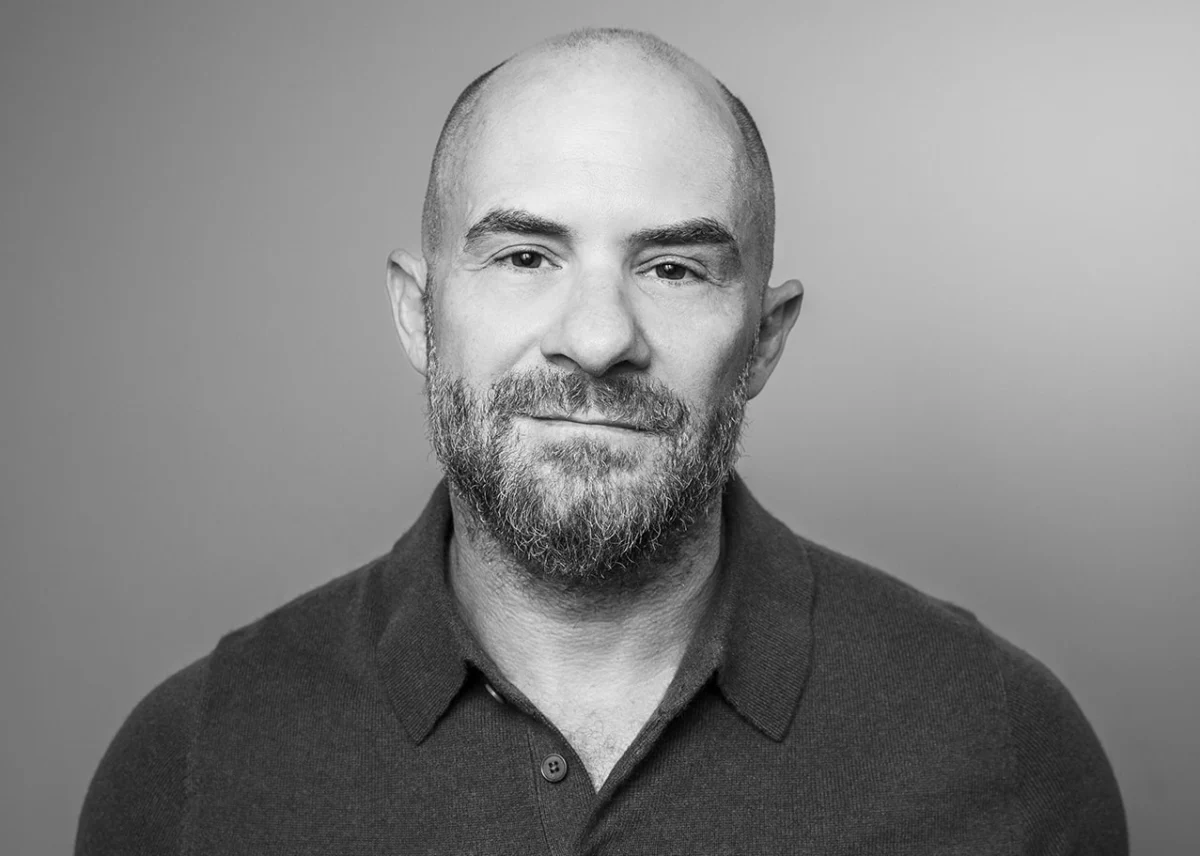
In the spring of 2026, the publication of The Madness Pill: One Doctor’s Quest to Understand Schizophrenia by St. Martin’s Press marked a significant moment in the ongoing debate over the nature of mental illness. Written by Justin Garson, a philosopher and historian of science at the City University of New York, the book provides a sweeping, narrative-driven history of how psychiatry transformed from a field of "talk therapy" and philosophical inquiry into a hard-science discipline defined by neurotransmitters and pharmaceutical intervention.
In a recent comprehensive interview with James Moore for the Mad in America podcast, Garson detailed the genesis of this transformation, centering on the pivotal work of neuroscientist Solomon Snyder. Through a blend of personal family tragedy and rigorous historical analysis, Garson argues that the current "biological paradigm" was not merely a march of scientific progress, but a result of social upheaval, countercultural experimentation, and a desperate search for order amidst the chaos of the mid-20th century.
Main Facts: The Chemical Revolution and Its Discontents
The central thesis of Garson’s work revolves around a fundamental shift in the "core axiom" of psychiatry. For decades, the prevailing view has been that if one wishes to understand madness, one must look at the brain’s chemistry—specifically the delicate balance of neurotransmitters like dopamine and serotonin.
Garson highlights three critical pillars that support this modern worldview:
- The Dopamine Hypothesis: The theory that schizophrenia is caused by an overabundance of dopamine. This remains the bedrock of antipsychotic prescribing habits today.
- The Mechanism of Reuptake: The discovery that neurons "recycle" neurotransmitters, which provided the intellectual foundation for blockbuster drugs like Prozac.
- The Counterculture Connection: The surprising reality that modern psychopharmacology owes much of its existence to the 1960s drug subcultures. Researchers used the "psychosis" induced by LSD and amphetamines as models to understand schizophrenia.
Garson’s investigation is not merely academic. He uses the story of his father, diagnosed with paranoid schizophrenia in the 1970s, as a mirror for the industry’s evolution. His father’s journey from drug-free talk therapy in the Nixon era to the heavily medicated, side-effect-ridden existence of the 1980s serves as a poignant illustration of the human cost of this paradigm shift.
Chronology: From Freud to the "Decade of the Brain"
To understand where psychiatry stands in 2026, Garson maps out a timeline of events that solidified the biological view.
The 1950s and 60s: The Era of Agnosticism
In the early post-war years, psychiatry was largely pluralistic. While drugs like Thorazine were introduced, they were viewed with a degree of agnosticism. Doctors used them as sedatives to facilitate psychotherapy, rather than "cures" for a known biological defect. The cause of madness remained a mystery, often attributed to trauma or unconscious conflict.
1963–1966: The Acid Panic and Scientific Pivot
Solomon Snyder, then a medical resident, experimented with LSD to understand the nature of altered states. When legal restrictions in 1966 made LSD research nearly impossible, scientific interest shifted toward amphetamines. This shift was crucial; because amphetamines flood the brain with dopamine, researchers began to suspect that dopamine was the key to psychosis.
1970: The Nobel Prize and the Dopamine Paper
Julius Axelrod, Snyder’s mentor, won the Nobel Prize for discovering the "reuptake" pump. That same year, Snyder published research arguing that amphetamines trigger psychosis via dopamine. This culminated in his 1976 paper, The Dopamine Hypothesis of Schizophrenia, which effectively launched the era of biological psychiatry.
The 1980s: The Solidification of Ideology
By the mid-80s, the "chemical imbalance" theory became the dominant social narrative. Garson notes that by this time, it became "unthinkable" for a patient to see a psychiatrist on the condition that they would not be given drugs. The biological view was no longer just a theory; it was a solidified ideology supported by a burgeoning pharmaceutical industry.
Supporting Data: The Evidence Gap and the Outcomes Paradox
Despite the dominance of the biological model, Garson points to a startling lack of direct evidence. He cites a candid admission from Solomon Snyder himself: "The dopamine hypothesis of schizophrenia is by definition supported by no direct evidence. No one has found anything conclusively abnormal about dopamine in body fluids or brains of schizophrenics."
Decades later, that "direct connection" remains elusive. Garson discusses several data points that challenge the efficacy of the biological-only approach:
- The Stigma Paradox: While the "brain disease" model was intended to reduce stigma by removing personal blame, research suggests it has had the opposite effect. Studies show that when people view mental illness as a biological defect, they often perceive the sufferer as more "unpredictable" and "dangerous." Stigma toward schizophrenia has actually increased over the last 30 years.
- The Outcomes Paradox: Data from the World Health Organization (WHO) reveals that individuals diagnosed with schizophrenia in developing nations (such as parts of India, Nigeria, or Ghana) often have better long-term recovery rates than those in the US or UK. Garson suggests this is due to higher levels of social integration and a greater tolerance for behavioral differences in those cultures.
- The Dependency Data: Recent surveys conducted by researchers like Joanna Moncrieff and James Davies indicate that patients who believe their depression is a purely biological "chemical imbalance" are likely to stay on antidepressants longer and are less likely to attempt to taper off, despite debilitating side effects.
Official Responses: The Legacy of Solomon Snyder
In writing The Madness Pill, Garson had the opportunity to interview Solomon Snyder before his recent retirement. Snyder represents a complex figure in the history of science—a polymath who was a gifted musician and a student of Freudian analysis, yet also the founder of multiple pharmaceutical companies.
Snyder’s "official" perspective remains one of masterful understatement. He managed to shape the entire direction of 21st-century psychiatry by presenting the dopamine hypothesis as a modest proposal, even while building the commercial infrastructure to support it. Garson describes Snyder as a man who genuinely believed in the pluralistic approach (integrating social and psychological factors) but whose primary passion remained the "brain-drug" interaction.
The pharmaceutical industry’s response to this history has been one of continued investment in the biological model. As Garson notes, the vision of mental disorders as chemical imbalances is "very lucrative." This economic reality has often drowned out more humanistic or social-based interventions in the halls of medical academia.
Implications: Reclaiming Humanity in Mental Health
The implications of Garson’s research are profound for the future of clinical practice. If the "chemical imbalance" theory is a philosophical construction rather than a proven fact, then the current reliance on long-term medication requires urgent re-evaluation.
The Rise of Alternatives
Garson points toward several non-biological models that are gaining traction despite a lack of institutional funding:
- Soteria Houses: Community-based environments that provide a safe space for people experiencing psychosis, focusing on "being with" the person rather than medicating them immediately.
- The Hearing Voices Network: A peer-led movement that helps individuals find meaning in their voices rather than viewing them as symptoms of a broken brain.
- Functional Signaling: A psychological paradigm that views depression not as a disease, but as a "functional signal" from the brain indicating that something in the individual’s life needs to change.
The Source of Change
Garson is skeptical that the shift away from the "diagnose and drug" model will come from within psychiatry itself. "I think even psychiatrists who are very well-intentioned… by and large, they’re just very comfortable with the model. They know how to do that," Garson told Moore.
Instead, Garson believes the future of mental health care lies with "ex-patients and other advocacy groups." He sees a growing public appetite for more humanistic alternatives, evidenced by increased media coverage of drug side effects and the popularity of memoirs by those who have successfully "unshrunk" themselves from the system.
In conclusion, The Madness Pill serves as both a history and a warning. By tracing the lineage of our current psychiatric "truths" back to 1960s speed freaks and 1970s laboratory accidents, Garson invites the public to view madness not as a chemical error to be corrected, but as a human experience to be understood. As the interview concluded, both Moore and Garson agreed that the time has come to "wrest some of the response to mental health back from science" and return it to the realm of human connection and social support.