Published July 19, 2026
In the quiet hours of the night, a silent epidemic plays out in bedrooms across the globe. We retreat to our beds with the intention of rest, yet our minds remain tethered to the relentless productivity of the day. We replay tense conversations, audit our unfinished to-do lists, and rehearse potential conflicts for the morning. For millions, the bed has ceased to be a sanctuary of repose and has instead become a staging ground for anxiety, a place where the "doer" identity we adopt during the day refuses to power down.
As we move further into 2026, sleep experts are increasingly pointing to a counterintuitive reality: the more we treat sleep as a task to be optimized, the more elusive it becomes. The modern obsession with tracking sleep stages, adjusting room temperatures, and curating "perfect" nighttime formulas has paradoxically created a state of hyper-arousal. We are treating sleep as a performance, and in doing so, we are sabotaging the very surrender required for true rest.
The Performance Trap: Why Optimization Fails
The contemporary approach to sleep is rooted in the "hustle culture" mentality that permeates our waking hours. We apply the same metrics-driven logic to our nights as we do to our business KPIs. We track our REM cycles, we measure our latency, and we obsess over our "sleep scores."
However, neuroscientists note that this approach triggers the sympathetic nervous system—the "fight or flight" response—rather than the parasympathetic nervous system, which is responsible for the "rest and digest" state. When we approach sleep as a goal to be achieved, we are essentially placing our brains on high alert. The nervous system interprets this demand for efficiency as a threat, preventing the brain from slipping into the slow-wave sleep necessary for rejuvenation. Sleep is not a reward to be earned or a task to be finished; it is a physiological state that must be allowed.
The Philosophy of Non-Doing: A Chronology of Yoga Nidra
The integration of yoga into nighttime routines is not a new trend, but its application as a remedy for "role-fatigue" is gaining significant traction in 2026. Many individuals struggle to transition into sleep because they cannot detach from the identities they wear during the day—the caregiver, the employee, the planner, the problem-solver.
The tradition of Yoga Nidra, or "yogic sleep," offers a psychological framework that helps bridge this gap. At its core, the practice relies on a shedding of the ego-identities we carry. Practitioners are encouraged to meditate on three Sanskrit-derived principles:
- Akinchan: I am nothing. A release from the social titles that demand constant output.
- Aprayatan: I do nothing. A radical cessation of effort and goal-setting.
- Achaha: I want nothing. A temporary suspension of desire and planning.
By adopting these mental postures, the practitioner signals to the nervous system that the "work" of the day has concluded. The following sequence is designed to facilitate this shift, turning the act of preparing for sleep into a gentle, non-strenuous ritual.

10-Minute Bedtime Yoga: A Structured Sequence
To transition effectively from the "doing" state to the "being" state, practitioners should view these movements not as exercise, but as a sensory recalibration.
1. Arriving in Stillness
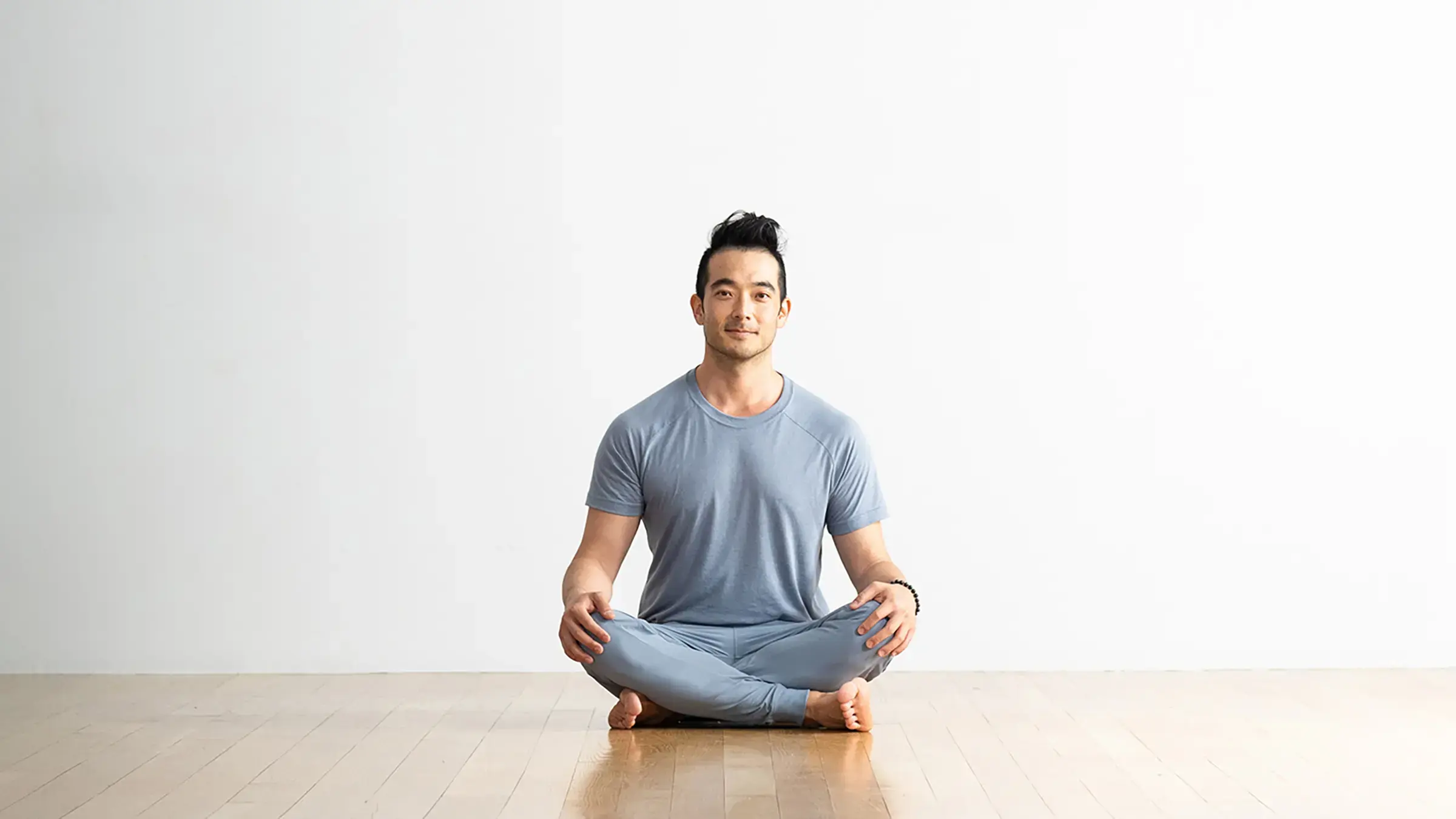
Begin by sitting cross-legged on your bed. Rest your hands on your thighs, allowing the spine to elongate naturally. Spend 30 seconds observing your thoughts without engaging with them. Acknowledge the "niggling" worries of the day—the emails left unread or the tasks for tomorrow—and consciously decide to set them aside. Do not solve them; merely acknowledge their existence, then let them drift toward the periphery of your focus.
2. Seated Side Bending
Lean slowly to your left while exhaling. Hold for 30 seconds, focusing on the feeling of yielding. Do not reach for the floor; rather, feel the ribs expand and the side body soften. Repeat on the right side. This movement helps release physical tension stored in the intercostal muscles, which are often constricted by stress-related shallow breathing.
3. Seated Cat-Cow
With legs extended comfortably, place hands on thighs. Inhale to lift the chest and broaden the collarbones; exhale to round the spine. Repeat this for 20 seconds per cycle. This rhythmic movement of the spine helps regulate the autonomic nervous system, moving it away from the rigid posture of a desk-bound workday.
4. Knee-to-Chest Release
Lying on your back, draw one knee toward the chest, holding it for five breaths. Repeat with the other, then bring both knees toward the chest. This provides a gentle release for the lumbar spine, which often bears the brunt of our daytime stress.
5. The Reclined Twist
Allow your bent knees to drift slowly from side to side. The movement should be fluid, not forced. This rotation of the spine acts as a physical "wringing out" of the day’s tension.
6. The Full-Body Wake-Up
Stretch your limbs as if you are waking up after a long, refreshing slumber. Repeat three times, then let your arms and legs fall naturally. This simulates the sensation of a fresh start, clearing the residual physical energy of the day.
7. Rest and Remember
Close your eyes and focus on the breath. As thoughts arise, repeat the three pillars: I am nothing. I do nothing. I want nothing. As you repeat these phrases, scan your body for tension—the jaw, the shoulders, the brow—and intentionally release them.
Supporting Data and Physiological Impacts
Clinical studies on restorative movement suggest that these gentle, bed-based stretches significantly decrease cortisol levels before sleep. According to data from the 2026 Sleep Wellness Index, participants who engaged in low-impact, non-strenuous movement for at least 10 minutes before bed reported a 34% decrease in sleep latency—the time it takes to drift off—compared to those who engaged in "blue light" activities like scrolling through social media.
The mechanism is simple: by focusing on the sensation of the body, we pull energy away from the prefrontal cortex—the seat of executive function and anxiety—and relocate it to the body’s proprioceptive systems. This is the physiological "off-switch" that our modern, digital-first lives have eroded.
Official Perspectives: The Expert Consensus
Dr. Elena Thorne, a sleep researcher at the Institute for Circadian Health, notes that the problem is largely a psychological one. "We are living in an era where we feel guilty for not being productive," Dr. Thorne explains. "Yoga for sleep works because it provides a socially sanctioned, structured way to stop. When you move through these stretches, you aren’t trying to burn calories or tone muscle; you are signaling to your endocrine system that it is time to shift from a state of performance to a state of repair."
Dr. Thorne cautions, however, that the practice must remain "effortless." If a patient approaches these stretches as a "workout," they will fail to reap the benefits. "If you find yourself checking the clock or counting your repetitions, you have missed the point," she adds. "The goal is the surrender, not the stretch."
Implications for the Future of Wellness
The shift toward "restorative surrender" has broader implications for our collective well-being. As the boundary between work and home continues to dissolve due to remote and hybrid work environments, the ability to mentally "clock out" is becoming a critical survival skill.
By reclaiming the bedroom as a place for being rather than doing, we can potentially reverse the trend of chronic sleep deprivation that has plagued the early 21st century. The implications are significant: improved cognitive function, emotional stability, and a more resilient nervous system.
Ultimately, the lesson of the 10-minute bedtime yoga routine is that we do not need to "fix" our sleep. We simply need to stop interfering with it. By laying down our physical burdens along with our mental ones, we allow the body to return to its natural rhythm. Tonight, when you lie down, consider the possibility that you have already done enough. Let the thoughts of tomorrow wait for the sun, and for these few final minutes of the day, allow yourself the radical grace of doing nothing at all.