Published September 20, 2026
In the meticulous architecture of the Ashtanga Yoga system, few movements are as iconic—or as daunting—as the "pick-up and jump-back." Originally popularized by Sri K. Pattabhi Jois, this transition represents more than a physical feat; it is a profound synthesis of breath, core stability, and mental fortitude. For many practitioners, the journey from seated meditation to the hovering grace of Chaturanga Dandasana is a multi-year odyssey that serves as a crucible for personal growth.
The Anatomy of an Impasse
When newcomers are first introduced to the Ashtanga vinyasa—the rhythmic flow of picking oneself up from seated positions and jumping back—the initial reaction is rarely one of immediate mastery. It is often a cocktail of intimidation and physical frustration.
Many students, even those with backgrounds in other fitness disciplines, find themselves hitting a wall. The common narrative follows a predictable arc: an initial belief that the movement is impossible, followed by a period of avoidance, and finally, the realization that the "pick-up" requires a fundamental shift in how one approaches their practice. It is not merely a test of arm strength; it is a test of the ego. As the practice dictates, the movement demands a rigorous, intelligent application of tapas (purification through heat), requiring the practitioner to observe their mental blocks as closely as their physical form.
A Chronology of the Movement
The mastery of the jump-back does not happen overnight. For many, it is a process that spans years, not months. The progression is characterized by a systematic deconstruction of the movement into its constituent parts.
- Dandasana (Staff Pose): The foundation. Here, the student learns the "shoulder mantra": shoulder blades into the body, sliding down toward the ground, and broadening across the upper back. This alignment is the non-negotiable prerequisite for safety.
- Tolasana (Scales Pose): The introduction to suspension. This pose teaches the practitioner to find the fulcrum of their body, balancing their core weight between their hands.
- Bhujapidasana (Shoulder-Pressing Pose): A bridge to strength. By suspending the body with legs wrapped around the arms, the student develops the necessary upper-body endurance.
- Lolasana (Pendant Pose): The "swing" phase. By drawing the knees toward the chest and lifting the feet, the practitioner begins to understand the feeling of total body compactness.
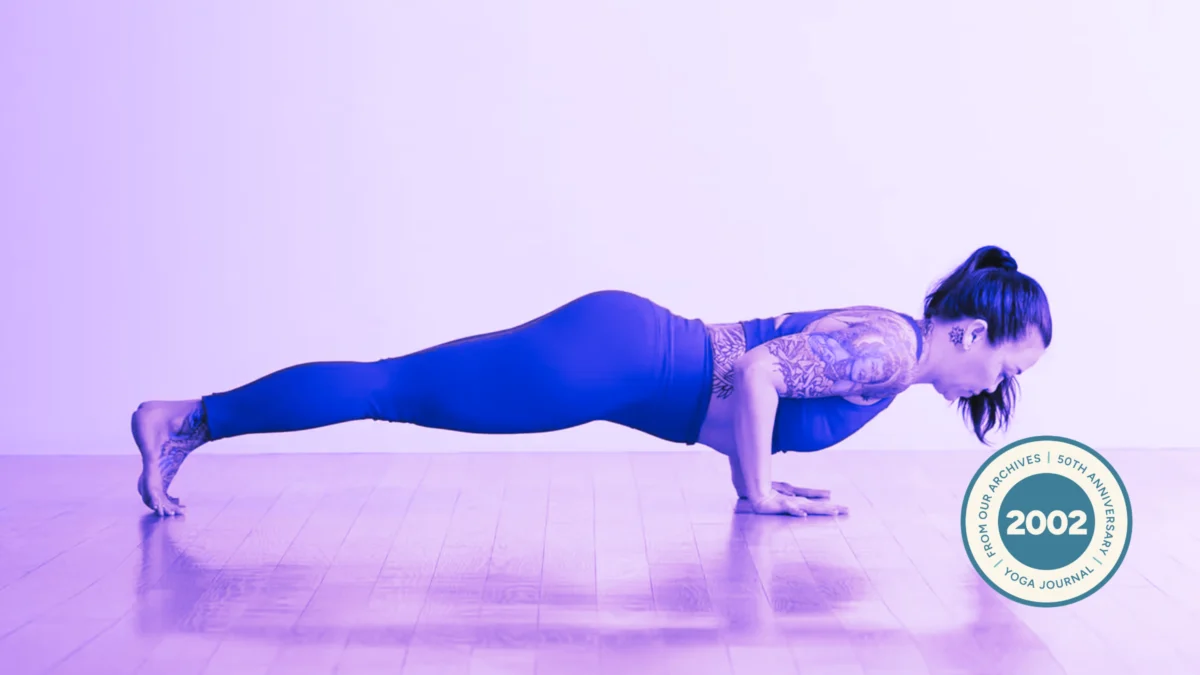
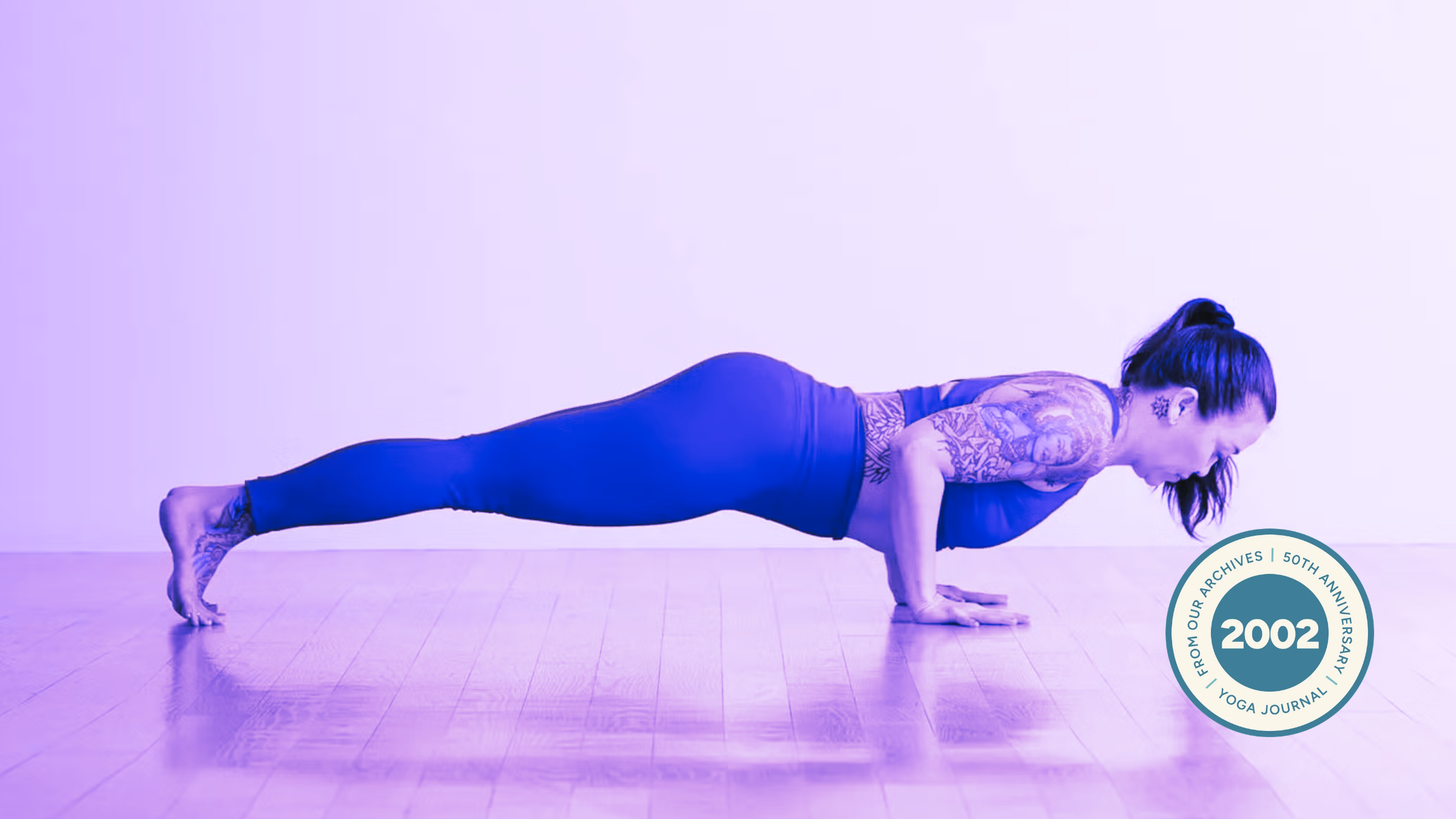
- Chaturanga Dandasana: The landing. The ultimate goal is to move from the air directly into this pose, with elbows tucked and the chest forward, avoiding the jarring impact of a premature drop.
Supporting Data: The Physics of the Lift
To understand the jump-back, one must understand the relationship between the core and the shoulder girdle. The "shoulder mantra"—the act of drawing the shoulder blades into the back while moving them away from the ears—is the mechanical secret to clearing the floor.
Research into the biomechanics of this transition highlights that the primary point of failure for most students is not a lack of bicep strength, but a failure to "get compact." By drawing the heels close to the pelvis and rounding the back, the practitioner reduces their moment of inertia, allowing for a higher, more controlled lift. Furthermore, the alignment of the hands is critical; when the wrists are improperly angled, the load is shifted to the delicate tendons of the forearm, often leading to common injuries such as carpal tunnel syndrome or generalized wrist strain.
Expert Perspectives and Official Guidance
Senior Ashtanga teachers emphasize that the pick-up is not a standalone exercise, but an extension of the breath. Sri K. Pattabhi Jois famously stated that "Yoga is 99 percent practice and 1 percent theory." This sentiment is echoed by modern instructors who warn against the "aggressive trap"—a state where students force their bodies into the jump-back before they have established the necessary stability.
"Neither extreme—too much force or too little—will result in a successful pick-up," notes one veteran instructor. The consensus among the community is that the sequence is not suitable for individuals with pre-existing hernias, lower back injuries, or severe shoulder pathology. The focus must remain on the quality of the movement rather than the speed of the transition.
Implications: The Jump-Back as a Life Metaphor
The implications of mastering the jump-back extend far beyond the yoga mat. The process serves as a psychological training ground for navigating obstacles in daily life.
- Patience over Perfection: The transition from avoiding the move to performing it with grace requires a letting go of attachment to results.
- The "Leap of Faith": The final stage of the jump-back requires the practitioner to trust that their arms will support them. This requires a transition from physical effort to mental confidence.
- The Power of Visualization: By mentally rehearsing the sequence, students bridge the gap between imagination and reality, a tool that is frequently used in high-performance sports psychology.
Conclusion: The Journey Is the Goal
The pick-up and jump-back are often mistakenly cited as the definition of vinyasa. In reality, they are merely one manifestation of the broader "breathing system" that defines the practice. Whether one achieves the "float" in a matter of months or, like many, after eight years of dedicated daily effort, the value lies in the work itself.
When the jump-back is finally achieved, it arrives not with a thunderclap of ego, but as a moment of "self-surprise"—a quiet, graceful lightness that signifies the union of mind and body. The final advice for any practitioner remains constant: do not beat yourself up. The mat is a place for discovery, and as the old adage in the Ashtanga tradition suggests, if you move with awareness and consistency, the grace will eventually reveal itself.
Technical Appendix: Essential Pointers for Success
- The Hand Placement: Always ensure that the creases of your wrists are parallel to the wall in front of you. Over-spreading the thumb can lead to unnecessary wrist stress.
- The Core Connection: Think of the belly as a balloon that pulls inward and upward. This upward lift is what counteracts gravity during the transition.
- The "Compact" Rule: Never attempt the jump-back with extended legs. The closer your heels are to your glutes, the less distance your body has to travel, and the more control you maintain in the air.
- The Landing: Never jump directly into Plank. Always land in Chaturanga. The slight bend in the elbows acts as a shock absorber, protecting the lower back from the force of the transition.
- Avoid the "Poking" Trap: Ensure your shoulder blades do not poke out of your back. They must lie flat, like wings folded against the body, to maintain the structural integrity of the shoulder girdle.
By systematically applying these principles, practitioners can safely transition from the frustration of an impasse to the fluid, meditative rhythm that defines the true essence of Ashtanga Yoga.