In the complex, often overwhelming world of family caregiving, the metaphor of a "marathon, not a sprint" has become a cliché—yet for millions of Americans, it remains a lived reality. For those in the trenches, balancing the needs of an aging parent, a spouse with chronic illness, or a child with special needs, the concept of "self-care" often feels like an unattainable luxury.
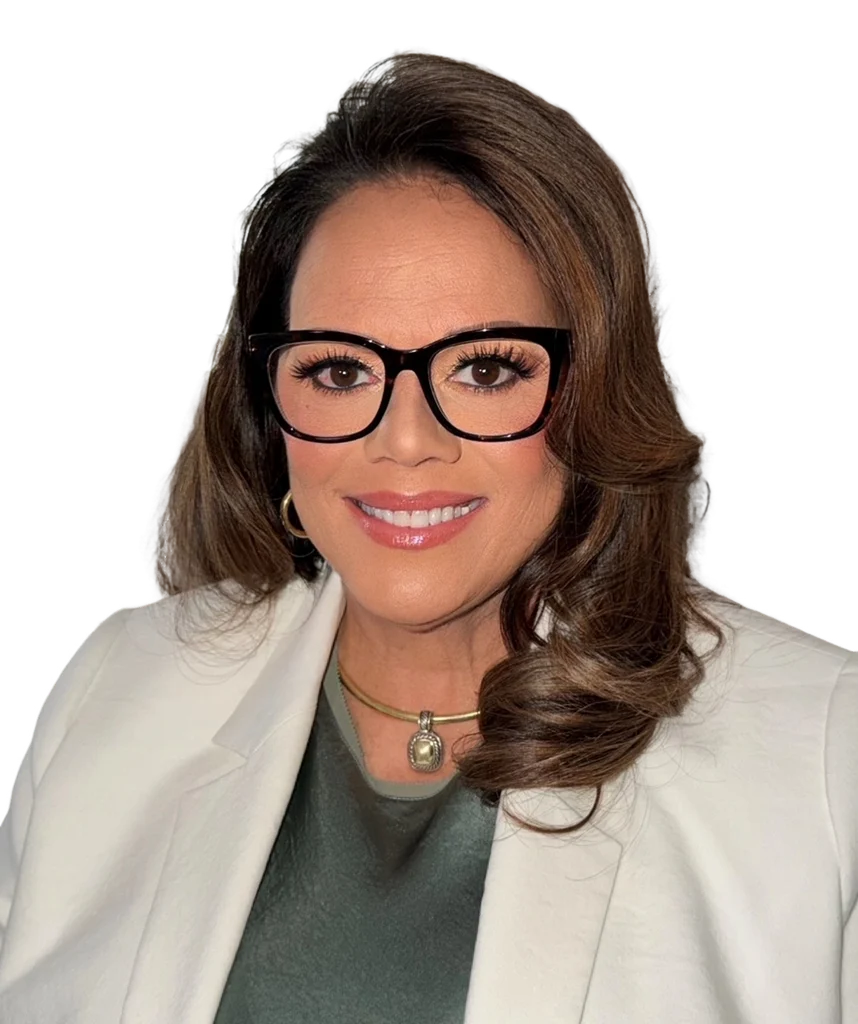
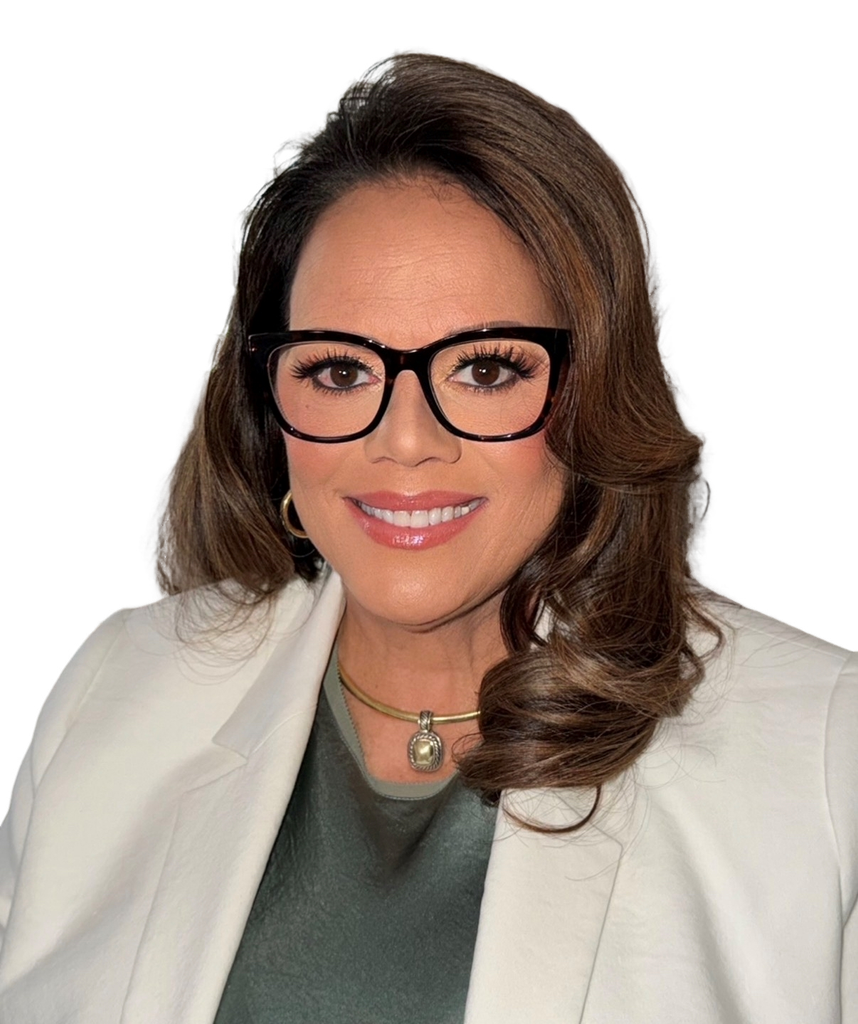
To address this persistent crisis, the latest episode of the Caregiving Club On Air podcast (Season 6, Episode 74) features a vital conversation between host Sherri Snelling—a noted corporate gerontologist and author—and Laura Williams, the visionary founder and CEO of Respitely. As we observe September’s Self-Care Awareness Month, the discussion centers on a crucial paradigm shift: the transition from "caregiver burden" to "caregiver sustainability."
The Core Mission: Bringing Calm to the Chaos
For many caregivers, the primary obstacle to taking a break isn’t just a lack of resources; it is the mental and emotional load of coordinating that care. Sherri Snelling frames the issue clearly: "In order to continue in the race, you have to take the breaks—both physically and mentally—that let you take a breath. It is the only way to create calm in the chaos."
Laura Williams, drawing from her own experience as a member of the "Sandwich Generation" and a long-distance caregiver to her mother, founded Respitely to solve the "coordination gap." Much like how platforms like Uber Eats or DoorDash transformed the accessibility of food, Respitely is designed to facilitate the delivery of professional respite care. However, there is a critical distinction: unlike a grocery delivery, the service is often a gift from a support network—a practice Williams calls "CareGifting."
A Chronology of a Caregiving Crisis
The evolution of the respite care industry has followed the shifting demographics of the American workforce.
- The Early 2000s: Caregiving was largely viewed as a private, familial duty, often hidden from the workplace. Resources were limited to word-of-mouth recommendations or sparse local government listings.
- The 2010s: The rise of digital marketplaces, such as Care.com, began to professionalize the search for caregivers, allowing families to move beyond agency-only models to more flexible, independent worker matches.
- The Pandemic Era (2020–2022): The COVID-19 pandemic acted as a massive accelerant for the caregiving crisis. Isolation, the closure of adult day centers, and the burnout of the "sandwich generation" brought the necessity of respite care to the forefront of national discourse.
- The Current Landscape (2025–2026): We are now seeing a move toward "CareGifting" and community-based support. Platforms like Respitely and CaringBridge emphasize that the burden of caregiving should not rest on one person, but rather on a circle of support.
Supporting Data: Why Respite Care is a Public Health Necessity
The statistics surrounding caregiving are sobering. According to recent industry reports, the economic value of unpaid caregiving in the United States runs into the hundreds of billions of dollars annually. Yet, the cost to the individual caregiver—both physically and financially—is often ignored until a medical crisis occurs.
Research consistently demonstrates that family caregivers who do not access respite care are at a higher risk for:
- Chronic Stress: Elevated cortisol levels leading to hypertension and heart disease.
- Clinical Depression: Higher rates of mental health disorders compared to non-caregivers.
- Workplace Attrition: Many employees are forced to leave the workforce entirely, sacrificing career advancement and long-term retirement savings.
The "CareGifting" model serves as a preventive measure. By allowing friends, family, and even corporate employers to fund respite breaks, it provides a buffer that keeps the primary caregiver healthy and prevents the "total collapse" of the caregiving arrangement.
Official Responses and Strategic Resources
During the Caregiving Club On Air interview, Snelling and Williams underscored that no caregiver should have to navigate the system alone. A wealth of resources exists for those who know where to look.
Nationwide Support Networks
- ARCH National Respite Care Network: The premier hub for locating state-specific agencies and nationwide respite services.
- The Elder Care Locator: A government-backed service (1-800-677-1116) that connects families to their local Area Agencies on Aging.
- The Veteran’s Administration (VA): The VA Caregiver Support Program remains a gold standard, offering up to 30 days of free, in-home or facility-based respite care annually for eligible veterans.
Specialized Assistance
- Hilarity for Charity (HFC): Specifically dedicated to those caring for loved ones with dementia, HFC offers "Care Grants" to provide families with much-needed professional support.
- Comfort Keepers: For over 25 years, they have provided the backbone of companionship and respite care, allowing family members to step away with peace of mind.
- CaringBridge: A digital platform that helps families organize volunteers, making it easier for friends to step in and offer tangible help.
Implications for the Future of Work and Society
The conversation around caregiving is increasingly shifting toward the workplace. As more employees grapple with the responsibilities of caring for aging parents, companies are realizing that supporting "lifespan caregiving" is a matter of retention and productivity.
The Rise of Corporate Caregiving Benefits
Employers are moving beyond traditional health insurance to offer caregiver-specific benefits. This includes access to senior care experts, backup care programs, and flexible leave policies. As Snelling notes in her writing for Care for Business, the shift is from a "checklist of benefits" to a fundamental "culture change." When managers are trained to recognize the signs of caregiver burnout, the entire organization benefits from reduced absenteeism and improved morale.
The "Me Time" Philosophy
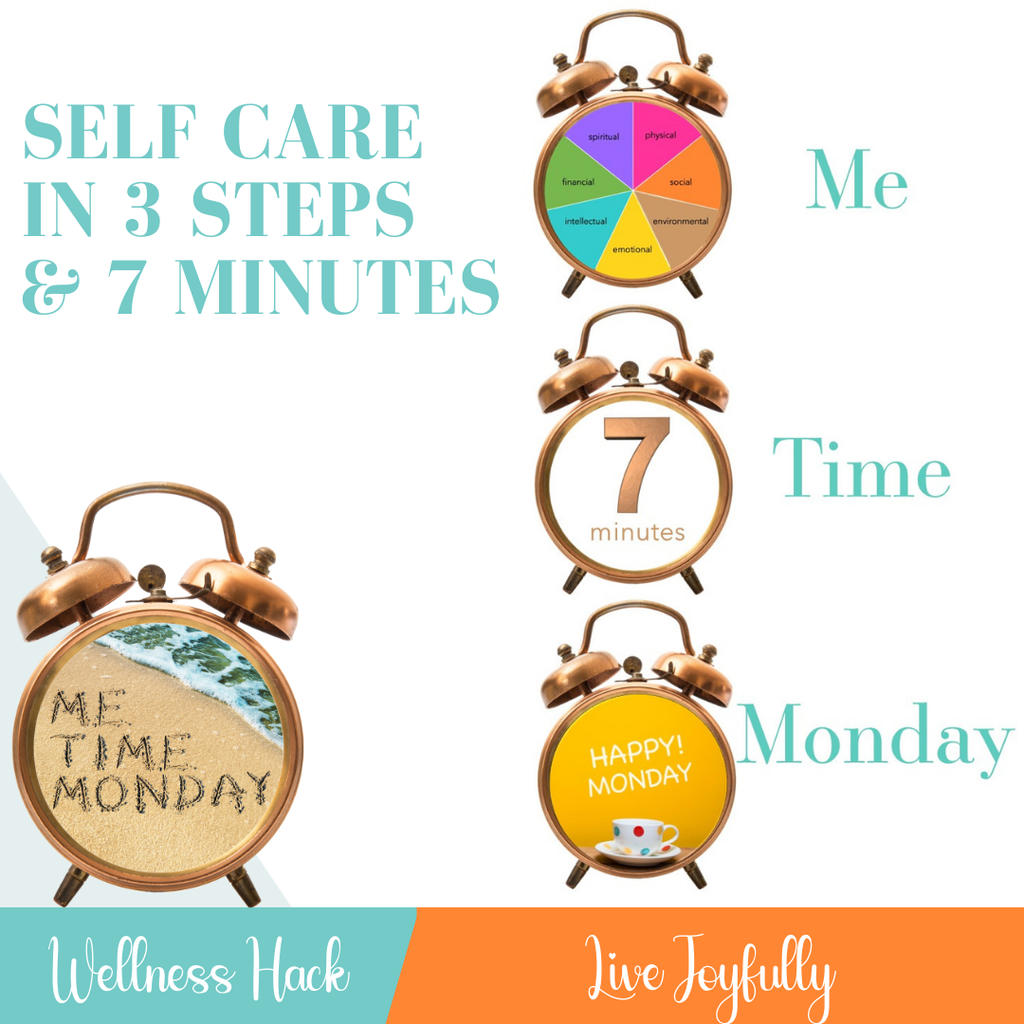
Beyond institutional support, the Caregiving Club advocates for individual agency through their "Me Time Monday" initiative. By promoting 7-minute wellness hacks and digital detox routines, the Club encourages caregivers to reclaim small windows of time. These micro-breaks are not merely "nice to have"—they are essential psychological resets that prevent the onset of chronic exhaustion.

Conclusion: A Call to Action
As the Caregiving Club On Air enters its sixth season—celebrating a #3 ranking among caregiving podcasts globally—the message remains consistent: caregiving is a communal effort. Whether through digital platforms like Respitely, community grants from Hilarity for Charity, or the simple act of a neighbor providing an hour of relief, the goal is to sustain the caregiver.
For the listener or reader who feels buried by the weight of responsibility, the takeaway is clear: It is not selfish to seek a break; it is sustainable. By engaging your network, utilizing government and private resources, and prioritizing your own well-being, you are not just surviving the marathon—you are ensuring that you have the strength to reach the finish line.
About the Caregiving Club:
Hosted by Sherri Snelling, the Caregiving Club provides expert guidance, advocacy, and education for family caregivers. To stay informed on the latest research and resources, subscribe to their YouTube channel and explore their library of "Caregiving Club News" and wellness content.