











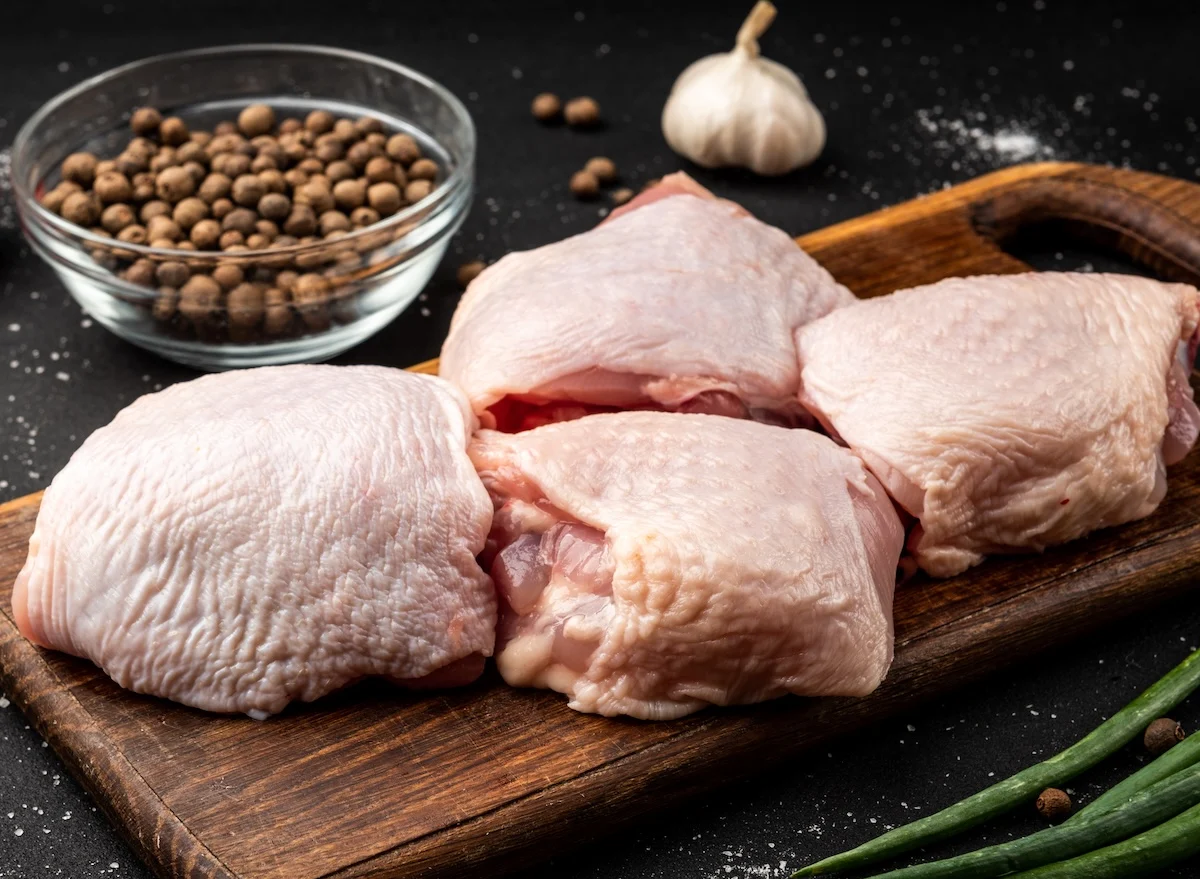
As the summer sun hits its peak and the scent of charcoal begins to drift through neighborhoods, the annual ritual of backyard grilling commences. For many, this translates to an endless parade of burgers, hot dogs, and steaks. However, while these staples are undeniably classic, professional butchers often view them as missed opportunities. If you are looking to master the grill and impress your guests with something that offers both deeper flavor and a more forgiving cooking process, it is time to turn your attention to the humble chicken thigh.
Unlike the lean and temperamental chicken breast, which can turn into dry, flavorless rubber in a matter of seconds over high heat, the chicken thigh is a powerhouse of moisture and richness. It is a cut designed for the grill—resilient, flavorful, and capable of holding its own against bold marinades and intense smoky environments. To help home cooks navigate the crowded meat aisle, we consulted Jorge Thomas, founder of the renowned Swaledale Butchers, to uncover the secrets of selecting the perfect chicken thigh for your next cookout.
The Anatomy of a Perfect Grill: Main Facts
When you walk into a grocery store, the sheer volume of options—ranging from varying price points to opaque packaging—can be overwhelming. According to Thomas, the key to a successful grilling session begins long before you light the fire.
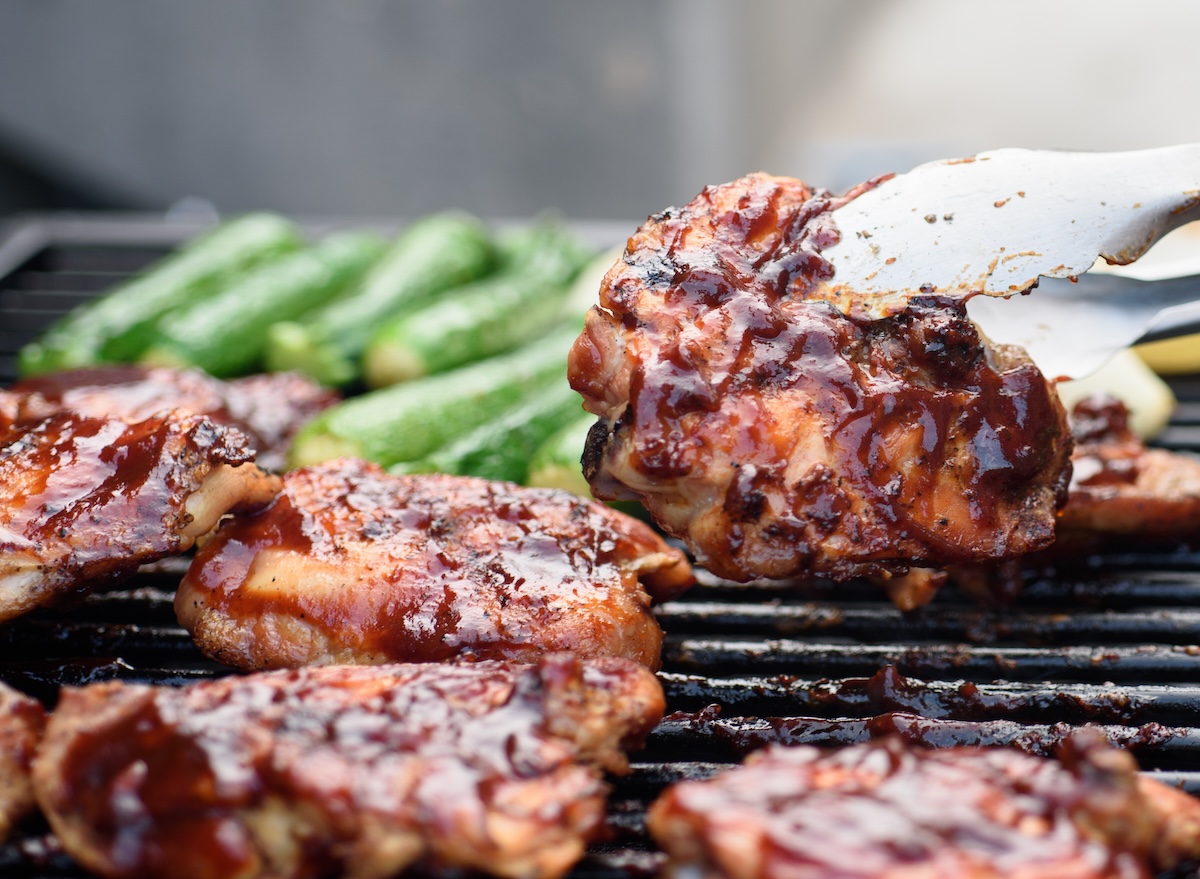
"When buying chicken thighs for the grill, look for good color, decent skin, and not too much liquid in the pack," Thomas advises. The visual cues of the meat—its hue and the condition of the skin—are vital indicators of freshness and handling quality. Furthermore, the presence of excess liquid (or "purge") in the packaging is often a red flag, suggesting that the meat has been handled poorly or subjected to water-based chilling processes that compromise the structural integrity of the protein.
Perhaps the most critical decision a shopper makes is whether to purchase bone-in or boneless, skin-on or skinless. For the grill, Thomas is unequivocal: "Bone-in, skin-on is the best option. More flavor, more protection, less chance of drying out." While boneless, skinless thighs are often marketed for their convenience and ease of preparation, they lack the protective barrier of the skin and the moisture-retaining properties of the bone. In the intense, direct heat of a grill, these factors are the difference between a succulently charred masterpiece and a piece of overcooked, uninspiring poultry.
The Science of Processing: Why Air-Chilled Matters
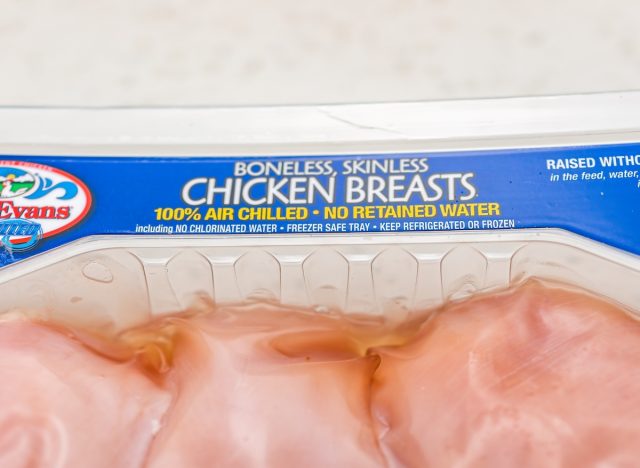
One of the most technical aspects of poultry production that rarely makes it onto the consumer’s radar is the cooling process. After slaughter, chicken must be rapidly cooled to ensure food safety. Most industrial processors achieve this through "water chilling," where carcasses are submerged in large, communal vats of ice-cold water. While this is an effective method for lowering temperature quickly, it comes at a cost. The meat absorbs significant amounts of water during the process, which can dilute the natural flavor of the chicken and affect the final texture.
Conversely, "air-chilled" chicken is cooled by passing the carcasses through specialized chambers filled with purified, cold air. This method is increasingly favored by culinary experts and professional butchers for several reasons. "The surface is drier, so it colors better," Thomas explains.
When you place a wet piece of chicken on a grill, the first thing the heat must do is evaporate the surface moisture. This effectively steams the meat rather than searing it, leading to a lackluster, pale appearance. Air-chilled chicken, with its naturally drier surface, undergoes the Maillard reaction—the chemical process responsible for that crave-worthy, crispy, golden-brown crust—much more efficiently.
The Evolution of Poultry: A Chronological Look at Quality
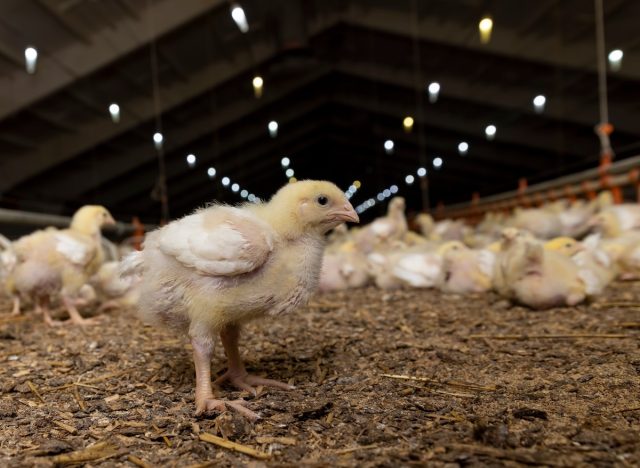
The quality of the chicken you buy is inextricably linked to how that bird was raised. In the modern era of factory farming, the industry has prioritized speed and volume. Many commercial chickens are harvested at just five to seven weeks of age. While this keeps prices low, it also results in a lack of flavor development and a softer, less resilient muscle structure.
"From a butcher’s point of view, chicken that grills well should have flavor, proper texture, and not be full of water from processing," Thomas notes. He advocates for "slow-grown" chicken, a category that harkens back to more traditional farming methods. These birds are often reared for 80 days or more. This extended growth period allows the chicken to develop more robust muscle density and a deeper, more concentrated flavor profile. When this meat hits the high-heat environment of a grill, it holds its shape and retains its natural juices far better than the fast-grown alternatives.
Supporting Data: Why Consistency and Selection Are Key
Even if you choose high-quality, air-chilled, slow-grown chicken, your success on the grill can still be undermined by poor preparation. Thomas highlights three primary mistakes that home cooks frequently make:
- Size Disparity: Buying a pack of thighs where the pieces vary significantly in size.
- Moisture Neglect: Throwing cold, wet chicken directly onto the grates.
- Premature Skin Removal: Removing the skin before or during the cooking process, which strips away the natural fat that bastes the meat as it renders.
"Pat them dry with kitchen paper, season them properly, and give them time," Thomas suggests. This simple, three-step ritual—drying, seasoning, and patience—is the foundation of professional-grade grilling. By ensuring the surface is dry, you guarantee a better sear. Proper seasoning allows the flavors to penetrate the meat, and giving the thighs time ensures the fat renders fully, turning the skin into a crispy, savory delight.
Official Recommendations: The Top Brands
Based on his expertise, Thomas identifies three brands that consistently stand out in the marketplace for their commitment to quality, processing standards, and uniformity.
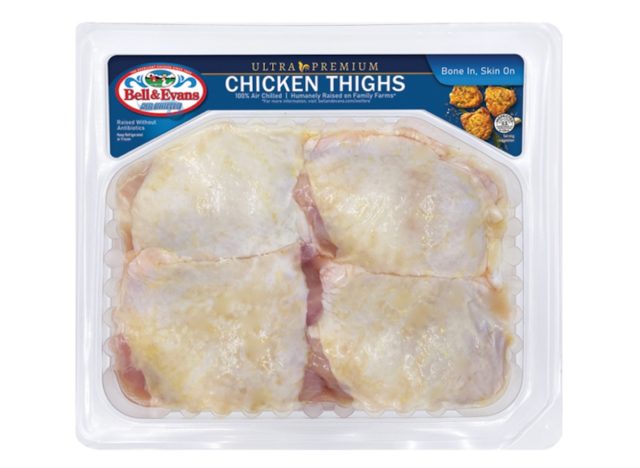
Bell & Evans
Bell & Evans has built a sterling reputation in the poultry industry by focusing on air-chilled processes. "Bell & Evans is a strong choice because it’s air-chilled," says Thomas. "Less surface moisture means better color and a better chance of crisp skin on the grill." Their commitment to higher animal welfare standards and cleaner processing aligns perfectly with what a serious grill master looks for in a premium cut.
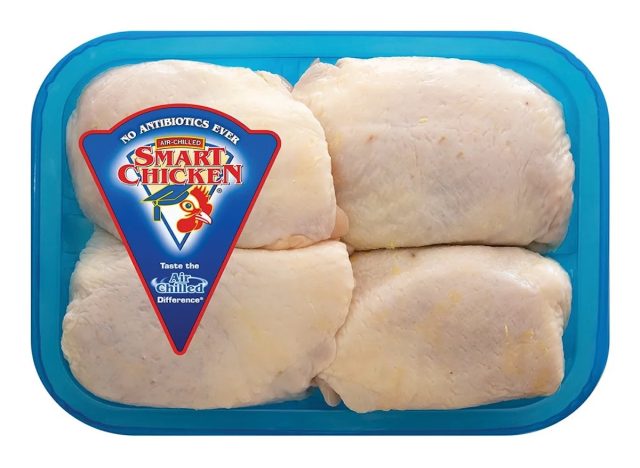
Smart Chicken
Another titan in the air-chilled category is Smart Chicken. By avoiding the water-immersion tanks, Smart Chicken ensures that the consumer is paying for meat, not added water weight. "Smart Chicken is another air-chilled option, and that is a real advantage when grilling," notes Thomas. The consistency of their product allows for a predictable cooking experience, which is essential when feeding a large crowd.
Just Bare
For those who prioritize clean labeling and convenience without sacrificing quality, Just Bare is a top-tier recommendation. Thomas points to their consistency as a major selling point. "It’s worth looking at because the thighs tend to be consistent in size. That matters more than people think. If the pieces are similar in size, they cook more evenly and are easier to get right on the grill."
Implications for the Home Cook
The shift toward higher-quality chicken thighs has broader implications for the home cook. It transforms the backyard grill from a place to "cook food" into a place to "craft flavors." By understanding the difference between air-chilled and water-chilled, and by valuing the importance of bone-in, slow-grown cuts, the home chef can elevate their menu from the standard "burgers and dogs" to a sophisticated, restaurant-quality experience.
Furthermore, these choices support a food ecosystem that values animal welfare and product integrity. When you choose a brand that invests in slower growth and better chilling technology, you are voting with your dollar for a better-tasting, more ethically produced product.
As you prepare for your next outdoor gathering, remember that the secret to the perfect, juicy, flavorful chicken thigh is not found in a secret sauce or an expensive grill gadget. It is found in the meat aisle, through the simple act of choosing better ingredients and applying a few fundamental, butcher-approved techniques. This season, let the chicken thigh take center stage—your guests will taste the difference.