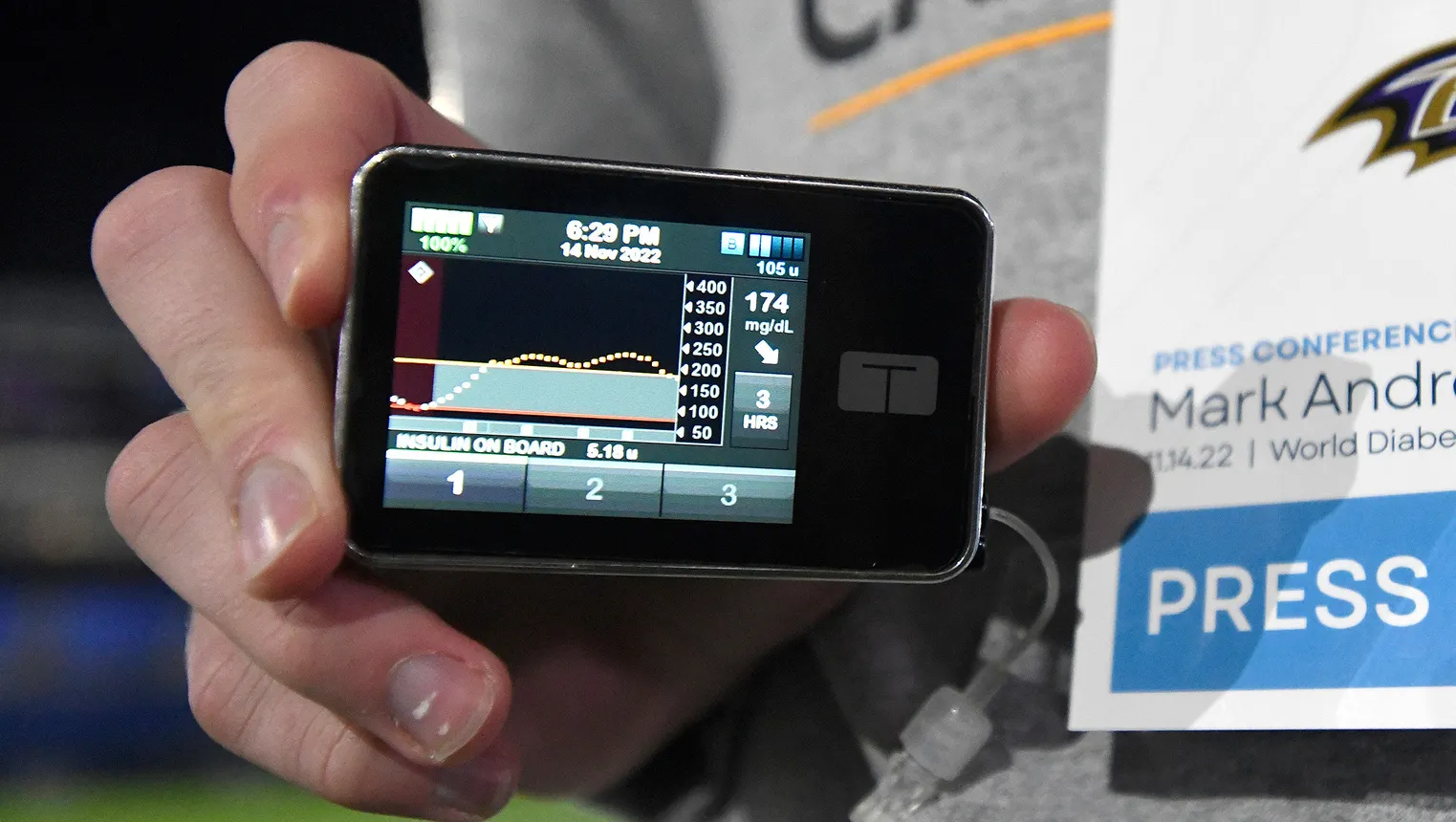
As the global medical community converges on the American Diabetes Association’s (ADA) Scientific Sessions this weekend, the spotlight is firmly fixed on a transformative frontier in medtech: the "fully closed loop" automated insulin delivery (AID) system. For millions living with diabetes, the daily reality is a relentless cycle of carbohydrate counting, meal announcements, and constant glucose monitoring. Now, industry leaders—including Insulet, MiniMed (a Medtronic spinoff), Tandem Diabetes Care, and CamDiab—are unveiling next-generation technologies that promise to drastically reduce this cognitive burden.
These systems represent a significant leap forward. While current "hybrid" closed loop systems require users to manually input data to "prime" the pump for a meal, the next generation aims to automate the process entirely, using advanced algorithms to detect glucose trends and deliver insulin in real-time without human intervention.
The State of the Technology: Moving Toward True Automation
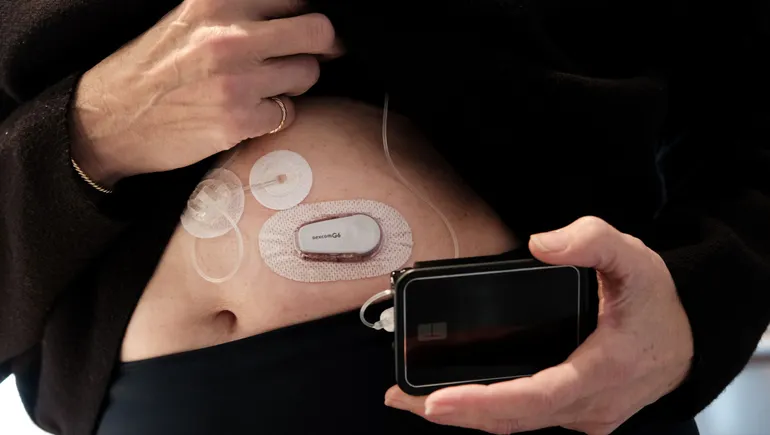
At its core, an AID system functions by bridging two pieces of hardware: a continuous glucose monitor (CGM) and an insulin pump. The CGM tracks interstitial glucose levels, sending that data to an algorithm that calculates the precise dosage required to maintain a healthy range. The pump then delivers that insulin.
The industry is currently transitioning from "hybrid" systems—which rely on user input for mealtime dosing—to what developers are calling "fully closed loop" systems. However, experts like Rayhan Lal, an endocrinologist and assistant professor at Stanford Medicine, caution that the term is something of a misnomer.
"If I go for a run, I still would have to somehow indicate to the system, ‘Listen, my insulin needs are suddenly changing and you’re going to have to pull back,’" Dr. Lal explained. While these devices represent a revolutionary shift in convenience, they are not yet entirely "hands-off." Factors such as intense exercise, illness, or equipment failure still demand human oversight. Nevertheless, the technology promises to "radically reduce the number of inputs" required, offering patients a long-awaited respite from the "diabetes math" that dominates their daily lives.
Chronology of Development and Regulatory Milestones
The path to a fully automated system has been paved with incremental successes and rigorous clinical validation.
- 2023: CamDiab conducts a 26-person crossover study comparing their "fully closed loop" feature against standard insulin delivery. The results demonstrated a clear improvement in "time in range" (TIR)—a key metric for diabetes management—without stripping users of the agency to intervene if they chose to.
- March 2024: Insulet shares promising data from a 24-person feasibility study. The results showed a 68% time-in-range for participants, representing a 24% improvement over standard injection therapy.
- May 2024: Insulet officially initiates a pivotal study for its new system, setting the stage for a planned 2027 FDA submission.
- February 2025: MiniMed begins enrollment in a U.S. pivotal trial for its "Vivera" system.
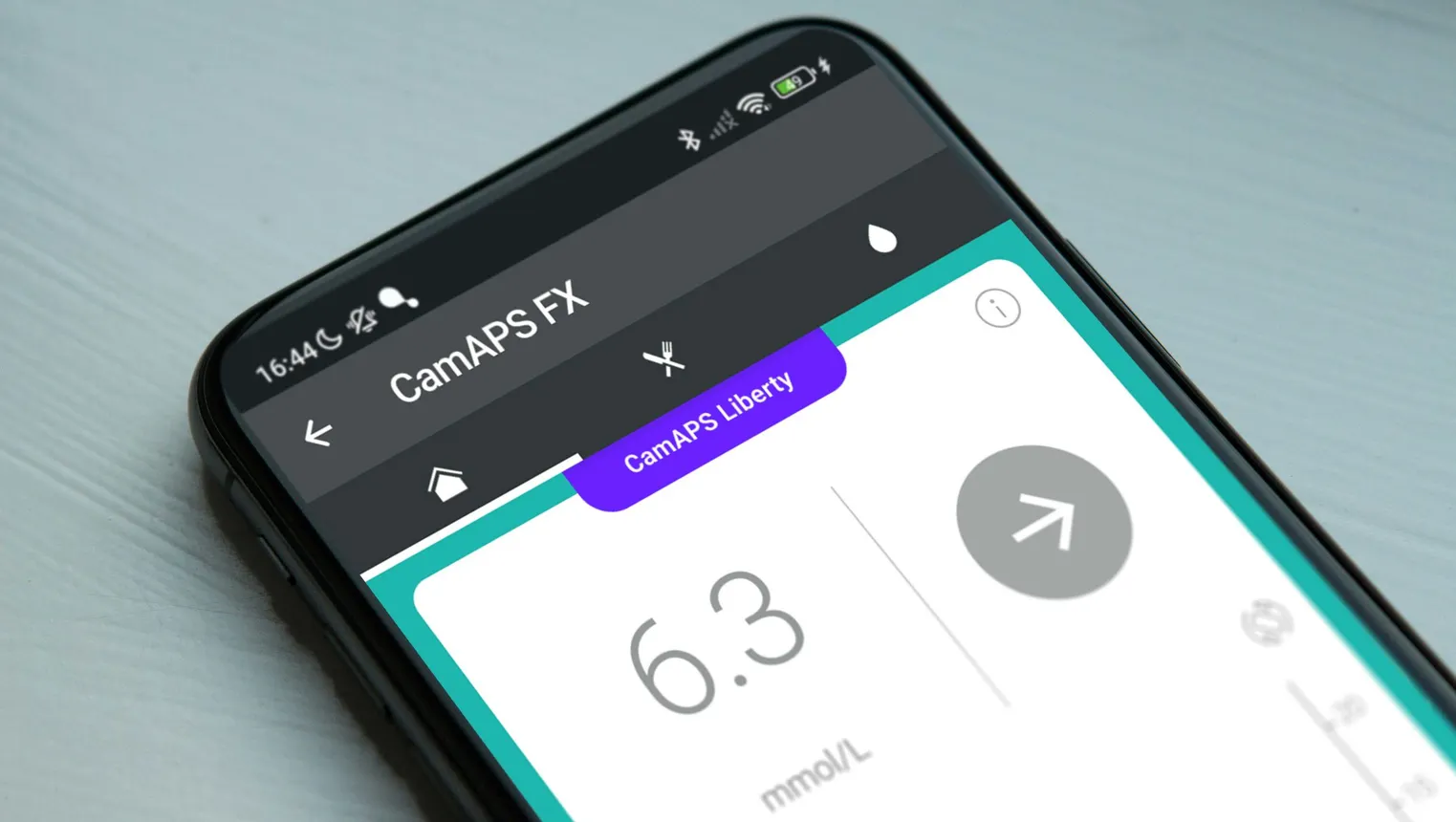
- Early 2026: CamDiab secures the CE mark for "CamAPS Liberty," a software feature allowing users in Europe to bypass carb counting, with a commercial rollout expected later this year.
- Late 2026/2027: The industry anticipates a flurry of regulatory submissions, with Insulet aiming for a 2028 market launch. Tandem Diabetes Care is also expected to move into a pivotal trial phase for its "Tandem Freedom" system later this year.
Supporting Data and Clinical Evidence
The push for automation is backed by the urgent need to improve patient compliance and clinical outcomes. The ADA suggests a target time-in-range of approximately 70%. For many, hitting this target is hindered by the complexities of manual dosing.
Insulet’s clinical studies have highlighted the psychological and practical benefits of their approach. According to Jennifer Boyd, senior director of medical affairs at Insulet, over 90% of study participants expressed a desire to remain on the system following their initial feasibility trial.
MiniMed’s approach to validation has been equally robust. In their 24-person study, participants were asked to alternate between manual meal announcements and fully automated delivery. The data showed a clear trend: participants increasingly chose to skip manual announcements, validating the user-centric design that allows the algorithm to handle the heavy lifting while preserving the option for manual input when necessary.
Official Industry Responses: Balancing Autonomy and Safety
Industry leaders emphasize that the challenge lies not just in the software, but in the human element—earning the patient’s trust.

Trang Ly, Chief Medical Officer of Insulet, notes that their system is specifically designed to minimize barriers for patients with Type 2 diabetes. "Figuring out where to start—at a level that is effective but safe, and at a value that can auto-titrate with the patient—that is where the magic lies," she said. By removing the need for initial pump programming, Insulet hopes to democratize access to advanced care.
Ali Dianaty, Chief Product and Technology Officer at MiniMed, highlights the design philosophy behind their Vivera system. Rather than creating a "one-size-fits-all" model, they are incorporating optionality. "We’re trying to accommodate the full gamut of how people are responding to their diabetes management," Dianaty stated, acknowledging that some users will always want the ability to "bolus" (deliver a dose of insulin) manually based on their intuition or specific lifestyle choices.
At CamDiab, the philosophy is similarly balanced. Candice Ward, training and outreach manager, explained that their goal was to support patients who struggle with bolusing without alienating those who prefer full control. "What we didn’t want to do is force people who aren’t struggling with bolusing to have to work in a way that they don’t want to work," she said.
The Future: Implications and Challenges
As we look toward 2028 and beyond, the implications for the diabetes landscape are profound. The primary benefit is not merely clinical—it is psychological.
The Mental Burden
Endocrinologist Mihail Zilbermint of Johns Hopkins Medicine identifies the reduction of "mental burden" as the most significant, yet intangible, benefit. "People sometimes just want to take a break," he says. The constant vigilance required to manage blood glucose levels can lead to severe burnout; a system that can reliably "take the wheel" for a few hours can be life-changing.
The Technical Hurdle: Prediction vs. Reaction
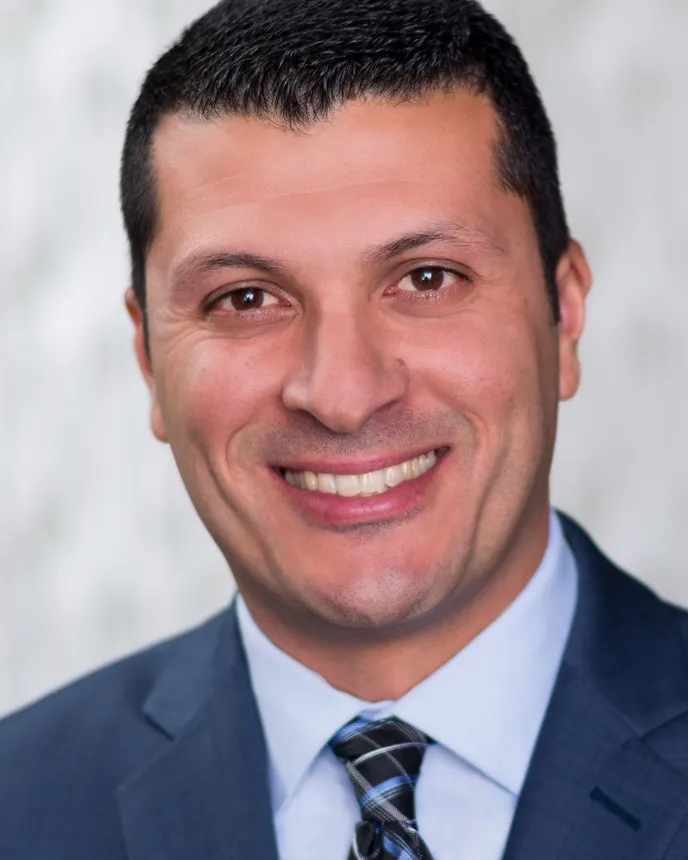
The core challenge for developers remains the "lag time." Because rapid-acting insulin takes time to enter the bloodstream and begin working, an algorithm must be able to predict a glucose rise before it happens. If an algorithm is too conservative, the patient stays high; if it is too aggressive, the patient risks hypoglycemia.
Tandem’s Laurel Messer points out that the field is still in its infancy. "As much as fully closed loop sounds like a simple solution, I have every confidence that if in five years there are five fully closed loop devices out there, none of them are going to look alike."
Accessibility and Education
Perhaps the most sobering note in this wave of innovation comes from the clinical front line. Dr. Lal points out that, for many people with Type 1 diabetes, the simple act of being "late" with a bolus is a primary cause of poor glycemic control. If an algorithm can mimic a human dose within 30 minutes, it solves one of the most common failures in current diabetes care.
However, Dr. Zilbermint cautions against viewing these devices as a "cure-all." The best system is not the one with the most advanced AI, but the one that is affordable, understandable, and manageable when the technology inevitably encounters a glitch or a sensor failure.
"The best system," Zilbermint concludes, "is one that they’re actually going to wear, that they can afford, understand, and even troubleshoot if needed."
As the ADA sessions commence, the message from the industry is clear: the technology is moving toward a future where diabetes is managed in the background, allowing patients to live their lives with a newfound sense of freedom. Yet, the road ahead remains tethered to the reality of human behavior, requiring a delicate, ongoing dance between sophisticated engineering and the unpredictable, beautiful complexities of human life.