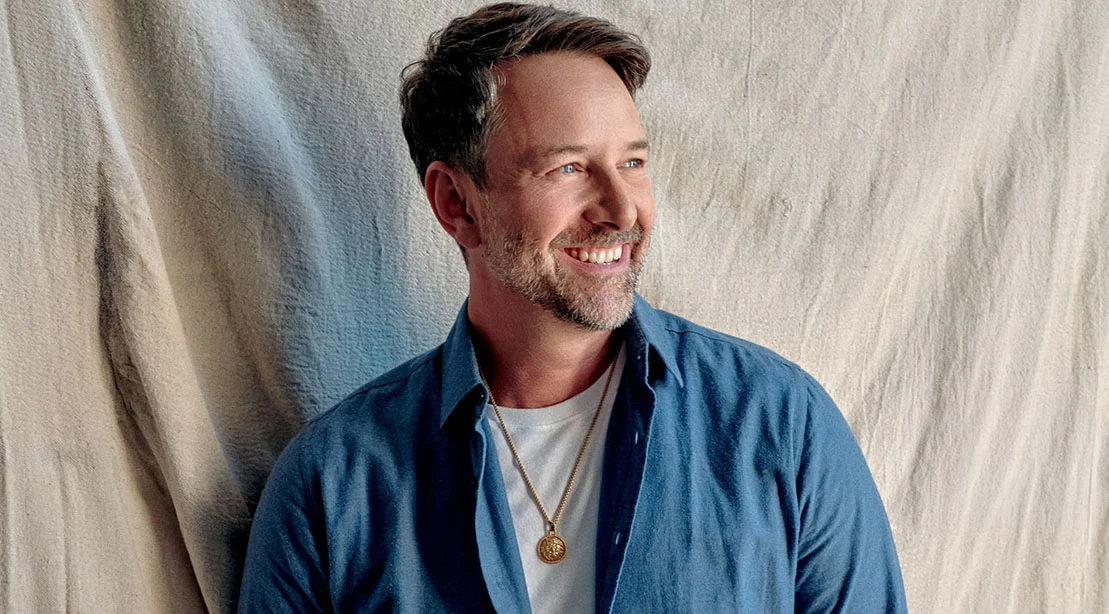
In the high-stakes world of professional bodybuilding, the common perception is one of grueling, high-intensity intervals and hours spent under the crushing weight of a barbell. Yet, Sheriff Taiwo, an IFBB Pro bodybuilder, transformation coach, and social media sensation known affectionately as “FitDad,” is dismantling these myths. For Taiwo, who earned his IFBB Pro status in 2025, the secret to maintaining a stage-ready physique while balancing the demanding life of a father isn’t found in a punishing sprint session—it’s found in a simple, rhythmic stride.
Taiwo’s philosophy is gaining traction among fitness enthusiasts and time-poor professionals alike: you don’t need to sprint for miles or endure exhaustive HIIT workouts to drop weight. Instead, the most effective fat-loss tool at your disposal is the one you’ve been using since you were a toddler.
The Core Philosophy: Why Walking Wins
For the uninitiated, the idea that a casual walk could compete with the calorie-burning potential of high-intensity interval training (HIIT) may sound counterintuitive. However, Taiwo argues that the efficacy of walking lies in its physiological sustainability and its unique ability to bypass the "recovery debt" associated with intense cardio.
Minimizing Recovery Debt
"What I’m about to share with you is one of the biggest fat-loss hacks," Taiwo explains. "It’s not a fad, a gimmick, or a dangerous supplement. It is a simple daily walk."
The primary advantage of walking, according to Taiwo, is its low impact on the central nervous system and muscular recovery. When an athlete engages in intense sprints, the body requires significant time to repair muscle fibers and replenish glycogen stores. This often leaves the athlete too fatigued to perform at their peak during resistance training the following day.
"Walking wins because it burns fat without eating into your recovery," Taiwo asserts. "I can walk for 45 minutes and still hit legs the next day with maximum intensity. Try that after 30 minutes of all-out sprints."
The Appetite Paradox
A significant hurdle in many weight-loss journeys is the compensatory hunger that follows intense exercise. Many individuals find that after a grueling cardio session, their body signals an urgent need for caloric replenishment, often leading to overeating or unhealthy snacking.
"Hard cardio makes you hungry," says the coach. "Walking doesn’t trigger that same physiological spike in hunger. It doesn’t send you into the pantry at 9 p.m. looking for a reward for the ‘work’ you did earlier in the day." By maintaining a steady, moderate heart rate, walking provides the benefits of movement without the metabolic demand that leads to intense post-workout cravings.
Chronology of a Transformation: Building the Habit
For those looking to integrate this into their lives, the transition from sedentary to active does not need to be an overnight overhaul. The key, as Taiwo emphasizes, is the "stacking" method—an approach that transforms pockets of downtime into productive movement.
The 150-Minute Benchmark
Taiwo recommends a goal of 150 minutes of walking per week. This aligns with standard global health guidelines, but Taiwo breaks it down into manageable segments: 30 minutes a day, five days a week.
"The beauty of this is that it doesn’t have to be a single block of time," says Taiwo. "It stacks. Ten minutes after breakfast, fifteen at lunch, and twenty pushing my son around the neighborhood after dinner. That’s 45 minutes of movement, and I never felt like I ‘worked out’ in the traditional sense."
The Mathematical Impact of Consistency
To understand the efficacy of this approach, one must look at the data. For an average adult in the United States weighing approximately 190 pounds, a brisk walk at 3 mph burns roughly 150 calories per 30 minutes. While 150 calories might seem modest, the compounding effect is profound.
By committing to a daily 30-minute walk, an individual can shave 1,050 calories from their weekly total. Over the course of a month, this equates to roughly 4,200 calories—enough to significantly influence body composition without the psychological burden of a restrictive diet or the physical burnout of high-intensity training.
Supporting Data and Physiological Mechanisms
The scientific community has long lauded the benefits of walking, and Taiwo’s approach aligns with established physiological principles regarding fat oxidation and metabolic health.
Aerobic Efficiency and Fat Oxidation
When exercising at a lower intensity, such as walking, the body relies more heavily on fat as a primary fuel source compared to high-intensity exercise, which relies more on glycogen (stored carbohydrates). While high-intensity exercise burns more calories per minute, the duration for which one can maintain low-intensity exercise is significantly higher.
Furthermore, the lack of cortisol spikes associated with low-intensity walking is a major benefit. High-intensity cardio can temporarily increase systemic inflammation and cortisol levels, which, if not managed, can lead to water retention and fat storage in the abdominal region. Walking, conversely, acts as a form of "active recovery," promoting blood flow and reducing stress, which creates a more favorable hormonal environment for fat loss.
Cardiovascular and Mental Health
Beyond the mirror, the cardiovascular implications are well-documented. Regular, brisk walking improves blood pressure, enhances insulin sensitivity, and lowers the risk of chronic metabolic diseases. Moreover, the mental health benefits—often referred to as the "moving meditation" effect—cannot be overstated. Walking lowers anxiety levels and stabilizes mood, making it a sustainable habit that improves the quality of life rather than just the aesthetic of the body.
Official Perspectives and Coaching Insights
As an IFBB Pro, Taiwo’s advice carries the weight of someone who has mastered the art of bodybuilding, a sport that demands extreme discipline. His professional coaching style is centered on longevity.
"Most people fail because they try to go from zero to a hundred," Taiwo explains. "They start with sprints, they start with heavy lifts, and they burn out in three weeks. Walking is the one thing you’ll actually still be doing in six months. And that is the whole game. Consistency beats intensity every single time."
In the fitness industry, the trend is often toward "more"—more weight, more speed, more intensity. Taiwo’s "FitDad" brand represents a paradigm shift toward "smarter." By emphasizing accessibility, he demystifies the path to a lean physique. Whether the individual is a stay-at-home parent, a corporate executive, or a competitive athlete, the fundamental laws of thermodynamics and consistency remain the same.
Implications for the Modern Fitness Landscape
The implications of Taiwo’s approach are significant. We are living in an era where the "hustle culture" of fitness is leading to widespread injury and psychological fatigue. The "FitDad" protocol suggests that the solution to the obesity crisis and the struggle for peak performance is not more complexity, but more simplicity.
Redefining the "Workout"
Taiwo is actively redefining what constitutes a "workout." By removing the mental barrier of needing a gym membership, specialized equipment, or a pre-workout supplement, he lowers the barrier to entry. This is particularly relevant for the demographic he represents: busy parents.
"You can walk outdoors, or do it like I’m doing, and take your talents to the treadmill," he says. "The environment matters less than the action. If you can move, you can transform."
A Blueprint for Longevity
The ultimate goal of any fitness journey should be longevity. Many of the techniques used by professional bodybuilders to reach stage condition are not meant for long-term health. However, walking is a lifetime practice. By integrating walking as a foundational pillar, Taiwo provides a blueprint that can be maintained well into middle age and beyond, ensuring that the body remains functional, agile, and lean.
Conclusion: The Path Forward
Sheriff “FitDad” Taiwo’s approach is a masterclass in efficiency. By leveraging the power of consistent, low-intensity movement, he has demonstrated that elite results do not always require extreme measures.
For those looking to start their own journey, the steps are clear:
- Set a baseline: Aim for 150 minutes per week.
- Prioritize consistency: Don’t worry about speed; focus on the habit of movement.
- Stack your sessions: Use small windows of time throughout the day to meet your goals.
- Maintain your recovery: Use walking as a tool to aid, not hinder, your other fitness goals.
In a world obsessed with quick fixes and complex training regimes, the most powerful tool for change remains the simple act of putting one foot in front of the other. As Taiwo proves, if you want to win the game of fitness, you don’t need to sprint—you just need to keep walking.
For those interested in tracking Sheriff Taiwo’s professional journey and receiving daily motivation, he can be followed on Instagram at FitDad.