











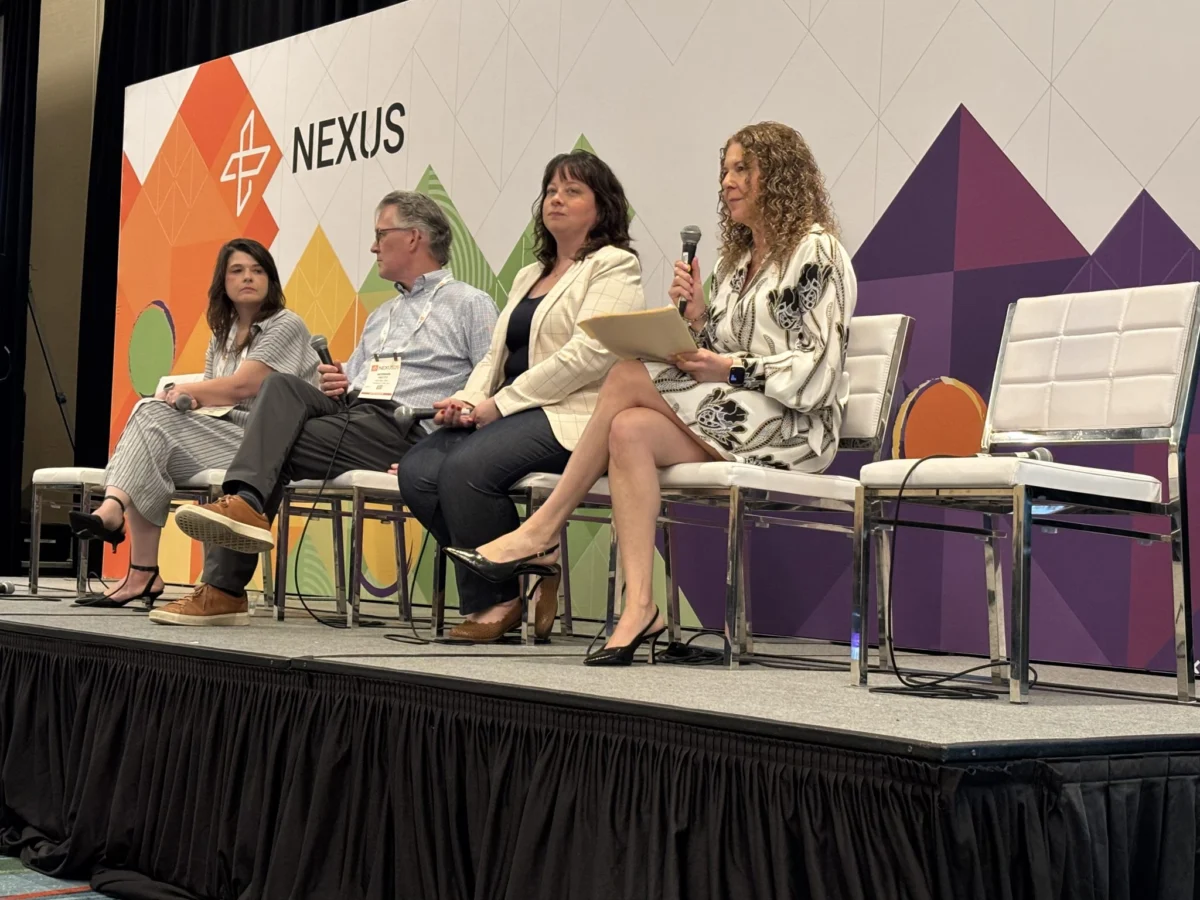
The American Telemedicine Association’s (ATA) NEXUS 2026 conference, held from May 12–14 in Orlando, Florida, served as a pivotal convergence point for the digital health ecosystem. Bringing together an elite cohort of clinicians, legal experts, policymakers, and health system executives, the event shifted the narrative of virtual care from "pandemic necessity" to "operational reality."
As the industry matures, the central tension identified at NEXUS 2026 was clear: while technological capabilities in artificial intelligence and remote diagnostics have reached unprecedented heights, the infrastructure required to scale these tools—comprising state-by-state regulatory compliance, reimbursement stability, and administrative burden—is struggling to keep pace.
Main Facts: The New Landscape of Virtual Care
The primary takeaway from the three-day summit was that the hurdles facing telehealth today are no longer rooted in the efficacy of the technology itself. Instead, the "fragmentation of care" has emerged as the industry’s greatest adversary.
Key themes addressed at the conference included:
- The Regulatory Patchwork: The persistent, state-specific nature of prescribing laws, licensure, and patient-relationship standards remains a barrier to national scaling.
- The AI Governance Imperative: Artificial intelligence is being integrated into administrative and clinical workflows, but it necessitates robust internal governance to mitigate legal and ethical risks.
- Reimbursement Instability: Uncertainty surrounding CPT code utilization for remote monitoring and audio-only services continues to jeopardize the long-term financial viability of digital-first models.
- Operational Sustainability: The administrative burden of maintaining compliance across multiple jurisdictions is effectively pricing smaller practices and individual clinicians out of the national telehealth market.
Chronology of the Conference
Day 1: The Compliance Quagmire
The opening day set a sober tone, focusing on the legal labyrinth of interstate practice. Sessions, including a high-profile panel featuring legal experts Jessica Rigsby, JD, and Rebecca Simone, JD, dissected the "50-state compliance" dilemma. The discussion centered on how disparate state requirements—ranging from pharmacy regulations to specific telehealth registration models—create a minefield for national health platforms.
Day 2: The Governance of AI
Mid-conference sessions pivoted toward the role of AI. Unlike previous years, where the focus was on AI’s clinical potential, 2026 discourse centered on governance. Speakers emphasized that AI is now a tool for policy surveillance and compliance monitoring. The consensus was that while AI can track legislative changes in real-time, its deployment requires full transparency, including patient disclosure and rigorous legal vetting.
Day 3: Financial Pathways and Value-Based Care
The final day was dedicated to the economics of care. Carrie Nixon, JD, and Carol Yarbrough, MBA, CPC, OCS, CHC, led a critical examination of CPT coding, specifically focusing on remote therapeutic monitoring and AI-supported diagnostics. The conference concluded with a deep dive into the Centers for Medicare and Medicaid Services (CMS) value-based initiatives, such as the ACCESS model, which sparked debate over whether such outcome-based payment structures are currently feasible for anything smaller than large-scale, enterprise-level operations.
Supporting Data and Policy Context
The challenges discussed at NEXUS 2026 are grounded in a volatile federal policy environment. The future of the Ryan Haight Act—the federal law governing the remote prescribing of controlled substances—remains the "elephant in the room." While current DEA waivers have allowed for continued, non-in-person prescribing, their expiration looms as a constant threat to continuity of care.
Data presented at the conference highlighted a growing disparity: large systems with dedicated legal and compliance departments are navigating the "patchwork" of state laws effectively, while smaller practices are increasingly consolidating or withdrawing from cross-state services to avoid the risks of accidental non-compliance. This creates a market consolidation trend where only the largest players can maintain a truly national footprint, potentially limiting patient access in rural or underserved areas that rely on smaller, nimble virtual providers.
Official Responses and Expert Perspectives
During the session on Telehealth Resource Centers, experts like Elizabeth A. Krupinski (Southwest), Danielle Louder (Northeast), and Lloyd Sirmons (Southeastern) presented a unified front: the need for standardized federal frameworks.

"We are at a crossroads," noted one panelist. "The technology is ready, the patients are demanding it, but the law is tethered to a pre-digital understanding of geography."
The ATA has taken an aggressive stance on this issue. Following the groundwork laid at the 2025 EDGE conference, the association is continuing to lobby for a modernized, interstate licensure framework. The official position remains that without a federal "floor" for telehealth regulations, the innovation potential of digital health will remain stifled by the administrative costs of compliance.
Implications for the Future of Healthcare
The implications of NEXUS 2026 are significant for three key stakeholders:
1. For Health Systems and Executives
The era of "growth at all costs" is over. The focus has shifted to "operational sustainability." Leaders are being warned that scaling too quickly into new states without a granular understanding of local compliance risks can lead to catastrophic auditing failures. The emphasis moving forward is on building "compliance-by-design" into the digital health platform from day one.
2. For Clinicians
The burden of documentation is increasing. As CMS moves toward value-based care models like the ACCESS pilot, clinicians are no longer just responsible for patient outcomes; they are now data stewards who must accurately document digital engagement metrics. The warning from experts was clear: in an age of renewed federal auditing of telehealth and audio-only services, if a service is not documented with extreme precision, it is not reimbursable.
3. For Patients
The primary risk for patients is fragmentation. If providers continue to exit specific state markets due to regulatory complexity, patients face the threat of "care disruption"—where a patient may be forced to switch providers if their current telehealth company decides a state’s regulatory burden is no longer worth the investment.
Conclusion: A Shift in Paradigm
ATA NEXUS 2026 will be remembered as the moment the industry collectively acknowledged that the "Gold Rush" phase of telehealth has ended. The future of virtual care will not be determined by the next breakthrough in generative AI or diagnostic sensors, but by the ability of the industry to engage in a mature, long-term negotiation with regulators.
As the conference drew to a close in Orlando, the message was clear: sustainability is the new innovation. For digital health to truly become a permanent pillar of the American healthcare system, the industry must evolve its internal governance, master the complexities of the current reimbursement landscape, and successfully advocate for a regulatory environment that prioritizes patient access over outdated geographical boundaries.
The path forward is complex, but for the professionals gathered at NEXUS, the goal remains singular: a future where geography no longer dictates the quality or availability of care.