By Diane Westwater
In the intricate tapestry of Ayurvedic medicine, the pursuit of health is not merely the absence of disease, but the cultivation of a profound harmony between the mind, body, and consciousness. As the seasons transition and the external world shifts, Ayurveda teaches us that our internal physiology must adapt accordingly. When imbalances manifest as psychosomatic disorders, the practitioner’s primary duty is to determine the therapeutic roadmap: should we pursue Shamanam (pacification) or Shodanam (cleansing)?
Understanding this dichotomy is the cornerstone of Ayurvedic wellness. If an individual presents with weakness or depletion, Shamanam is the indicated protocol, designed to remove the root cause of distress while simultaneously fortifying the body’s reserves. Once systemic strength is restored—or if the patient is robust enough to bypass this initial stage—the body is ready for Shodanam, the systematic purification process.
The Five Pillars of Purification: Panchakarma
At the heart of Ayurvedic detoxification lies Panchakarma. Derived from the Sanskrit words Pancha (five) and Karma (action), this therapeutic regimen serves as the gold standard for removing deep-seated toxins and restoring the body’s natural equilibrium. While the full scope of Panchakarma involves complex internal and external procedures, one specific branch—Nasya—holds particular significance as we navigate the heavy, damp, and often stagnant energy of the winter season.
The Nasal Pathway: The Doorway to the Brain
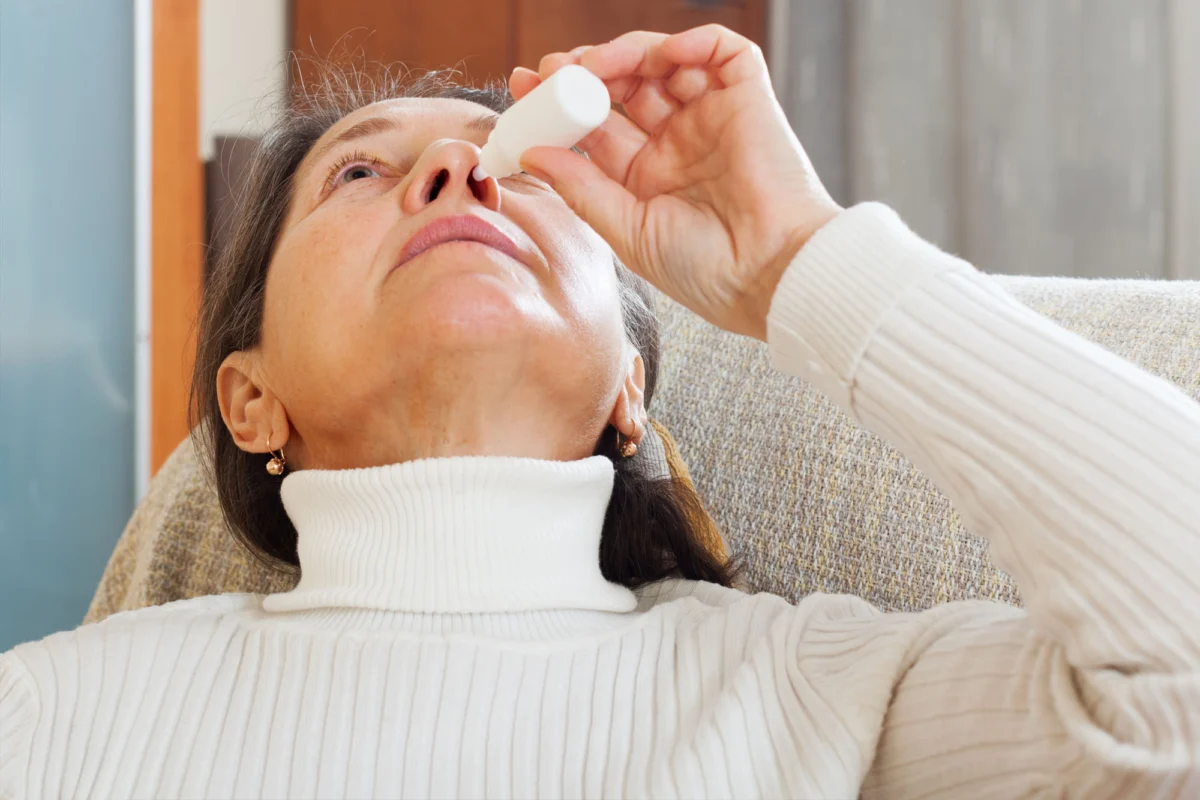
In the Ayurvedic tradition, the nose is revered as the Nasa hi shiraso dwaram, or "the door to the brain and consciousness." This is not merely a metaphor; it is a physiological pathway. Any substance administered through the nasal passage has a direct conduit to the brain (Majja Dhatu). By bypassing the digestive system, Nasya allows potent botanical intelligence to influence the nervous system, clear the Nadis (the subtle energy channels or "rivers of life"), and alter the very nature of our perception.
The mechanism is sophisticated. Upon inhalation, a portion of the air traverses the cribriform plate—a porous bone structure—directly impacting the meninges, the protective membranes surrounding the brain and spinal cord. Simultaneously, this inhalation triggers the diaphragm. This "pumping" action stimulates the circulation of cerebrospinal fluid, facilitating an increase in both venous and arterial blood flow to the cranial region. Through this lens, Nasya is not just a remedy for congestion; it is a bio-hack for cognitive clarity and neurological vitality.
Chronology of the Kapha Season
To understand why Nasya is the specific "medicine of the moment," one must look at the calendar through the Ayurvedic lens. We are currently in the grips of the Kapha season. In Ayurveda, Kapha is characterized by its heavy, dense, slow, cold, and cloudy attributes. During winter, these qualities naturally accumulate in our environment and our bodies.
Without intervention, this accumulation leads to lethargy, sinus congestion, mucus buildup, and a "clouding" of the mind. To counteract these traits, Ayurvedic principles dictate the use of their opposites: heating, drying, and expansive herbal applications. By timing our cleansing protocols to match these seasonal rhythms, we optimize our internal terrain to resist the stagnation that defines the winter months.
Supporting Data: The Science of Nasal Administration
While modern Western medicine is only beginning to map the full efficacy of intranasal drug delivery, Ayurveda has utilized this route for millennia. The physiological impact of Nasya is rooted in the stimulation of the olfactory bulb and the trigeminal nerve.
The Five Types of Nasya
- Navana: The most common form, involving the use of herbal oils or decoctions to treat systemic imbalances.
- Avapidana: Utilizing squeezed herbal juices for more intense, rapid-acting detoxification.
- Dhmapana: The inhalation of dry herbal powders through a specialized tube, highly effective for clearing thick, sticky Kapha.
- Dhumapana: The inhalation of medicinal smoke, traditionally used to clear the head and respiratory tract.
- Pratimarsha: A gentle, daily-use form of Nasya involving smaller doses of oil, suitable for long-term maintenance of mental health and sensory clarity.
Clinical Implications: Recipes for Winter Vitality
For those seeking to implement these ancient protocols, the selection of ingredients is paramount. During the winter months, we prioritize substances that ignite the internal fire and clear the Srotas (channels).
The Power of Vacha (Calamus Root)
Vacha is arguably the premier herb for winter. It is heating, pungent, and bitter—the exact energetics required to break through Kapha’s cold, dense barrier. Vacha is sattvic in nature, meaning it provides a pure, calming nourishment for the mind.
Application: A simple pinch of finely ground Calamus root powder is inhaled into each nostril. While this may induce sneezing, this reaction should be welcomed. Sneezing is the body’s natural mechanism for balancing Prana (life force) and Udana (the upward-moving energy of the head), effectively opening the brain centers and clearing the cognitive fog.
The Ginger-Jaggery Infusion
For those suffering from acute sinus pressure or headaches, the Ginger-Jaggery Nasya provides an immediate, albeit intense, sensory experience.
- Ingredients: 1 tsp freshly grated ginger, 1 tsp organic jaggery, and 1/3 cup of pure water.
- Preparation: Combine the ingredients and allow them to steep. Strain the mixture through a fine-mesh cheesecloth, ensuring no particulate matter remains, as this could irritate the nasal mucosa.
- Administration: Using a clean dropper, apply 2-3 drops into each nostril.
Note: Users should be prepared for an immediate burning sensation followed by eye watering. This is a normal physiological response to the pungency of the ginger. The subsequent "after-glow"—a state of heightened sensory awareness and clarity—is the desired therapeutic outcome.
Official Perspectives and Safety Guidelines
While the benefits of Nasya are well-documented within the Ayurvedic canon, it is imperative to approach these practices with caution. The nasal mucosa is a highly sensitive vascular tissue. Because the brain is the ultimate destination, the quality and preparation of the substances used are non-negotiable.
Health Professional Consultation:
It is the firm recommendation of this article that all readers consult with a qualified Ayurvedic practitioner or a licensed health professional before initiating any Nasya protocol. This is particularly important for individuals with underlying inflammatory conditions, history of nasal polyps, or those currently on pharmaceutical nasal sprays.
Quality Control:
- Freshness is Mandatory: All Nasya preparations, particularly those involving fresh juices like ginger, must be made fresh for each application. Stagnant mixtures can host microbial growth, which is the antithesis of the purification process.
- Purity: Ensure that all herbal powders are organic and free from environmental contaminants.
Conclusion: Reclaiming the Rhythm of Life
As we navigate the deep winter, the temptation is to retreat into the heaviness of the season. However, by engaging with the ancient technology of Nasya, we can choose a different path—one of expansion, clarity, and renewal. By clearing the Nadis and stimulating the cerebral pathways, we do more than just clear our sinuses; we reconnect with our Prana.
In the final analysis, health is a choice we make daily. Whether it is through the gentle warming of Vacha or the invigorating sting of a ginger infusion, we have the power to transform the "cloudy" nature of winter into a season of mental lucidity and physical vigor. Let the nose remain the door to your consciousness, and ensure that what you invite through that door serves your highest expression of health.
Disclaimer: This article is for educational purposes only and does not constitute medical advice, diagnosis, or treatment. Always seek the advice of your physician or other qualified health provider with any questions you may have regarding a medical condition.