In an era defined by rapid-fire wellness trends—ranging from restrictive juice fasts to hyper-specialized supplement regimes—the ancient science of Ayurveda offers a radically different, highly individualized approach to detoxification. At the heart of this tradition lies Panchakarma, a sophisticated therapeutic protocol that has been practiced for thousands of years. Far from being a modern fad, Panchakarma is considered the “gold standard” of holistic cleansing, aiming not just to reset the digestive system, but to restore the body, mind, and spirit to a state of profound equilibrium.
The Philosophical Foundations of Ayurveda: A Mirror of the Macrocosm
To understand the necessity of a detox, one must first understand the Ayurvedic view of humanity. Often described by leading practitioners like Vasant Lad, BAM&S, MASc, as "the science of life," Ayurveda posits that the human body is a microcosm of the universe. The principles governing the stars, the seasons, and the elements are the very same principles that govern our physiology.
"You are the world, and the world is you," is a guiding mantra for those who follow this path. If we are truly a reflection of our environment, then our health is inextricably linked to our surroundings. Every interaction—the food we consume, the air we breathe, the stress of our professional lives, and the quality of our relationships—leaves an energetic and physical imprint on our biological systems. When these external factors clash with our internal constitution, we fall out of balance, moving from our prakruti (our natural state of health) toward vikruti (a state of imbalance).
In this paradigm, detoxification is not a luxury or a seasonal trend; it is a fundamental maintenance requirement. Just as a machine requires regular servicing to function optimally, the human body requires periodic cleansing to clear the channels of life force, or prana.
The Dual Pillars of Ayurvedic Healing
Ayurvedic medicine categorizes all therapeutic interventions into two primary branches, each serving a distinct purpose in the healing journey:
1. Shamana (Palliative Support)
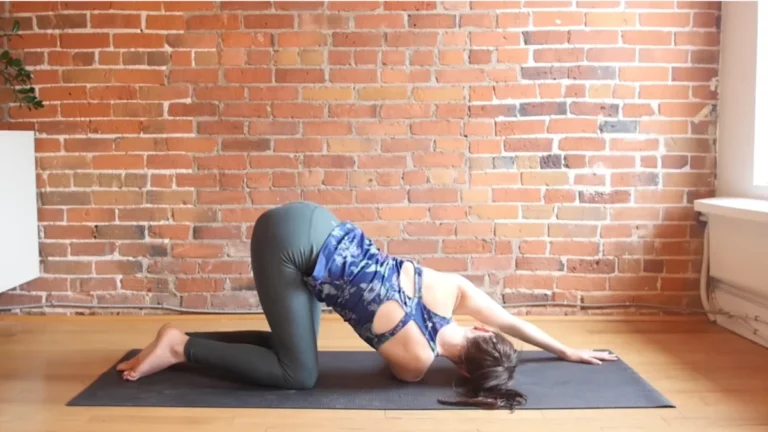
This is the daily work of wellness. Shamana focuses on pacifying the doshas (biological energies) through lifestyle adjustments. This includes following a diet tailored to one’s specific constitution, maintaining a consistent daily routine, engaging in mindful exercise like yoga, practicing pranayama (breathwork), and ensuring restorative sleep. It is the bedrock of long-term health.
2. Shodhana (Cleansing)
When imbalances become deeply rooted, palliative care may not be enough. This is where Shodhana, or cleansing, comes into play. Shodhana is designed to purge the deeper tissues of toxins—known in Sanskrit as ama—and ensure that the body’s internal channels remain clear. By removing the obstacles to health, the body’s innate healing intelligence is allowed to flourish.
What is Panchakarma? Beyond the Juice Cleanse
The modern wellness market is saturated with various detox programs. Most focus on the gastrointestinal tract, often utilizing liquid diets to give the digestive system a temporary respite. While these methods can provide a fleeting sense of lightness, they often fail to address the root causes of systemic toxicity.
Panchakarma is distinct because it is a highly personalized, medical-grade process. The term translates literally to "five actions," referring to the methods used to eliminate accumulated toxins. Unlike a generic juice cleanse, a Panchakarma retreat is tailored to the individual’s unique constitution and specific health challenges.
The Mechanism of Deep Tissue Cleansing
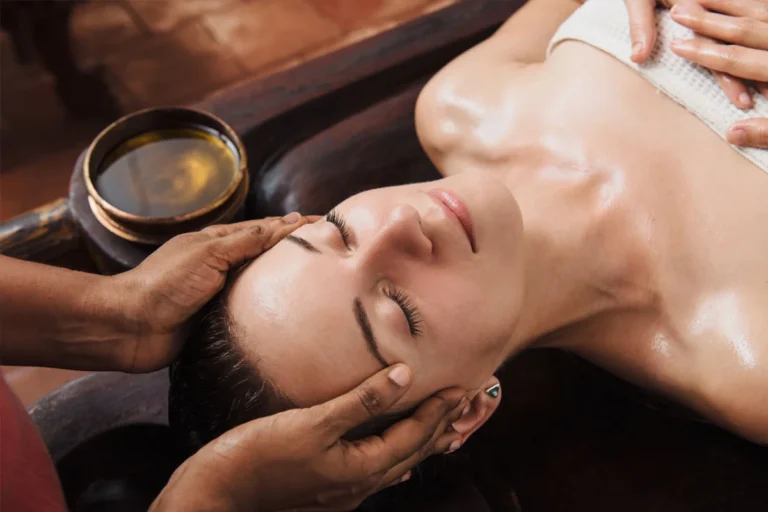
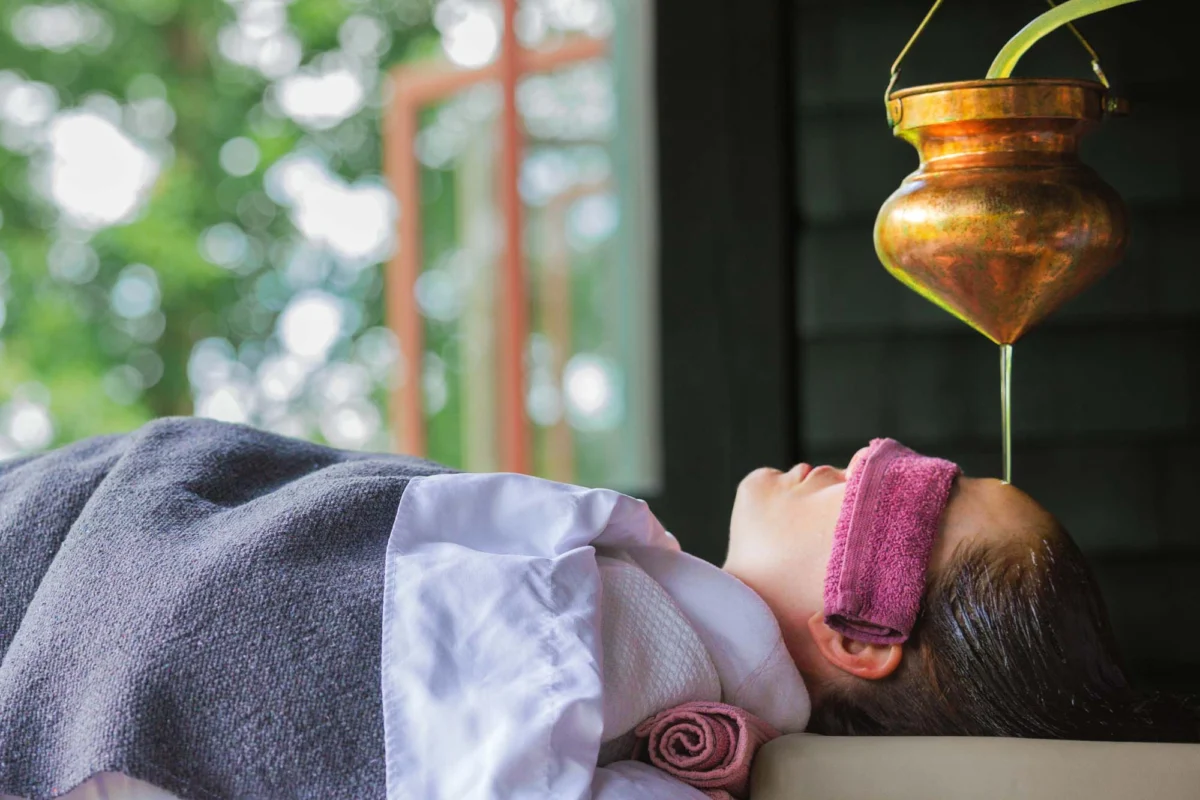
The primary objective of Panchakarma is to mobilize ama from the deep tissues where it has become lodged. This is achieved through a combination of internal and external oleation (the use of medicated oils) and specialized bodywork. By saturating the tissues with these substances, the toxins are softened and directed back into the gastrointestinal tract, where they can be systematically eliminated.
This process is not an "instant fix." While a water fast might make you feel light by emptying your stomach, Panchakarma works on a cellular level. The result is a more durable sense of vitality, as the body has been physically and energetically scrubbed clean from the inside out.
The Chronology of the Cleansing Cycle: When and How?
A common inquiry among practitioners is the frequency of cleansing. Ayurveda suggests that the transition between seasons is the most critical time to perform a cleanse. As the environment shifts, so too does our internal chemistry. By undergoing a cleansing protocol at the turn of each season—typically 2–3 times per year—individuals can stay ahead of the curve, preventing minor imbalances from manifesting into chronic disease.
However, the "timing" of a cleanse is not solely determined by the calendar. It must be determined by the body’s readiness. Attempting a deep detoxification when the body is weak or depleted can be counterproductive. Preparation is a cornerstone of the process; before the actual elimination phases begin, the body must be "primed" through specific dietary protocols and preparatory treatments.
Supporting Data: Why Clinical Oversight is Non-Negotiable
The complexity of the human constitution means that a "one-size-fits-all" detox is biologically unsound. This is why professional guidance is not just recommended—it is essential. A trained Ayurvedic practitioner monitors the client throughout the duration of the process, making daily adjustments based on the client’s progress.
The Practitioner’s Role
A qualified practitioner does more than administer treatments; they serve as a guide. They must observe the client to ensure that ama is being released safely and effectively. If a treatment is too aggressive, the practitioner adjusts the herbs or the manual therapy; if the process is moving too slowly, they refine the approach to ensure the patient remains stable.
This level of care is currently being championed at institutions like The Ayurvedic Institute, where students are trained under the direct tutelage of masters like Vasant Lad. The training emphasizes that the "science" of Panchakarma is inextricably linked to the "art" of holding space for a patient.
Official Perspectives: The Philosophy of Compassionate Healing
The efficacy of Panchakarma is increasingly being recognized in the broader wellness community, but the core of the practice remains rooted in traditional wisdom. Experts emphasize that the success of a retreat is measured by more than just physical outcomes. It is also measured by the quality of the practitioner-patient relationship.
Questions such as, "How are we holding the client in our awareness?" and "How are we acting from compassion and grace?" are considered just as vital as the administration of specific oils or herbs. This human-centric approach transforms a medical procedure into a transformative experience.
Implications for Modern Healthcare
As the global burden of chronic, lifestyle-related illness continues to rise, the implications of integrating Ayurvedic principles into modern life are significant. Panchakarma offers a preventative model of health that addresses the root causes of systemic toxicity—an issue that is becoming increasingly prevalent due to environmental pollutants, processed diets, and chronic stress.
By adopting the seasonal rhythm of cleansing, individuals can move beyond the "symptom-management" model of modern medicine and enter a state of proactive, personalized vitality.
The Future of Personalized Wellness
Looking ahead, the demand for authentic, guided Panchakarma retreats is projected to grow. As people seek deeper, more sustainable ways to manage their health, the focus will likely shift toward clinics that prioritize deep-tissue healing over surface-level weight loss or temporary energy boosts.
For those interested in pursuing this path, whether as a practitioner or a seeker, the journey begins with education. Understanding that health is a lifelong conversation between the individual and the environment is the first step toward true healing.
For those interested in exploring the practical application of these ancient teachings, professional training programs are available through organizations like The Ayurvedic Institute. Additionally, individuals seeking a transformative health experience can find guidance through the SoHum Mountain Healing Resort, which specializes in authentic, personalized Panchakarma protocols.