For many adults entering their seventh decade, the fitness landscape often feels dominated by advice either too gentle to be effective or too aggressive to be sustainable. However, the pursuit of a stronger, more resilient midsection after 60 is not merely an aesthetic goal; it is a foundational requirement for longevity, balance, and functional independence. According to certified strength and conditioning specialists (CSCS), the path to a "functional core" does not require hours of ineffective crunches. Instead, it demands a strategic synthesis of resistance training, metabolic management, and purposeful movement.
The Core Philosophy: Moving Beyond the Crunch
For decades, the fitness industry touted the "crunch" as the holy grail of abdominal development. We now know that true core strength is far more nuanced. A strong midsection after 60 is the result of two concurrent pillars: effective muscular stimulation and a nutritional environment that supports body composition.
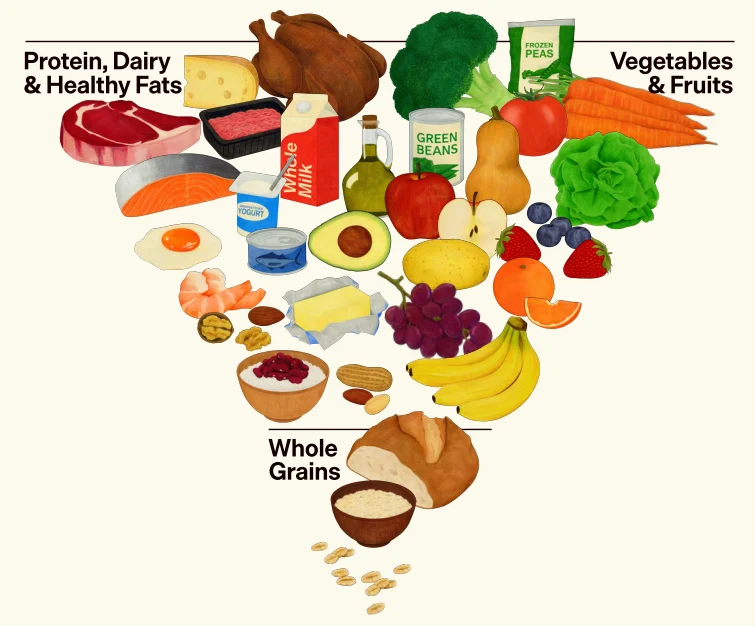
While modern trends often complicate this, the fundamental science remains clear: prioritize high-quality protein, maintain consistent portion control, increase daily physical activity, and engage in core training that forces the muscles to brace, rotate, and stabilize under load. When working with clients over 60, the goal is to shift the focus from "feeling the burn" to "gaining control." Your core is the primary stabilizer for standing, walking, reaching, and carrying—the very actions that define your daily quality of life.
The 21-Day Momentum Strategy
Human physiology responds remarkably well to short-term, high-intensity focus. Twenty-one days is a physiological "sweet spot"—long enough to build neurological pathways and physical momentum, yet short enough to maintain strict adherence.
Visible abdominal definition is, undeniably, a byproduct of body fat management. However, even if you are just beginning your fitness journey, three weeks of focused, intentional movement can significantly alter your posture, waist circumference, and overall body composition. This 21-day plan is designed to be a repeatable home-based protocol that emphasizes stability over vanity, leading to better aesthetics as a natural consequence.
The Essential Five: A Targeted Home Protocol
To build a robust midsection, you must train your core through its three primary functions: anti-rotation, anti-extension, and bracing. The following five movements form a complete system that can be performed in your living room with minimal equipment.
1. Med Ball Chops: Building Rotational Power
Rotational work is vital for everyday life—reaching for a seatbelt, turning to greet someone, or swinging a golf club. Med ball chops train the obliques and transverse abdominis to function in harmony with the hips and shoulders.
- Why it works: Unlike floor-based movements, this exercise integrates the entire kinetic chain.
- The Technique: Maintain a light weight. The goal is fluid control, not maximal resistance. As you "chop" diagonally, your hips and shoulders should move as a single unit. Your waist should feel the tension, while your lower back remains stable and pain-free.
- Targeted Muscles: Obliques, rectus abdominis, deltoids, and gluteal complex.
2. Incline Plank: Mastering the Brace
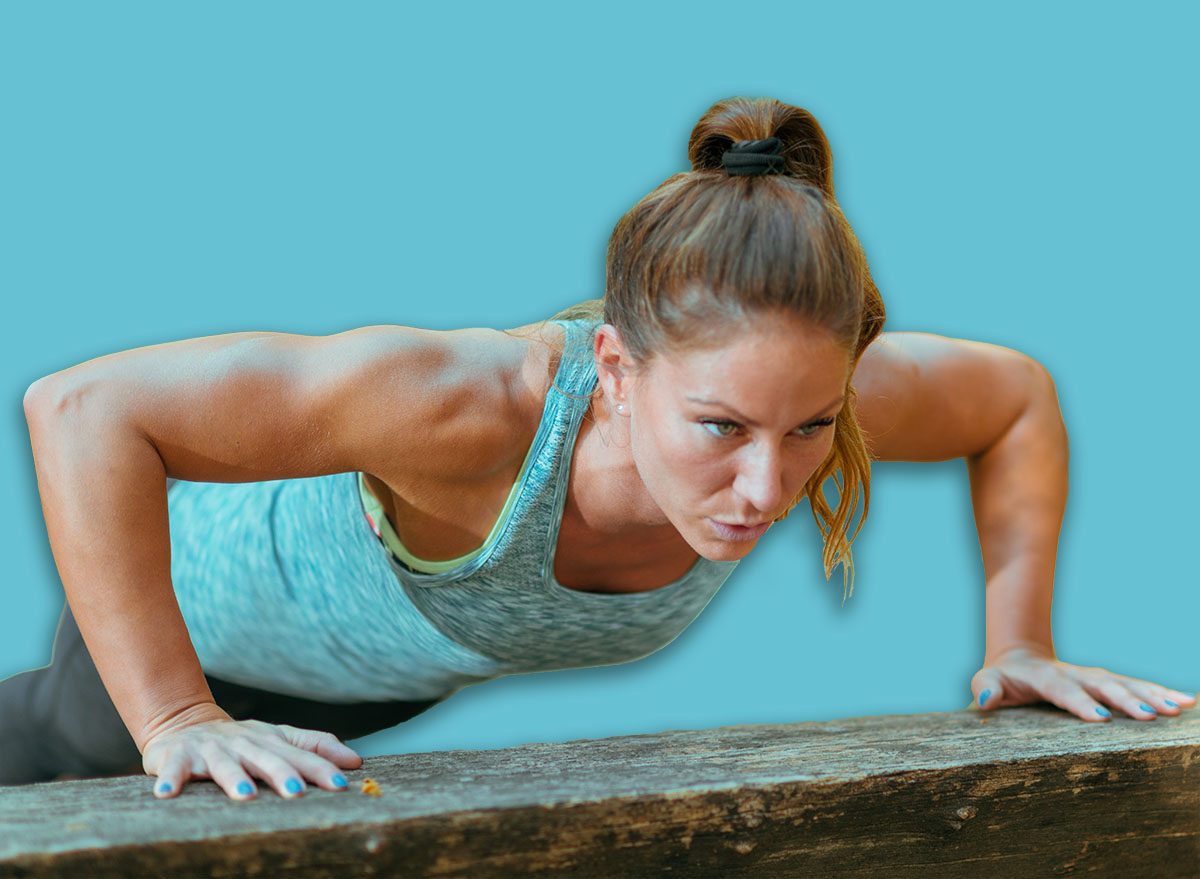
The traditional floor plank can be taxing on the lower back for those with limited mobility. The incline plank—using a sturdy countertop or couch—allows for a perfect, rigid spine position.
- Why it works: It forces the body to create a "braced" state, preventing the hips from sagging and the lower back from arching.
- The Technique: Form a straight line from your head to your heels. If you feel your hips dropping, adjust your feet closer to the surface to reduce the lever length. Focus on steady, diaphragmatic breathing.
- Targeted Muscles: Deep core (transverse abdominis), shoulders, pectorals, and glutes.
3. Suitcase Carry: The King of Functional Stability
The suitcase carry is perhaps the most "real-world" exercise on this list. By holding a weight in one hand, you force your contralateral (opposite) side to work overtime to prevent your torso from collapsing.
- Why it works: It builds "grip-to-core" connectivity, which is essential for carrying groceries, luggage, or equipment.
- The Technique: Keep your spine neutral and your ribs stacked over your pelvis. Do not allow the weight to sway or bump against your leg. Walk tall as if you are being pulled upward by a string attached to your crown.
- Targeted Muscles: Quadratus lumborum (lower back stability), obliques, grip, and postural stabilizers.
4. Intentional Walking: The Metabolic Engine
Walking is the most overlooked tool in the body composition arsenal. It provides a low-stress method to increase total energy expenditure without the recovery tax of high-intensity interval training.
- Why it works: It improves insulin sensitivity and supports consistent fat loss, which is essential for revealing the muscle you are building with the other four exercises.
- The Technique: Maintain a pace where you can hold a conversation, but you feel your heart rate elevating. This is not a stroll; it is a "purposeful march."
5. The Pallof Press: Resisting External Force
The Pallof press is a masterclass in anti-rotation. By using a resistance band pulling from the side, you train the core to remain completely still despite an external force trying to twist you.
- Why it works: It teaches the deep core musculature to fire automatically during sudden movements, significantly reducing the risk of spinal injury.
- The Technique: Press the band forward slowly, hold for a heartbeat, and return to the chest. If your torso twists, the resistance is too high.
Supporting Data and Physiological Implications
The scientific literature on aging and core strength—such as studies featured in the National Center for Biotechnology Information (NCBI)—consistently emphasizes that sarcopenia (age-related muscle loss) disproportionately affects the core and lower extremities.
By age 60, the "bracing" mechanism of the abdominal wall often weakens, leading to increased pressure on the lumbar spine. Clinical research indicates that by implementing "anti-movement" training (like the Pallof press and planks), individuals can increase the "stiffness" of the torso. This isn’t about being rigid; it is about having a muscular corset that can respond to the demands of gravity and sudden shifts in weight, effectively acting as a natural back brace.
Official Perspectives on Nutrition and Consistency
"You cannot out-train a poor diet," is a cliché for a reason. For those over 60, nutritional priorities shift slightly. Protein intake becomes the primary variable for maintaining muscle mass. Experts suggest aiming for 25–30 grams of high-quality protein per meal.
Furthermore, hydration plays a critical role in tissue elasticity and joint health. The combination of the five exercises outlined above, paired with a protein-forward eating plan, creates a metabolic environment where the body is more likely to prioritize fat oxidation while preserving lean muscle mass.
Conclusion: Making the Next 21 Days Count
Success in this 21-day program is not measured by the scale alone. It is measured by the ease with which you get out of a chair, the stability you feel when walking on uneven surfaces, and the reduction in mid-back fatigue by the end of the day.
Your 21-Day Roadmap:
- Week 1: Focus on form and tempo. Do not chase heavy weights. Prioritize the sensation of bracing.
- Week 2: Increase the duration of your planks and the consistency of your walking. Aim for 30 minutes of walking daily.
- Week 3: Integrate these movements into your daily routine. By now, these exercises should feel like a natural part of your morning or evening.
By shifting your perspective from "working out" to "training for life," you move beyond the limitations of age. A stronger core is not just a cosmetic achievement; it is your insurance policy for an active, mobile, and vibrant decade ahead. Stay consistent, keep the movements purposeful, and trust the process.
References
- National Center for Biotechnology Information (PMC10680576): The Role of Resistance Training in Aging Populations.
- National Center for Biotechnology Information (PMC8290478): Physiological Adaptations to Core Stability Training in Older Adults.
- Journal of Geriatric Physical Therapy: Functional Movement Patterns and Longevity.