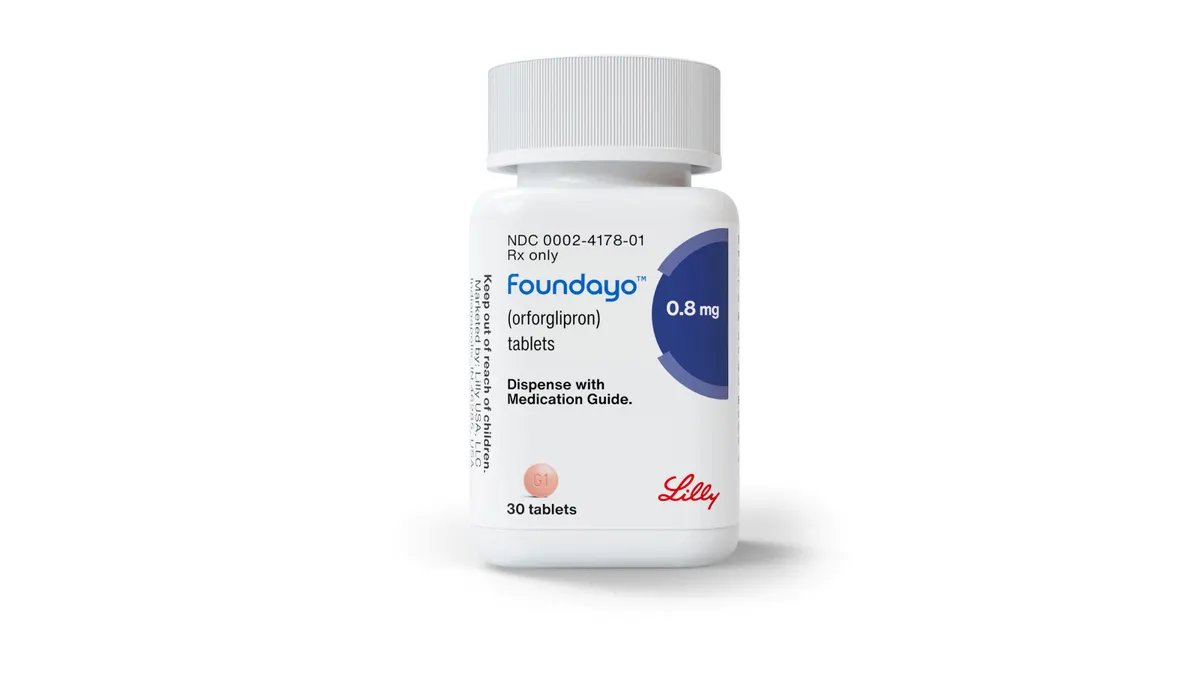
The high-stakes battle for dominance in the global obesity drug market has reached a new, critical inflection point. In a move that significantly recalibrates the competitive landscape, CVS Health has reached a comprehensive agreement with Eli Lilly, granting preferential coverage status to the pharmaceutical giant’s flagship obesity medications. This strategic shift effectively restores market parity for Lilly’s Zepbound and provides a vital tailwind for the company’s recently launched oral weight-loss drug, Foundayo, erasing what had been a distinct commercial disadvantage compared to arch-rival Novo Nordisk.
Main Facts: A Pivot in Pharmacy Benefit Management
The agreement between CVS Caremark, one of the nation’s largest pharmacy benefit managers (PBMs), and Eli Lilly marks a reversal of a previous trend that had favored Novo Nordisk’s Wegovy. By securing preferred formulary status, Lilly’s products are now positioned to reach a significantly broader patient population within the CVS network.
This development is multifaceted:
- Restoration of Coverage: Zepbound, which had faced hurdles in specific formulary alignments, is now on equal footing with its primary competitor.
- The Foundayo Factor: As an oral medication, Foundayo represents the next frontier in obesity treatment. Its inclusion in this agreement is critical for its long-term commercial success, as oral pills are widely expected to drive higher patient adherence and broader market penetration than injectable alternatives.
- Erosion of the "Novo Advantage": For months, Novo Nordisk enjoyed a preferential position within CVS formularies, a status that analysts believe contributed to its early momentum. That "commercial edge" has effectively been neutralized by the new deal.
Chronology of the GLP-1 Arms Race
To understand the gravity of this development, one must look at the rapid-fire succession of events that have defined the GLP-1 (glucagon-like peptide-1) market over the last 18 months.
- The Initial Surge: Following the massive clinical success of Wegovy and Zepbound, demand surged to unprecedented levels, causing nationwide shortages and forcing PBMs like CVS to implement strict coverage criteria.
- The "CVS-Novo" Pact: Last year, a landmark deal between CVS and Novo Nordisk solidified Wegovy’s status as a preferred choice. This triggered a immediate, sharp decline in Lilly’s stock, as investors feared a "lockout" scenario where Zepbound would be relegated to secondary status.
- The Diversification of Channels: Recognizing that PBM-controlled access was a bottleneck, both companies began pursuing "employer-direct" channels. Lilly’s initiative to provide drugs directly to corporate employers was a direct attempt to bypass traditional gatekeepers.
- The Telehealth Disruption: In a controversial move, Novo Nordisk entered a partnership with Hims & Hers, a telehealth company, to provide access to medication, signaling a shift toward direct-to-consumer models to maintain market share.
- The Medicare Pricing Pivot: Under pressure from federal regulators and shifting political winds, both firms recently committed to slashing prices for Medicare patients, effectively opening a massive, previously restricted demographic to their portfolios.
Supporting Data: The Battle of the Pills
The inclusion of Foundayo in the CVS deal comes at a time when analysts are closely watching the "oral vs. injectable" adoption curves. According to Leerink Partners analyst David Risinger, while Lilly has secured a dominant share of the injectable market, the launch of Foundayo has been more measured.
Data points from the current market cycle indicate:
- Trajectory Gap: In the first six weeks of its launch, Foundayo’s prescription adoption rate stood at approximately 30% of the trajectory achieved by the oral version of Wegovy during its comparable launch phase.
- Access as the Primary Constraint: Analysts suggest the "slower start" for Foundayo is not a reflection of efficacy, but rather a direct result of restricted formulary access. Expanding that access is viewed by market experts as the single most important variable in accelerating the drug’s uptake.
- Market Share Dynamics: Lilly currently holds a greater share of the overall injectable GLP-1 market. However, the oral market is viewed as a "mass-market" opportunity that could dwarf the injectable sector if reimbursement barriers are lowered.
Official Responses and Corporate Strategy
The industry reaction has been one of calculated diplomacy, with both companies signaling that the market is large enough to accommodate multiple winners, even while they fight for every percentage point of market share.
Novo Nordisk’s Stance:
Tom Scales, a senior vice president overseeing market access at Novo Nordisk, was quick to reassure investors that the company’s position remains robust. "Wegovy products will retain preferred status on CVS Caremark formularies," Scales stated, emphasizing that for the millions of patients already on a Wegovy regimen, "nothing will change." He further noted that both versions of the drug continue to enjoy "strong formulary access across the U.S. market," suggesting the company is not retreating from the competition.
The Analyst Perspective:
David Risinger’s note to clients underscores the magnitude of the shift: "Today’s decision reverses the previous competitive imbalance and meaningfully expands the addressable prescription pool for both Zepbound and Foundayo." This sentiment is shared by many on Wall Street, who view the CVS deal as a signal that the PBM "gatekeepers" are now treating obesity medications as essential components of a standard pharmacy benefit, rather than optional, high-cost additions.
Implications for the Future of Obesity Treatment
The ripple effects of the CVS-Lilly deal extend far beyond the balance sheets of these two pharmaceutical titans.

1. The Normalization of Chronic Weight Management
By securing preferred coverage, Lilly and Novo are effectively moving obesity drugs from the category of "elective lifestyle treatments" to "chronic disease management." As insurance plans incorporate these drugs into their standard coverage models, the societal stigma associated with these treatments is expected to diminish, potentially leading to long-term population health improvements.
2. The PBM Power Dynamic
This deal highlights the extraordinary power held by PBMs like CVS Caremark. By deciding which drugs get preferred placement, these entities act as the ultimate arbiters of pharmaceutical success. The fact that CVS is now balancing its portfolio between Lilly and Novo suggests a move toward a more competitive bidding environment, which could eventually put downward pressure on the net pricing of these medications.
3. The "Oral" Revolution
The focus on Foundayo is particularly telling. Injectable medications, while highly effective, carry a burden of administration that can lead to patient fatigue. If Foundayo can mirror the success of oral GLP-1s in the diabetic space, it could capture a significant portion of the "needle-averse" market. The CVS deal removes the friction of high out-of-pocket costs, making this transition feasible for the average consumer.
4. Political and Regulatory Risks
It is impossible to ignore the political backdrop. With the Trump administration and bipartisan lawmakers taking an increasingly active interest in drug pricing, the "deal-making" between pharma companies and PBMs is under a microscope. Both Lilly and Novo know that if they do not proactively manage their pricing and access models, federal intervention could impose much more rigid, less favorable terms in the future.
Conclusion
The agreement between CVS and Eli Lilly is more than just a business transaction; it is a tactical reset in the most lucrative drug category of the decade. By leveling the playing field, CVS has ensured that the "Obesity Wars" will be fought on the basis of clinical efficacy, supply chain reliability, and patient outcomes, rather than simply who holds the best contract with the pharmacy benefit manager. For patients, the implication is clear: access to advanced, life-altering weight-loss medications is becoming more standardized, more accessible, and, ultimately, more competitive. As the industry moves into the next phase of this growth cycle, the focus will shift from simply getting these drugs to market, to effectively managing the long-term, global demand for them.