In the quiet, often invisible world of chronic illness, the act of parenting takes on a profound, logistical complexity. For Katie Zinno, a patient advocate living with Ehlers-Danlos Syndrome (EDS), Postural Orthostatic Tachycardia Syndrome (POTS), Mast Cell Activation Syndrome (MCAS), and Sjögren’s, the journey of motherhood has been defined not by the traditional milestones of "doing it all," but by the radical adaptation of how parenting is performed.
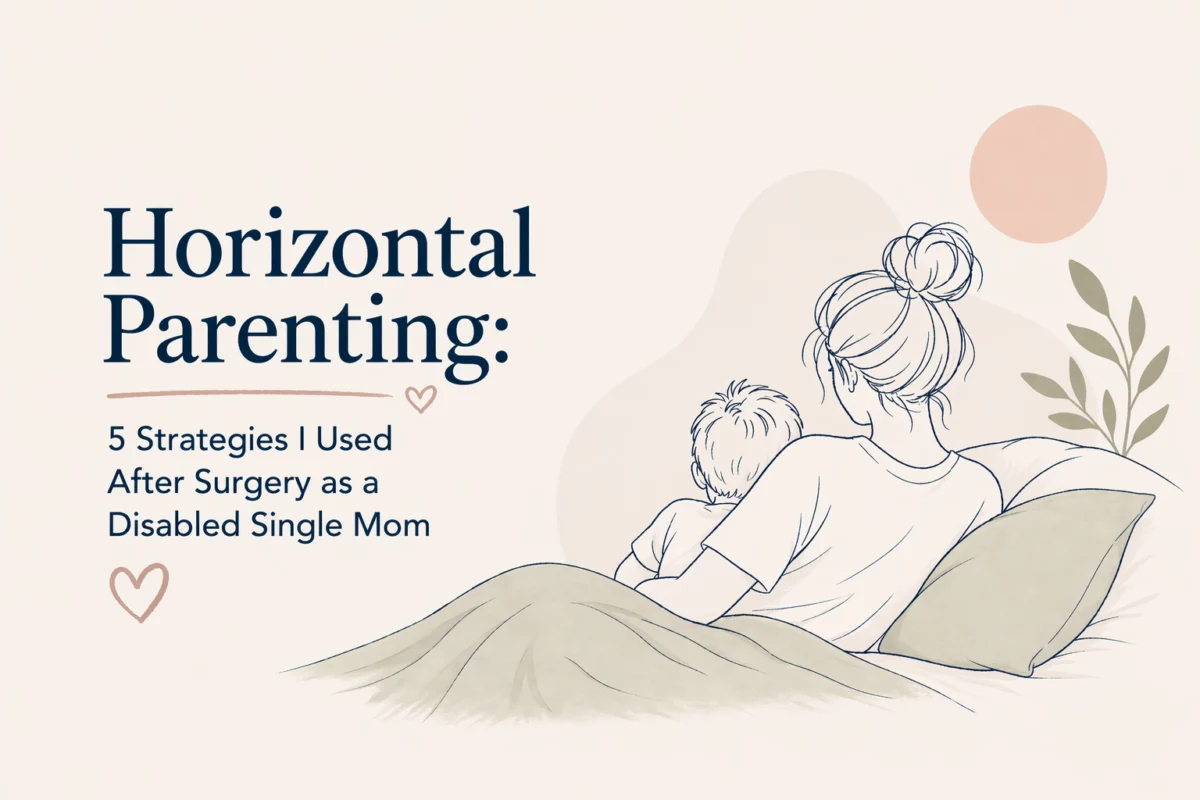
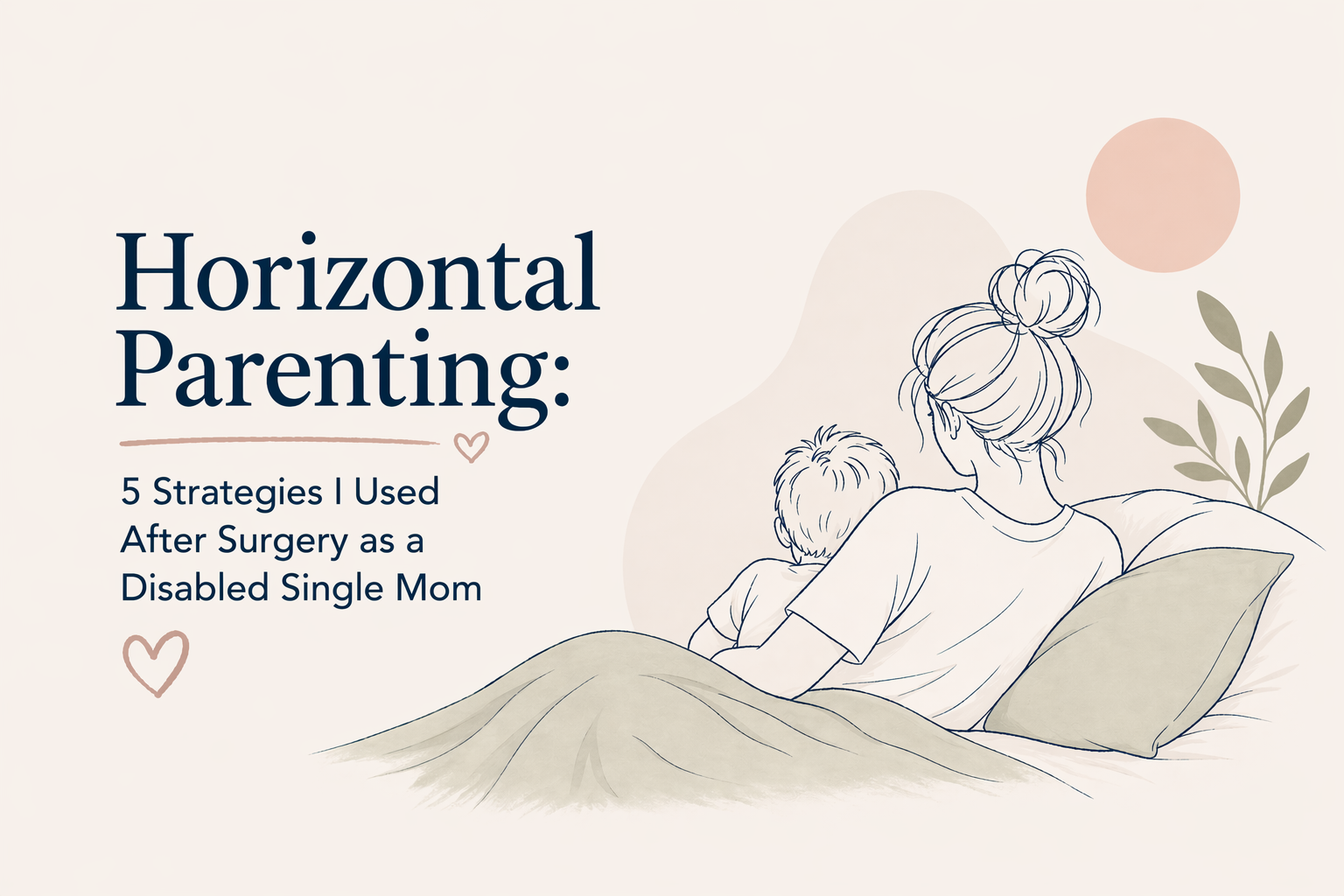
Having navigated over 40 surgical procedures—including major spinal fusions and brain surgery—while raising a son as a single mother, Zinno has developed a framework she calls "Horizontal Parenting." This methodology challenges the societal archetype of the standing, active, and hyper-capable parent, replacing it with a model of intentionality, environmental engineering, and deep emotional presence.
The Chronology of a Medical Odyssey
Zinno’s journey into the intersection of chronic illness and single motherhood was marked by a trial-by-fire introduction to the healthcare system. Her son was born 11 weeks premature, necessitating a 63-day stay in the Neonatal Intensive Care Unit (NICU). The family’s transition home coincided exactly with the onset of the global COVID-19 pandemic, creating an unprecedented vacuum of support.
Just eight months after the homecoming, the situation intensified when Zinno required an Occipitocervical fusion—a complex spinal stabilization surgery. The recovery process, which involved wearing a restrictive neck brace, forced a total reimagining of caregiving.
"There was no manual for recovering from this kind of major surgery with a small baby during a global lockdown," Zinno reflects. Her subsequent strategies were born out of the necessity to maintain a bond with her son while her body was physically unable to participate in traditional "vertical" activities like lifting, standing, or walking for long periods.
The Pillars of Horizontal Parenting: A Strategy for Survival
Zinno’s approach is not merely about physical modification; it is a psychological shift that prioritizes the long-term connection over the short-term aesthetics of a "perfect" home.
1. Presence Over Perfection
The most significant hurdle for many disabled parents is the guilt associated with not meeting societal expectations of domesticity. Zinno advocates for "radical acceptance." She notes that while a clean home is desirable, it is not a prerequisite for effective parenting.
The turning point for her came during a period of immense physical trauma involving a blood clot and emergency kidney surgery. A lactation consultant provided the mantra that would define her parenting philosophy: "He won’t remember breastmilk or formula; he will remember whether you were present." By shifting energy away from tasks that drained her, she was able to preserve her limited capacity for meaningful interaction with her son.
2. Engineering the Environment
For a caregiver with dysautonomia (POTS) and connective tissue disorders (EDS), standing is often the enemy. Zinno restructured her living space to facilitate "floor-level" engagement. By moving essential supplies to reachable, low-lying areas and preparing "low-stress" meal stations, she minimized the need for vertical transitions. This physical restructuring allows the parent to remain in a reclined or seated position—essential for managing blood pressure and spinal integrity—while still providing constant, hands-on care.
3. Designing for Autonomy
As her son grew, teaching him independent skills became a dual-purpose endeavor. For a parent with limited physical mobility, fostering independence in a child—particularly one with neurodivergent needs—is a survival necessity. By organizing their home to be accessible, she enabled her son to meet his own needs for snacks, play, and hygiene, which in turn fostered a sense of competence in the child and reduced the physical tax on the mother.
4. Explaining Illness as a Shared Reality
A significant portion of the burden on disabled parents is the emotional weight of explaining illness to children. Zinno emphasizes that children perceive parental limitation through their own developmental lens. Without clear, honest, and age-appropriate communication, children may internalize the parent’s struggle as their own fault.
Zinno shares that she spent many nights in hospital rooms grappling with frustration. However, she found that by "leading with honesty" and practicing self-regulation, she could prevent her son from absorbing her physical distress as emotional instability.
5. Building an Intentional Village
The pandemic stripped away the natural support systems—grandparents, playgroups, and neighbors—that many parents rely on. For the disabled single parent, this isolation can be catastrophic. Zinno argues that the "village" must be built intentionally. "Don’t wait until you are ‘well’ to reach out," she advises. Seeking support while vulnerable is not a sign of failure; it is an act of proactive caregiving.
Supporting Data: The Reality of Disabled Parenting
While clinical data on the efficacy of "Horizontal Parenting" is still emerging, the necessity for such models is supported by broader demographic data on disability in the United States. According to the U.S. Census Bureau, approximately 1 in 4 Americans lives with some form of disability. When that disability intersects with single parenthood, the economic and physical demands can lead to significant health disparities if not properly managed.
Studies on parenting with chronic pain suggest that when parents utilize energy-management techniques (often called "pacing"), the quality of parent-child attachment remains high. The psychological benefit of "presence" identified by Zinno aligns with developmental psychology research, which emphasizes that children thrive on consistent emotional availability rather than the physical stamina of the caregiver.
Official Responses and Perspectives
Patient advocacy groups, including those focused on EDS and POTS, have increasingly recognized the need for resources specifically tailored to the "parenting with chronic illness" demographic. Experts in occupational therapy often echo Zinno’s "environmental engineering" approach, suggesting that home modifications—such as low-profile furniture and assistive devices—are underutilized tools that can prevent caregiver burnout.
The consensus among pediatric specialists is that children of disabled parents often develop higher levels of empathy, problem-solving skills, and resilience. By involving children in the reality of the parent’s health, families can foster a culture of cooperation rather than one of dependency.
The Implications for Future Caregiving
The implications of Zinno’s framework reach far beyond her own living room. As the medical community continues to see an increase in the diagnosis of complex systemic conditions like MCAS and EDS, the need for a "disability-first" parenting curriculum becomes evident.
The traditional model of parenting, which assumes a baseline of physical health, is becoming increasingly obsolete in a world where chronic illness is more prevalent and better diagnosed. The "Horizontal Parenting" model suggests that the future of caregiving lies in:
- Flexibility: Moving away from rigid, standing-based schedules toward fluid, energy-based care.
- Advocacy: Normalizing the use of assistive technology within the home to support parental function.
- Mental Health: Prioritizing the parent’s emotional regulation over the maintenance of an idealized household.
Final Thoughts
Katie Zinno’s story serves as a poignant reminder that disability does not preclude effective parenting. Instead, it requires a unique, often innovative approach to what it means to be a guardian. The core takeaway is that the "goodness" of a parent is not measured in the number of dishes washed or the height from which they play, but in the enduring quality of their presence.
"The goal is presence, not performance," Zinno concludes. "The fact that you keep showing up, even from the floor, is what your child will remember."
Disclaimer: This article reflects the personal experiences of the author and is intended for informational and supportive purposes only. It is not medical, parenting, or professional advice, nor does it endorse any specific products. Caregivers should always use appropriate supervision and ensure safety when applying any strategies described. Readers should consult their healthcare providers before making decisions related to their health, treatment, or caregiving practices.