Published June 21, 2026
In the vast lexicon of yoga, few postures bridge the gap between physical mechanics and metaphysical philosophy as effectively as Virasana, or Hero Pose. Originally detailed in the March-April 1989 issue of Yoga Journal, the practice of Virasana remains a cornerstone of disciplined asana work. By examining the mythic structure of the hero, the anatomical precision of the pose, and the psychological nuances of surrender, practitioners can unlock a deeper, more transformative engagement with their practice.
The Mythic Architecture of Asana
In his seminal work, The Hero with a Thousand Faces, Joseph Campbell codified the archetypal adventure of the hero, a narrative structure that transcends culture and epoch. Campbell wrote, "A hero ventures forth from the world of common day into a region of supernatural wonder: fabulous forces are there encountered and a decisive victory is won: the hero comes back from this mysterious adventure with the power to bestow boons on his fellow man."
When we step onto the mat, we are not merely performing stretches; we are enacting this ancient journey. The "region of supernatural wonder" is the inner landscape of the practitioner. The "fabulous forces" are the physical tensions, habitual patterns, and psychological fears that drain our vital energy. The "decisive victory" is the fleeting moment of inward surrender—the point where we stop fighting the resistance of our own bodies and minds. The "boon" we return with is not a material prize, but a refined calmness, mental clarity, and an elevated state of vitality that radiates into our daily lives.
The Three Stages of Practice
The hero’s journey comprises three distinct phases: separation, penetration, and return. In the context of Patanjali’s Yoga Sutras, these stages mirror the three niyamas (observances) essential for the nascent practitioner: Tapas (discipline), Ishvara-pranidhana (surrender), and Svadhyaya (self-study).
1. Separation: The Tapas of Withdrawal
The first stage—separation—is fueled by Tapas, the burning desire for transformation. It is not a rejection of the world, but a radical shift in values. Campbell notes that this step is a "transfer of emphasis from the external to the internal world." In yoga, this begins when we choose to focus on the breath and the alignment of the body rather than the chaotic stimuli of our surroundings. It is the retreat from the "wasteland" of scattered attention into the peace of the inner realm.
2. Penetration: Ishvara-pranidhana and the Kneeling Figure
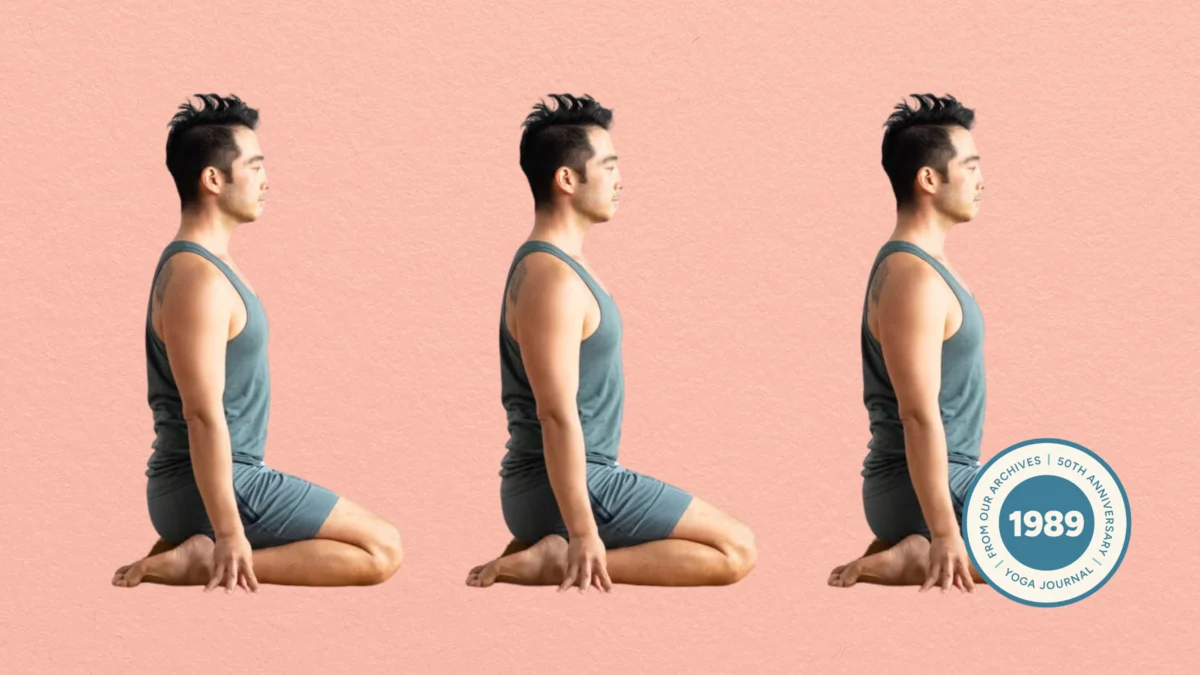
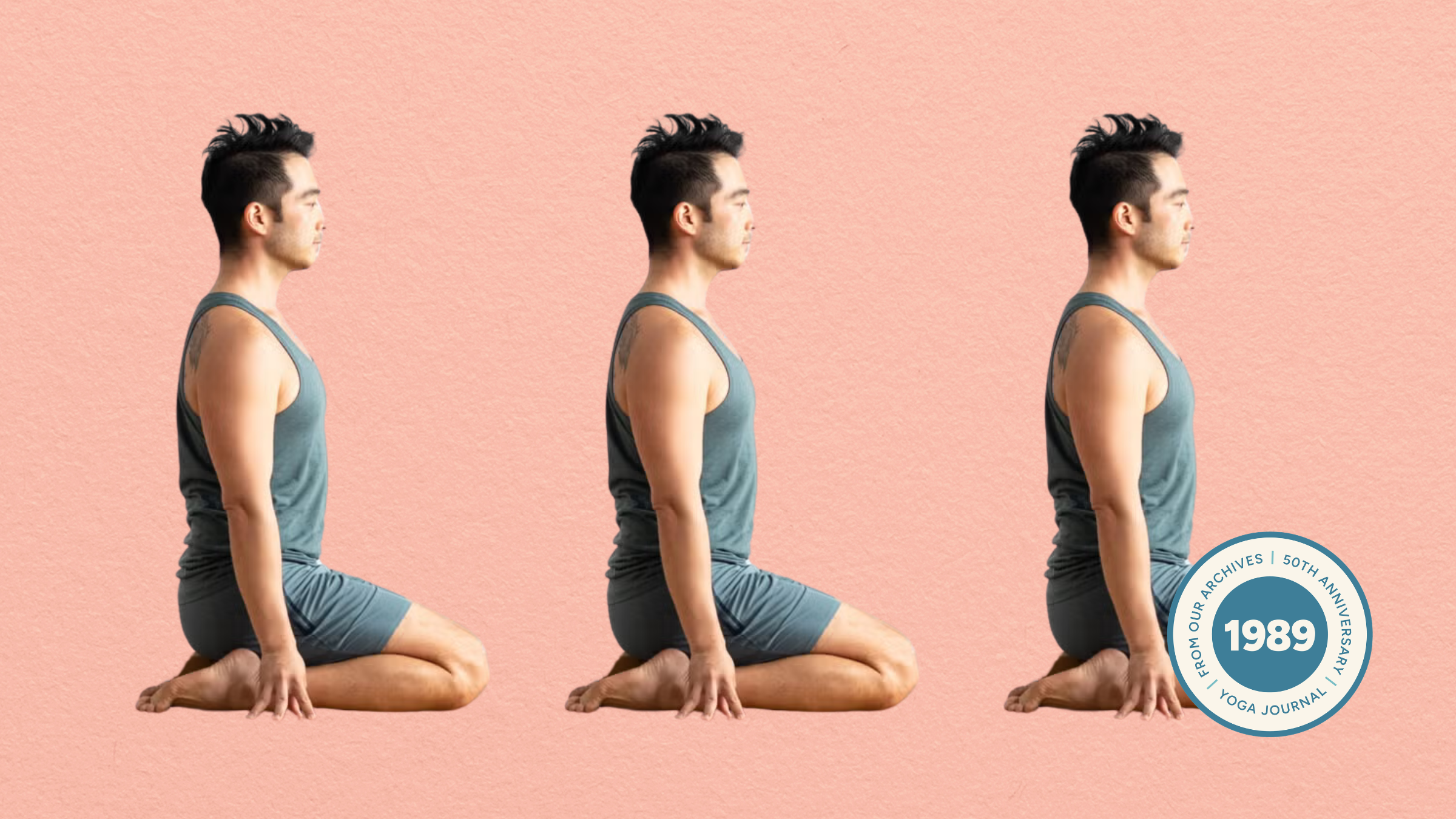
The second stage, penetration, is achieved through Ishvara-pranidhana, or surrender to the divine. Historically and iconographically, this state of receptivity is symbolized by the kneeling figure. From 6th-century B.C. Egyptian sculpture to the practice of Virasana, the act of bringing the knees to the earth signifies a shedding of the ego’s defenses. In Hero Pose, we do not conquer the body; we submit to the ordeal of uncertainty, waiting patiently for an answer from within.
3. The Life-Enhancing Return: Svadhyaya
The final stage is the return. This is the integration of our discoveries into the world. It is achieved through Svadhyaya, or self-study. Without the self-reflective capacity to analyze our own progress and limitations, the practice becomes rote. Svadhyaya prevents us from clinging to dogma, allowing us to return to our daily lives as more conscious, compassionate individuals.
Anatomical Precision: The Mechanics of Virasana
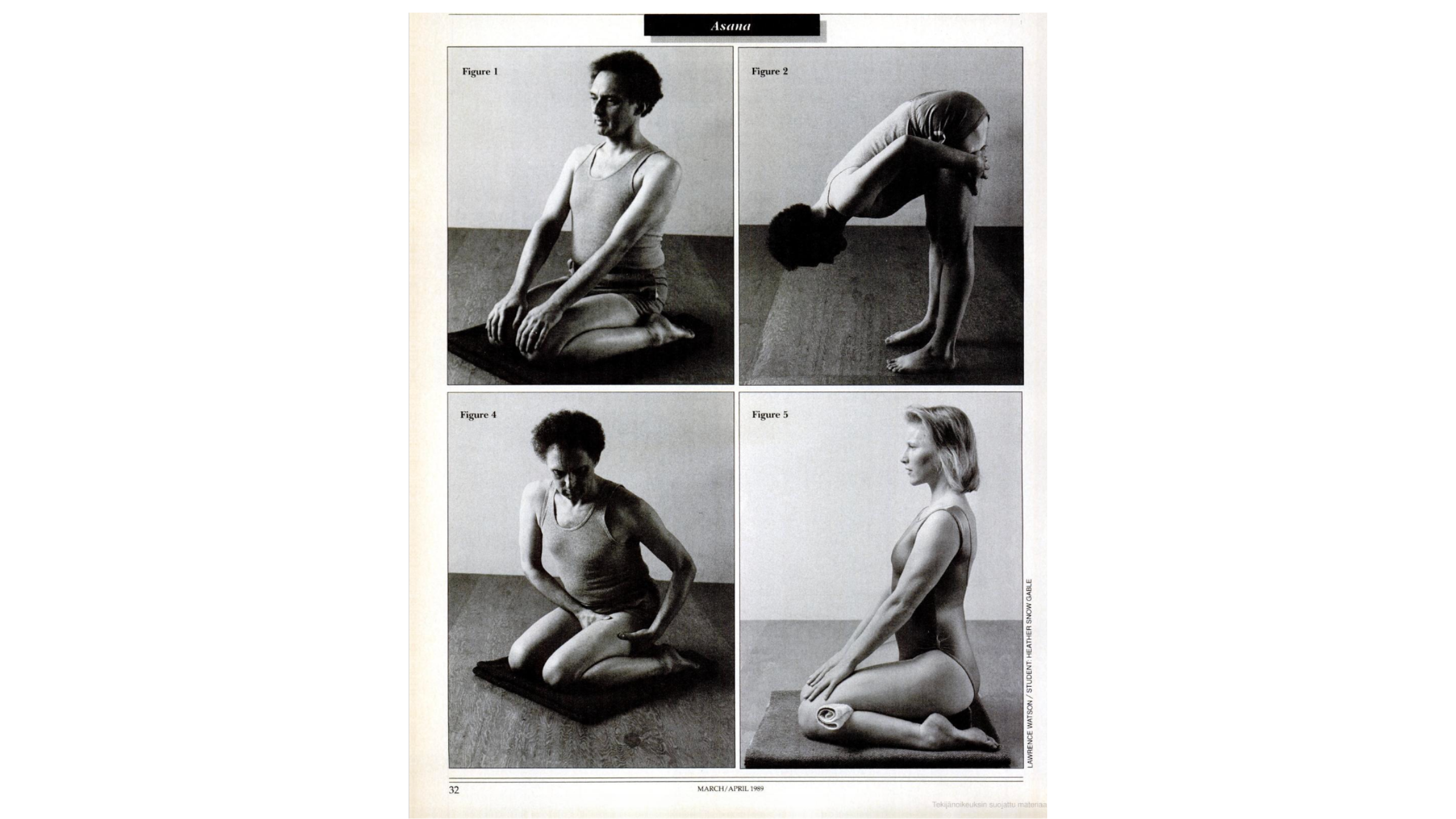
Virasana is unique among basic yoga poses because it mandates the internal rotation of the thighs. While poses like Baddha Konasana (Bound Angle) or Padmasana (Lotus) focus on external rotation, Virasana acts as a vital counterpose, realigning the thighbones and healing the knees.
Understanding the Femoral Rotation
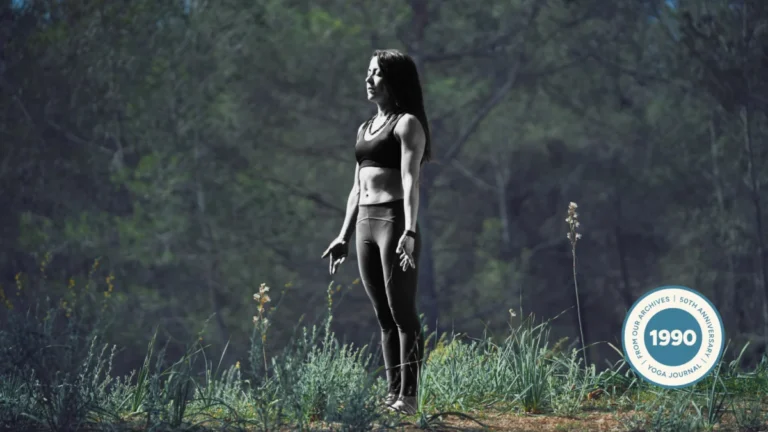
To master the internal rotation required for Virasana, one must first cultivate awareness in Tadasana (Mountain Pose) and Uttanasana (Standing Forward Bend).
When standing, place your hands on your upper back thighs. You will notice a hollow area at the outer back thigh. By moving the thighbones toward this hollow space, you engage the front thigh muscles and stabilize the knees. This action, when performed correctly, creates a profound sense of integration. It draws the head of the femur deeper into the socket and prevents the common error of hyperextending the knees.
Troubleshooting and Adjustments
Many practitioners experience discomfort in Virasana due to improper alignment. The following guidelines are essential for safe, sustainable practice:
- Inner Knee Pain: This typically suggests the thigh needs to be rolled inward.
- Outer Knee Pain: This suggests the thigh needs to be rolled outward.
- Pelvic Imbalance: If one sitting bone lifts while the other remains grounded, avoid collapsing the torso. Instead, use the hands to manually rotate the thighbone until the pelvis levels naturally.
- Ankle Support: If you experience cramping in the feet or circulation blockage at the ankles (visible as a pale skin tone), place a small rolled blanket under the ankles to alleviate pressure.
For those with chronic knee issues, sit on a block or place a folded blanket behind the knees to create necessary space. Never force the joint; the goal of the "hero" is alignment and ease, not physical trauma.
The Philosophy of Surrender vs. Submission
A critical distinction must be made between surrender and submission, particularly within the context of spiritual communities. Poet Stephen Mitchell argues that submission is a "power transaction," a mode of spiritual depression common between the oppressed and the oppressor. It is an act of fear.
Conversely, surrender is a wholehearted, voluntary gift of the self. In the practice of Ishvara-pranidhana, surrender is an act of love. This is a vital distinction for modern practitioners who may find themselves in environments where "surrender to the teacher" is confused with "submission to the organization."
The Perils of Dependency
In many charismatic yoga circles, an "inner circle" often forms around a teacher. These followers may interpret the teacher’s casual remarks as absolute law, insulating the teacher from genuine feedback and creating a culture of dependency. Psychoanalyst Arno Gruen, in The Betrayal of the Self, suggests that we cling to these external structures because we are alienated from our own inner worlds. We fear the "anarchistic" nature of our own thoughts, so we seek validation from those in power.
The antidote to this trap is Svadhyaya. As yoga teachers and students, we must ask: Are we encouraging dependency, or are we teaching our students to build trust in their own perceptions? The true hero is not the one who follows blindly, but the one who utilizes the tools of yoga to cultivate their own source of wisdom.
Implications for Modern Practice
As we revisit the archival wisdom of 1989, the relevance of Virasana has only grown. In a digital age marked by constant external distraction and physical sedentary habits, the "separation from the world" that Virasana demands is more necessary than ever.
Summary of Benefits
- Physical: Realignment of the femur, strengthening of the thighs, and increased flexibility in the knees and ankles.
- Mental: Development of the ability to sit with discomfort, fostering patience and psychological resilience.
- Spiritual: The cultivation of Ishvara-pranidhana, shifting the focus from ego-driven effort to graceful surrender.
Conclusion: The Return
The practice of Virasana is not a destination; it is a laboratory for the soul. Whether you are using a block to support your knees or exploring the subtle rotation of your thighbones, you are engaging in the same work as the hero of antiquity. By moving inward, acknowledging our physical and psychological patterns, and surrendering to the present moment, we emerge from the mat with the "boons" of clarity and vitality.
The hero’s journey is never finished. Every time you sit in Virasana, you are stepping back into the region of supernatural wonder. You are moving past the superficiality of the common day, penetrating the core of your own experience, and preparing for your inevitable return to the world—not as a servant to power, but as a master of your own inner peace.