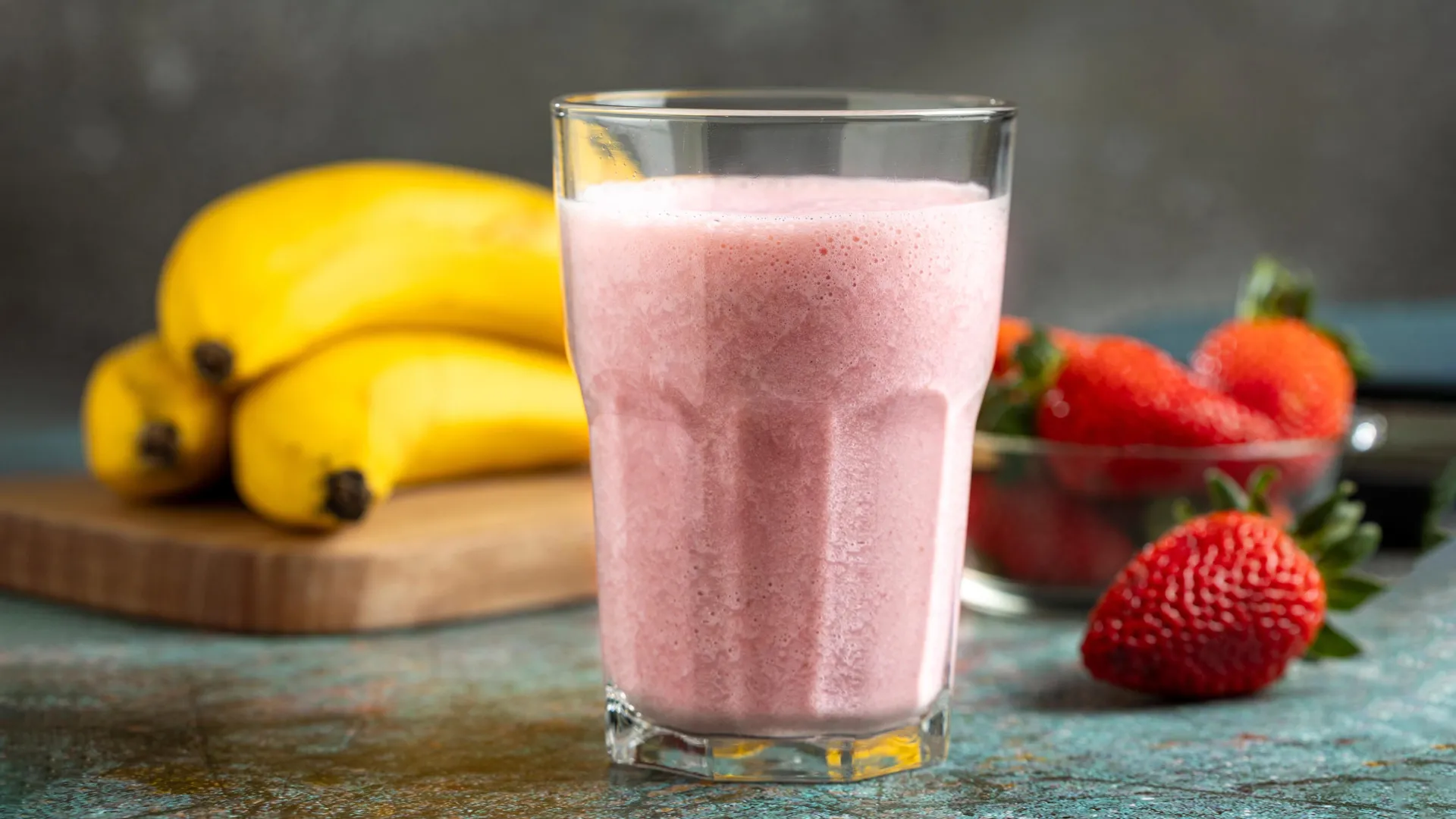
For millions of health-conscious individuals, the morning routine is standard: toss a handful of berries, a scoop of cocoa powder, or a slice of apple into a blender, add a banana for texture, and hit the pulse button. It is a ritual of efficiency, promising a concentrated dose of vitamins, fiber, and heart-healthy antioxidants. However, new research from the University of California, Davis, suggests that this common habit might be undermining the very health benefits we seek to gain.
A study published in the Royal Society of Chemistry journal Food & Function reveals that the way we combine ingredients in a blender can significantly alter the nutritional bioavailability of our food. Specifically, the inclusion of bananas—a staple in smoothie culture—can drastically reduce the body’s ability to absorb flavanols, the potent plant compounds celebrated for their cardiovascular and cognitive benefits.
The Science of the "Nutritional Mismatch"
At the heart of this issue is an enzyme known as polyphenol oxidase (PPO). Most of us have witnessed PPO in action without realizing it; it is the same catalyst responsible for the browning of sliced apples or bruised bananas. When fruit tissue is damaged—whether by a knife, a bite, or the high-speed blades of a blender—PPO is released. It reacts with oxygen and phenolic compounds in the fruit, triggering a chemical transformation that turns the flesh brown.
The UC Davis research team, led by Javier Ottaviani, sought to determine if this same enzymatic process continues to wreak havoc after the fruit is consumed. Flavanols, which are abundant in blueberries, blackberries, grapes, cocoa, and pears, are highly sensitive to these chemical interactions.
"We sought to understand, on a very practical level, how a common food and food preparation method like a banana-based smoothie could affect the availability of flavanols to be absorbed after intake," explained Ottaviani, who serves as the director of the Core Laboratory of Mars Edge and an adjunct researcher at the UC Davis Department of Nutrition.
Chronology of the Discovery
The investigation into smoothie chemistry was not born from a hunch, but from a growing body of evidence suggesting that food matrix interactions are far more complex than previously understood.
- The Hypothesis: Researchers hypothesized that the high PPO activity in certain fruits, like bananas, might degrade the concentration of flavanols before the body has a chance to absorb them.
- The Methodology: The team conducted a controlled trial using three distinct test scenarios. Participants consumed either a banana-based smoothie (high PPO), a mixed-berry smoothie (low PPO), or a control capsule containing pure flavanols.
- The Data Collection: Using blood and urine samples, the researchers measured the bioavailability of the flavanols over a set period.
- The Revelatory Finding: The results were stark. Participants who consumed the banana-based smoothie exhibited an 84% lower level of flavanols in their system compared to the control group. Conversely, those who drank the berry-based, low-PPO smoothie showed levels comparable to the control capsule.
Supporting Data and the "Stomach Factor"
The study went a step further to determine if the interaction only occurred during the blending process or if the enzymes continued their work post-ingestion. In a follow-up test, researchers gave participants flavanols alongside a high-PPO banana drink, but ensured the ingredients were kept separate until they reached the stomach. Even in this scenario, flavanol levels were significantly diminished, suggesting that the PPO enzyme remains active and destructive within the digestive tract itself.
This suggests that the "nutritional cost" of adding a banana to a berry smoothie isn’t just about the physical blending; it is a fundamental biochemical interference that persists throughout the early stages of digestion.
Understanding Flavanols: Why They Matter
To appreciate the significance of these findings, one must understand the role of flavanols in human health. These naturally occurring plant compounds are currently the subject of intense global research. The Academy of Nutrition and Dietetics has issued guidelines suggesting that adults aim for 400 to 600 milligrams of flavanols per day to support cardiometabolic health.
The potential benefits of these compounds are vast:
- Cardiovascular Health: Flavanols are linked to improved blood flow, better blood pressure management, and healthier cholesterol levels.
- Cognitive Function: Emerging research suggests that consistent flavanol intake may support brain health. While studies such as the COSMOS program have shown nuanced results regarding cocoa flavanols, they indicate that for populations with lower habitual diet quality, these compounds can offer meaningful cognitive support.
- Metabolic Regulation: There is ongoing investigation into how these compounds assist in glucose regulation and systemic inflammation.
Given that these compounds are found in readily available foods like tea, berries, and cocoa, the realization that a common, healthy fruit could essentially "nullify" them is a significant finding for public health.
Official Responses and Expert Perspective
The academic community has received the findings with a mixture of intrigue and caution. Experts emphasize that the UC Davis study was small—involving eight men in the first phase and 11 in the second—and should not be interpreted as a reason to abandon healthy eating habits.
"The findings do not mean bananas are bad for you," Ottaviani stressed. "Bananas provide essential fiber, potassium, and other nutrients, and they can absolutely remain a staple in a balanced diet."
Nutritionists agree that the "all-or-nothing" approach is rarely the right one in dietetics. Instead, the study provides a "precision nutrition" perspective. If the primary goal of your smoothie is to act as a vehicle for flavanols, then your choice of base ingredients matters. If your goal is general energy, potassium intake, or a creamy, sweet snack, the banana remains an excellent choice.
Practical Implications for the Consumer
For the average person, this research provides a simple, actionable strategy for optimizing their morning routine. The goal is to maximize the synergy of nutrients rather than creating a chemical conflict.
How to Build a Flavanol-Friendly Smoothie
If you are looking to boost your heart health and cognitive function, consider the following swaps:
- Swap the Banana: If you are using berries, cocoa, or grapes as your primary flavor profile, avoid high-PPO ingredients.
- Choose Low-PPO Alternatives: To maintain a creamy, sweet texture without the enzyme interference, try using mango, pineapple, orange, or yogurt. These ingredients provide the desired mouthfeel and flavor without compromising the absorption of flavanols.
- The "Separate" Strategy: If you absolutely love bananas, consider enjoying them separately. Have your banana as a mid-morning snack and save your berry-and-cocoa smoothie for another time. This allows your body to reap the full benefits of both.
Looking Beyond the Blender
The implications of this research extend far beyond the kitchen blender. Javier Ottaviani notes that this discovery opens a new door in the study of polyphenols. For example, tea—a primary source of flavanols—could be similarly affected by brewing temperatures, the addition of milk, or other factors that alter the bioavailability of its bioactive compounds.
"This is certainly an area that deserves more attention in the field of polyphenols and bioactive compounds in general," Ottaviani said.
As we continue to move toward a more sophisticated understanding of human nutrition, it becomes clear that "what you eat" is only half the story. "How you combine and prepare it" is the other half. The UC Davis study serves as a poignant reminder that while we often view food as a static list of ingredients, it is, in reality, a dynamic chemical laboratory.
Conclusion
The smoothie is a testament to the modern desire for health and convenience. By distilling the findings of the UC Davis team, we are not losing a healthy drink; we are gaining a more refined approach to how we nourish ourselves. We don’t have to fear the banana, nor do we need to abandon our berries. We simply need to be more mindful of the chemistry occurring in our glasses.
By making small, informed adjustments to our recipes, we can ensure that every sip is as nutritionally potent as it is delicious. The next time you reach for the blender, remember: the science of your snack is in your hands. Choose your combinations wisely, and you will ensure that your body truly receives the benefits of the healthy foods you’ve selected.