In the landscape of modern medicine, we often treat health conditions in silos: a cardiologist manages the heart, a nephrologist monitors the kidneys, and an endocrinologist tracks blood sugar. However, a groundbreaking shift in medical understanding—the formalization of Cardiovascular-Kidney-Metabolic (CKM) syndrome—is challenging this fragmented approach. Despite affecting nearly 90% of the U.S. adult population, this condition remains largely unknown to the public, creating a silent health crisis that the American Heart Association (AHA) is now racing to address.
Main Facts: Defining the CKM Connection
CKM syndrome is not a single disease, but rather a holistic framework that recognizes the intricate, symbiotic relationship between the heart, the kidneys, and the body’s metabolic systems. The term describes a condition where these systems begin to fail in concert, creating a feedback loop of dysfunction.
The syndrome is defined by the presence of at least one of several common risk factors, including:
- Hypertension (High Blood Pressure): The silent stressor on both the heart and the kidneys.
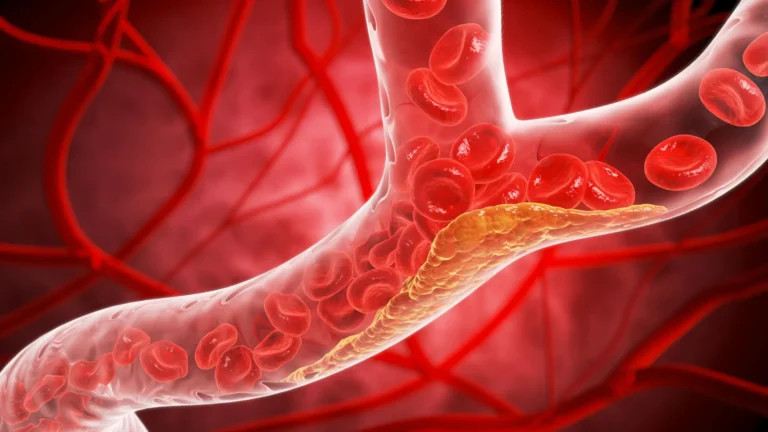
- Dyslipidemia: Abnormal cholesterol levels that clog arteries.
- Hyperglycemia: Elevated blood glucose levels associated with insulin resistance and diabetes.
- Adiposity: Excess body weight that triggers systemic inflammation.
- Reduced Kidney Function: A diminished capacity to filter waste, which directly exacerbates cardiac strain.
When these factors coexist—a scenario known as “clustering”—the risk of catastrophic events such as heart attack, stroke, and heart failure increases exponentially. Unlike isolated conditions, CKM syndrome represents a comprehensive state of physiological decline that requires an integrated, rather than a specialized, medical strategy.
Chronology: From Recognition to Public Awareness
The evolution of CKM syndrome as a clinical priority is a relatively recent phenomenon, but it is moving at an accelerated pace:
- Pre-2023: Medical professionals recognized the correlation between metabolic diseases and cardiovascular outcomes, but treatment remained largely compartmentalized.
- 2023: The American Heart Association began formalizing the CKM framework to provide a unified nomenclature for this cluster of interconnected diseases.
- August 2025: The Harris Poll, commissioned by the AHA, surveyed 4,007 U.S. adults to gauge the public’s grasp of this newly defined term.
- Late 2025: As data from the poll surfaced, the AHA launched its comprehensive CKM Health Initiative to bridge the gap between complex clinical definitions and patient understanding.
- Early 2026: The medical community anticipates the release of the first-ever clinical guidelines dedicated specifically to the management and diagnosis of CKM syndrome, signaling a paradigm shift in how chronic disease will be treated in the coming decade.
Supporting Data: The Magnitude of the Challenge
The data released by the American Heart Association paints a stark picture of the American health landscape. With nearly 90% of U.S. adults possessing at least one risk factor linked to CKM syndrome, the condition is not a fringe issue—it is a societal health crisis.
The Harris Poll findings reveal a fascinating paradox: while public awareness of the term "CKM syndrome" is remarkably low, the appetite for knowledge is high. Once the concept is explained, approximately three-quarters of respondents immediately recognize its importance, expressing a strong desire to understand how their lifestyle choices impact these three vital systems simultaneously.
This data underscores a major communication gap. While patients understand the individual dangers of "high cholesterol" or "extra weight," they fail to see these as interconnected components of a larger, systemic threat. By framing these issues as "CKM health," the medical community hopes to move patients away from "symptom management" and toward "systemic prevention."
Official Responses: A Call for Coordinated Care
Dr. Eduardo Sanchez, M.D., FAHA, the American Heart Association’s chief medical officer for prevention, has been at the forefront of the CKM awareness campaign. In his view, the medical system is currently ill-equipped to handle the interconnected nature of these diseases.
"We want people to know that it’s really common to have heart, kidney and metabolic risk factors at the same time," Dr. Sanchez stated. "These results reveal the need to emphasize those connections and help patients understand the importance of collaborative care."
Dr. Sanchez advocates for a "full circle" approach to health. He notes that because the heart, kidneys, and metabolic system rely on one another to function, if one begins to struggle, it inevitably places added strain on the others. This creates a "harmful cycle" that can be difficult to break once it gains momentum.
"The heart, kidney and metabolic systems are connected and, as such, should be treated in a coordinated way," Sanchez emphasized. He urges patients to take ownership of their health by viewing their blood pressure, cholesterol, weight, blood sugar, and kidney function as a unified portfolio of their overall wellbeing rather than independent health metrics.
Implications: The Path Toward Reversal
Perhaps the most hopeful takeaway from the AHA’s research is the clinical reality that CKM syndrome is not necessarily a one-way street. For many, the cycle of decline can be interrupted or even reversed through a combination of lifestyle modifications and proactive medical intervention.
The Power of Lifestyle Intervention
The "2 truths" of CKM health, as advocated by the AHA, emphasize that early action is the most effective medicine. By focusing on nutrition, consistent physical activity, and weight management, individuals can reduce the metabolic burden on their kidneys and heart before permanent structural damage occurs.
A New Standard of Collaborative Medicine
The forthcoming 2026 clinical guidelines will likely mandate a shift in how primary care physicians and specialists interact. The goal is to move toward an interdisciplinary model where a patient’s primary care team coordinates care across specialties, ensuring that a rise in blood sugar is immediately flagged for its potential impact on kidney filtration and heart health.
Accessing Resources
To assist the public, the American Heart Association has launched an online resource hub at heart.org/CKMtools. This hub provides:
- Educational Videos: Simplifying the complex science behind the "heart-kidney-metabolic" connection.
- Clinical Tools: Resources for healthcare professionals to implement interdisciplinary care plans.
- Preventative Strategies: Actionable advice on monitoring key biomarkers that indicate the onset of CKM syndrome.
A Future-Forward Perspective
The formalization of CKM syndrome is arguably the most significant development in chronic disease management in the 21st century. By recognizing that we are not treating disparate organs, but rather a single, interconnected biological system, we gain a massive advantage in the fight against heart disease and stroke.
The American Heart Association’s initiative, supported by founding sponsors such as Novo Nordisk and Boehringer Ingelheim, marks a concerted effort to move the needle on public awareness. However, the true success of this initiative rests with the individual. As the 2026 guidelines approach, the shift toward proactive, holistic health monitoring is expected to become the new standard of care.
Ultimately, CKM syndrome serves as a vital reminder that our bodies operate as an integrated unit. When we stop treating our health in silos and start looking at the "full circle" of our cardiovascular, renal, and metabolic systems, we move closer to a future where chronic disease is not an inevitability, but a manageable—and often preventable—challenge.
As Dr. Sanchez noted, "It’s a full circle. You can take care of your overall health with regular checks of your blood pressure, cholesterol, weight, blood sugar and kidney function." In the end, awareness is the first step toward reclaiming long-term health in an era where cardiovascular-kidney-metabolic stability is the true hallmark of longevity.