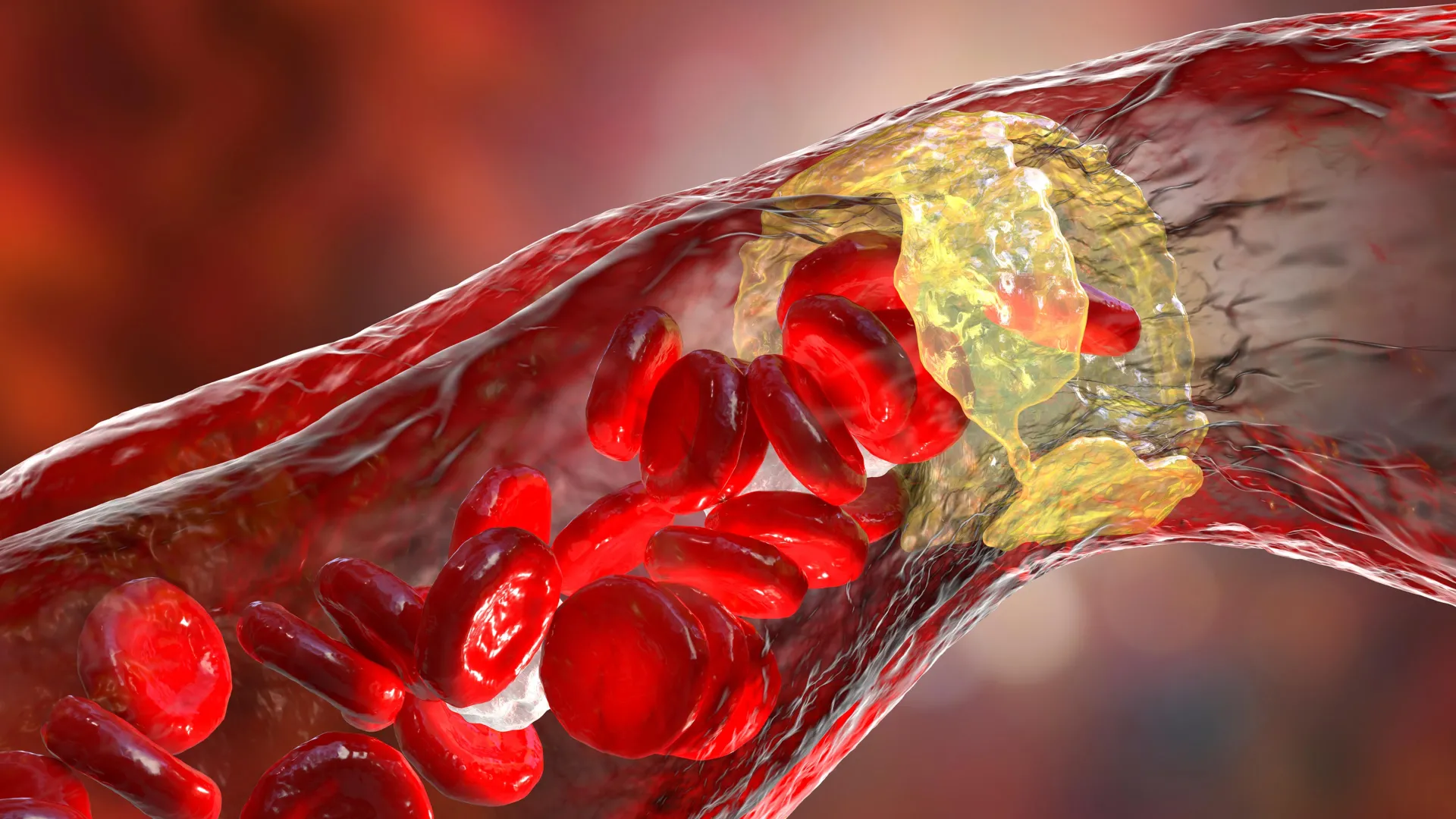
In an era where synthetic polymers have become ubiquitous, from the depths of the Mariana Trench to the highest mountain peaks, a sobering new study has revealed that the pervasive nature of microplastics may pose a direct threat to human cardiovascular health. A research team at the University of California, Riverside (UCR), has uncovered evidence that routine exposure to microplastics—microscopic fragments shed from consumer packaging, synthetic textiles, and household goods—significantly accelerates the progression of atherosclerosis, the hardening and narrowing of the arteries that serves as a primary precursor to heart attacks and strokes.
The study, published in the journal Environment International, offers a startling revelation: this cardiovascular damage appears to be sex-specific, affecting male subjects with alarming intensity while sparing females in the experimental model. This discovery not only provides a potential new risk factor for heart disease but also opens a critical avenue of inquiry into why biological sex plays such a defining role in how the human body processes environmental pollutants.
The Scope of the Problem: A Ubiquitous Contaminant
Microplastics are no longer confined to the ocean’s gyres; they are a standard component of our modern, industrialized world. They infiltrate our food supply, contaminate our drinking water, and drift through the air we breathe. Scientific consensus has moved past the question of if these particles are in our bodies to what they are doing once they arrive.
Recent clinical investigations have confirmed the presence of microplastics within human atherosclerotic plaques—the fatty deposits that clog arteries. Until now, however, it remained unclear whether these particles were merely innocent bystanders or active drivers of arterial injury. The UCR study, led by Dr. Changcheng Zhou, a professor of biomedical sciences at the UCR School of Medicine, suggests that these particles are far from inert.
"It’s nearly impossible to avoid microplastics completely," Dr. Zhou noted. "They are everywhere. But this research elevates the urgency of understanding their physiological impact. We aren’t just looking at a pollutant; we are looking at a potential biological catalyst for one of the world’s leading killers."
The Chronology of Discovery: A Controlled Laboratory Study
To isolate the effects of microplastics from the noise of typical modern lifestyles, the research team employed a rigorous scientific approach using LDLR-deficient mice—a standard, well-validated model for studying atherosclerosis.
Phase 1: Controlled Exposure
The researchers placed both male and female mice on a low-fat, low-cholesterol diet, simulating the dietary intake of a lean, healthy human. Once the baseline was established, the team administered a daily dose of microplastics (10 milligrams per kilogram of body weight) over a nine-week period. This specific dosage was calculated to mirror the realistic levels of exposure a human might encounter through contaminated water and food supplies.
Phase 2: Monitoring and Metrics
Throughout the nine-week trial, the team tracked weight, lipid profiles, and cardiovascular indicators. Crucially, the researchers ensured that the exposure did not trigger obesity or elevated cholesterol—factors that usually drive plaque formation. By keeping these traditional variables constant, the team was able to observe the direct, independent impact of the microplastics on the arterial walls.
Phase 3: The Revelation
Upon concluding the study, the researchers performed detailed histopathological examinations of the arterial structures. The results were stark. While the control groups and female mice remained relatively stable, the male mice exhibited a dramatic escalation in plaque formation.
Supporting Data: The Magnitude of the Impact
The statistical disparity observed in the male mice was profound. In the aortic root—the segment of the aorta directly connected to the heart—plaque levels increased by 63% compared to unexposed males. Even more alarming was the result in the brachiocephalic artery, a major vessel that supplies blood to the head and arms; in this artery, plaque buildup soared by 624%.
These figures represent a seismic shift in the study of vascular health. Furthermore, using single-cell RNA sequencing, the team identified the "ground zero" of the damage: the endothelial cells. These cells form the delicate inner lining of blood vessels and are responsible for regulating inflammation and circulation.
"We found endothelial cells were the most affected by microplastic exposure," Dr. Zhou explained. "Because these cells are the first to encounter circulating microplastics in the bloodstream, their dysfunction acts as the primary spark that initiates inflammation and the subsequent accumulation of plaque."
Official Perspectives and Biological Mechanisms
The research team suggests that the sex-specific nature of these findings mirrors broader trends in cardiovascular research. In the human population, men are historically more susceptible to heart disease at younger ages than women, a phenomenon often attributed to the protective influence of estrogen.
"Although the precise mechanism isn’t yet known, factors like sex chromosomes and hormonal profiles—particularly the protective effects of estrogen—may play a role in why female mice were shielded from the damage," said Dr. Zhou.
The researchers confirmed the presence of fluorescently labeled microplastics within the arterial plaques of the mice, validating that these particles do indeed cross the bloodstream to deposit in the vessel walls. Furthermore, the genetic analysis revealed that microplastics activated harmful pro-atherogenic pathways in both mice and human endothelial cells. This cross-species activation suggests that the biological pathway for microplastic-induced heart disease may be fundamentally similar in humans, marking this as a high-priority public health concern.
Implications for Public Health and Future Research
The implications of this study are far-reaching, necessitating a shift in how we view plastic pollution. It is no longer just an environmental issue; it is a clinical health crisis.
Clinical Strategy: Minimizing Risk
Given that there are currently no medical interventions capable of "scrubbing" microplastics from the human circulatory system, Dr. Zhou advocates for a precautionary approach. "The best strategy is to reduce exposure by limiting plastic use in food and water containers, reducing single-use plastics, and avoiding highly-processed foods," he advised. Maintaining overall cardiovascular health through diet and exercise remains the most effective defense, even as we face an increasingly plastic-saturated world.
The Road Ahead: Future Inquiries
The UCR team, in collaboration with researchers from Boston Children’s Hospital, Harvard Medical School, and the University of New Mexico Health Sciences, is already planning the next phase of research. The agenda includes:
- Plastic Variability: Investigating how different types, shapes, and sizes of microplastics (e.g., fibers vs. beads) impact vascular health differently.
- Molecular Pathways: Mapping the exact genetic signals triggered by microplastic-endothelial cell interactions.
- Human Correlation: Developing studies to see if the male-specific vulnerability observed in mice is replicated in human clinical populations.
Closing Remarks
As the study concludes, the authors emphasize that while the findings are concerning, they provide a roadmap for intervention. By identifying the endothelial layer as the primary site of damage, medical researchers may eventually be able to develop therapeutic agents that protect this lining from the inflammatory cascade triggered by synthetic particles.
For now, the study serves as a critical warning. As the global production of plastic continues to rise, the silent, invisible accumulation of these particles within our bodies may be quietly rewriting the risk profile for heart disease across the globe. Understanding the mechanisms behind this phenomenon is not merely an academic exercise—it is an urgent necessity for the future of global cardiovascular health.
The study, "Microplastic exposure elicits sex-specific atherosclerosis development in lean low-density lipoprotein receptor-deficient mice," was supported by funding from the National Institutes of Health.