By Jana Wu, LCSW, LADC
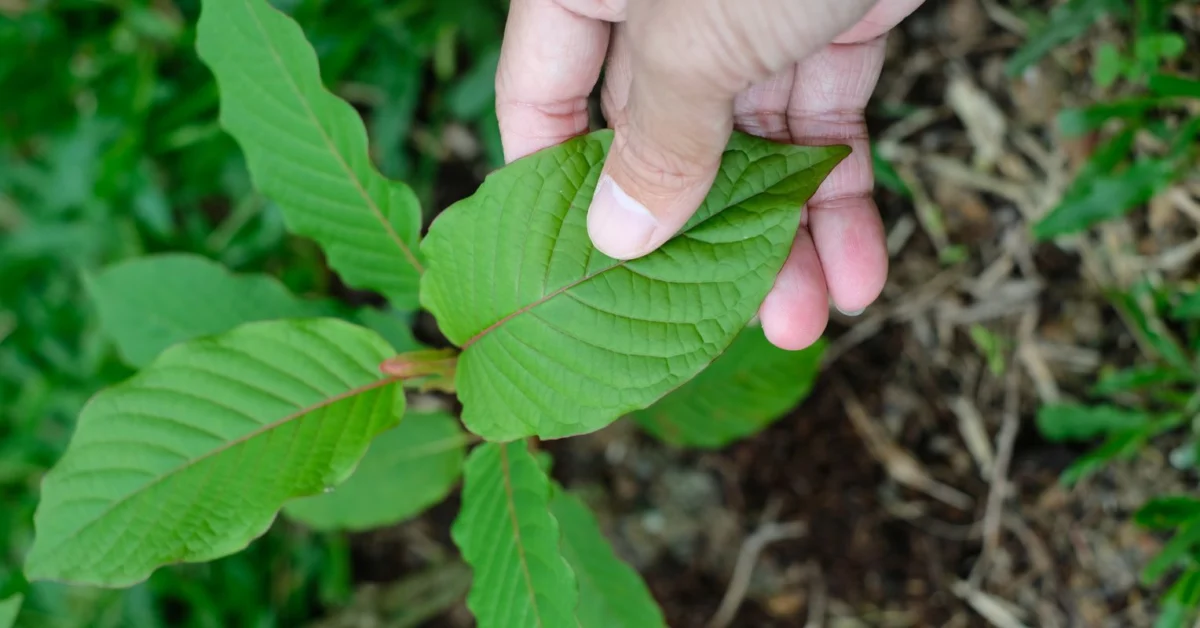
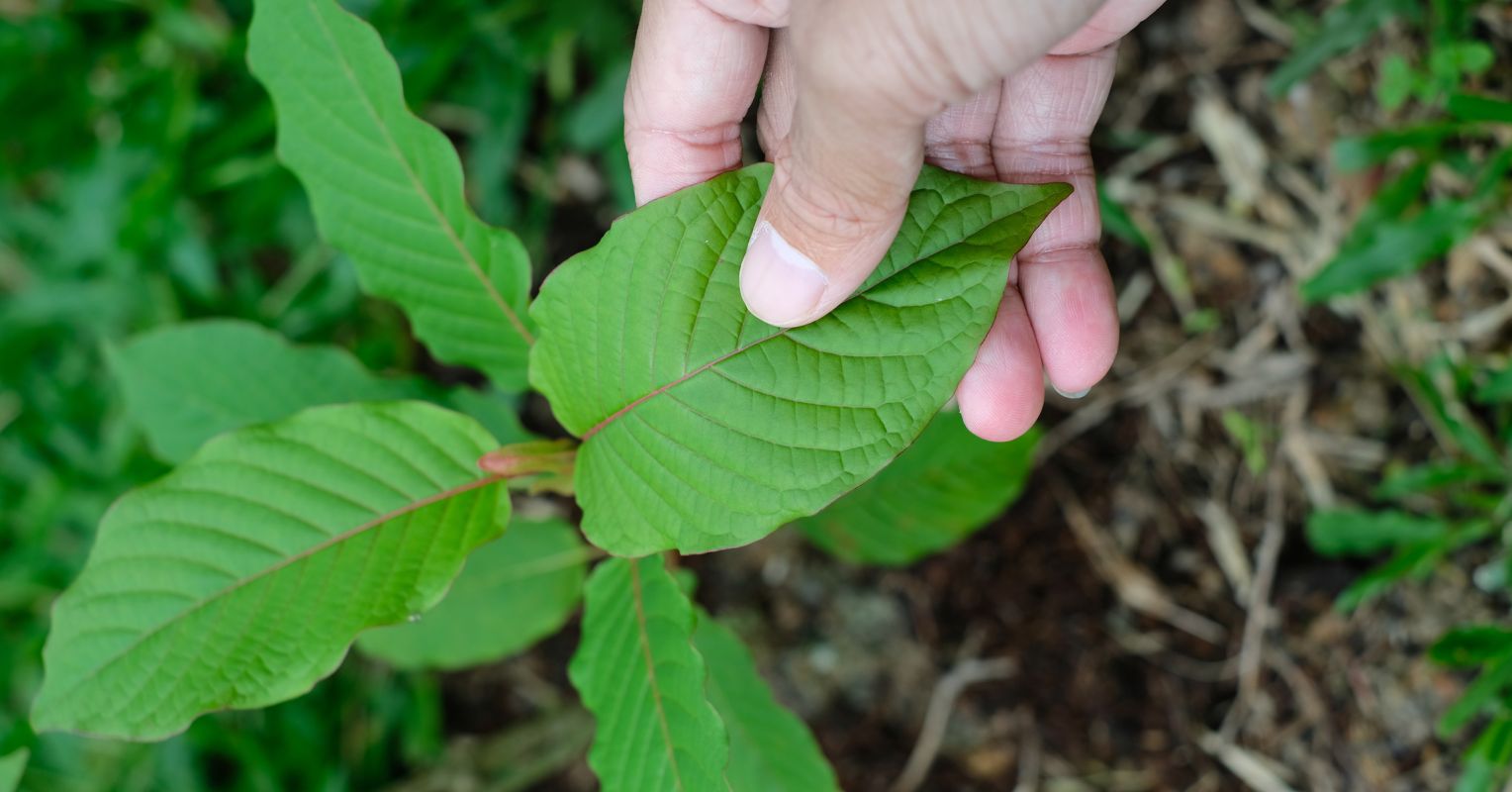
In the quiet aisles of local health food stores, behind the counters of neon-lit vape shops, and even on the shelves of suburban gas stations, a new staple has emerged. It is a substance known as kratom (Mitragyna speciosa), a tropical evergreen tree native to Southeast Asia. For centuries, laborers in regions like Thailand and Malaysia have chewed these leaves to stave off fatigue and dull the physical aches of grueling manual labor. However, as this botanical crosses borders and enters the American mainstream, the narrative surrounding it has shifted from a traditional folk remedy to a complex, and often contentious, public health dilemma.
Today, an estimated two million Americans utilize kratom, drawn by grassroots claims that it acts as a “lifesaving natural supplement.” Yet, as the substance gains popularity, healthcare providers and regulators are raising urgent alarms. The gap between anecdotal success stories and clinical safety data is widening, creating a volatile landscape for consumers who are often unaware of the risks of dependence, toxicity, and regulatory ambiguity.
The Evolution of a Controversial Substance: A Chronology
To understand the current crisis, one must look at the timeline of kratom’s migration into the Western market.
- Pre-2000s: Kratom remains largely confined to Southeast Asia, used culturally for pain management and energy. It holds a relatively low profile in international drug policy.
- 2000–2010: Increased interest in ethnobotanicals leads to the introduction of kratom in North American alternative health circles. It is marketed as a “legal high” and a natural alternative to prescription analgesics.
- 2016: The U.S. Drug Enforcement Administration (DEA) announces its intent to place kratom into Schedule I of the Controlled Substances Act, citing an “imminent hazard to public safety.” This triggers a massive, unprecedented public outcry from advocates and researchers, forcing the DEA to temporarily withdraw the proposal.
- 2018–2021: The substance becomes a focal point of intense lobbying. State-level legislative battles ensue, with some states attempting total bans while others pursue “Kratom Consumer Protection Acts” (KCPAs) to regulate purity and age restrictions.
- April 2022: The Food and Drug Administration (FDA) issues a formal alert to consumers, warning against the use of kratom due to significant safety concerns, lack of medical approval, and the absence of standardized dosage protocols.
- June 2023: Florida signs the "Florida Kratom Consumer Protection Act" into law, establishing a legal framework for the sale of the substance, including a mandatory minimum age of 21 for purchase, marking a shift toward regulation over prohibition in some jurisdictions.
Supporting Data: The Split Between User Perception and Clinical Reality
The disparity between how kratom is perceived and how it functions biologically is striking. Proponents frequently cite a 2022 study published in Frontiers in Pharmacology, which indicated that over 90 percent of survey respondents found the substance “very effective” in managing chronic pain or medical conditions. Because kratom interacts with opioid receptors in the brain, it can indeed produce analgesic effects, which explains why many individuals grappling with the opioid epidemic turn to it as a self-medication tool for withdrawal management.
However, clinical data tells a more sobering story. The substance lacks the rigorous oversight that governs the pharmaceutical industry. Because the FDA does not monitor kratom products for purity or concentration, users are essentially participating in a mass, uncontrolled clinical trial. There is no standard for “a dose,” and contaminated products—laced with heavy metals, salmonella, or even synthetic opioids—are a documented reality.
Official Responses and Regulatory Challenges
The regulatory landscape remains a patchwork of conflicting policies. The FDA’s stance is clear: they have not approved kratom for any medical use and have cautioned against its use due to the risk of addiction and death. Yet, the lack of federal regulation has left states to navigate the issue on their own.
Legislative efforts, such as the Florida Kratom Consumer Protection Act, represent a pragmatic approach to harm reduction. By banning sales to those under 21 and defining the product standards, the state attempts to prevent youth access and minimize the risks of adulterated products. However, critics argue that these laws create a false sense of security, implying that kratom is “safe” simply because it is regulated. The fundamental issue remains: whether or not the substance is sold legally, its pharmacological profile presents significant risks for dependence and adverse health outcomes.
Clinical Implications: The Hidden Cost of Dependence
As a clinician working at the front lines of substance abuse, I have observed the human cost of the "kratom boom" firsthand. I have treated clients who turned to kratom as a bridge to move away from opiates, only to find themselves tethered to a new, equally restrictive dependency.
The Physical Toll
The Mayo Clinic and other health organizations have documented a range of adverse physical reactions to kratom, including:
- Cardiovascular strain: Elevated heart rate, hypertension, and palpitations.
- Neurological impacts: Tremors, seizures, and in rare but severe cases, psychosis.
- General malaise: Nausea, vomiting, constipation, and significant weight loss.
The Behavioral and Social Impact
Beyond the physical symptoms, the psychological impact can be devastating. Many users report that while kratom initially masked their pain or anxiety, it eventually eroded their quality of life. I have worked with patients who exhausted their savings, withdrew from family life, and prioritized their next dose above their careers. The tolerance build-up is rapid; what begins as a “natural supplement” often morphs into a daily necessity just to function, leading to a profound cycle of withdrawal symptoms—anxiety, insomnia, and muscle aches—when the substance is removed.
A Path Forward: Treatment and Holistic Recovery
If you or someone you love is struggling with kratom misuse, it is vital to understand that recovery is not only possible but well-supported by modern clinical practices.
1. Medical Detox
While kratom withdrawal is rarely fatal, it is deeply uncomfortable. Medical detox provides a safe environment where practitioners can manage acute symptoms like chills, severe body aches, and psychological distress, ensuring that the patient remains stable throughout the transition.
2. Medication-Assisted Treatment (MAT)
For those who transitioned to kratom to manage opioid use disorder, it is important to pivot toward evidence-based alternatives. FDA-approved treatments, such as buprenorphine or naltrexone, offer a safer, monitored path toward long-term recovery compared to the unpredictable nature of self-medicating with unregulated herbal supplements.
3. Integrated Psychotherapy
Addiction is rarely about the substance itself; it is about the void the substance fills. Individual, group, and family therapies are essential for uncovering the root causes of the reliance. Whether the trigger is unresolved trauma, chronic pain, or undiagnosed anxiety, therapy provides the tools to build healthier coping mechanisms.
4. Mindfulness and Empowerment
Holistic wellness practices, such as mindfulness-based stress reduction (MBSR) and meditation, empower individuals to reconnect with their bodies. By developing a deeper understanding of one’s own triggers, patients can move from a state of reactive self-medication to a state of proactive health management.
Conclusion: The Necessity of Intellectual Curiosity
We must look at the issue of kratom from a progressive, multi-faceted perspective. It is not enough to simply label it as "good" or "bad." We must demand better research, clearer labeling, and more robust public education. The current state of affairs—where consumers gamble with their health based on online forums and anecdotal marketing—is a public health failure.
As healthcare providers, our duty is to maintain a curious, intellectual approach that respects the patient’s search for relief while firmly grounding them in the reality of medical risk. We need more clinical studies on drug interactions, safe dosage thresholds, and long-term longitudinal effects. Until that knowledge is solidified, the "natural" label should not be conflated with "harmless."
If you are currently struggling with kratom or any other substance, please know that you do not have to navigate this journey in isolation. Seek out qualified, licensed professionals who can help you craft a plan for wellness that is safe, effective, and sustainable. The road to recovery begins with an honest conversation, and it is a conversation that our society must continue to prioritize.
Jana Wu is the Director of Cultural Integration at Mountainside treatment center. She is a Licensed Clinical Social Worker (LCSW) and a Licensed Alcohol and Drug Counselor (LADC) with a master’s degree in social work from Smith College. For those seeking help, the Psychology Today Therapy Directory remains an essential resource for connecting with qualified professionals.